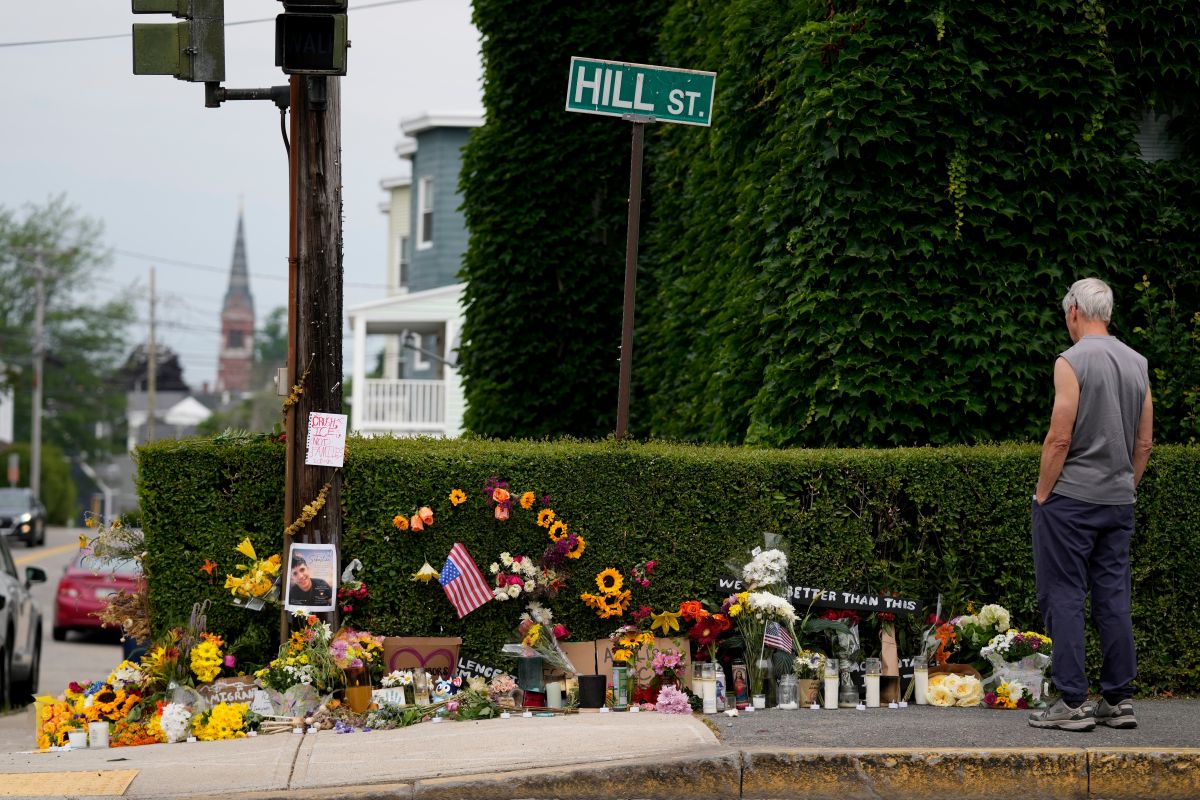
A review of previous Maine cases show how investigations into use of force often lean heavily on officers’ perception of potential harm.
Amid a big hiring push, police experts question ICE officer vetting
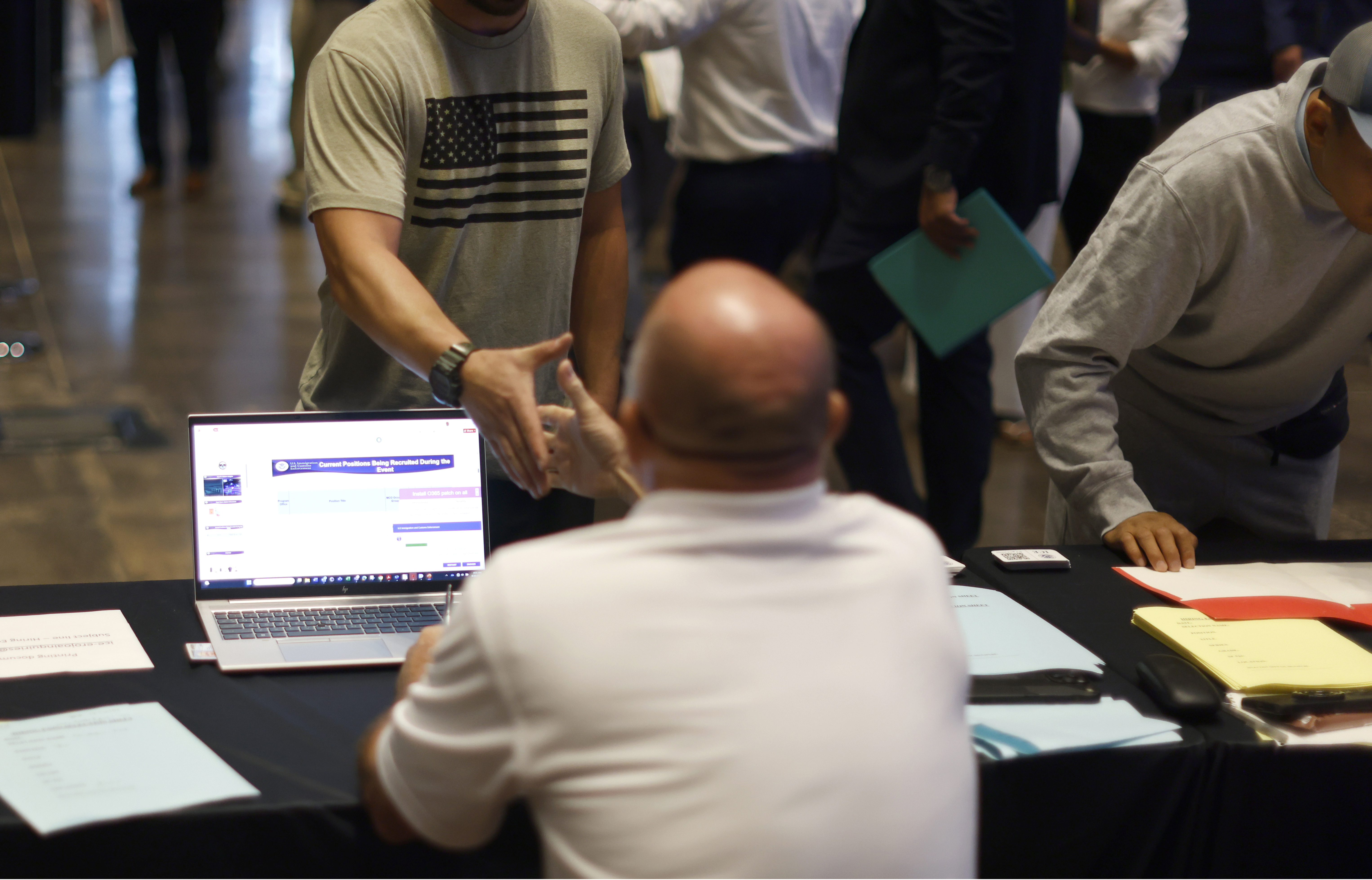
The recent fatal shootings by ICE officers in Texas and Maine come at a time when the federal agency has hired a huge number of officers quickly. Some law enforcement experts worry that this kind of a hiring spree can lead police agencies to cut corners in vetting new hires.
ICE violence against women is largely untracked. One advocacy group is working to change that.
Immigration agents with prior records of sexual and gender-based violence have drawn attention in Trump’s second term amid questions about training and vetting.
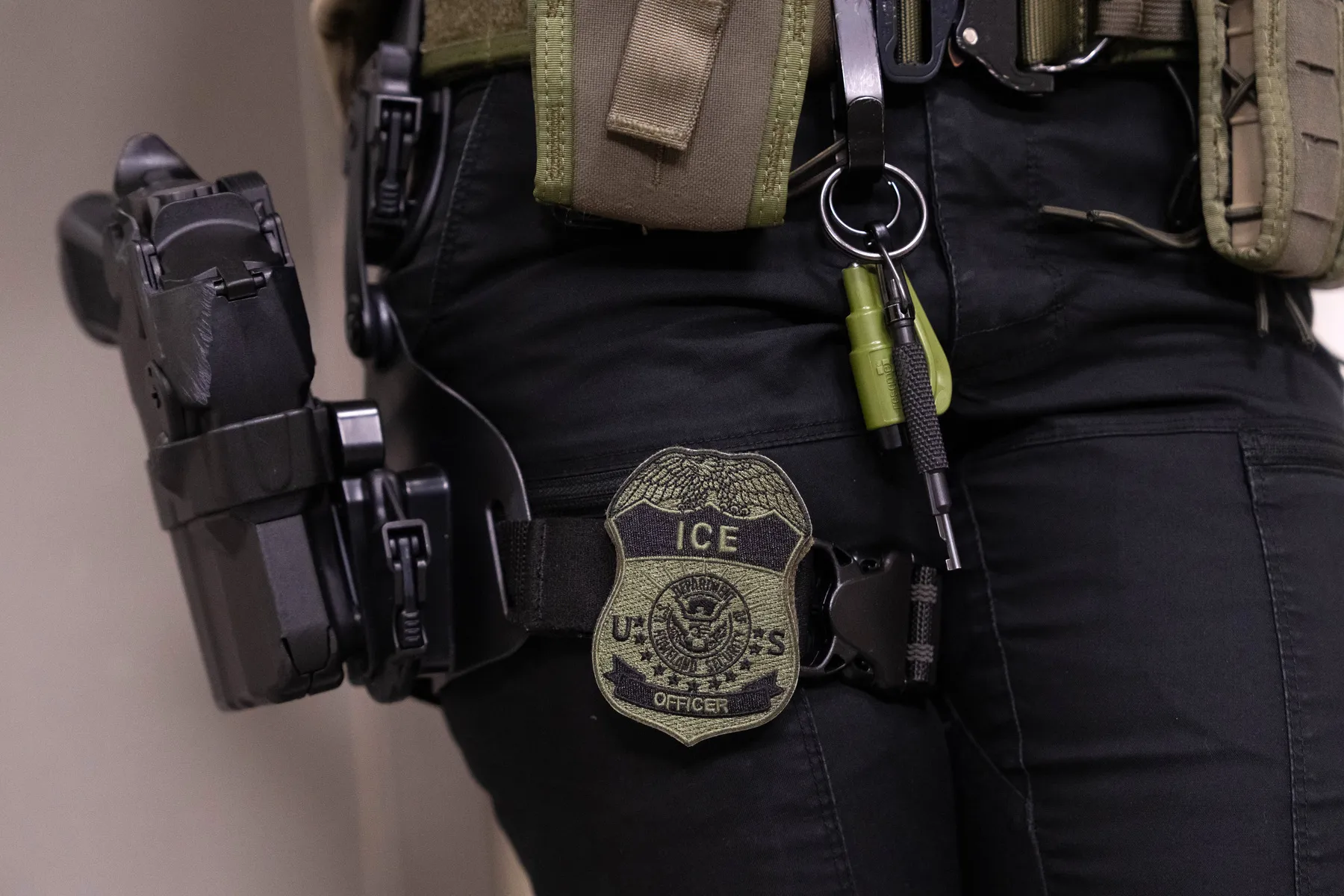
ICE Office Of Professional Responsibility Ditches ICE Oversight, Starts Hunting Down ICE Critics
ICE has already been operating like a paramilitary kidnapping squad. Officers roam through neighborhoods, stake out hardware store parking lots, and even occasionally enjoy some ethnic food just so…

ICE Agent at NYC Shooting Has History of Alleged Violence and Illegal Arrests
Brenden Cuni, an ICE supervisor, has been accused of excessive force and tackling a pregnant woman to the ground. Several of his arrests were later found to be unlawful in federal court.

Revealed: How undercover agents spied on anti-ICE protesters in Minnesota
DHS officers posed as concerned citizens, joining Signal groups and taking photos of community meetings
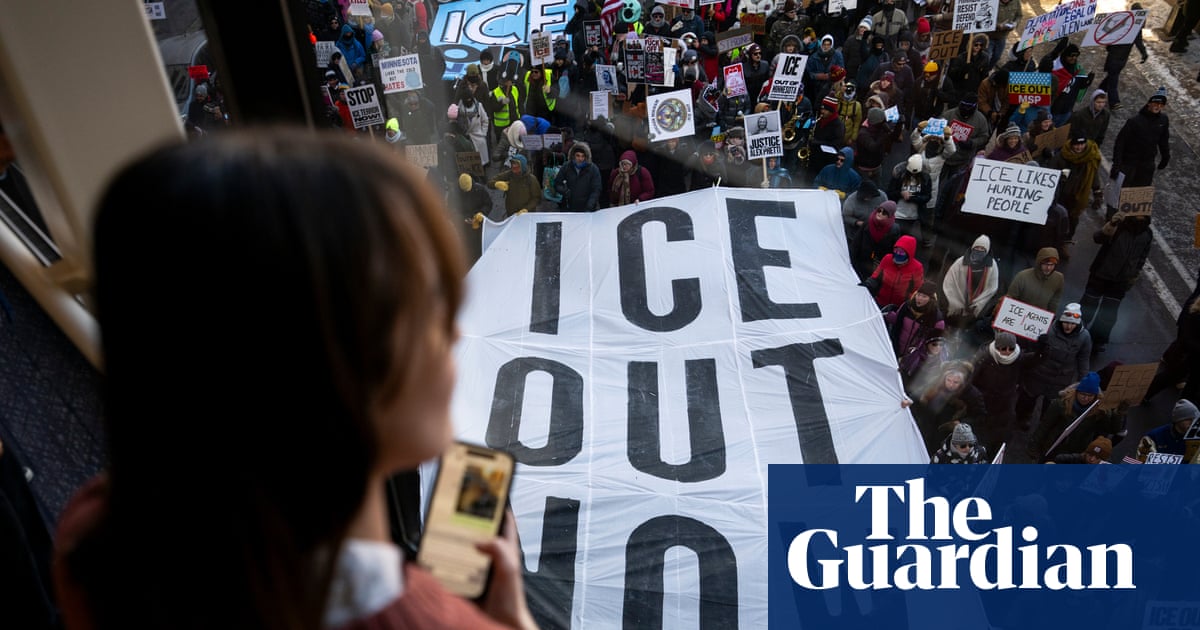
Gone in 90 seconds: an ‘invisibilized’ ICE is arresting more people than ever
After public backlash, the Trump administration changed its tactics from ‘siege’ to ‘soft feet’. Now, ICE is everywhere
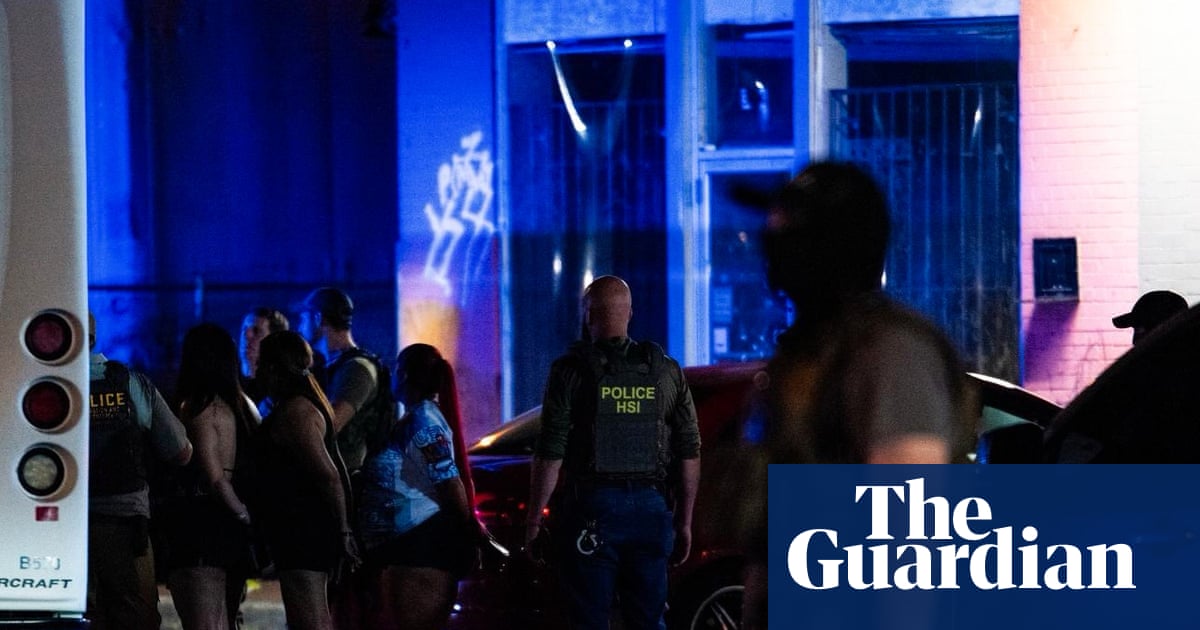
Attacks on ICE up 1,000%? Trump administration claim not backed up by court records
The Trump administration has cited a more than 1,000% increase in assaults on immigration agents to justify aggressive tactics. But court records reviewed by The Times show the majority of the alleged assaults in the areas where ICE and Border Patrol have been most active resulted in no injuries.
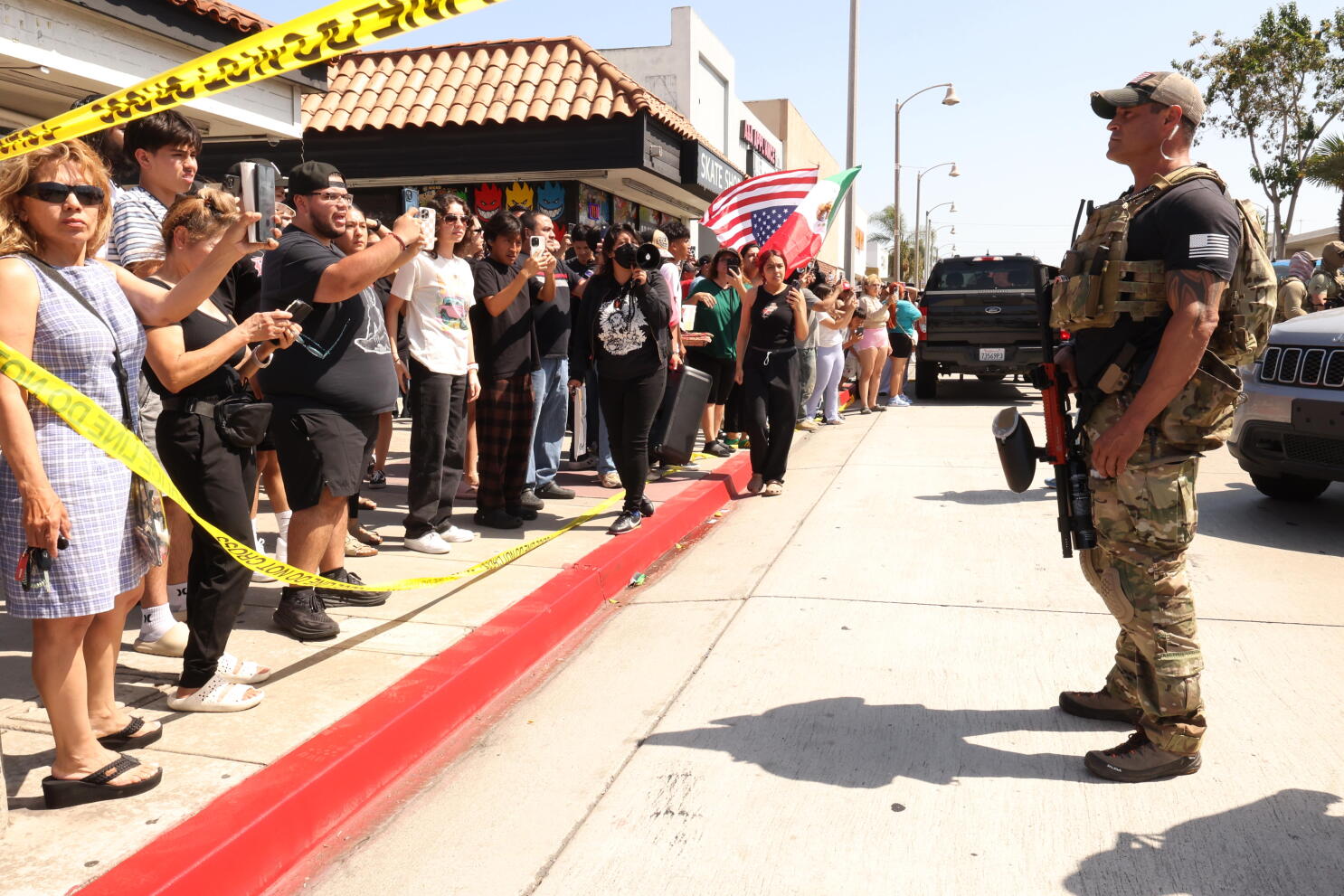
ICE intimidated, then admitted it targeted man just for his negative critique
David Streever's evaluation of ICE's Todd Lyons was harsh. But he did not say anything that could reasonably be construed as a threat of violence.
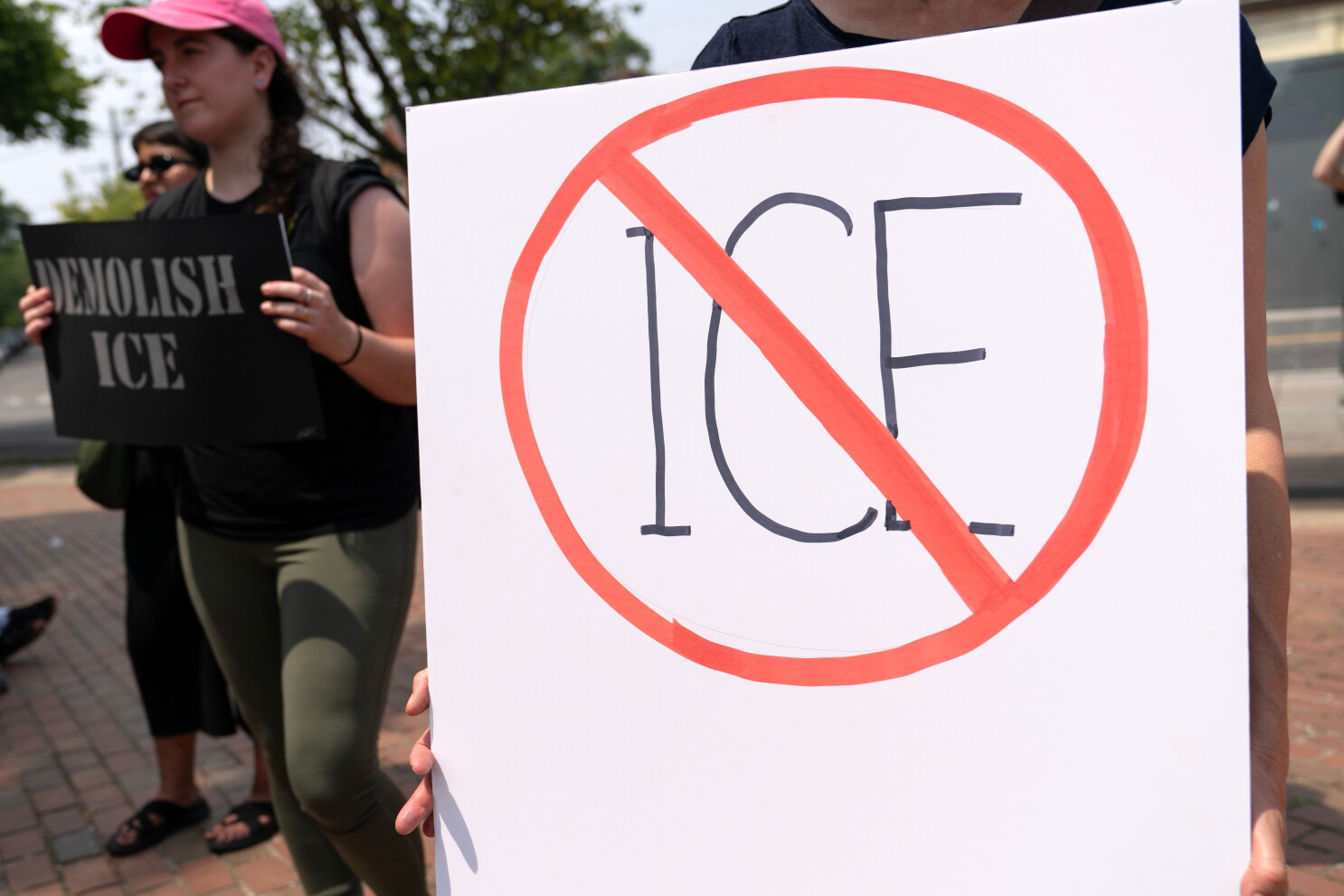
Court: The First Amendment Allows You To Tell The ICE Director He’s A ‘Sad, Despised Man’
You may recall that back in July we had the ridiculous story of how ICE decided to go all gestapo on its critics, including tracking down and threatening David Streever, who had emailed then-acting…
A Cognitive View of Policing
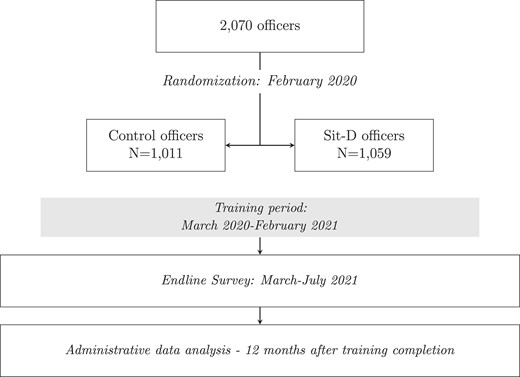
Abstract What causes adverse policing outcomes, such as excessive uses of force and unnecessary arrests? Prevailing explanations focus on problematic officers or deficient regulations and oversight. We introduce an overlooked perspective. We suggest that the cognitive demands inherent in policing can undermine officer decision making. Unless officers are prepared for these demands, they may jump to conclusions too quickly without fully considering alternative ways of seeing a situation. This can lead to adverse policing outcomes. To test this perspective, we created a new training that teaches officers to consider different ways of interpreting the situations they encounter. We evaluated this training using a randomized controlled trial with 2,070 officers from the Chicago Police Department. In a series of lab assessments, we find that treated officers were significantly more likely to consider a wider range of evidence and develop more explanations for subjects’ actions. Critically, we also find that training affected officer performance in the field, leading to reductions in uses of force, discretionary arrests, and arrests of Black civilians. Meanwhile, officer activity levels remained unchanged, and trained officers were less likely to be injured on duty. Our results highlight the value of considering the cognitive aspects of policing and demonstrate the power of using behaviorally informed approaches to improve officer decision making and policing outcomes.
ICE’s Internal Watchdog Is Now Investigating Online Critics
The Office of Professional Responsibility has opened more than 100 cases over what ICE officials call “incidents of doxing and threats” against ICE employees.

Records Reveal How Homeland Security Agents Surveilled ICE Protesters
Spokane police documents show a DHS task force officer tracing protesters’ cars, identities, and whereabouts without alleging any wrongdoing.

How to Film ICE
Filming federal agents in public is legal, but avoiding a dangerous—even deadly—confrontation isn’t guaranteed. Here’s how to record ICE and CBP agents as safely as possible and have an impact.

The Most Violent Police Force in Europe: Police Brutality in France — The World Mind
Contributing Editor Aaron Shires explores the rise in excessive use of force by French police forces and the disparate impact this has on racial minorities in France.

Ilhan Omar questions whether Trump administration has used ICE to ‘surveil’ critics
Congresswoman demands answers after a DHS agent was apparently stationed outside her Minnesota town hall
Opportunities to Improve Military Policies and Practices to Reduce Civilian Harm From Explosive Weapons in Urban Conflict
This research paper seeks to contribute to further thinking and dialogue among States and their militaries that conduct operations in urbanized environments on what more can be done to reduce civilian harm by proposing practical measures in the form of options for consideration. UNIDIR seeks to enhance knowledge on ways to reduce risks and mitigate harm to civilians from the effects of explosive weapons in urbanized environments. This research frames the issue of explosive weapons in the broader context of protection of civilians in urban conflict and focuses on multilateral operations. The research takes a comprehensive approach to civilian protection from a ‘risk reduction’ perspective—that is, seeking to understand where the risks and uncertainties lie in the entire ‘civilian protection life cycle’, recognizing that civilian harm is the cumulative effect of numerous risks and decisions made from formulating mandates, planning, execution, assessment and response to lessons learned and institutional learning. Particular focus is placed on the targeting and weaponeering processes. Citation: Roger Lane, Larry Lewis and Himayu Shiotani (2019) "Opportunities to Improve Military Policies and Practices to Reduce Civilian Harm From Explosive Weapons in Urban Conflict", UNIDIR, Geneva, Switzerland. https://doi.org/10.37559/CAAP/19/PACAV/11 TRANSLATIONS To read the report in French, click here.