A Real-Time Website Privacy Inspector
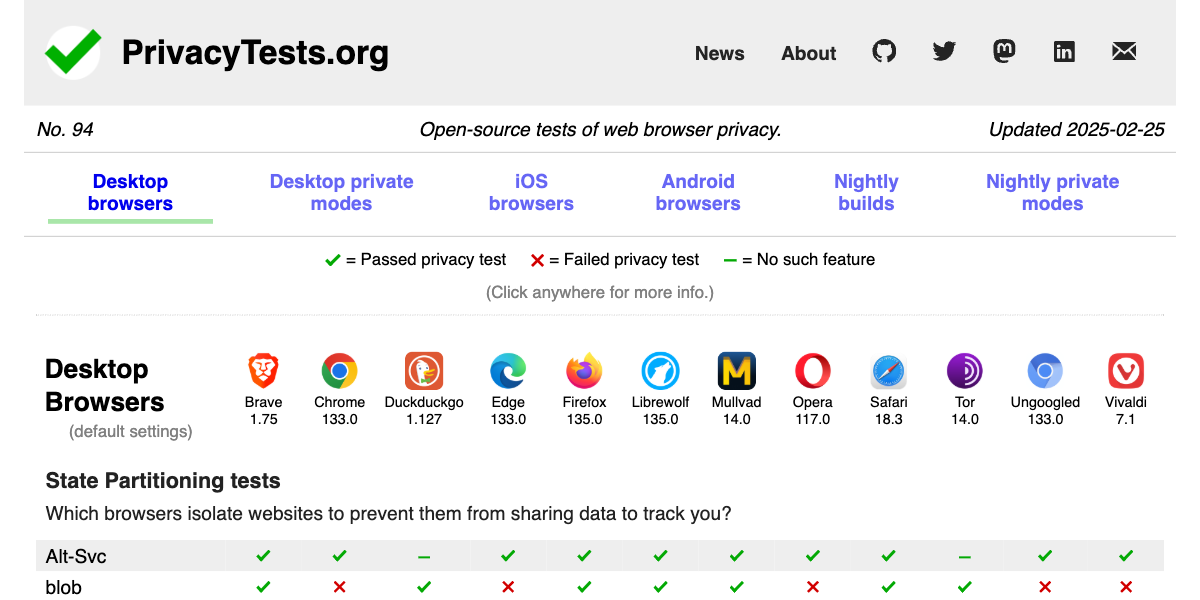
Which browsers are best for privacy?
An open-source privacy audit of popular web browsers.
The web should remain anonymous by default | The Mozilla Blog
The unique architecture of the web enables a much higher degree of user privacy than exists on other platforms. Many factors contribute to this, but an ess

Privacy Principles
Privacy is an essential part of the web. This document provides definitions for privacy and related concepts that are applicable worldwide as well as a set of privacy principles that should guide the development of the web as a trustworthy platform. People using the web would benefit from a stronger relationship between technology and policy, and this document is written to work with both.
Privacy Principles
Privacy is an essential part of the web. This document provides definitions for privacy and related concepts that are applicable worldwide as well as a set of privacy principles that should guide the development of the web as a trustworthy platform. People using the web would benefit from a stronger relationship between technology and policy, and this document is written to work with both.
A threat model for accessibility on the web - Alice
A explanation of the primary threat to accessibility on the web, and a call to action for the web standards community


Websites have a new way to spy on visitors: Analyzing their SSD activity
Telltale SSD activity can be measured in the browser using simple JavaScript.

Self-host analytics for better privacy and accuracy
Something that always annoyed me of the current state of technology is how easy and pervasive we let tracking become. Tens of connections to 3rd parties carrying Referer and Cookies just to load an article. (We give up our users to social media websites just to show a like button that looks worse anyway in a iframe than it would natively, wtf.) But I digress.
bsky.app | WhoTracks.Me
Explore the tracking landscape of bsky.app on WhoTracks.Me, revealing the most common trackers like Sentry and their impact on privacy

Click Browser: Fast. Private. Focused.
A Mac-native browser that stays out of your way—private by default, WebKit under the hood, with built-in ad & tracker blocking, Dark Mode, and on-device Apple Intelligence. Organize with Spaces, Profiles, and Peek—no telemetry, no bloat.

webXray California Privacy Audit | A Legal Minefield that Puts Users at Risk
Empirical analysis of Global Privacy Control compliance across popular websites accessed from California. Independent research by webXray.
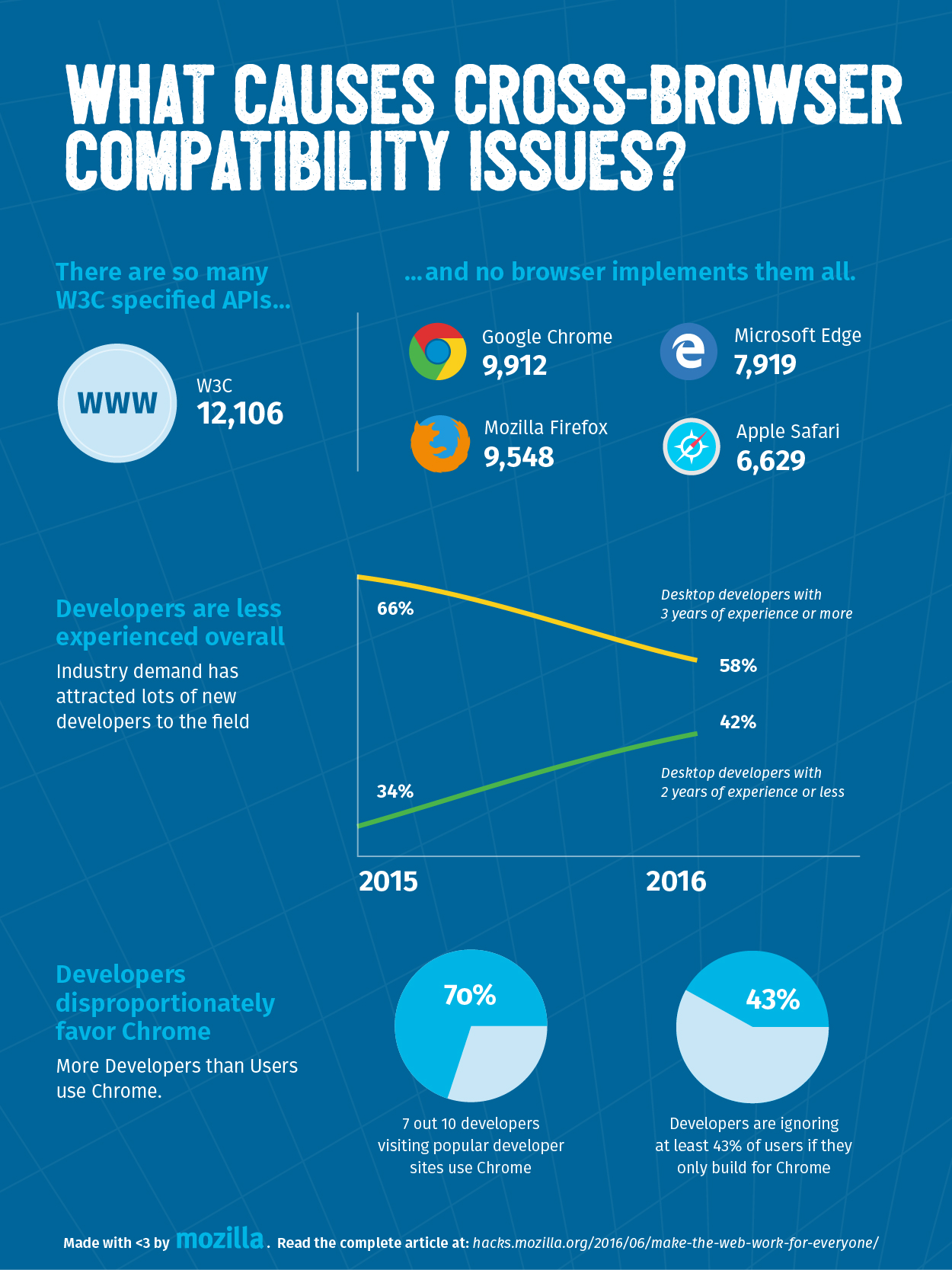
Make the Web Work For Everyone – Mozilla Hacks - the Web developer blog
Updated 2016/07/22: Commenters found a few data errors (thanks!) which have now been corrected. Millions of websites have compatibility problems on one or more of the major browsers, leading to ...
Thank you for ad blocking | thankyouforadblocking.com is a public awareness campaign focused on increasing awareness about the danger associated with online advertising.
I became interested with the topics of privacy and internet user rights more than 20 years ago in my native Finland, which at the time was toted as the first information society in the world. I was one of the first commercial internet developers, and became fascinated with the user data aspect of the internet the moment I saw awstats for the first time. It was an early server-log based web analytics solution, in the time when there were no tracking tag based solutions available. The idea of allowing 3rd-party tags on websites came later. Today it is not hard to find premium websites with more than 100 such 3rd-party tags.
The Tor Project | Privacy & Freedom Online
Defend yourself against tracking and surveillance. Circumvent censorship.