


Canada and the U.S. have partnered for decades to clean up pollution in the Great Lakes. Nipigon Bay is one of the success stories
Human Health and Ocean Pollution
Background: Pollution – unwanted waste released to air, water, and land by human activity – is the largest environmental cause of disease in the world today. It is responsible for an estimated nine million premature deaths per year, enormous economic losses, erosion of human capital, and degradation of ecosystems. Ocean pollution is an important, but insufficiently recognized and inadequately controlled component of global pollution. It poses serious threats to human health and well-being. The nature and magnitude of these impacts are only beginning to be understood.Goals: (1) Broadly examine the known and potential impacts of ocean pollution on human health. (2) Inform policy makers, government leaders, international organizations, civil society, and the global public of these threats. (3) Propose priorities for interventions to control and prevent pollution of the seas and safeguard human health.Methods: Topic-focused reviews that examine the effects of ocean pollution on human health, identify gaps in knowledge, project future trends, and offer evidence-based guidance for effective intervention.Environmental Findings: Pollution of the oceans is widespread, worsening, and in most countries poorly controlled. It is a complex mixture of toxic metals, plastics, manufactured chemicals, petroleum, urban and industrial wastes, pesticides, fertilizers, pharmaceutical chemicals, agricultural runoff, and sewage. More than 80% arises from land-based sources. It reaches the oceans through rivers, runoff, atmospheric deposition and direct discharges. It is often heaviest near the coasts and most highly concentrated along the coasts of low- and middle-income countries. Plastic is a rapidly increasing and highly visible component of ocean pollution, and an estimated 10 million metric tons of plastic waste enter the seas each year. Mercury is the metal pollutant of greatest concern in the oceans; it is released from two main sources – coal combustion and small-scale gold mining. Global spread of industrialized agriculture with increasing use of chemical fertilizer leads to extension of Harmful Algal Blooms (HABs) to previously unaffected regions. Chemical pollutants are ubiquitous and contaminate seas and marine organisms from the high Arctic to the abyssal depths.Ecosystem Findings: Ocean pollution has multiple negative impacts on marine ecosystems, and these impacts are exacerbated by global climate change. Petroleum-based pollutants reduce photosynthesis in marine microorganisms that generate oxygen. Increasing absorption of carbon dioxide into the seas causes ocean acidification, which destroys coral reefs, impairs shellfish development, dissolves calcium-containing microorganisms at the base of the marine food web, and increases the toxicity of some pollutants. Plastic pollution threatens marine mammals, fish, and seabirds and accumulates in large mid-ocean gyres. It breaks down into microplastic and nanoplastic particles containing multiple manufactured chemicals that can enter the tissues of marine organisms, including species consumed by humans. Industrial releases, runoff, and sewage increase frequency and severity of HABs, bacterial pollution, and anti-microbial resistance. Pollution and sea surface warming are triggering poleward migration of dangerous pathogens such as the Vibrio species. Industrial discharges, pharmaceutical wastes, pesticides, and sewage contribute to global declines in fish stocks.Human Health Findings: Methylmercury and PCBs are the ocean pollutants whose human health effects are best understood. Exposures of infants in utero to these pollutants through maternal consumption of contaminated seafood can damage developing brains, reduce IQ and increase children’s risks for autism, ADHD and learning disorders. Adult exposures to methylmercury increase risks for cardiovascular disease and dementia. Manufactured chemicals – phthalates, bisphenol A, flame retardants, and perfluorinated chemicals, many of them released into the seas from plastic waste – can disrupt endocrine signaling, reduce male fertility, damage the nervous system, and increase risk of cancer. HABs produce potent toxins that accumulate in fish and shellfish. When ingested, these toxins can cause severe neurological impairment and rapid death. HAB toxins can also become airborne and cause respiratory disease. Pathogenic marine bacteria cause gastrointestinal diseases and deep wound infections. With climate change and increasing pollution, risk is high that Vibrio infections, including cholera, will increase in frequency and extend to new areas. All of the health impacts of ocean pollution fall disproportionately on vulnerable populations in the Global South – environmental injustice on a planetary scale.Conclusions: Ocean pollution is a global problem. It arises from multiple sources and crosses national boundaries. It is the consequence of reckless, shortsighted, and unsustainable exploitation of the earth’s resources. It endangers marine ecosystems. It impedes the production of atmospheric oxygen. Its threats to human health are great and growing, but still incompletely understood. Its economic costs are only beginning to be counted.Ocean pollution can be prevented. Like all forms of pollution, ocean pollution can be controlled by deploying data-driven strategies based on law, policy, technology, and enforcement that target priority pollution sources. Many countries have used these tools to control air and water pollution and are now applying them to ocean pollution. Successes achieved to date demonstrate that broader control is feasible. Heavily polluted harbors have been cleaned, estuaries rejuvenated, and coral reefs restored.Prevention of ocean pollution creates many benefits. It boosts economies, increases tourism, helps restore fisheries, and improves human health and well-being. It advances the Sustainable Development Goals (SDG). These benefits will last for centuries.Recommendations: World leaders who recognize the gravity of ocean pollution, acknowledge its growing dangers, engage civil society and the global public, and take bold, evidence-based action to stop pollution at source will be critical to preventing ocean pollution and safeguarding human health.Prevention of pollution from land-based sources is key. Eliminating coal combustion and banning all uses of mercury will reduce mercury pollution. Bans on single-use plastic and better management of plastic waste reduce plastic pollution. Bans on persistent organic pollutants (POPs) have reduced pollution by PCBs and DDT. Control of industrial discharges, treatment of sewage, and reduced applications of fertilizers have mitigated coastal pollution and are reducing frequency of HABs. National, regional and international marine pollution control programs that are adequately funded and backed by strong enforcement have been shown to be effective. Robust monitoring is essential to track progress.Further interventions that hold great promise include wide-scale transition to renewable fuels; transition to a circular economy that creates little waste and focuses on equity rather than on endless growth; embracing the principles of green chemistry; and building scientific capacity in all countries.Designation of Marine Protected Areas (MPAs) will safeguard critical ecosystems, protect vulnerable fish stocks, and enhance human health and well-being. Creation of MPAs is an important manifestation of national and international commitment to protecting the health of the seas.

The Case for Filling in Lake Merritt
After a century of short-sighted city-building, is this our best bet?

US drinking water quality: exposure risk profiles for seven legacy and emerging contaminants
Advances in drinking water infrastructure and treatment throughout the 20th and early 21st century dramatically improved water reliability and quality in the United States (US) and other parts of the world. However, numerous chemical contaminants from a range of anthropogenic and natural sources continue to pose chronic health concerns, even in countries with established drinking water regulations, such as the US.
Characterizing the Areal Extent of PFAS Contamination in Fish Species Downgradient of AFFF Source Zones
Abstract. Most monitoring programs next to large per- and polyfluoroalkyl substances (PFAS) sources focus on drinking water contamination near source zones
Dam Removals Are Bringing Fish Back Across the Northeastern United States, Striking Down One Tiny Barrier at a Time
While the demolition of big dams in the West gets more attention, many of these often-obsolete obstructions are also coming out of northeastern streams and rivers—and herring are returning in droves

East bay heritage : a potpourri of living history | WorldCat.org
Great Pacific Garbage Patch
The Great Pacific Garbage Patch is a garbage patch, a gyre of marine debris particles, in the central North Pacific Ocean. It is located roughly from 135°W to 155°W and 35°N to 42°N. The collection of plastic and floating trash originates from the Pacific Rim, including countries in Asia, North America, and South America.

Treatment Processes Reported by US Public Water Systems (2004-2020)
This repository holds records on treatment processes and objectives reported by United States (US) public water systems from 2004-2020. These data were obtained via a Freedom of Information Act request made to the US Environmental Protection Agency in June 2020. Data were reported quarterly. Please refer to the associated publication (Liddie et al., 2026) for additional details on these data. Please cite both this repository and the publication if you use or refer to these data.
Replication Data for: Characteristics of 'Early Adopters' of Water Treatment Capacity Needed to Remove PFAS and other Emerging Contaminants in the United States
This repository holds replication datasets for the study titled, "Characteristics of 'Early Adopters' of Water Treatment Capacity Needed to Remove PFAS and other Emerging Contaminants in the United States." Additional information is available in the readme file for download.
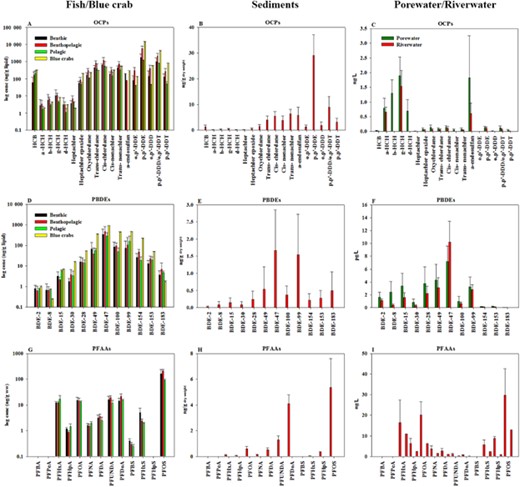
Uptake of hydrophobic organic compounds, including organochlorine pesticides, polybrominated diphenyl ethers, and perfluoroalkyl acids in fish and blue crabs of the lower Passaic River, New Jersey, USA
Abstract . The bioavailability and bioaccumulation of sedimentary hydrophobic organic compounds (HOCs) is of concern at contaminated sites. Passive sampler
2025 Water Quality Report: Statesville Water Quality Report Released – All State & Federal Standards Met
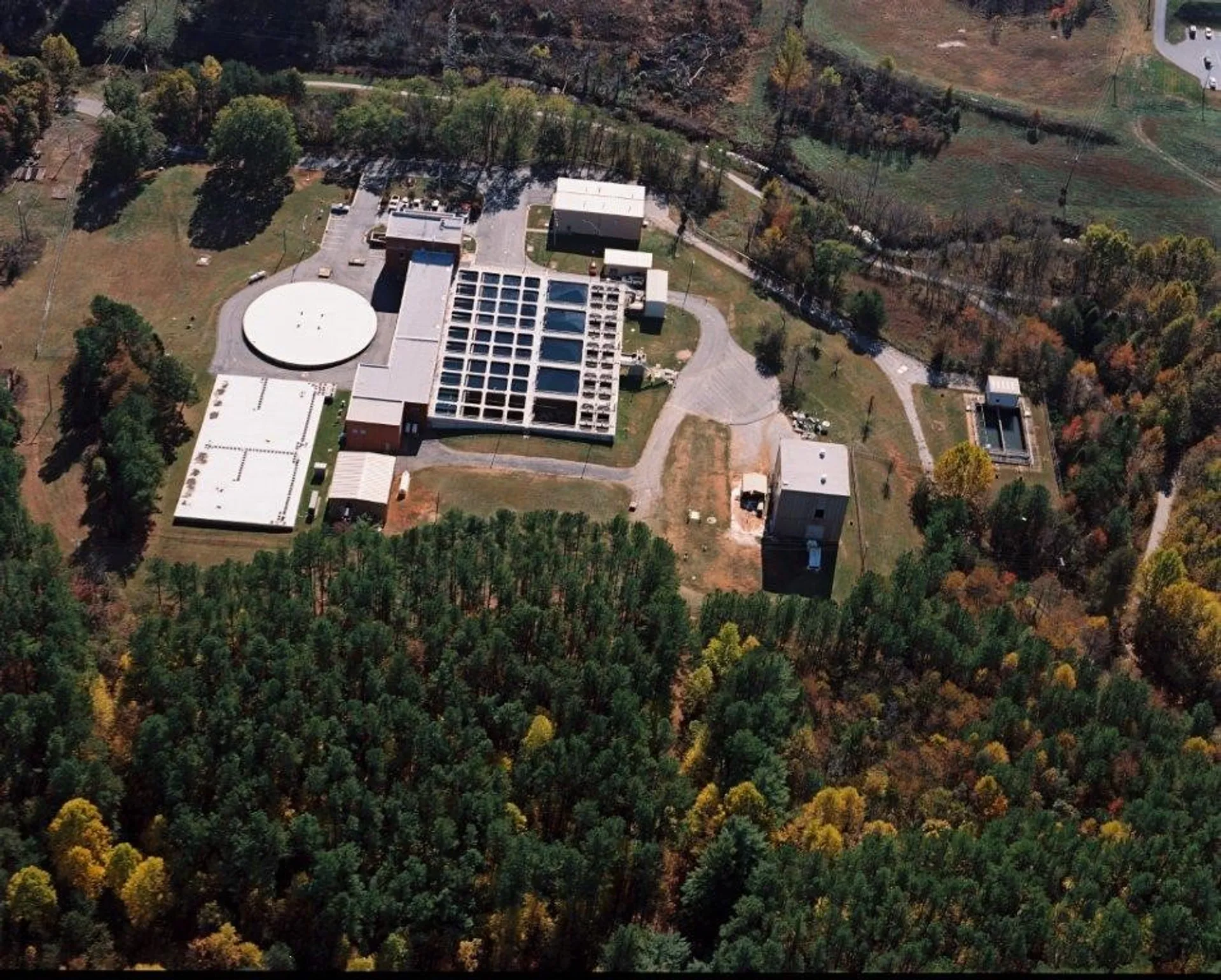
The City of Statesville has released its 2025 Water Quality Report, confirming that the City’s drinking water meets or exceeds all health standards set by the U.S. Environmental Protection Agency (EPA) and the North Carolina Department of Environmental and Natural Resources (DENR).
A Call for a Unified Database to Address Exposure Disparities in the United States
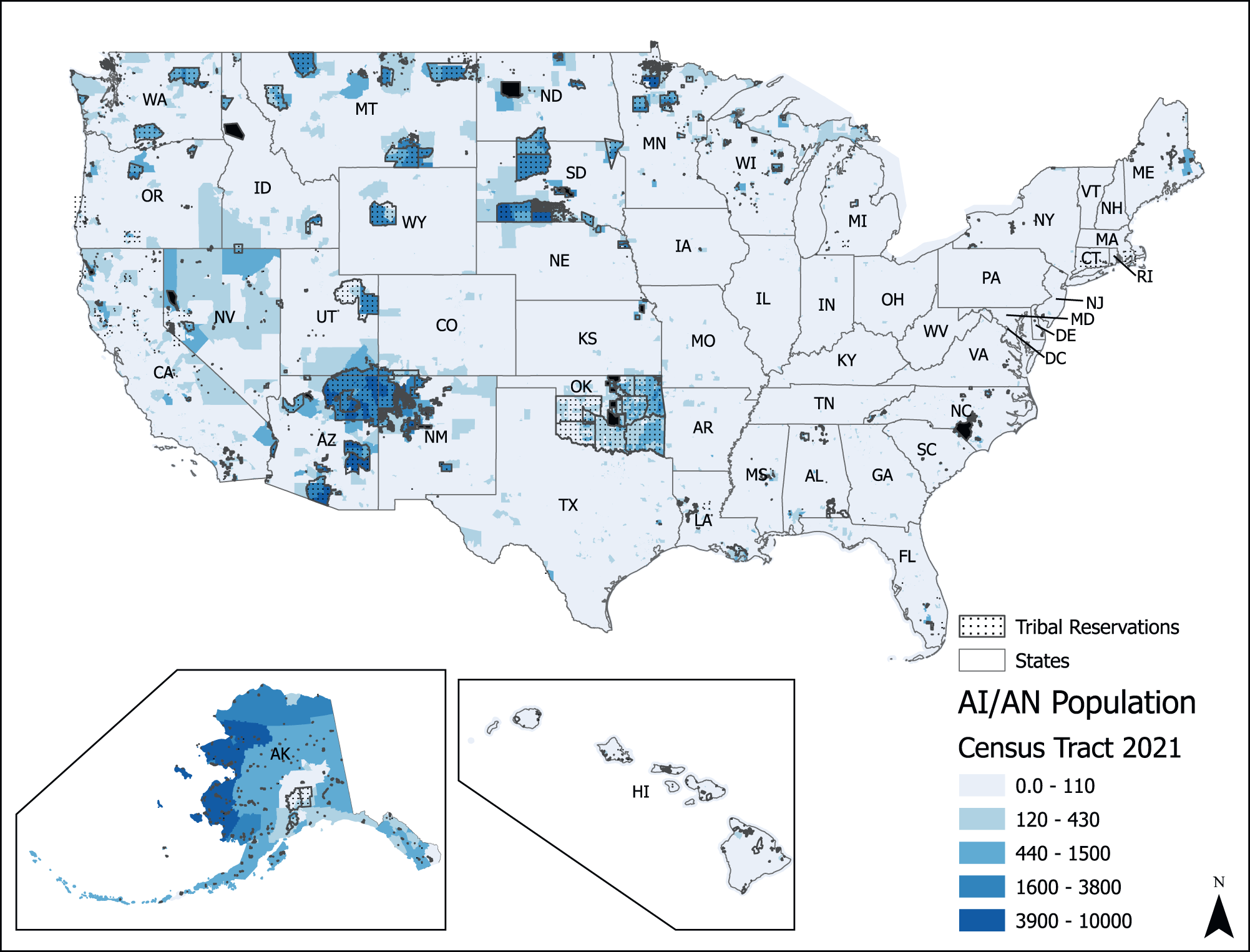
United States (US) drinking water quality is federally regulated under the Safe Drinking Water Act (SDWA) with the goal of ensuring clean, safe drinking water for the entire population. However, siting of pollution point sources in historically redlined communities with lower socioeconomic status and higher proportions of people of color adversely affects drinking water quality. Prior studies show higher concentrations of a suite of contaminants in small PWS, PWS in rural areas, and PWS serving greater proportions of people of color. Drinking water crises in Flint, Michigan (ca. 2014) and Jackson, Mississippi (ca. 2022) are visible examples of a chronic and widespread pattern of elevated exposures in certain communities. Comprehensive state monitoring data produced as part of compliance with the SDWA are presently not accessible to the public. Further, metadata on water treatment technology and sociodemographic composition of customers served are lacking. Here we argue that improving data transparency is essential for spearheading action to address exposure disparities. We propose the creation of a unified national public database on water quality, treatment technology, and customer metadata with accompanying visualizations for the public that leverage new AI tools. Public action to address exposure disparities gained momentum over the last 30 years but was halted abruptly in 2025. Therefore, new partnerships are urgently needed to continue the pursuit of environmental justice.,

Trump floats renaming Lake Ontario to ‘Lake America’ as feud with Canada escalates | CNN Politics
President Donald Trump on Tuesday escalated his feud with Canadian leaders, suggesting the United States is considering renaming Lake Ontario to “Lake America” as tensions between the two countries rise amid an ongoing trade war.

Meta’s Bacterial Mystery Could Poison the Data Center Well
Water pollution in Wyoming has big implications for the future of data center development.

Trump signs order to rename Lake Ontario to Lake America
Canada has rejected the new name of the lake, which straddles both countries, as their row deepens.
