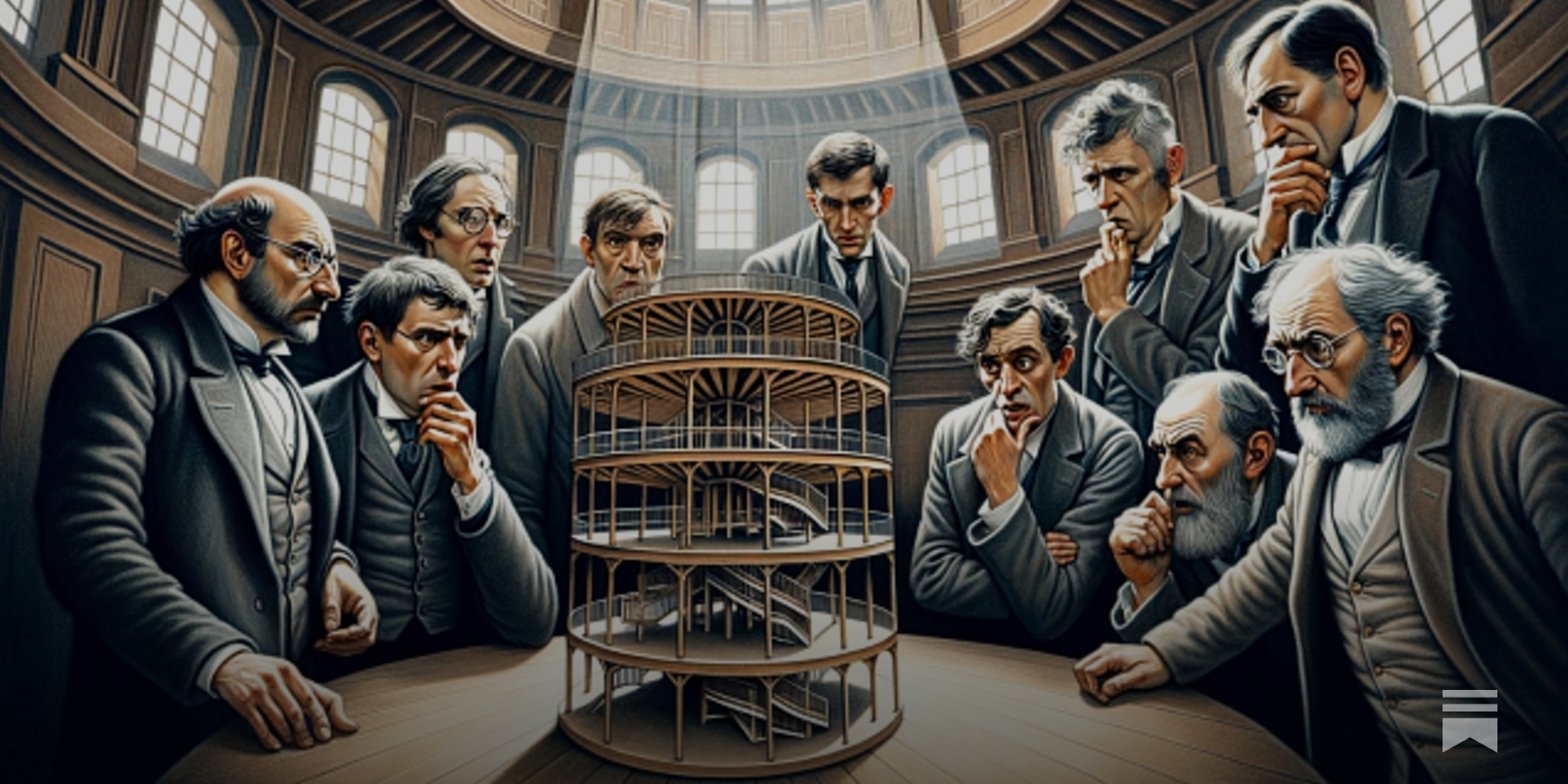
The physics of the supply side

Ways to think about token pricing — Benedict Evans
AI is in a supply crunch today, but what happens when we come out of it? How and where will supply, demand, price, capacity and capex get back into equilibrium? Today, model labs can name their price, but why won’t they end up as low-margin commodity infrastructure?

interfluidity » The great game of global public goods provision
War is bad. Excuses should not be made for it. All sides should work to end this and every war as quickly as possible and shift to modes of bargaining and competition that are not profoundly destructive.
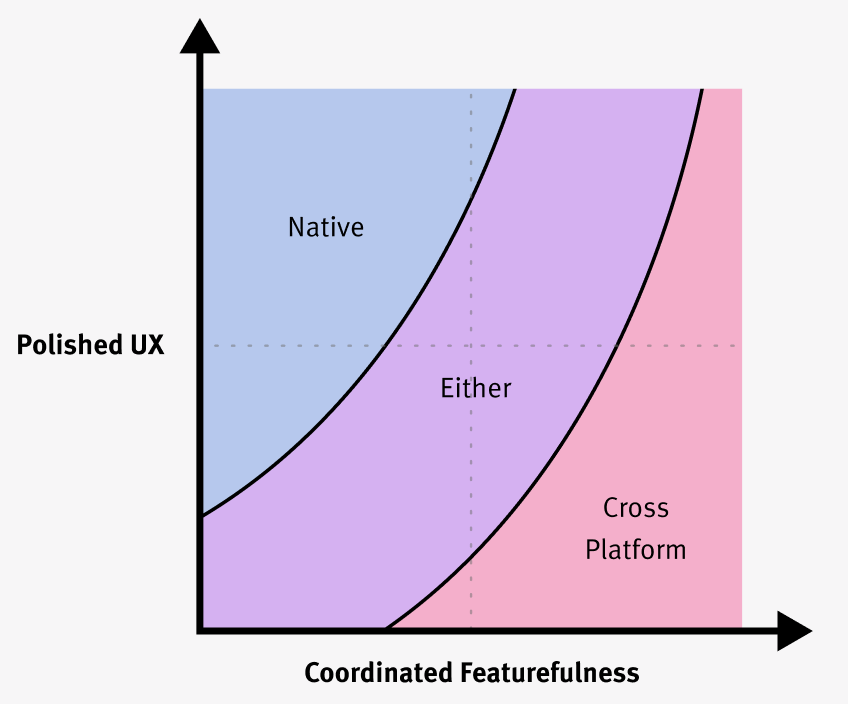
Collapse OS — Bootstrap post-collapse technology
I expect our global supply chain to collapse before we reach 2030. With this collapse, we won't be able to produce most of our electronics because their production depends on a very complex supply chain that we won't be able to achieve again for decades (ever?).
What will be scarce?
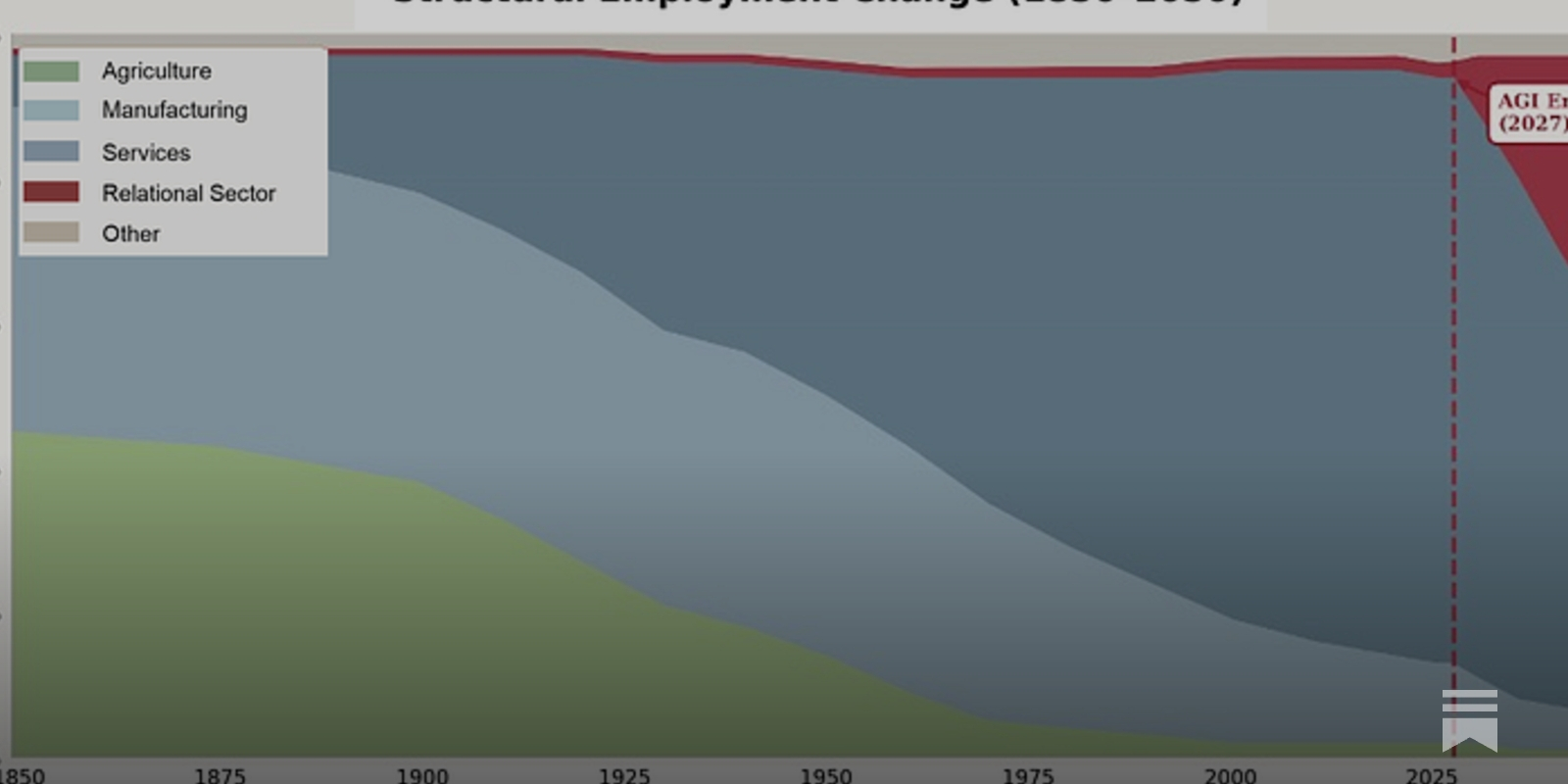
The economics of structural change and the post-commodity future of work


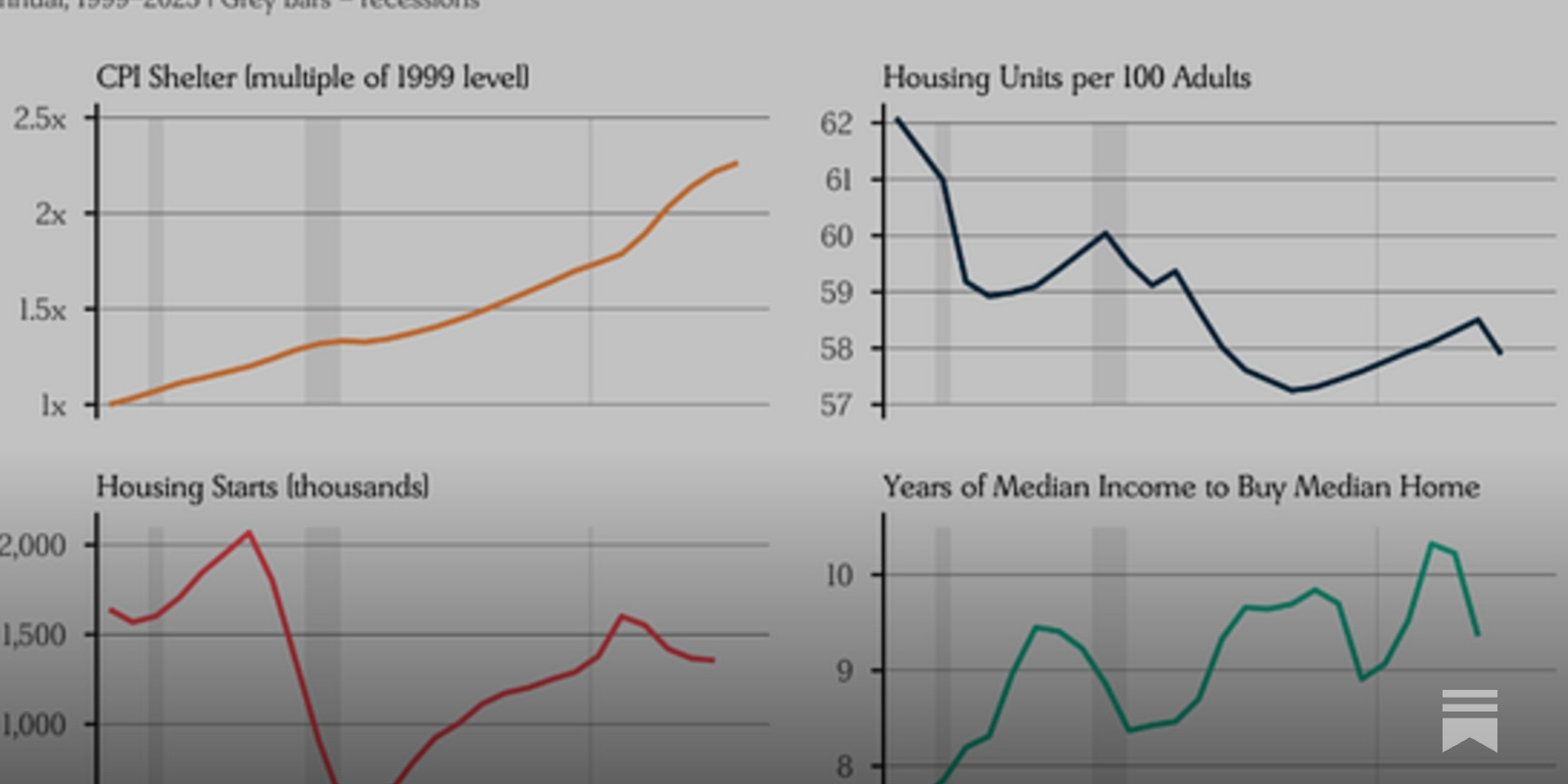
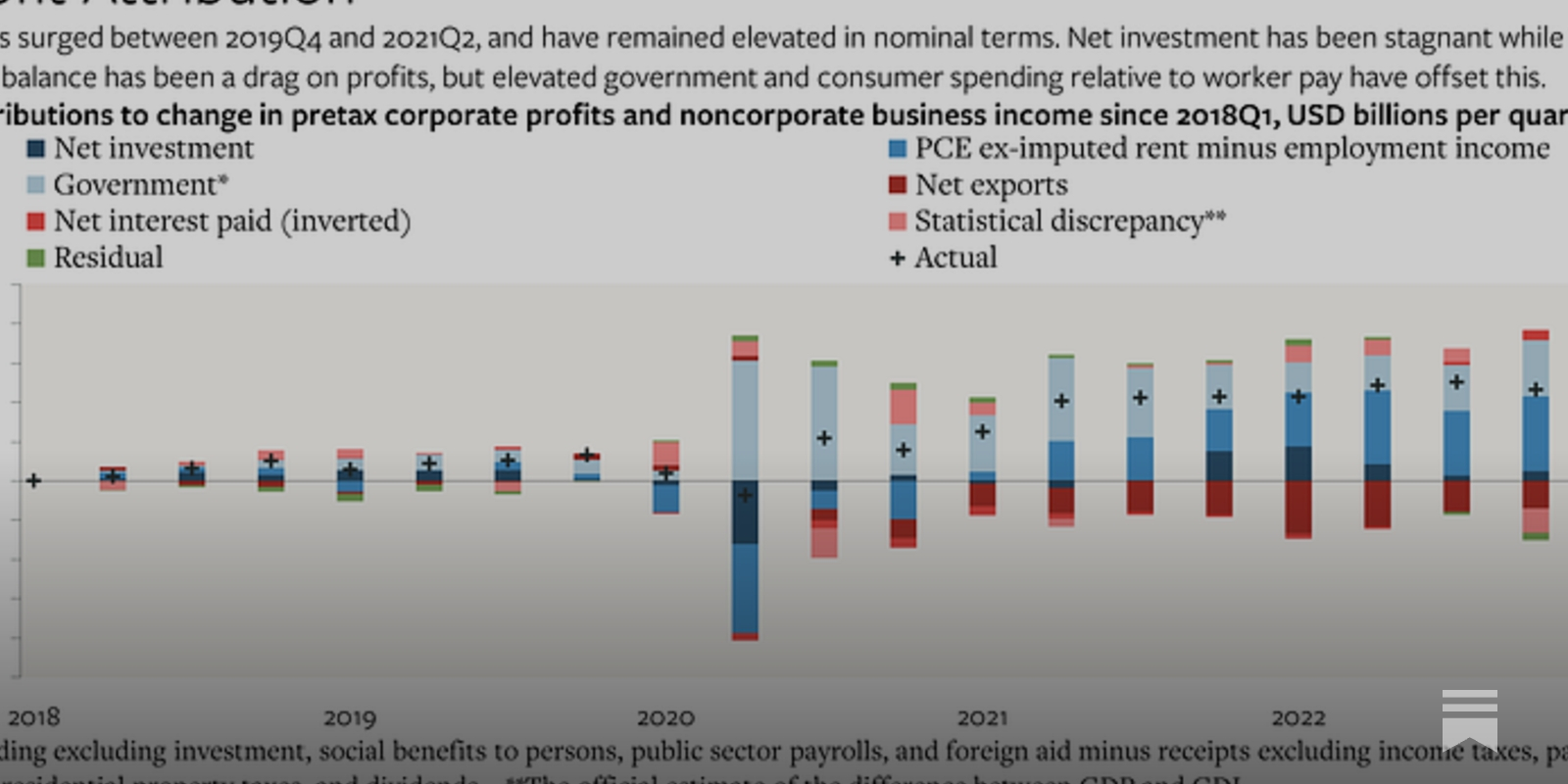
"Greedflation" and the Profits Equation
The assumption behind the "greedflation" thesis is that companies are choosing to squeeze volumes because they care more about unit margins than total profits. There are other possibilities.
Jevons paradox
In economics, the Jevons paradox, or Jevons effect, is said to occur when technological improvements that increase the efficiency of a resource's use lead to a rise, rather than a fall, in total consumption of that resource. Greater efficiency reduces the amount of the resource needed per application, lowering its effective cost; if demand is sufficiently price elastic, this induces demand, frequently resulting in a net increase of total resource consumption.

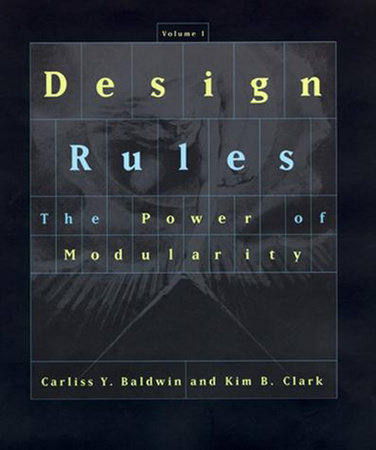
Design Rules, Volume 1: The Power of Modularity
We live in a dynamic economic and commerical world, surrounded by objects of remarkable complexity and power. In many industries, changes in products and t
We used to get excited about technology. What happened?
Innovation that truly serves us all is in scarce supply. That’s a problem.

A Practical Model for Jobs To Be Done (JTBD)
“People don’t want a quarter-inch drill, they want a quarter-inch hole” – Theodore Levitt The concept of jobs to be done provides a lens through which to understand value creation. The approach loo…

Power: A Primer for Perplexed Economists
Let's Assume an Unfettered Marketplace of Ideas! Or Actually, Let's Not.