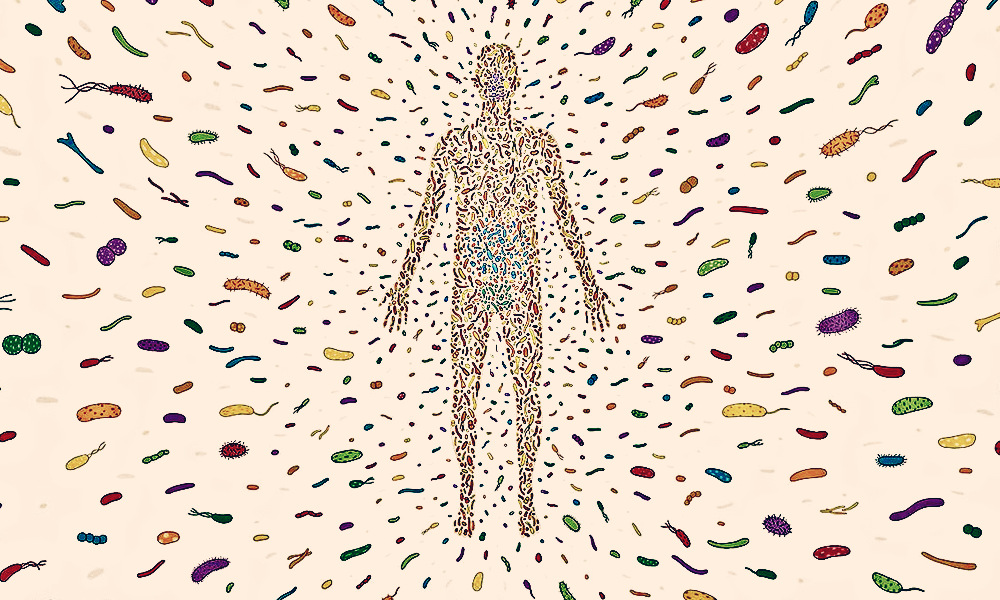
A survey of over 300 years of microbiome research.
Scientists bust myth that our bodies have more bacteria than human cells
Decades-old assumption about microbiota revisited.

Scientists Have Made a Human Microbiome From Scratch - Slashdot
To better understand how microbes affect our health, researchers combined 119 species of bacteria naturally found in the human body. From a report: Our bodies are home to hundreds or thousands of species of microbes -- nobody is sure quite how many. That's just one of many mysteries about the so-cal...

Persistence pays off in the human gut microbiome
The human gut microbiome is a complex community of trillions of microbes that are constantly interacting with each other and our bodies. It supports our wellbeing, immune system and mental health—but ...

Human microbiome myths and misconceptions
Over the past two decades, interest in human microbiome research has increased exponentially. Regrettably, this increased activity has brought with it a degree of hype and misinformation, which can undermine progress and public confidence in the research. Here we highlight selected human microbiome myths and misconceptions that lack a solid evidence base. By presenting these examples, we hope to draw increased attention to the implications of inaccurate dogma becoming embedded in the literature, and the importance of acknowledging nuance when describing the complex human microbiome.
Human microbiome churns out thousands of tiny novel proteins
The bacteria in and on our bodies make thousands of tiny, previously unidentified proteins that could shed light on human health and advance drug development, Stanford researchers have found.

Microbiomes raise privacy concerns
DNA from microbes living on the human body can be used to identify individuals.

Blood type co-determines composition of the gut microbiome
For several years, scientists worldwide have been investigating the extent to which microorganisms living in and on the human body influence central life processes and thus health and disease. Today they ...

Is There a Brain Microbiome? - Slashdot
An anonymous reader quotes an opinion piece from The Guardian, written by Prof Mark Pallen and Dr Aimee Parker (Quadram Institute, Norwich), Prof Nick Loman (University of Birmingham), Prof Alan Walker (University of Aberdeen): Contrary to what is implied in [this article], the weight of expert opin...

How Bacteria Rule Over Your Body – The Microbiome
Researchers find connection between household chemicals and gut microbiome
A team of researchers for the first time has found a correlation between the levels of bacteria and fungi in the gastrointestinal tract of children and the amount of common chemicals found in their home ...

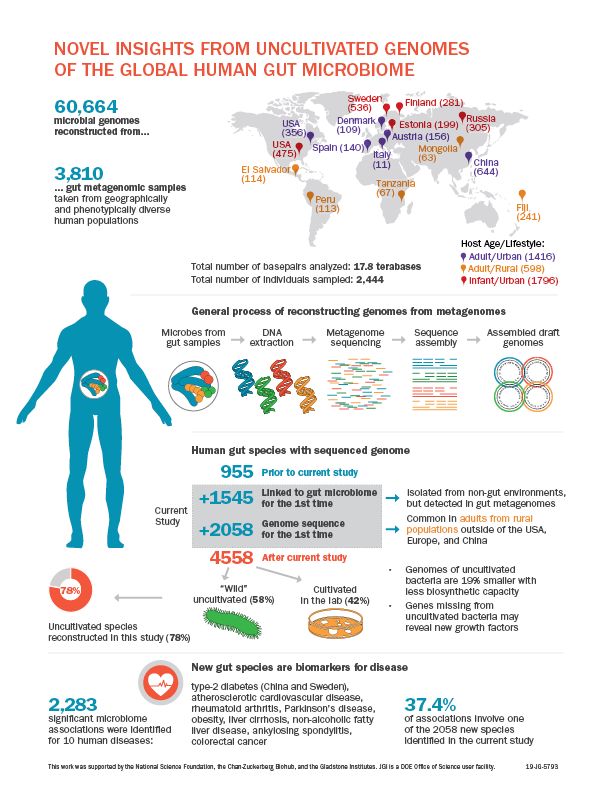
Uncovering Uncultivated Microbes in the Human Gut
Previous studies have estimated that only 50 percent of species in the gut microbiome have a sequenced genome, in part because many species have not yet been cultivated for study.
The connection between soil microbiomes and gut microbiomes
The health of all life on this planet is predicated on communities of minuscule microorganisms working in tandem

Scientists think they’ve found 1,952 new species living in our poop
Computers, poop, and years of research: it’s a combination leading scientists to an unprecedented understanding of the microbial communities in our intestines.
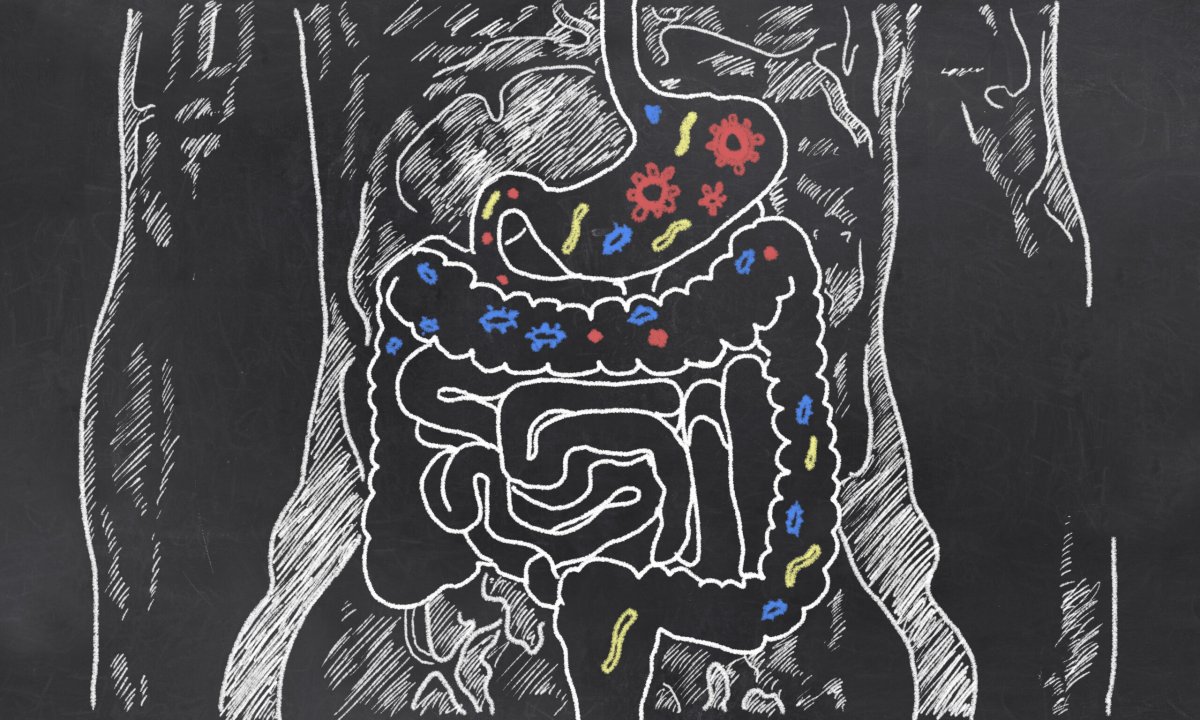
Microbiologist tries at-home test kits to see what they reveal about microbiome
You and the trillions of microbes in your gut can live in harmony.
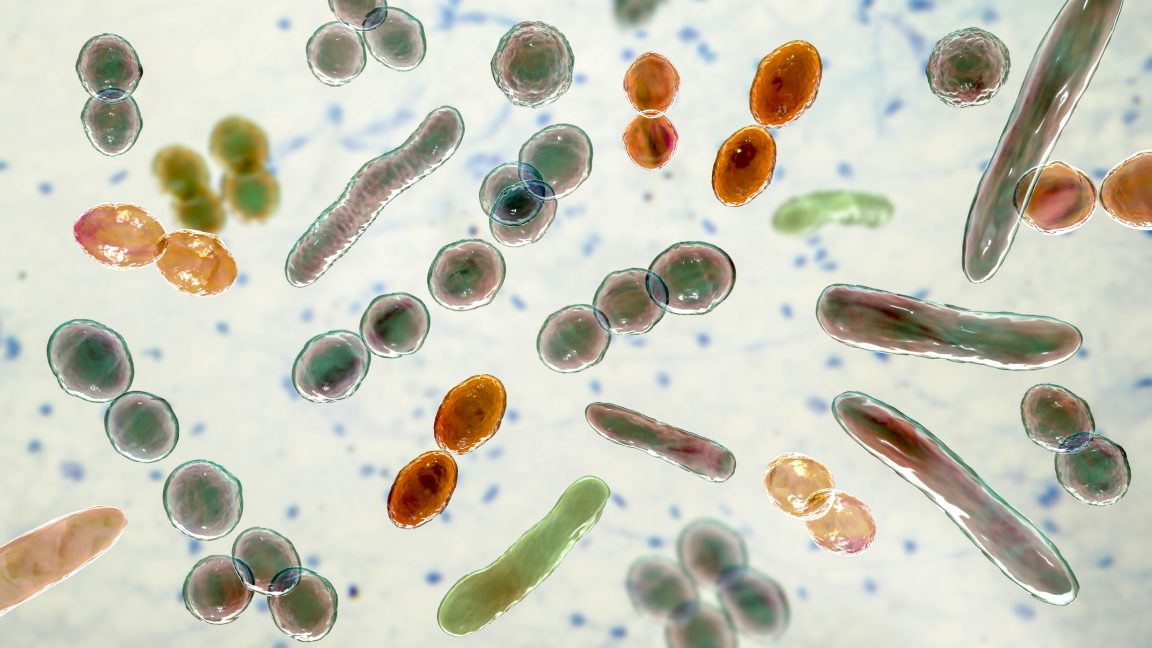
Gut microbiome atlas maps how bacteria establish themselves and shift in inflammatory bowel disease
Researchers created a microbiome-wide atlas mapping more than seven million colonization factor genes across 4,716 human gut microbial species, revealing three putative strategies linked to metabolism, stress resistance, and microbial communication. Applying the framework to inflammatory bowel disease showed that colonization-factor profiles can provide a compact, biologically interpretable view of disease-associated microbiome changes.
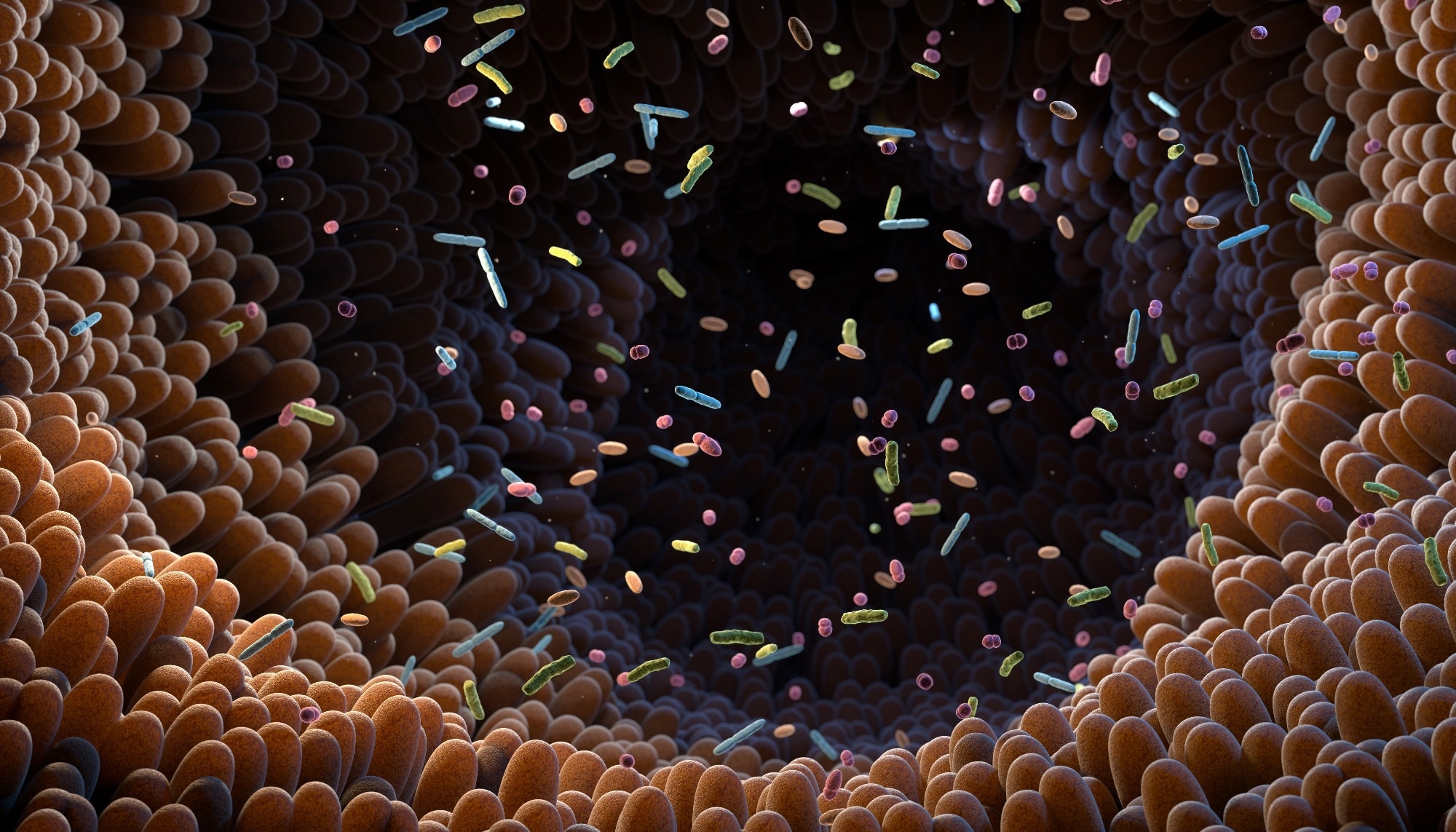
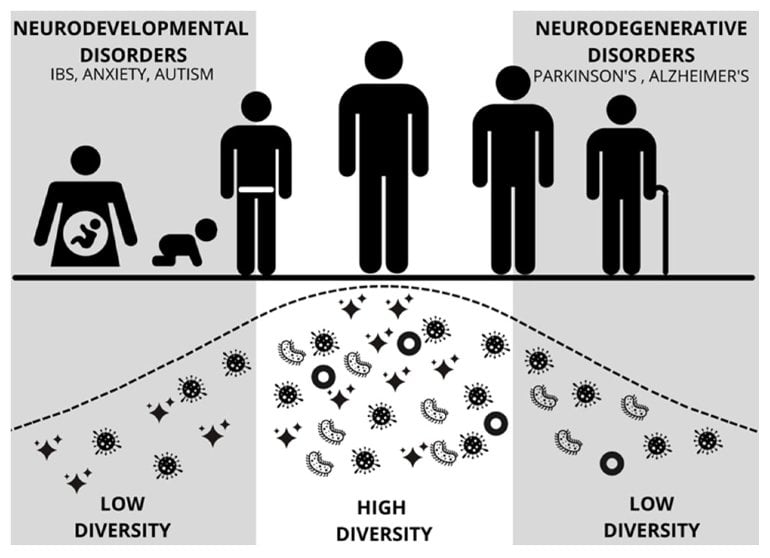
Research That Potentially Links Autism and Brain-Gut Microbiome - Neuroscience News
A new review of almost 200 publications suggests the gut microbiota may play a critical role in modulating brain function, social behavior and other symptoms of autism.