

In order to preserve nihilism as a meaningful concept, it's necessary to distinguish it from pessimism, cynicism, and apathy.
Optimistic Nihilism | Ryan Dahl
This post is in response to the Optimistic Nihilism video by Kurzgesagt. Optimistic Nihilism perfectly describes my perspective on life and the universe. I want to add my interpretation of the philosophy and spice it up with some science fiction ideas.
The sad decline of effective altruism
A once wholesome and inspiring movement has become entangled with cults and has lost years chasing dead-end ideas

Technology is Not Values Neutral: Ending the Reign of Nihilistic Design
We fail to take tech seriously when we do not grasp its full impact on humans

#1292 Nima Bassiri: Capitalism, Psychiatry, and the Emergence of Pathological Value
Dandelion
Find and host soulful · regenerative · metamodern · participatory · conscious · transformative · holistic · ethical events and co-created gatherings

Noumenon
In philosophy, a noumenon (/ˈnuːmənɒn/, /ˈnaʊ-/; from Ancient Greek: νοούμενoν; pl.: noumena) is knowledge[1] posited as an object that exists independently of human sense.[2] The term noumenon is generally used in contrast with, or in relation to, the term phenomenon, which refers to any object of the senses. Immanuel Kant first developed the notion of the noumenon as part of his transcendental idealism, suggesting that while we know the noumenal world to exist because human sensibility is merely receptive, it is not itself sensible and must therefore remain otherwise unknowable to us.[3] In Kantian philosophy, the noumenon is often associated with the unknowable "thing-in-itself" (German: Ding an sich). However, the nature of the relationship between the two is not made explicit in Kant's work, and remains a subject of debate among Kant scholars as a result.
The downside of being happy
Nobody likes to be sad, but it can have a powerful and positive effect.

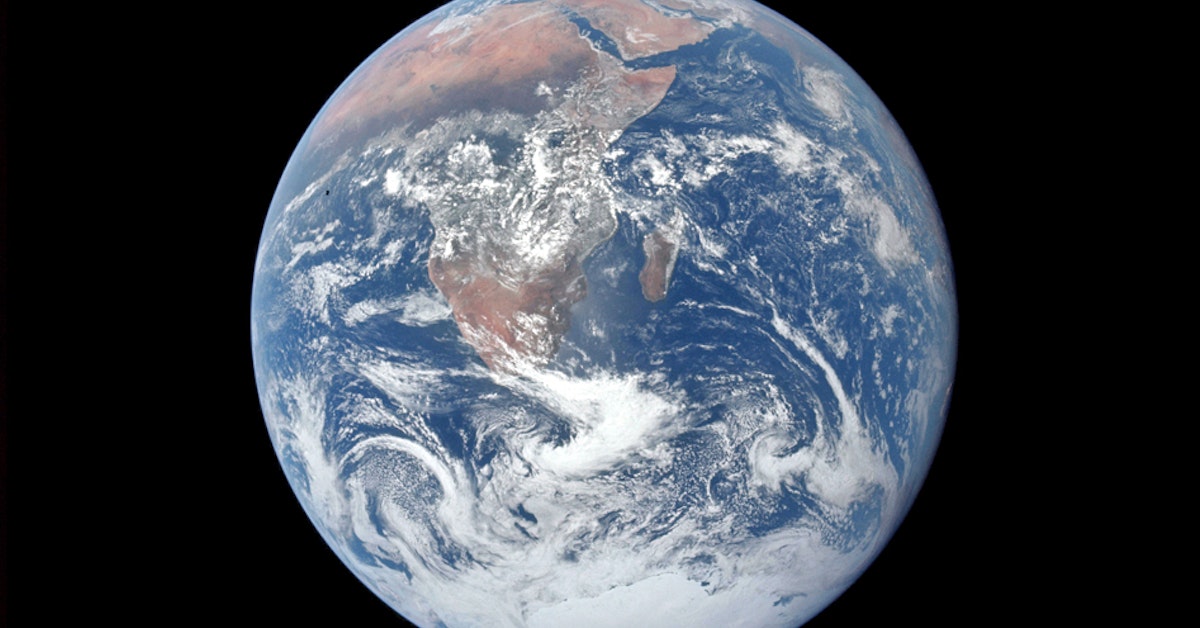
The Origins Of <br>‘Planetary Realism’ And <br>‘Whole Earth’ Thinking | NOEMA
There is no escaping an interconnected world.
How to think like a Hegelian | Psyche Guides
For Hegel, your thoughts aren’t trapped in a cerebral box: they act on the world, making meaning and expressing your freedom

What Is It Like to Be a Bat?
"What Is It Like to Be a Bat?" is a paper by American philosopher Thomas Nagel, first published in The Philosophical Review in October 1974, and later in Nagel's Mortal Questions (1979). The paper presents several difficulties posed by phenomenal consciousness, including the potential insolubility of the mind–body problem owing to "facts beyond the reach of human concepts", the limits of objectivity and reductionism, the "phenomenological features" of subjective experience, the limits of human imagination, and what it means to be a particular, conscious thing.

What neurodivergent people really think about the words used to describe them
Research reveals a clear preference for how neurodivergent adults want to be described, though not everyone agrees.

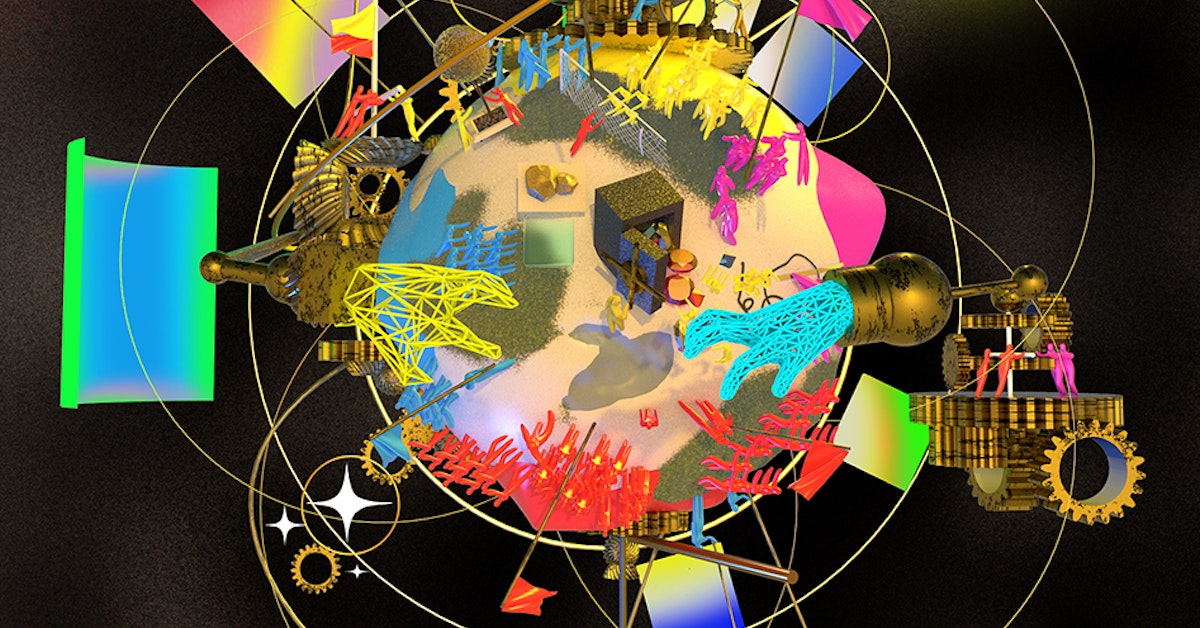
The New Planetary Nationalism
The realization of human embeddedness in Earth’s natural systems does not inevitably create a cosmopolitan politics oriented toward universal well-being.
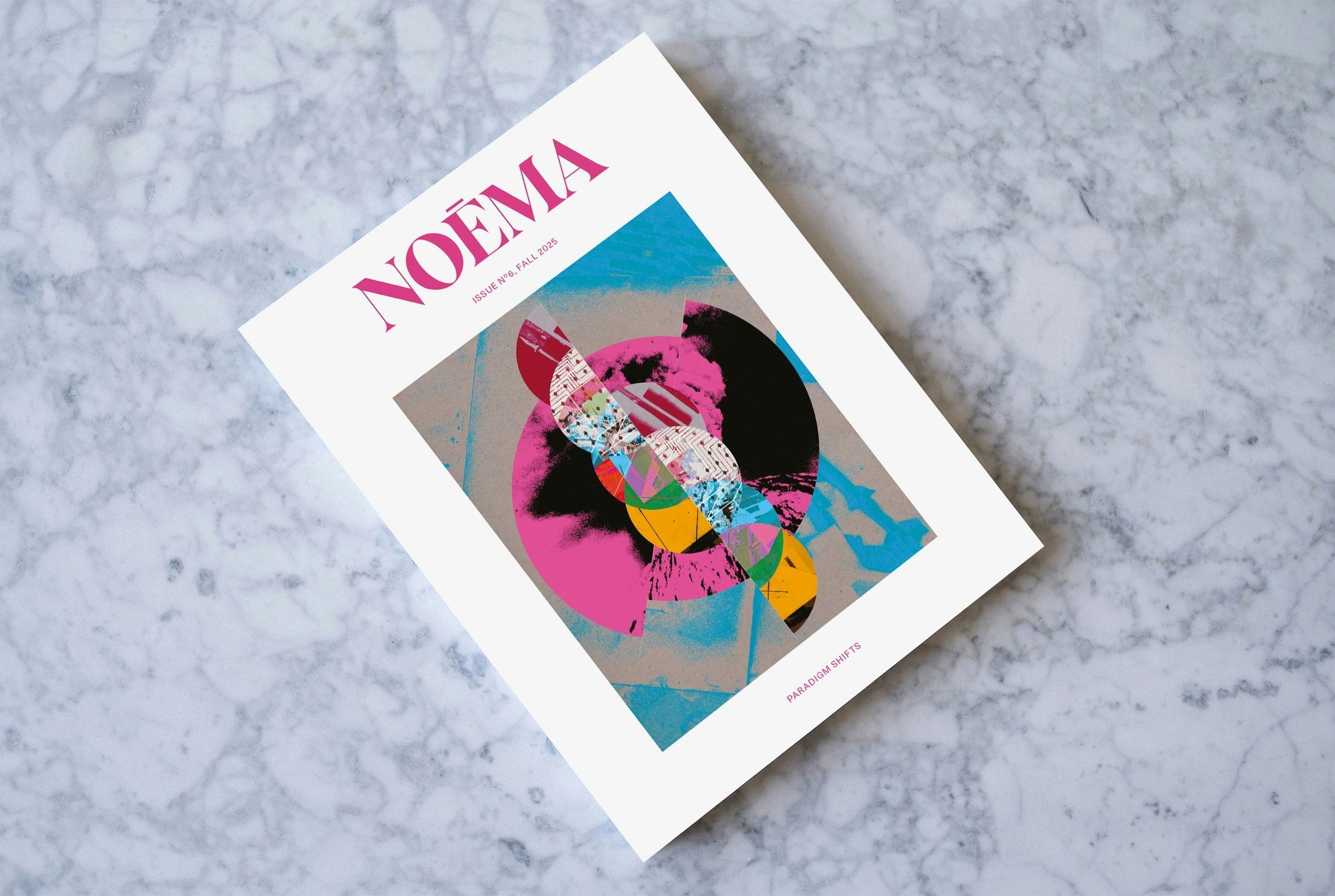
Introducing Noema VI: Paradigm Shifts | NOEMA
Profound transformations occurring simultaneously mark our new Age of Upheaval.
Nonviolent Communication: the key to improve your relationships
Nonviolent communication (NVC) is a popular method of conflict resolution that privileges unbiased evidence and specificity.

Museletter #353: Deadly Optimism, Useful Pessimism
What's really needed is a realistic sense of what's possible, and a dogged determination to heal division, protect nature and culture, and build sustainable alternatives.

"nihiliberalism" - feels like a useful new concept "nihilist neoliberalism, ... or nihiliberalism... intensifies the dynamic of endless growth while doubling down on hierarchies of oppression that enable it" From "AI, Decomputing and the Interregnum" by @danmcquillan.bsky.social
AI, Decomputing and the Interregnum
zenodo.org