Ronnie Cummins, from the Organic Consumer’s Association, went on to say that “Regenerative farming proves, without a shadow of a doubt, that farms that use the regenerative model can not only feed the planet, they can help the return the whole planetary system to a state of safety and abundance.”
A Soil-Science Revolution Upends Plans to Fight Climate Change | Quanta Magazine
A centuries-old concept in soil science has recently been thrown out. Yet it remains a key ingredient in everything from climate models to advanced carbon-capture projects.

Agriculture needs changes to help save climate and farmers, says national agriculture group | CBC News
A report released Wednesday by the National Farmers Union concludes that some elements of old-fashioned mixed farming combined with the latest technology can reduce greenhouse gas emissions and keep more farm families on the land.

Biogeochemical constraints on climate change mitigation through regenerative farming
This review suggests that most of the management practices associated with regenerative agriculture are not likely to lead to a large net sequestration of organic carbon in soils. Some improved management practices, such as increased fertilizer use, manuring, and applications of biochar, are constrained by biogeochemical stoichiometry and the availability of organic inputs. Other management practices, such as fertilizer applications, irrigation, and applications of ground silicate minerals, entail ancillary and off-site emissions of carbon dioxide that reduce the net sequestration of carbon in soils. Carbon sequestration in agricultural soils, even with best management practices, is only likely to offer a small net storage of carbon that can be marketed as a credit to emissions from other sectors of the economy.

Dig for victory
Modern-day food systems are implicated in the biggest challenges our planet and people face. They are responsible for one-quarter to one-third of human-made greenhouse gases. And while plenty of food is produced, much of it is wasted, and millions go hungry. Although a burgeoning food movement is beginning to address some of these climate and inequality issues, the emergency we face requires nothing less than major structural change, some of which will need to be mandated.

Unless we change course, the US agricultural system could collapse | Tom Philpott
Our food supply comes from an environmentally unsustainable system that is going to unravel

‘Soil is more important than oil’: inside the perennial grain revolution
Scientists in Kansas believe Kernza could cut emissions, restore degraded soils and reshape the future of agriculture

The brutal trade-off that will decide the future of food
A growing number of thinkers say factory farming can help save the planet. Are they right?

INVESTING IN REGENERATIVE AGRICULTURE AND FOOD
THE INVESTING IN REGENERATIVE AGRICULTURE AND FOOD PODCASTThrough 400+ interviews with farmers, investors, scientists, and entrepreneurs, the podcast puts the spotlight on the pioneers in the regenerative food and agriculture space to learn more on how to put our money to work to regenerate soil, people, local communities and ecosystems while making an appropriate and fair return.
Perspective | The meat industry is doing exactly what Big Oil does to fight climate action
Companies have spent millions to downplay the links between animal agriculture and climate change

Three-quarters of the world's land is drying out, 'redefining life on Earth'
Climate change has made great swaths of the planet's land drier and saltier, jeopardizing food production and water access for billions.
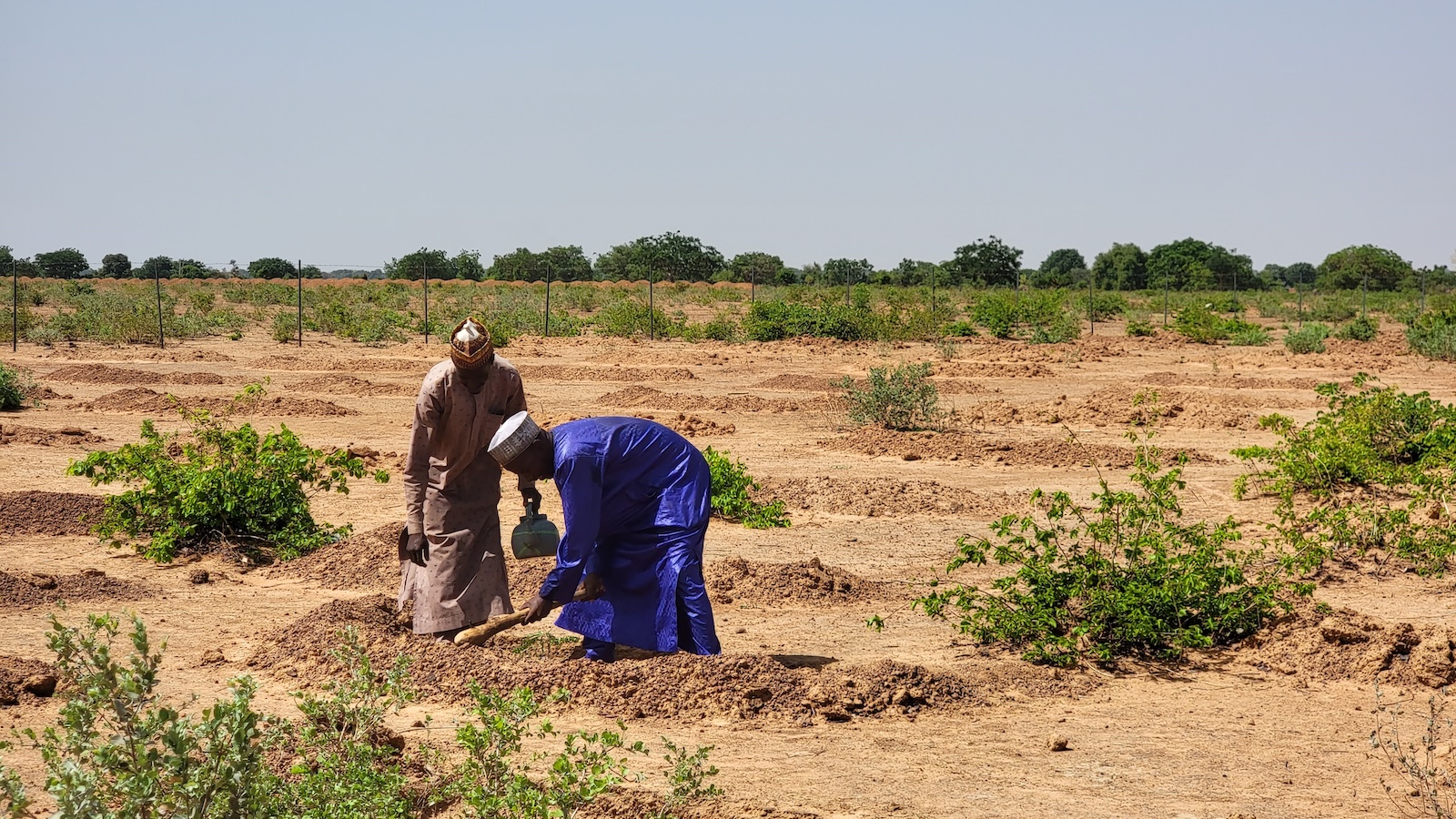
Addressing Climate Change Will Not “Save the Planet”
The dismal reality is that green energy will save not the complex web of life on Earth but the particular way of life of one domineering species.
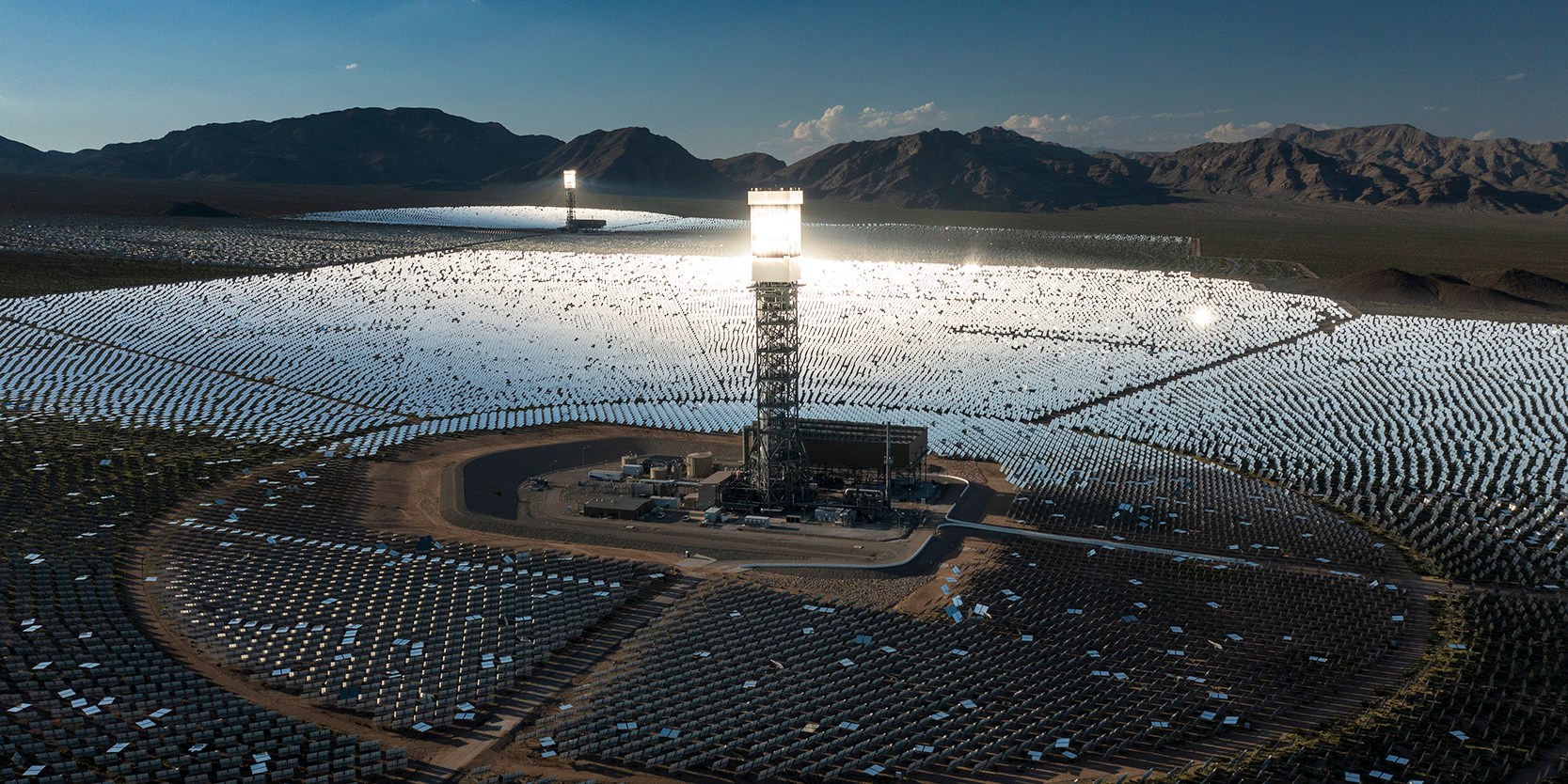
Soil C Sequestration as a Biological Negative Emission Strategy
Soil carbon (C) sequestration in one of three main approaches to carbon dioxide removal and storage through management of terrestrial ecosystems. Soil C sequestration relies of the adoption of improved management practices that increase the amount of carbon stored as soil organic matter, primarily in cropland and grazing lands. These C sequestering practices act by increasing the rate of input of plant-derived residues to soils and/or by reducing the rates of turnover of organic C stocks already in the soil. In addition to carbon dioxide removal potential, increases in soil organic matter/soil C content are highly beneficial from the standpoint of soil health and soil fertility Practices to increase soil C stocks include well-known, proven techniques or “best management practices” (BMP) for building soil carbon. A second category includes what we refer to as frontier technologies for which significant technological and/or economic barriers exist today, but for which further R&D and/or economic incentives might offer the potential for greater sequestration over the longer term. We reviewed published estimates of global soil carbon sequestration potential, representing the biophysical potential for managed cropland and/or grassland systems to store additional carbon assuming widespread (near complete) adoption of BMPs. The majority of studies suggests that 4 to 5 GtCO2/y as an upper limit for global biophysical potential with near complete adoption of BMPs. In the longer-term, if frontier technologies are successfully deployed, the global estimate might grow to 8 GtCO2/y. There is a strong scientific basis for managing agricultural soils to act as a significant carbon (C) sink over the next several decades. A two-stage strategy, to first incentivize adoption of well developed, conventional soil C sequestering practices, while investing in R&D on new frontier technologies that could come on-line in the next 2-3 decades, could maximize benefits. Implementation of such policies will require robust, scientifically-sound measurement, reporting, and verification (MRV) systems to track that policy goals are being met and that claimed increases in soil C stocks are real.

Growing Beyond The Impossible Burger – Towards Vegan Permaculture Food Futures - Spiralseed
Growing Beyond The Impossible Burger – Towards Vegan Permaculture Food Futures by Graham Burnett “Radical agriculture seeks to restore humanity’s sense of community: first, by giving full recognition to the soil as an ecosystem, a biotic community; and second, by … Continue reading →
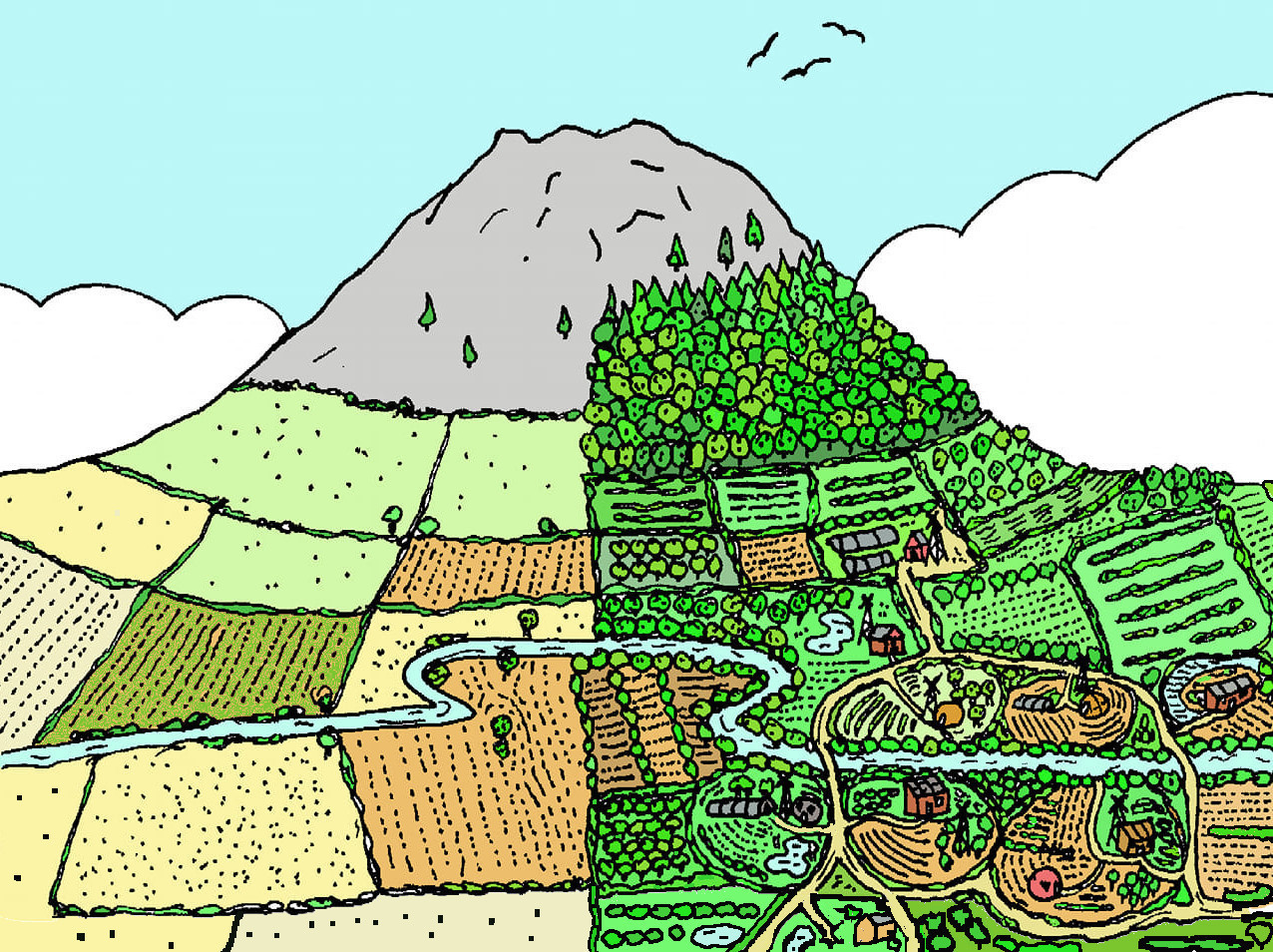
Indigenous Knowledge Has Been Warning Us About Climate Change for Centuries
Nishnaabeg scholar Leanne Betasamosake Simpson explains why "green growth" isn't enough to save the planet.

Farm like an Ecosystem
From my vantage point — which is sitting in the chicken yard, eating just-harvested mulberries, my fingers all blue — farming within an ecosystem can be joyful and meaningful, life-affirming. It should be an integral part of the way we feed the world and revitalize our degraded land.