The Society Pages (TSP) is an open-access social science project headquartered in the Department of Sociology at the University of Minnesota
Institute of Network Cultures | Ben Grosser: Planning the Exodus from Platform Realism
Thinking about the current state of platforms, I’m reminded of Mark Fisher’s articulation of capitalist realism, the idea that we don’t imagine or build alternatives to capitalism because we can no longer envision a world without it. Big tech, in a few short years, has managed to instill within the public a similar state of platform realism. So many are unable to imagine how global communication, media, search, etc. could ever function without the platforms. Despite a growing malaise, it’s become difficult for many to consider a world without big tech platforms as a viable conception of the future.

Thoughts on Cyberpositionality: The Construction of Digital Communities in Digital Spaces, Damien Patrick Williams
I found Rebecca Monteleone, Martin Perez Comisso, and Elma Hajric’s “Cyberpositionality: Sociotechnical Location in the Digital Age” (2024) to be an extremely timely and important article which can…

Digital Avatars | The Paper Pilot
The Paper Pilot's digital garden of thoughts on philosophy, politics, and sociology
After Cybernetics: Treatise for Future Urbanisms — Against Catastrophe
Since 2014, Zaha Hadid Virtual Reality Group, part of Hadid Partners Architecture Firm, has had a focus on cybernetic architecture. This architecture involves what they label the ‘metaverse’. The metaverse integrates physical with digital worlds seamlessly. In industry parlance it is a world populated by what are euphemistically titled ‘cyber-physical’ assets.

The Digital Life Collective
The Digital Life Collective is an enabler. If you think we should be doing something we're not currently doing, we're here to help you and your project make the change you want to see in the world.
Lambda Land | Book Review: Technopoly
In Technopoly: The Surrender of Culture to Technology, Neil Postman argues that our infatuation with technology has insidiously eroded our culture. We gain much through technology, but it comes at a price; all too often we are blind to that price. This book seeks to call attention to the costs of a technology-focused society. I felt this poignantly because I, as a technology worker, know what that infatuation feels like.
Advancing Women & Technology: Empowering Futures Through Digital Skills: 2025: News and Resources: About Us: Center of Excellence for Women & Technology: Indiana University Bloomington
In today’s fast-paced digital world, technology isn’t just a career path-it’s a compelling tool for empowerment.

Anthropomorphism Is Breaking Our Ability to Judge AI
Tech Policy Press fellow James Ball asks, how should we interact with a technology designed to ‘speak’ with us on what appear to be human terms?
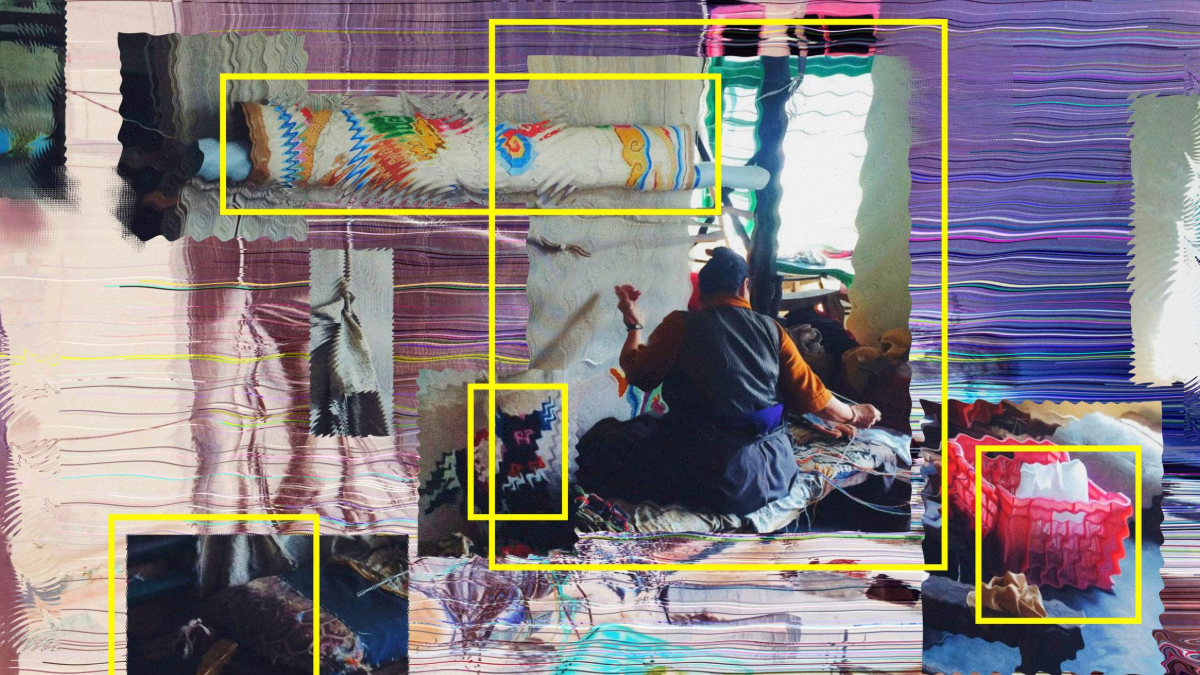
“Cyborgs” | Nicky Case
(⏱ reading time: 11 minutes) Recently, three threads in my life have coincided on one word: “cyborg“. Thinking about the problem of how to a

Appropriating Technology | Public Sphere Project — Liberating Voices Pattern Language
Dematerialization, Participatory Design, Techno-Criticism, Intermediate Technologies, Users' IT Quality Network, Wholesome Design for Wicked Problems, Labor Visions, Community Inquiry, Tactical Media
Digital Locality
The Paper Pilot's digital garden of thoughts on philosophy, politics, and sociology. Reading time: ~10 minute read | Published: Nov 21, 2024 | Updated: Aug 3, 2026

Anarchist Cybernetics
The Paper Pilot's digital garden of thoughts on philosophy, politics, and sociology. Reading time: ~14 minute read | Published: Aug 12, 2026 | Updated: Sep 6, 2026
Technocracy | The Paper Pilot
The Paper Pilot's digital garden of thoughts on philosophy, politics, and sociology
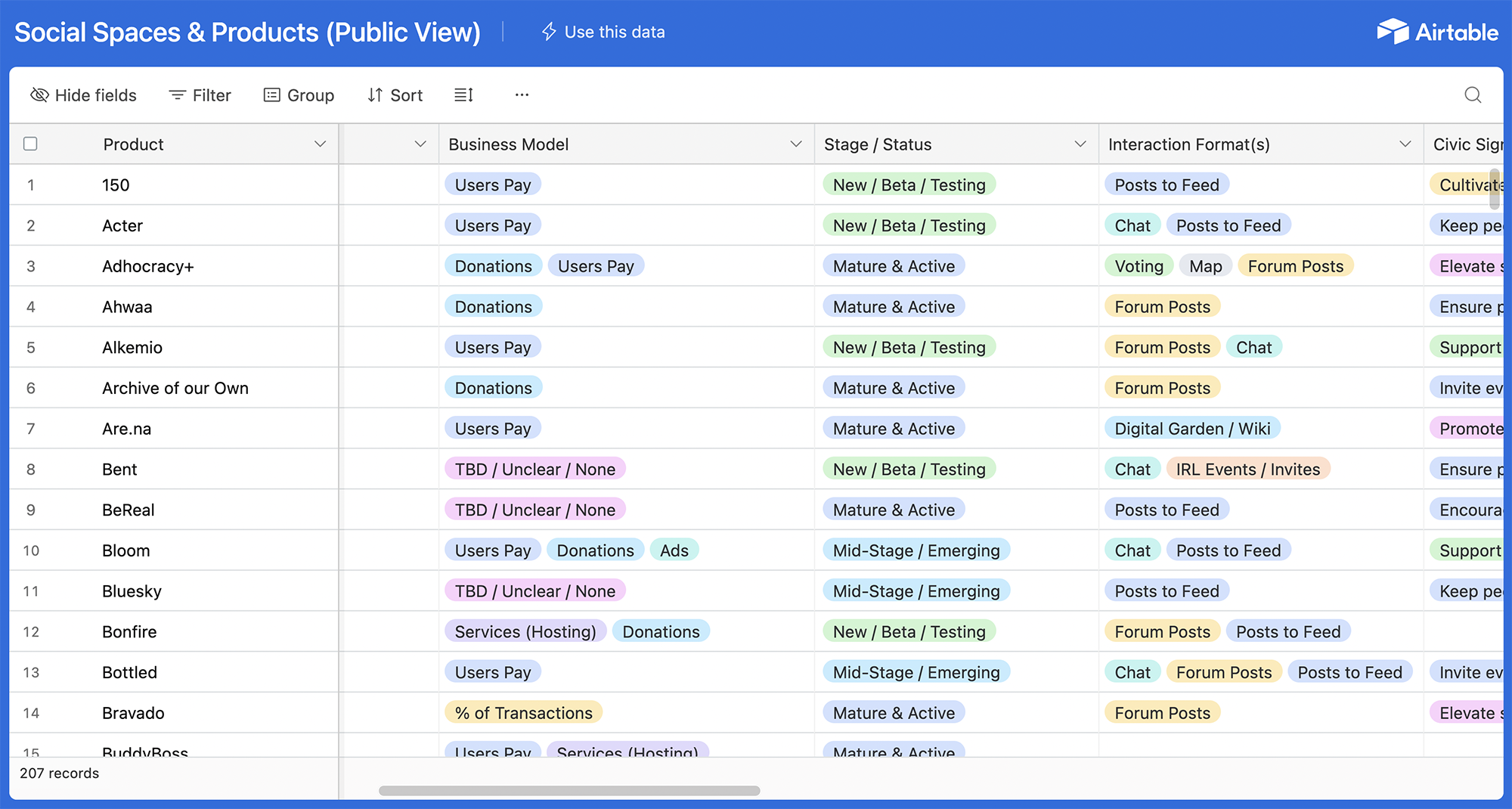
Digital Spaces Directory | New_ Public
As the social media landscape changes and a new wave of digital spaces emerges, this Directory is meant to be a resource for our field — a jumping-off-point for further exploration and research for anyone who’s interested in studying, building, stewarding, or simply using digital social platforms. We hope this will inspire creative exploration, spark new collaborations, and highlight important progress.
Art or tool?
The Internet spaces I tend to inhabit have more polarisation than at many other recent times, and little explication of the worldviews that lead to different premises for discussion, that in turn...

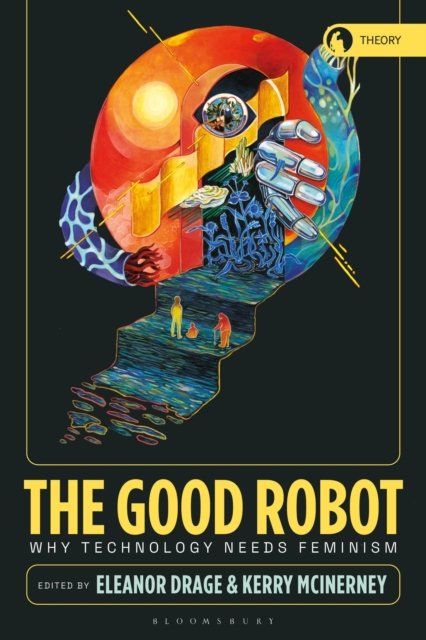
Good Robot
What is good technology? Is ‘good’ technology even possible? And how can feminism help us work towards it? The Good Robot addresses these crucial questions through the voices of leading feminist thinkers, activists and technologists. Each thinker provides a snapshot of key challenges, questions and provocations in the field of feminism and technology. While the question of whether various AI and technological advances can be ethical is not new, the embedded nature of feminist perspectives pulls out whether this perceived ‘goodness’ or ‘wrongness’ might actually impact our lives in the 21st century. This book explores both the radical possibilities of technology to disrupt practices of patriarchy, colonialism, racism and beyond but also provides a significant critique of how we can contain the ethical possibilities of entities we cannot predict. In exploring unjust technological practices and engaging critical voices in the tech industry, the existing moral issues are brought to light as well as the possible ethical quagmires. This book opens a new space of discussion on digital technologies – one that insists that the future of AI is an urgent feminist issue.