


The world of software occasionally produces fruitful rivalries between applications that try to solve the same problem with different approaches: Omnifocus vs. Things, Alfred Vs. Launchbar, Rdio vs. Spotify, etc. These rivalries are great for consumers because each application is forced to hone its own approach and polish its unique features. In the read-it-later space, […]
The Interfaces With Which We Think
The concepts in modern operating systems — apps, windows, desktops, notifications, and so on — have so permeated our understanding of personal computing, it’s hard to imagine anything else, let alone believe there could be anything better.
The Tyranny of the Marginal User
why consumer software gets worse, not better, over time
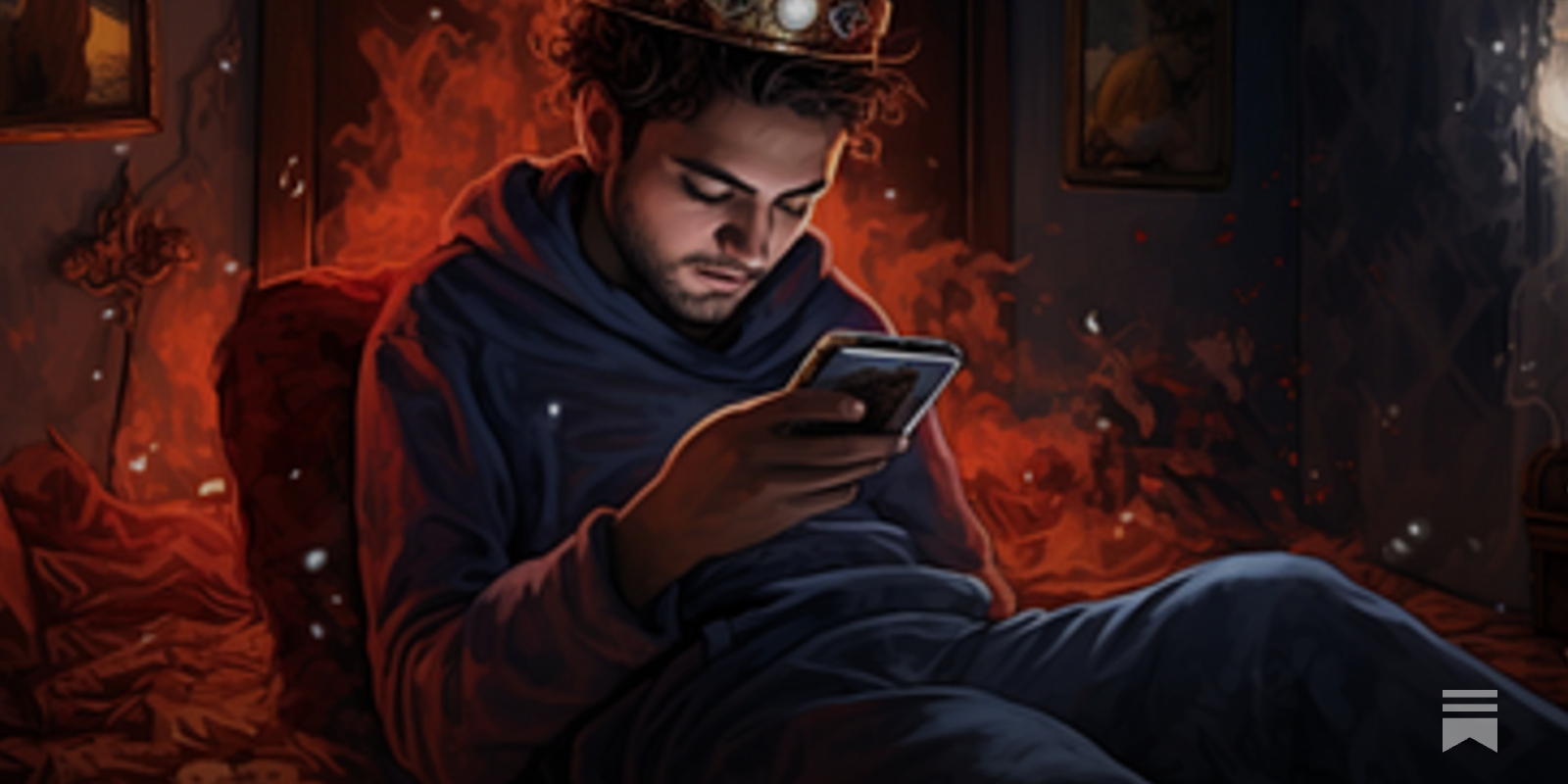
Perfect Software - Software for an Audience of One
We have many names to describe personal tools. Malleable software speaks to how it behaves. Home-cooked software speaks to who makes it.
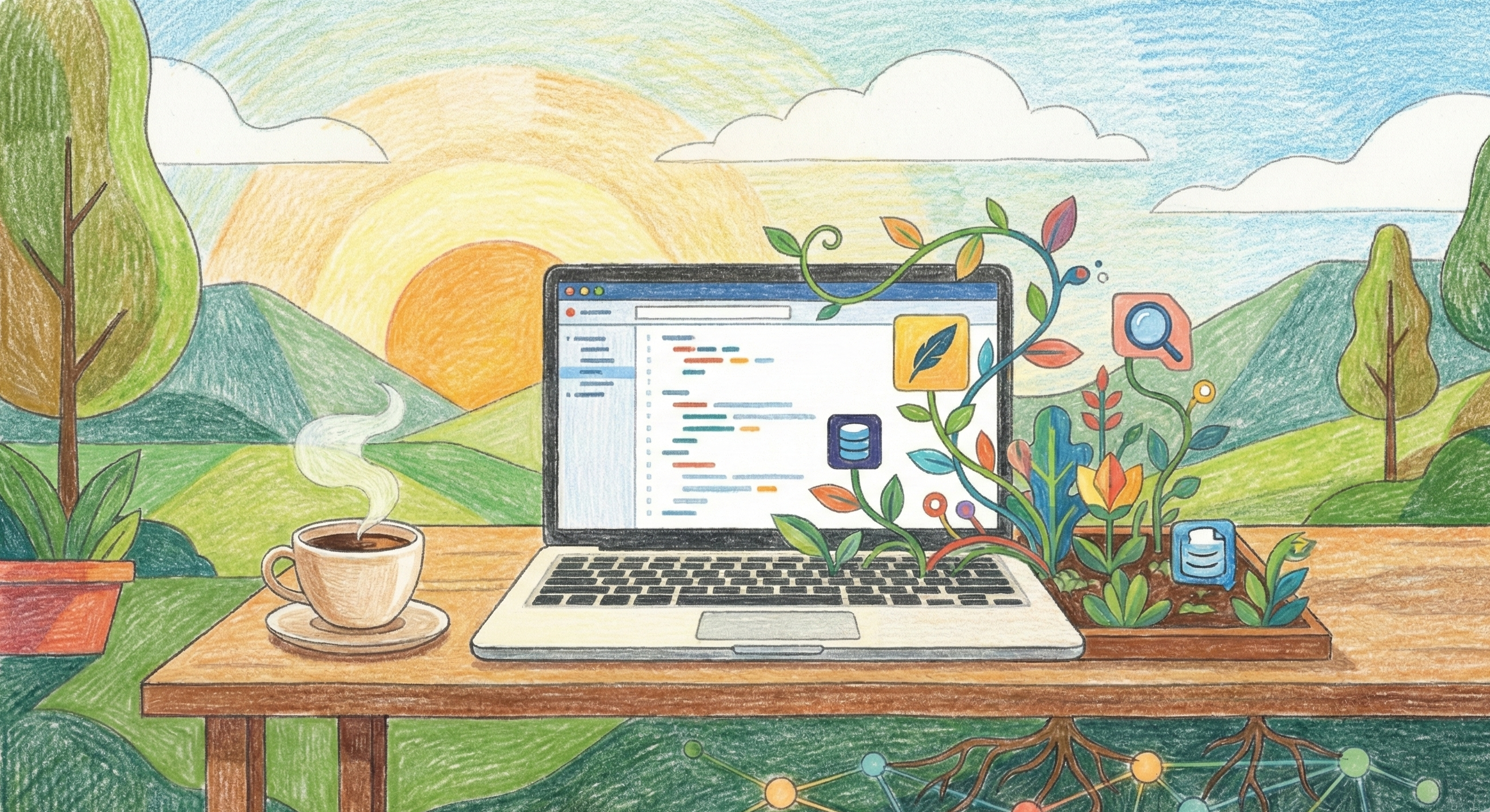
The next wave in software is open adoption software | TechCrunch
There’s a big shift happening in how enterprises buy and deploy software. In the last few years, open technology -- software that is open to change and free to adopt -- has gone from the exception to the rule for most enterprises. We’ve seen the IT stack redrawn atop powerful open-source projects, with developers opting for an “open-first” approach to building solutions.

psf (@psf@oldbytes.space)
In their article ["Malleable Software"](https://www.inkandswitch.com/essay/malleable-software), Ink & Switch list various ways that modern software applications fail to serve the user: - Software is too rigid: users can’t tailor it to suit their workflow, except by entering the role of programmers. - Software applications are overspecialized "avocado slicers", not general tools like "knives", so their lack of tailorability is keenly felt. - Software doesn’t provide a reasonable learning curve from beginner to expert; in other words, time spent learning an application doesn’t unlock tailorability, instead the end user must learn an unrelated skill like a markup/scripting language or even the tool’s implementation language. - Software applications are increasingly siloed, so sharing data between apps, let alone orchestrating cross-app workflows, is overly difficult. These are real problems. From what I can tell, Ink & Switch are software researchers, and view the problems from a highly technical perspective, focusing on novel infrastructure that enables end-user programmability. They pose questions such as "how do we ease users into programming?" and "instead of shipping a dead, static binary, can we ship a living image containing programming tools allowing it to be modified in arbitrary ways while still running?" These ideas are technologically exquisite, but they fail to provide a gentle learning curve. (cont'd) 🧵
File Over App: A Philosophy for Digital Longevity
My take on the 'file over app' philosophy and why it’s essential for keeping my data resilient and built to last.
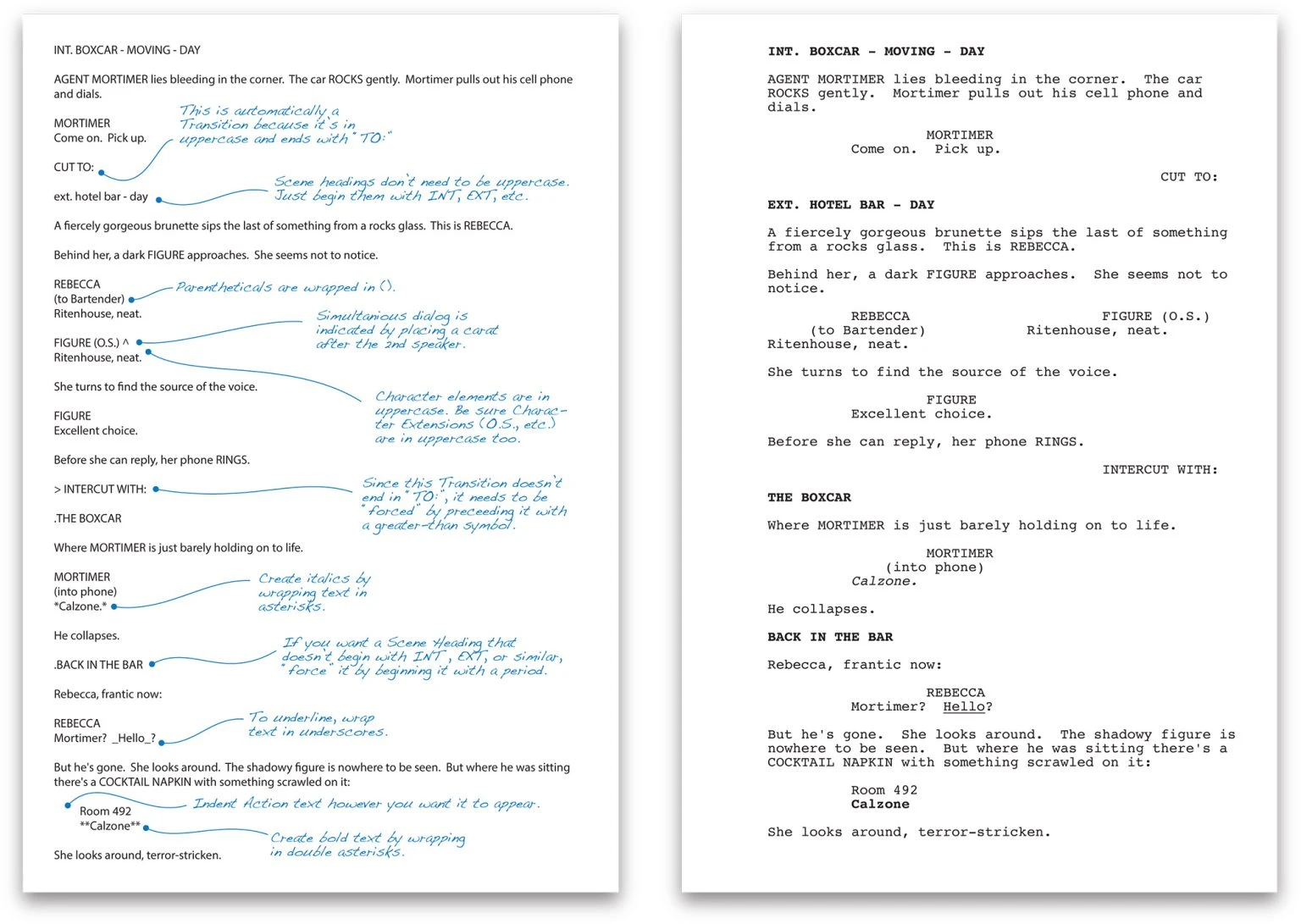
Introducing MacStories Selects: The Best New Apps, App Updates, and iOS Games of 2018
Over the course of a year, the MacStories team tries hundreds of apps. We test them, live with them, poke, prod, and break them, and then we write and talk about them. Collectively, it amounts to thousands of hours of thought and analysis that on a macro level seeks to answer the question: what makes
Hello, Operator!
Part of the WonderOS project, this is presented as the operating manual that would come with the reader’s first machine running WonderOS. It is an exercise in exploring how people familiar with mainstream personal computing devices and systems would become computer literate in an itemized environment. It is written as though the reader is familiar with today’s mainstream operating systems, and is exploring their first itemized OS.
Reflections: The ecosystem is moving
At Open Whisper Systems, we’ve been developing open source “consumer-facing” software for the past four years. We want to share some of the things we’ve learned while doing it. As a software developer, I envy writers, musicians, and filmmakers. Unlike software, when they create something, it is...
Reflections: The ecosystem is moving
At Open Whisper Systems, we’ve been developing open source “consumer-facing” software for the past four years. We want to share some of the things we’ve learned while doing it. As a software developer, I envy writers, musicians, and filmmakers. Unlike software, when they create something, it is...
macOS Big Sur: The MacStories Review
Big Sur is a big deal. The OS picks up where Catalina left off, further rationalizing Apple’s product lineup through design, new ways to bring apps to the Mac, and updates to existing system apps. The approach realigns functionality across Apple’s platforms after years of divergence from their common foundation: Mac OS X. The result
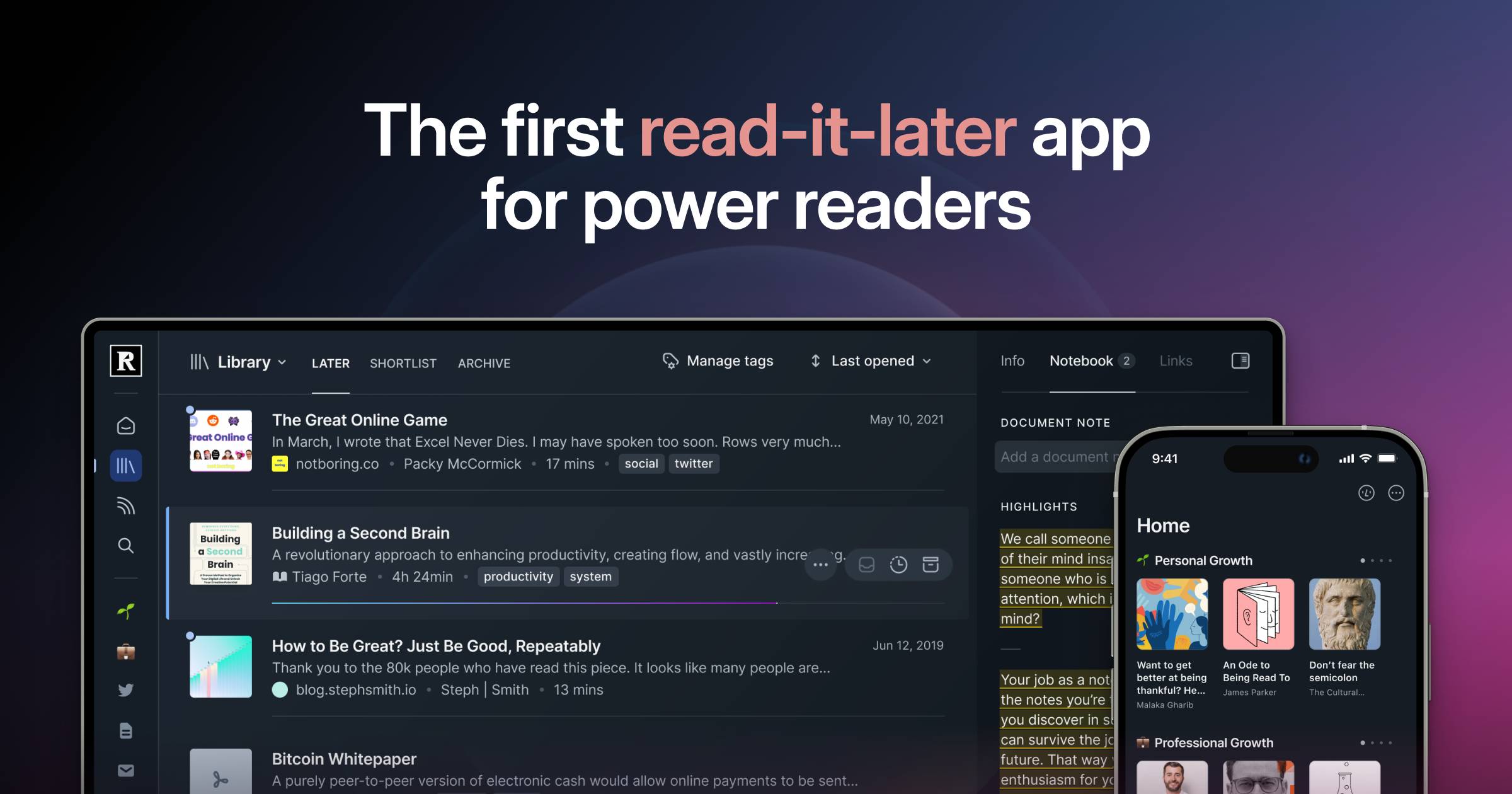
Readwise Reader: The first read-it-later app built for power readers.
Save everything to one place to overcome content overload, search instantly, and highlight like a pro.
Open Forks of Boring Apps With Authority - Woodys Rows
The Atmosphere can win by becoming the foundation for software people already need to use because of real-world relationships.
Lexicon suggestions for reader apps on AT Proto (such as @leaflet.pub Reader and @skyreader.app): - storing the reading status of a given URL - “liking” or “recommending” an URL - public (and when permissioned data will be out, private, or access controlled) folders to organize subscriptions
My vision for @skyreader.app and the modern reading app ecosystem. skyreader-dev.leaflet.pub/3mufsapgbec2q

Skyreader Vision
skyreader-dev.leaflet.pub

