


Stay out of jail: What you can and can’t say under Bill C-51
Kiss your online privacy goodbye with Bill C-22, Canada
Civil liberties groups, legal experts and the Canadian Chamber of Commerce have been sounding the alarm for months on the privacy and cybersecurity issues contained in the Carney government’s Lawful Access Act, or Bill C-22. In a not-so-surprising twist, American lawmakers have now also added their voice to those warning about the bill.

Opinion | How the F.B.I. Can Detain, Render and Threaten Without Risk (Published 2015)
A U.S. citizen can’t sue the government because his mistreatment happened overseas.

Stop Bill C-22!
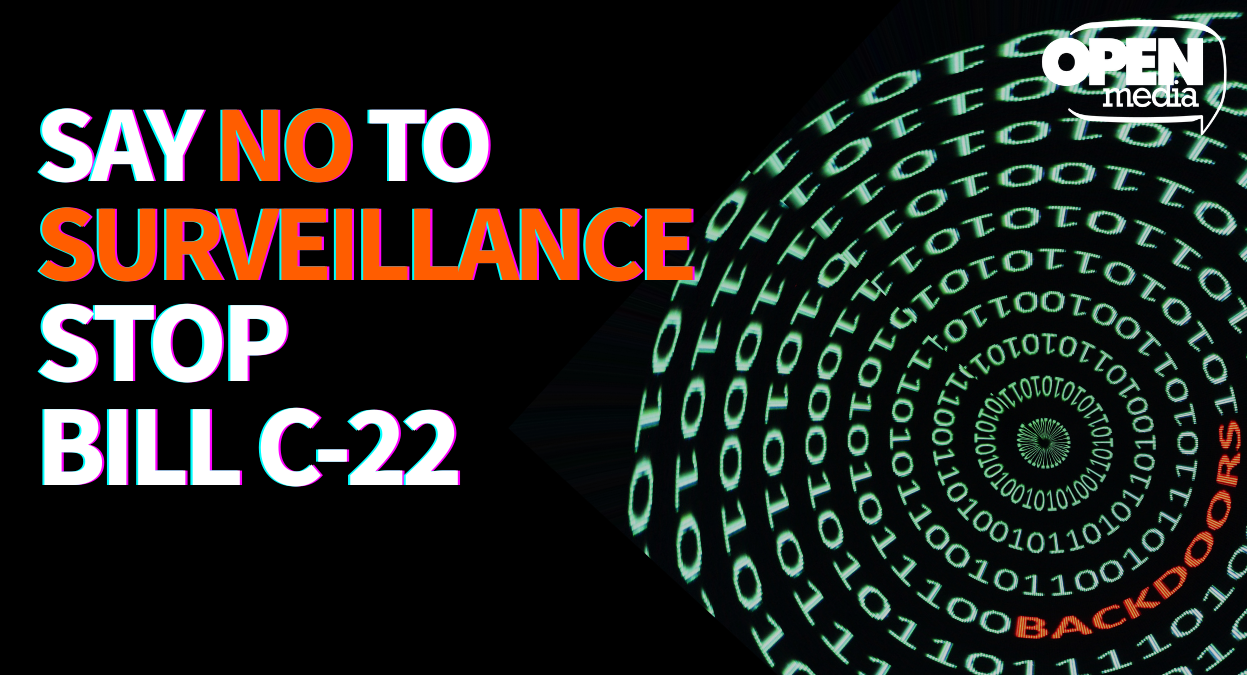
🚨 Bill C-22 forces every Canadian internet provider, messaging app & cloud service to build surveillance backdoors and store a year of your data. Foreign state hackers exploited similar legislation in the US. Shut the backdoor: https://openmedia.org/StopC22 #BillC22
Bill C-22’s Groundhog Day: Why the Government’s Dismissal of Signal, Apple and the U.S. Congress Concerns Runs Back the Disastrous Online News Act Playbook - Michael Geist
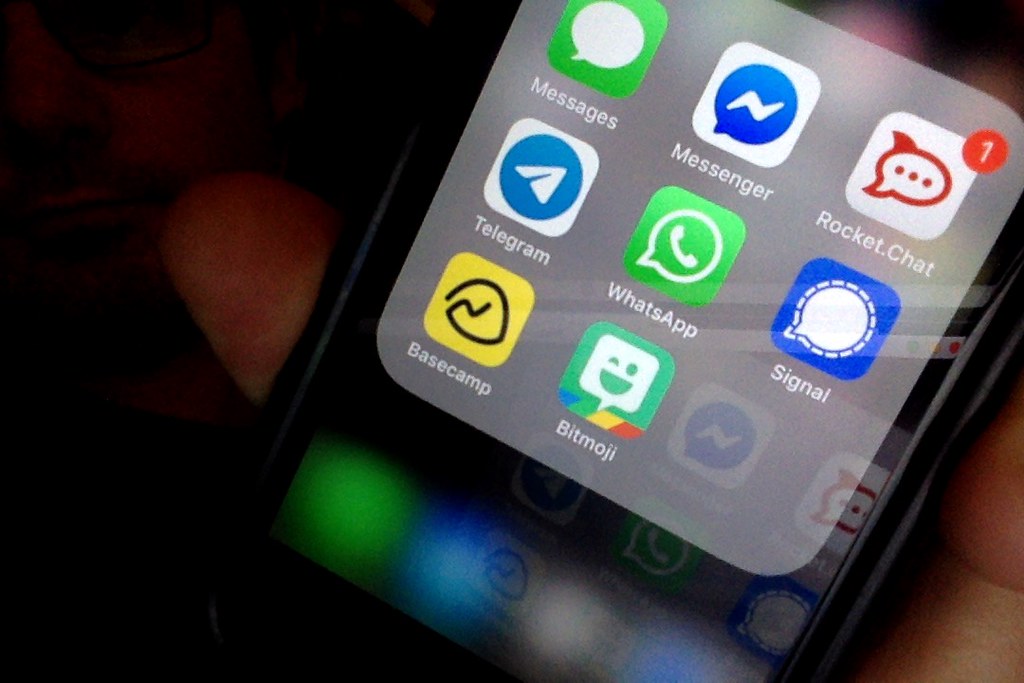
Secure messaging service Signal yesterday became the latest company to warn that Bill C-22, the lawful access bill, could force it to leave the Canadian market rather than comply with provisions it says would compromise its end-to-end encryption and create new cybersecurity risks. Signal vice-president Udbhav Tiwari told the Globe and Mail that the company “would rather pull out of the country than be compelled to compromise on the privacy promises we have made to our users.” The comments are part of a steady stream of similar warnings from Apple, Meta, the Canadian Chamber of Commerce, the Cybersecurity Advisors Network, and the chairs of the U.S. House Judiciary and Foreign Affairs Committees. Despite growing concern, the government’s response has been to launch a misleading social media campaign and repeatedly insist that the experts and companies are mistaken.
The Lawful Access Two-Headed Surveillance Monster: How Bill C-22 Went Off the Rails - Michael Geist
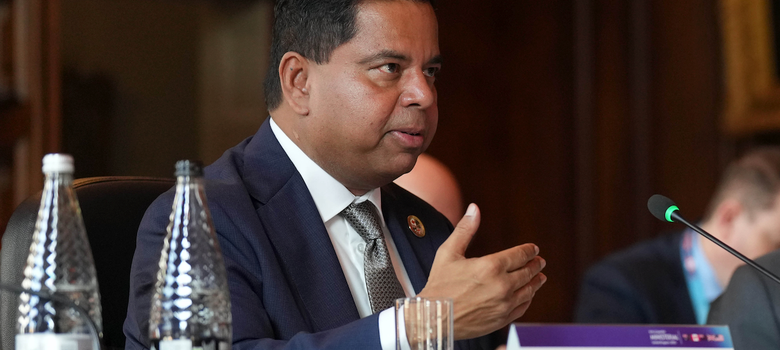
The government’s plans for lawful access have gone off the rails. In recent days, Signal has warned it would pull out of the Canadian market rather than comply with Bill C-22. Windscribe, the Toronto-headquartered VPN provider, has said it would relocate its headquarters out of Canada and NordVPN has warned it would consider following suit. Apple and Meta have both raised public concerns about the bill’s effect on encryption and cybersecurity. The Canadian Chamber of Commerce, the Cybersecurity Advisors Network, civil liberties groups, and a long line of legal and security experts have all called for changes. The chairs of the U.S. House Judiciary and Foreign Affairs Committees have written to Public Safety Minister Gary Anandasangaree warning that the bill threatens U.S. national security and the integrity of cross-border data flows. Even the bill’s own oversight body, the National Security and Intelligence Review Agency, has told the SECU committee it does not have the access it needs for effective oversight. If the government thought it could push through the bill largely unnoticed, it has been proven painfully wrong as there are now trade frictions with the U.S., the prospect of leading companies exiting the Canadian market, and weaker cybersecurity protections for ordinary users. How did Canada’s lawful access plan go awry so quickly?
An Attack on Tech Freedom, an Assault on Dissent
We live in a world of surveillance states, militarized police, and crackdowns on dissent. Meanwhile, corporate behemoths will often ally with the state to shut down dissident speech or aid and abet surveillance. In this context, it’s important for independent groups to develop and maintain encrypted communications platforms and independent web hosting. But the Trump...
China’s growing threat to academic freedom
Professor Nobu Iwatani’s detention in China marked a potential new, dangerous phase in the CCP government’s undermining of academic freedoms for its expansive regime security interests.

Translation From Hostage Code to English of X Corp CEO Linda Yaccarino’s Company-Wide Memo
“It’s OK to day-drink. I am.”

The Trump Administration Group Chat, Signal: The Coke of Secure Messaging, Transparency Versus Security
The Trump administration’s Signal gaffe raises fascinating questions about secure messaging and the trade-off inherent in transparency.

Your privacy is under attack from several terrifying new laws
“If privacy is outlawed, only outlaws will have privacy.” — Philip Zimmermann, creator of PGP Last week the United Kingdom passed a new bill that allows for “extreme surveillance.” This Investigatory Powers Bill — better known as the “snooper’s char...
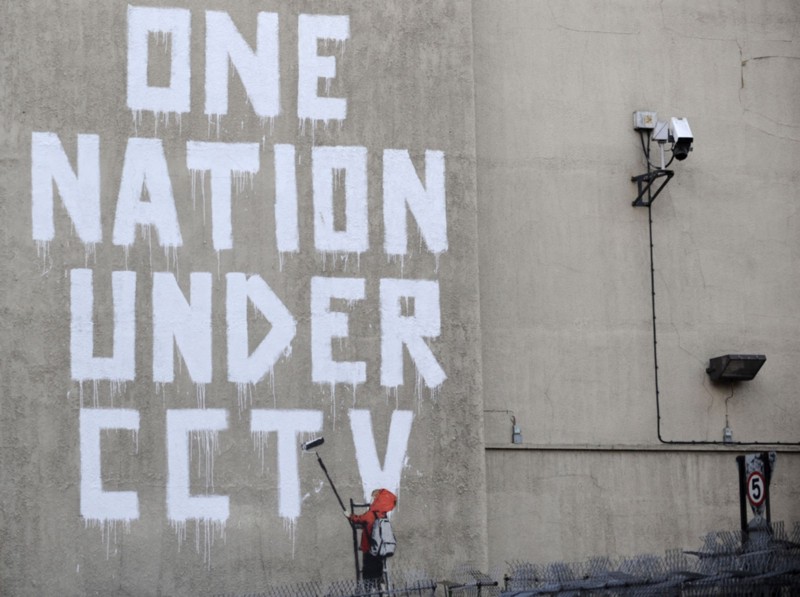
Stop Bill C-22. Stop surveillance in Canada.
Make your voice heard! Explore the Justice Centre's petitions advocating for Canadian rights and freedoms. Join fellow citizens in supporting important causes.
Guantánamo Bay Detention Camp | American Civil Liberties Union
The ACLU works in courts, legislatures, and communities to defend and preserve the individual rights and liberties that the Constitution and the laws of the United States guarantee everyone in this country.
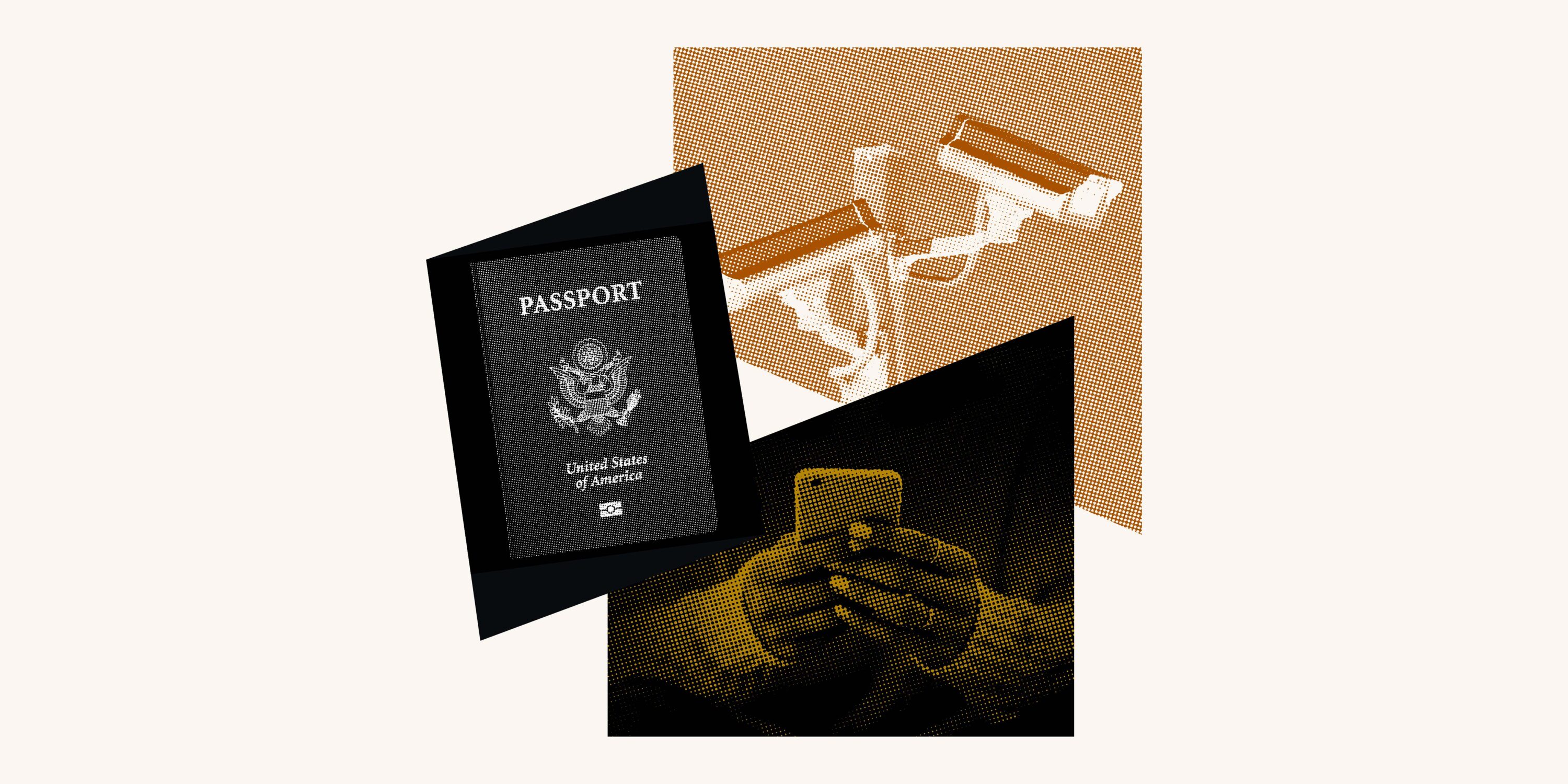
Chinese Media Warn WeChat Group Admins: “You Can Be Arrested for What Happens in Your Group Chat”
Managing a WeChat group should not be taken lightly, recent headlines warn.
DOJ Using Gang, Terrorist Prosecutors To Ensure People Opposed To Trump Are Treated Like Gang Members, Terrorists
The authoritarianism has been out in the open pretty much since day one with this presidency. Things that leak out around the edges — unaccompanied by official statements, announcements, or r…

i don't know how to encapsulate how much weird shit is in this interview i just now made it to the part about calling Jimmy Kaine, president of Bear Sterns, on September 15th or 16th, 2008, during the financial crisis, collect from jail youtube.com/watch?v=d3QWWHFzfOI

Jeffrey Epstein SHOCKING INTERVIEW with Steve Bannon RAW & UNCUT
www.youtube.com
