

As a biologist, I know what can happen to seafood before it ends up on our plates. That’s why it’s not on mine
Don’t Trust the White Fish. It Could Be Anything.
Steve Palumbi has a few rules when it comes to sushi. If something is labeled tuna, then it probably is, but stay away from the salmon, because it...
Considerations and challenges in support of science and communication of fish consumption advisories for per‐ and polyfluoroalkyl substances
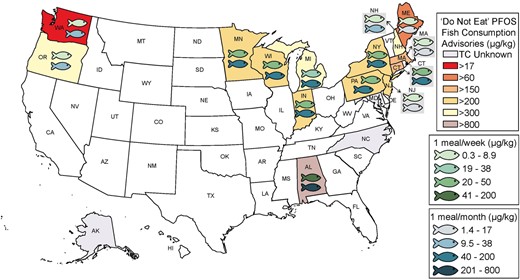
Abstract. Federal, state, tribal, or local entities in the United States issue fish consumption advisories (FCAs) as guidance for safer consumption of loca
Climate change and overfishing increase neurotoxicant in marine predators
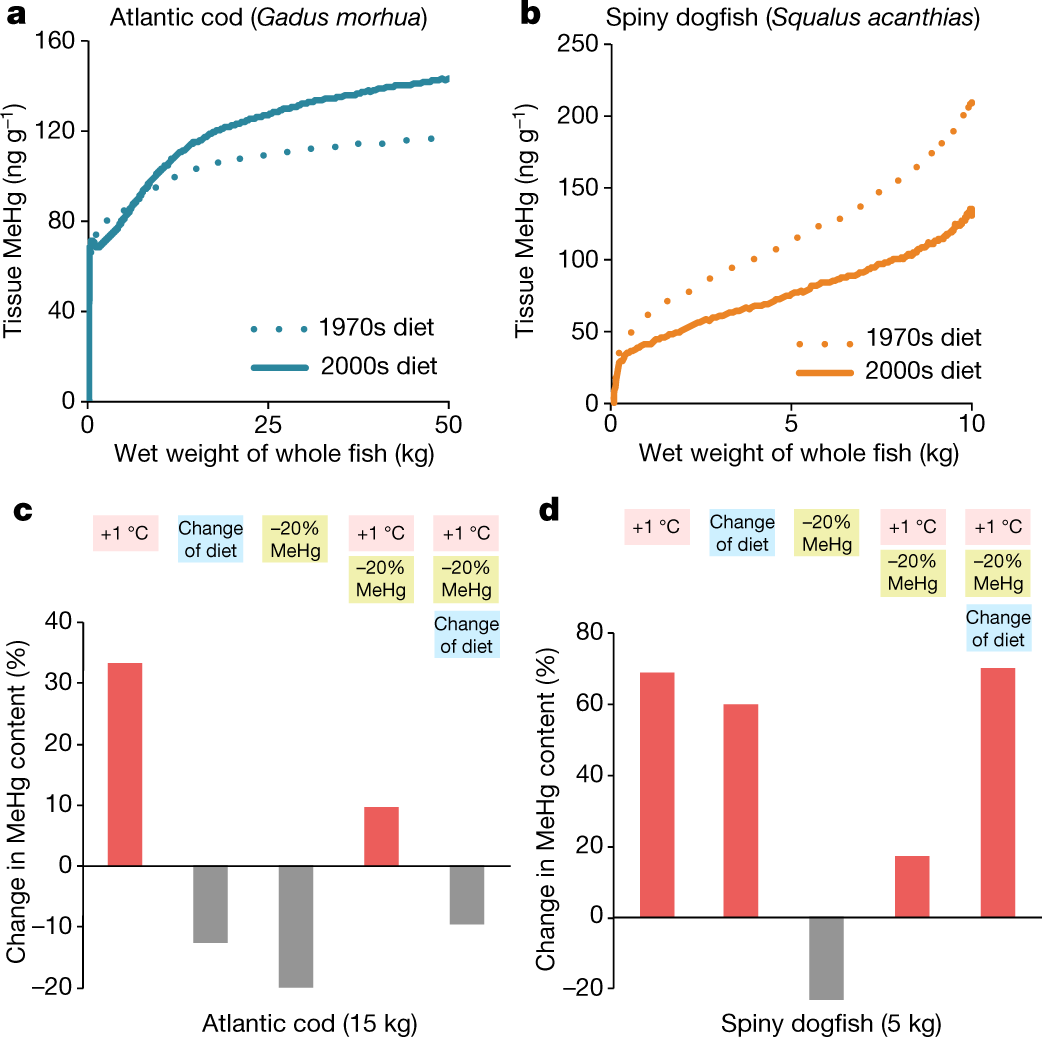
More than three billion people rely on seafood for nutrition. However, fish are the predominant source of human exposure to methylmercury (MeHg), a potent neurotoxic substance. In the United States, 82% of population-wide exposure to MeHg is from the consumption of marine seafood and almost 40% is from fresh and canned tuna alone1. Around 80% of the inorganic mercury (Hg) that is emitted to the atmosphere from natural and human sources is deposited in the ocean2, where some is converted by microorganisms to MeHg. In predatory fish, environmental MeHg concentrations are amplified by a million times or more. Human exposure to MeHg has been associated with long-term neurocognitive deficits in children that persist into adulthood, with global costs to society that exceed US$20 billion3. The first global treaty on reductions in anthropogenic Hg emissions (the Minamata Convention on Mercury) entered into force in 2017. However, effects of ongoing changes in marine ecosystems on bioaccumulation of MeHg in marine predators that are frequently consumed by humans (for example, tuna, cod and swordfish) have not been considered when setting global policy targets. Here we use more than 30 years of data and ecosystem modelling to show that MeHg concentrations in Atlantic cod (Gadus morhua) increased by up to 23% between the 1970s and 2000s as a result of dietary shifts initiated by overfishing. Our model also predicts an estimated 56% increase in tissue MeHg concentrations in Atlantic bluefin tuna (Thunnus thynnus) due to increases in seawater temperature between a low point in 1969 and recent peak levels—which is consistent with 2017 observations. This estimated increase in tissue MeHg exceeds the modelled 22% reduction that was achieved in the late 1990s and 2000s as a result of decreased seawater MeHg concentrations. The recently reported plateau in global anthropogenic Hg emissions4 suggests that ocean warming and fisheries management programmes will be major drivers of future MeHg concentrations in marine predators.
Communicating Pollutants That Threaten Tribal Identities: PFAS Contamination in Local Fish and Shellfish
Indigenous communities that rely on the consumption of local fish and shellfish may have elevated exposures to environmental contaminants, such as PFAS (perfluoroalkyl and polyfluoroalkyl substances). Conventional public health communication that focuses on reducing consumption can conflict with cultural identities tied to harvesting local fish. Through a series of focus groups and interviews ( n = 25) and a community-wide survey ( n = 155) among members of the Mashpee Wampanoag Tribe (Cape Cod, Massachusetts, USA), we document the connection between local fish/shellfish consumption and Tribal cultural identity, how PFAS contamination may threaten this identity, and explore how to more effectively communicate health risks to Tribal communities.

The Crimes Behind the Seafood You Eat
China has invested heavily in an armada of far-flung fishing vessels, in part to extend its global influence. This maritime expansion has come at grave human cost.

Cardiologists Agree: This Is The One Processed Meat You Have To Sto...
Health experts weigh in on the worst foods to eat that will put you at high risk of heart related illness.
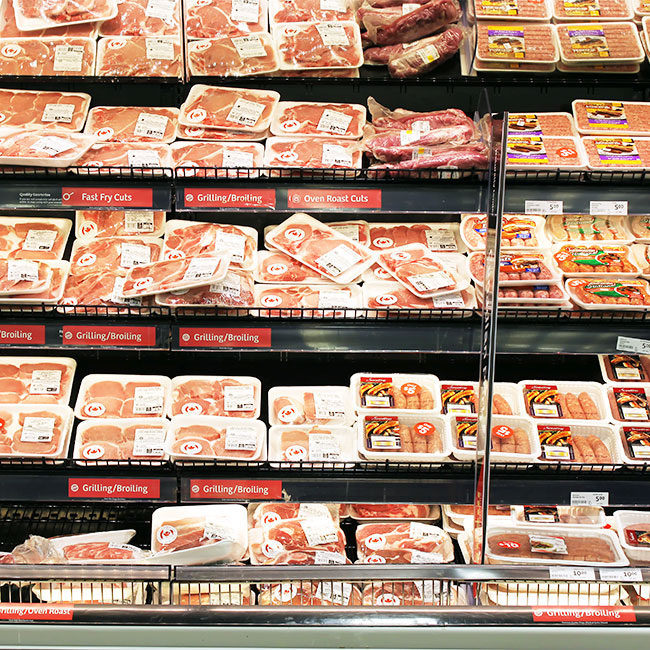
Marine Fish and Shellfish Identification
The Department of Fish and Wildlife manages California's diverse fish, wildlife, and plant resources, and the habitats upon which they depend, for their ecological values and for their use and enjoyment by the public.
Why Fish Oil Fails: A Comprehensive 21st Century Lipids-Based Physiologic Analysis
The medical community suffered three significant fish oil failures/setbacks in 2013. Claims that fish oil's EPA/DHA would stop the progression of heart disease were crushed when The Risk and Prevention Study Collaborative Group (Italy) released a conclusive negative finding regarding fish oil for those patients with high risk factors but no previous myocardial infarction. Fish oil failed in all measures of CVD prevention—both primary and secondary. Another major 2013 setback occurred when fish oil's DHA was shown to significantly increase prostate cancer in men, in particular, high-grade prostate cancer, in the Selenium and Vitamin E Cancer Prevention Trial (SELECT) analysis by Brasky et al. Another monumental failure occurred in 2013 whereby fish oil's EPA/DHA failed to improve macular degeneration. In 2010, fish oil's EPA/DHA failed to help Alzheimer's victims, even those with low DHA levels. These are by no means isolated failures. The promise of fish oil and its so-called active ingredients EPA / DHA fails time and time again in clinical trials. This lipids-based physiologic review will explain precisely why there should have never been expectation for success. This review will focus on underpublicized lipid science with a focus on physiology.

Meet the Lady Carnivores Taking Over TikTok With Butter and Raw Meat
Some women say the carnivore diet has saved their lives — but doctors warn could be harmful.

Food safety hazards in the European seaweed chain
Abstract Seaweed is a source of protein that can help overcome the anticipated challenges of a growing world population and the current challenges for finding alternatives for animal proteins in the Western diet. Thus far, data on the safety of seaweed for feed and food purposes in the Western world are scattered. This study aimed to review the available knowledge on the presence of food safety hazards in seaweed, including factors influencing their presence, and to prioritize the hazards that may pose a risk to human health. Given current knowledge from the literature, data from the Rapid Alert System for Food and Feed, and results from a stakeholder survey, 22 food safety hazards were ranked into major (4), moderate (5), and minor (13) hazards. Arsenic, cadmium, iodine, and Salmonella were identified as major hazards. Hazards, where data gaps exist, should be carefully assessed. These include pesticide residues, dioxins and polychlorinated biphenyls, brominated flame retardants, polycyclic aromatic hydrocarbons, pharmaceuticals, marine biotoxins, allergens, micro‐ and nanoplastics, other pathogenic bacteria, norovirus, and hepatitis E virus. It is recommended to collect more data on these hazards in future studies. Many factors can affect the presence of hazards including seaweed type, physiology, season, harvest and cultivation environment, geography including the location of cultivation, alongside further processing. Moreover, when seaweed is cultivated near industrialized or anthropogenic activities, these activities may negatively influence water quality, which can increase the likelihood of hazards in seaweed. Results of the ranking prioritized hazards can be used to prioritize monitoring programs and adjusted given future additional knowledge covering the data gaps.

'Do not eat': High levels of toxic ‘forever chemicals’ found in deer and fish
Wildlife agencies in the U.S. are finding elevated levels of a class of toxic chemicals in game animals such as deer — prompting health advisories.

A Global Fish War is Coming | Proceedings - August 2017 Vol. 143/8/1,374
Battles over politics and ideologies may be supplanted by fights over resources as nations struggle for economic and food security.

QuantitativeAnalysis of Selected Plastics in High-Commercial-ValueAustralian Seafood by Pyrolysis Gas Chromatography Mass Spectrometry
Abstract Microplastic contamination of the marine environment is widespread, but the extent to which the marine food web is contaminated is not yet known. The aims of this study were to go beyond visual identification techniques and develop and apply a simple seafood sample cleanup, extraction, and quantitative analysis method using pyrolysis gas chromatography mass spectrometry to improve the detection of plastic contamination. This method allows the identification and quantification of polystyrene, polyethylene, polyvinyl chloride, polypropylene, and poly(methyl methacrylate) in the edible portion of five different seafood organisms: oysters, prawns, squid, crabs, and sardines. Polyvinyl chloride was detected in all samples and polyethylene at the highest total concentration of between 0.04 and 2.4 mg g–1 of tissue. Sardines contained the highest total plastic mass concentration (0.3 mg g–1 tissue) and squid the lowest (0.04 mg g–1 tissue). Our findings show that the total concentration of plastics is highly variable among species and that microplastic concentration differs between organisms of the same species. The sources of microplastic exposure, such as packaging and handling with consequent transference and adherence to the tissues, are discussed. This method is a major development in the standardization of plastic quantification techniques used in seafood.
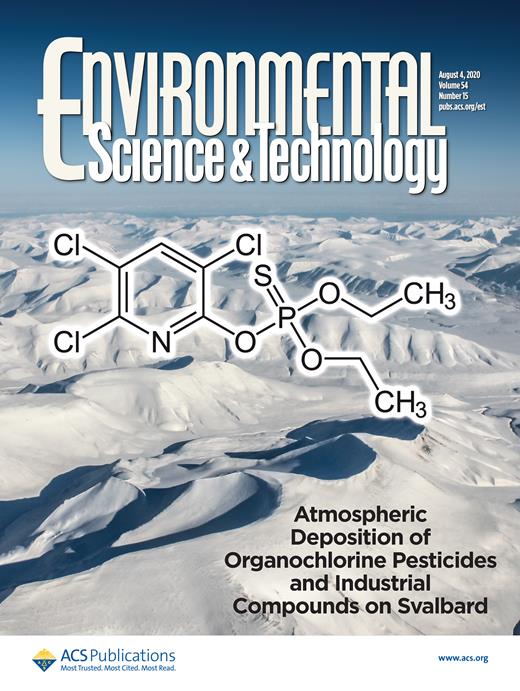
Shifting Global Exposures to Poly- and Perfluoroalkyl Substances (PFASs) Evident in Longitudinal Birth Cohorts from a Seafood-Consuming Population
Abstract. Rapid declines in legacy poly- and perfluoroalkyl substances (PFASs) have been reported in human populations globally following changes in produc
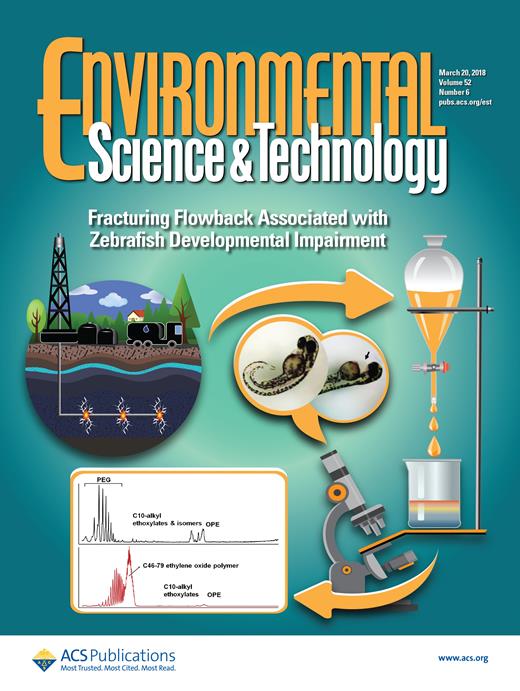
A Beautifully Animated Myth About The Tree That All Fish Come From
When the fish stop biting, a fisherman goes searching for the birthplace of all the fish in the world. What he finds is wondrous, strange—and more than a
