

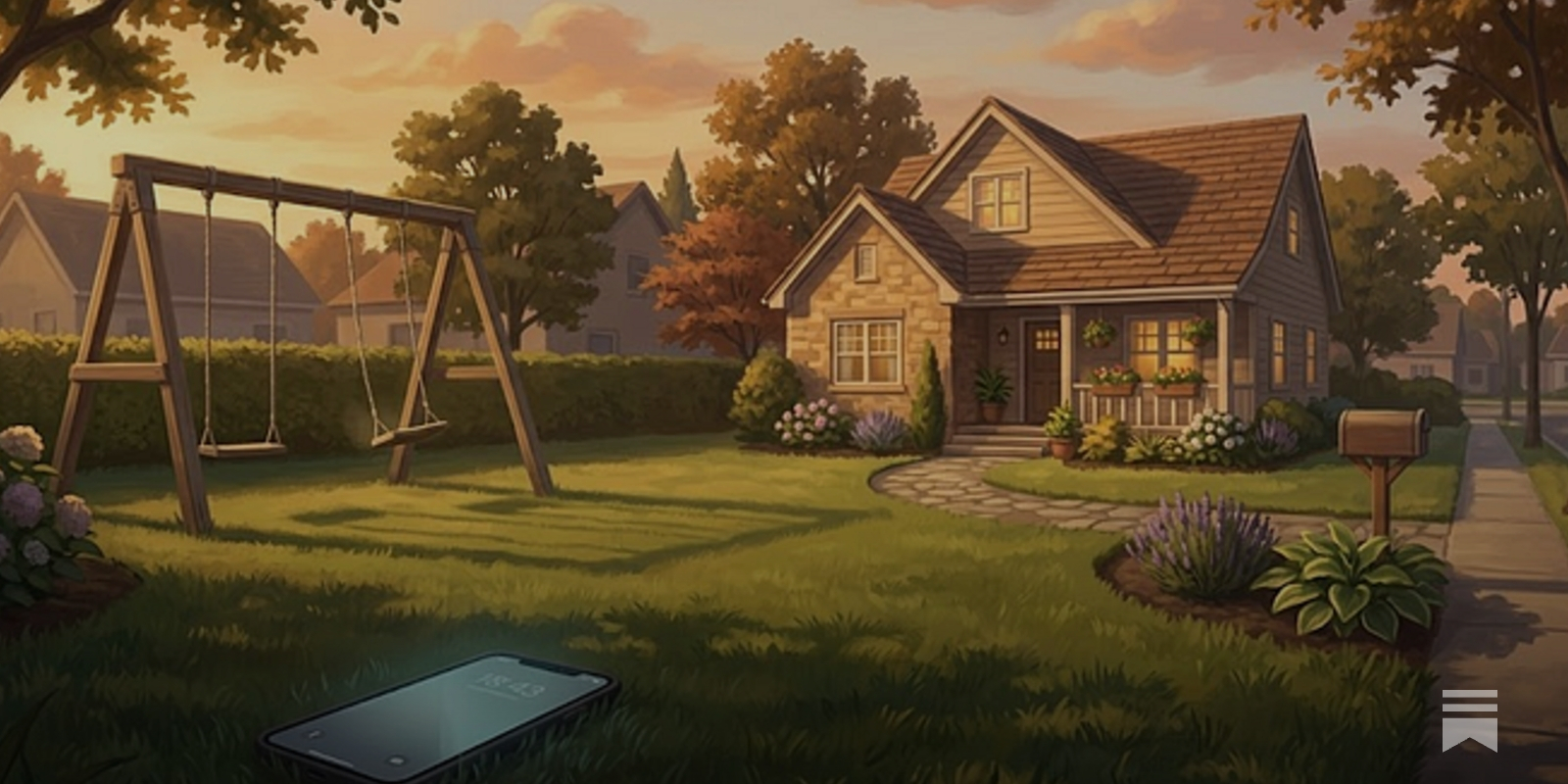
We have a respite, so I thought I’d tackle various thoughts on children, phones and screens.
A Dark Consensus About Screens and Kids Begins to Emerge in Silicon Valley (Published 2018)
“I am convinced the devil lives in our phones.”

The 5 Cs of Media Use
Discover The 5 Cs of Media Use—a simple, research-based framework to help pediatricians guide families on healthy screen habits. Includes age-based handouts for well-child visits, focused on child development, communication, and balanced media use.
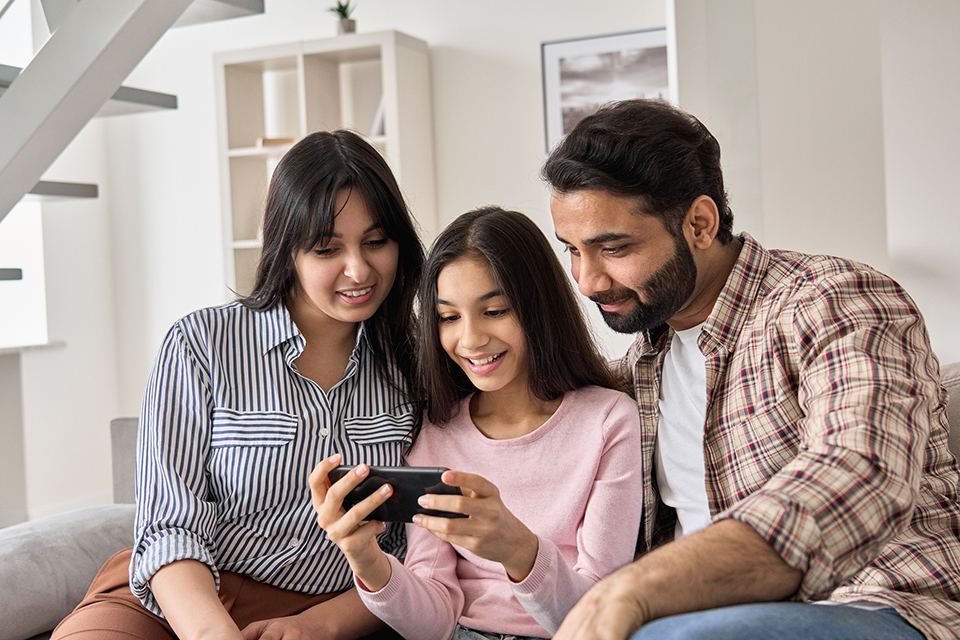
What Happened After a Teacher Ditched Screens
Why one early adopter of computers in classrooms has decided to toss them
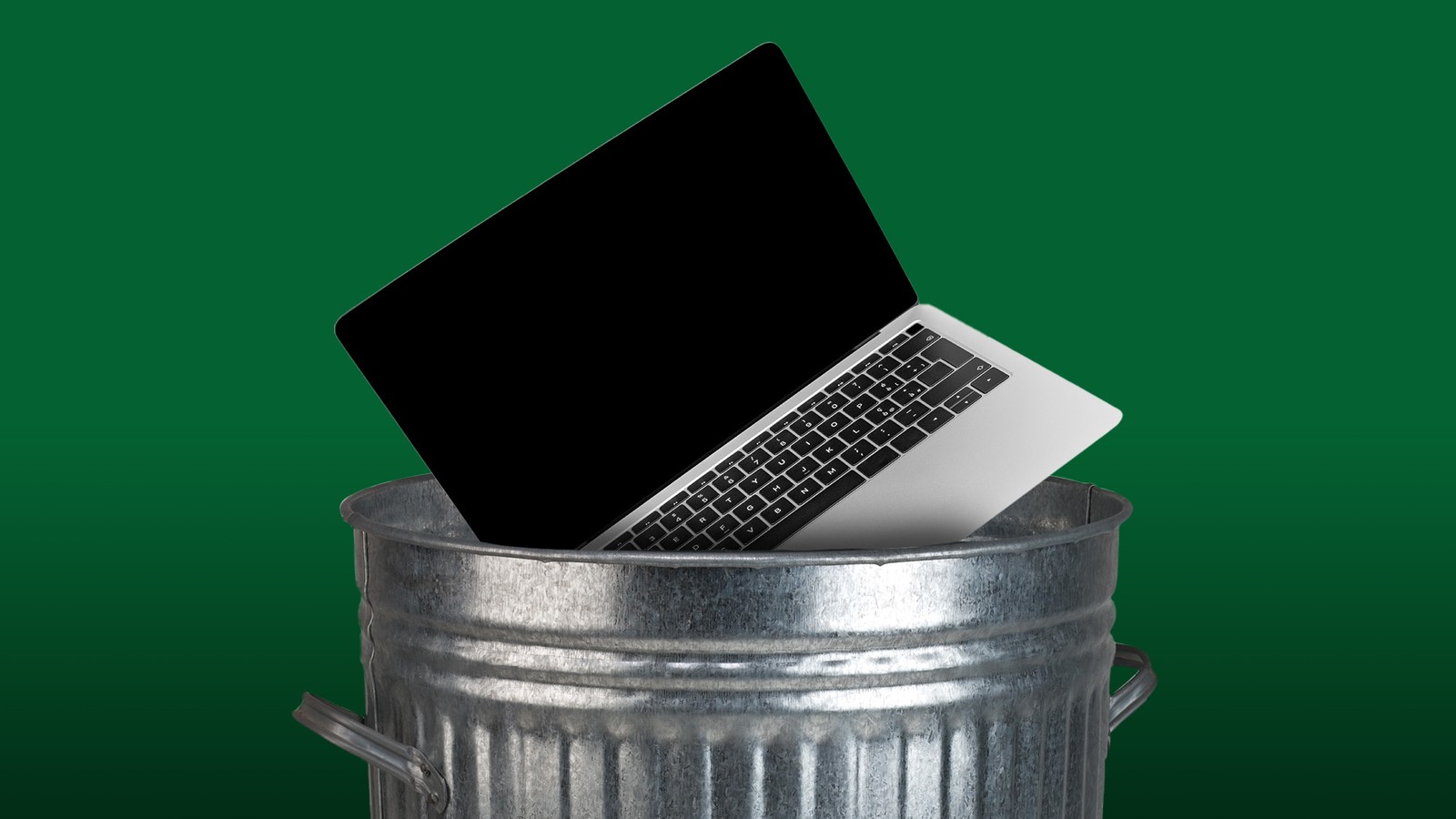
The surprising origin of 4 features that superglue kids — and adults — to screens
Taken together, these four features can create a trancelike state that can keep us stuck on social media apps or video games for hours. Children are particularly vulnerable.

The surprising origin of 4 features that superglue kids — and adults — to screens
Taken together, these four features can create a trancelike state that can keep us stuck on social media apps or video games for hours. Children are particularly vulnerable.
Topics — Real Life
ABOUT TOPICS: Since we began Real Life in the summer of 2016, we’ve run many essays across a range of topics, with a particular focus on the personal and cultural implications of living with technology. Our aim is not to track the news cycle so much as the longstanding social issues that inform and transcend it. We wanted to make it easier to read and explore Real Life beyond our chronological archive, so we’ve created these Topics to gather in one place the work we’ve published on some key themes. More Topics will be added to this page over time.

Growing up in the online world: a national consultation
We are consulting on further measures to prepare children for the future in an age of rapid technological change. This includes potential age restrictions on social media and other services such as gaming sites and AI chatbots, restrictions on addictive design features and risky functionalities, and better support for parents and families.

The digital exiles: Why people are abandoning their smartphones - Coda Story
A growing movement of “former screenagers” is calling for a screen-free, surveillance-free life, for a chance to build a future beyond tech capture
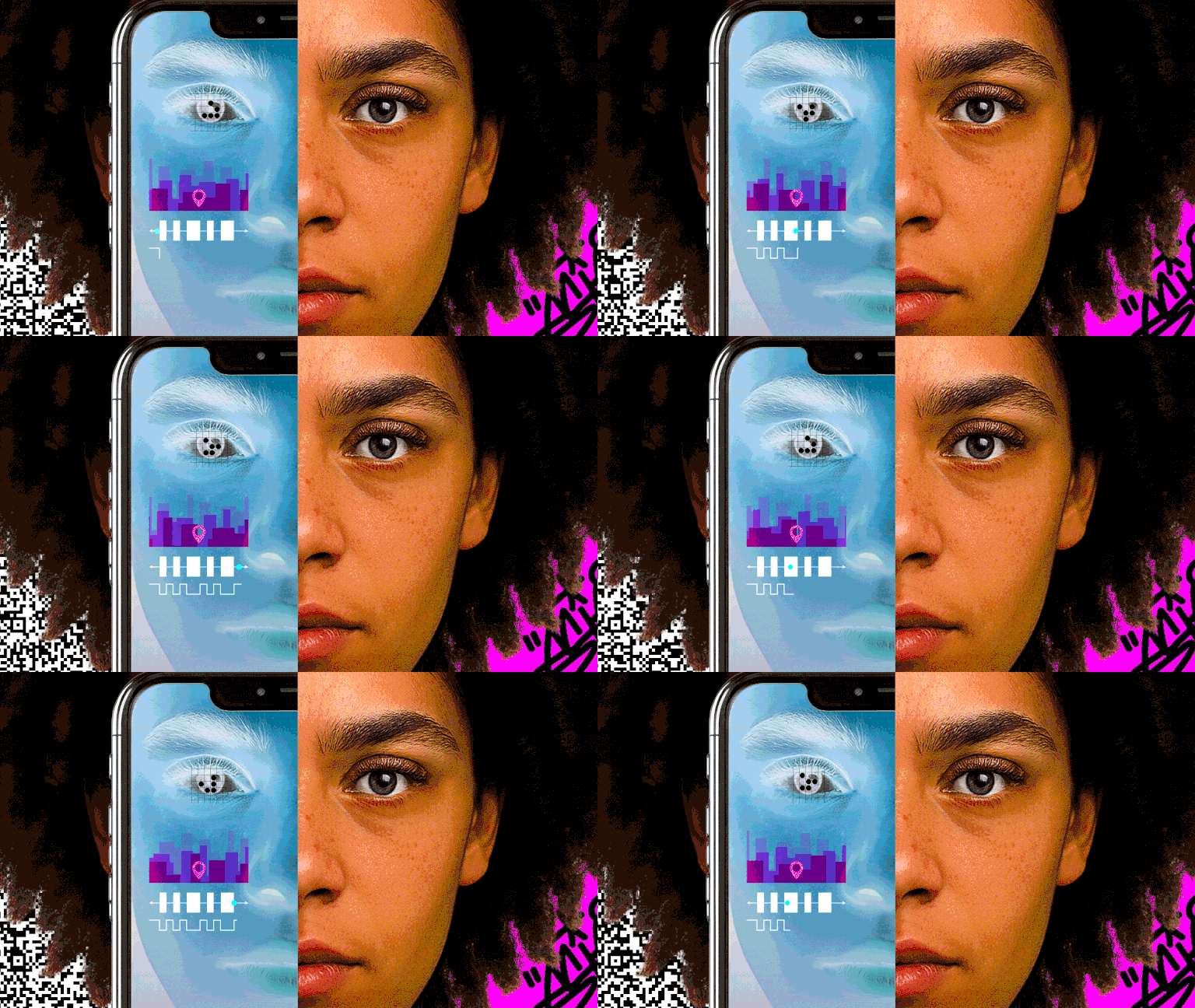
Too risky for the road but safe for schools? Rethinking smart glasses in the science classroom
This paper critically examines the governance of smart glasses in K-12 science education, using science classrooms as a case through which policy design challenges become visible. We position these wearable technologies not only as tools of pedagogical innovation but as governance challenges requiring regulatory attention. The vendors of smart glasses claim that their devices enhance real-time visualisation, support hands-free inquiry, and personalise activity. Yet, despite increased consumer availability and promotion by vendors, smart glasses are inconsistently specified in Australian school policy, unlike other high-stakes sectors such as transportation where wearable device categories are explicitly regulated. Drawing on a comparative analysis of policy associated with Australia’s K-12 mobile phones and the 2023 Victorian Road Rule Amendments “New Driver Distraction Road Rules”, this study proposes that science education requires similar anticipatory governance. Whereas the road safety framework classifies wearable technologies as potential sources of cognitive distraction and provides a stratified risk profile, device-specific restrictions, and enforcement mechanisms, we illustrate a stark contrast to the comparable provisions analysed in educational policy. This analysis identifies governance-relevant risk categories for staff, students, and schools that are not consistently addressed in the education policy texts examined, and that are difficult to standardise through discretionary, school-level interpretation alone. As such, this paper contributes to global conversations on educational justice, digital governance, and the ethical integration of emerging technologies in education.
Smartphone Bans, Student Outcomes and Mental Health
How smartphone usage affects well-being and learning among children and adolescents is a concern for schools, parents, and policymakers. Combining detailed admi

Why should children program - a review of Seymor Paperts Mindstorms
This is an essay about what it means to teach a kid to program, using Seymor Paperts groundbreaking book Mindstorms as a reference.
Second Version of Google Glass as a Wearable Socio-Affective Aid: Positive School Desirability, High Usability, and Theoretical Framework in a Sample of Children with Autism
Background Computerized smartglasses are being developed as an assistive technology for daily activities in children and adults with autism spectrum disorder (ASD). While smartglasses may be able to help with educational and behavioral needs, their usability and acceptability in children with ASD is largely unknown. There have been reports of negative social perceptions surrounding smartglasses use in mainstream populations, a concern given that assistive technologies may already carry their own stigma. Children with ASD may also have a range of additional behavioral, developmental, and social challenges when asked to use this emerging technology in school and home settings. Objective The usability and acceptability of Glass Enterprise Edition (Glass), the successor to Google Glass smartglasses, were explored in children with ASD and their caregivers. Methods Eight children with ASD and their caregivers were recruited to attend a demonstration session with Glass smartglasses the week they were publicly released. The children had a wide range of ability, including limited speech to speaking, and represented a full range of school ages (6 to 17 years). Children and caregivers were interviewed about their experience of using the smartglasses and whether they would use them at school and home. Results All 8 children succeeded in using Glass and did not feel stressed (8/8, 100%) or experience any overwhelming sensory or emotional issues during the session (8/8, 100%). All 8 children (8/8, 100%) endorsed that they would be willing to wear and use the device in both home and school settings. Caregivers felt the experience was fun for the children (8/8, 100%), and most caregivers felt the experience was better than they had expected (6/8, 75%). Conclusions A wide age and ability range of children with ASD used Glass immediately after it was released and found it to be usable and acceptable. Despite concerns about potential stigma or social acceptability, all of the children were prepared to use the technology in both home and school settings. Encouragingly, most caregivers noted a very positive response. There were no behavioral, developmental, or social- or stigma-related concerns during or after the session. Smartglasses may be a useful future technology for children with ASD and are readily accepted for use by children with ASD and their caregivers.

12 Things Everyone Should Understand About Tech
Tech is more important than ever, deeply affecting culture, politics and society. Given all the time we spend with our gadgets and apps…

More than Half of Public School Leaders Say Cell Phones Hurt Academic Performance | IES
Most schools have policies that restrict cell phone use during class, with many citing negative impacts on attention and performance.
Phone-Free Schools Movement | Protecting Student Well-Being
Join the Phone-Free Schools Movement to create healthier, more focused school days. We help schools implement bell-to-bell phone-free policies that boost learning, safety, and student well-being.
The Kids Are (Mostly) Alright: New Pew Study Deflates The Social Media Panic
A couple weeks back, Jonathan Haidt published another entry in his ongoing campaign to convince the world that social media is inherently ruining kids’ lives. This one was a victory lap title…
