

Introducing Plan A
Plans & Pricing | Claude by Anthropic
Choose the Claude plan that fits how you solve problems. Free, Pro, Max, Team, and Enterprise tiers, plus API pricing for developers.


Planning - The Core Reason Why Gameplay Feels Good
In this post I dig into planning, and how it is a fundamental part of what makes a game engaging. Planning affects many aspects of what is s...


Promises and Perils of Pre-analysis Plans
The purpose of this paper is to help think through the advantages and costs of rigorous pre-specification of statistical analysis plans in economics. A pre-analysis plan pre-specifies in a precise way the analysis to be run before examining the data. A researcher can specify variables, data cleaning procedures, regression specifications, and so on. If the regressions are pre-specified in advance and researchers are required to report all the results they pre-specify, data-mining problems are greatly reduced. I begin by laying out the basics of what a statistical analysis plan actually contains so those researchers unfamiliar with it can better understand how it is done. In so doing, I have drawn both on standards used in clinical trials, which are clearly specified by the Food and Drug Administration, as well as my own practical experience from writing these plans in economics contexts. I then lay out some of the advantages of pre-specified analysis plans, both for the scientific community as a whole and also for the researcher. I also explore some of the limitations and costs of such plans. I then review a few pieces of evidence that suggest that, in many contexts, the benefits of using pre-specified analysis plans may not be as high as one might have expected initially. For the most part, I will focus on the relatively narrow issue of pre-analysis for randomized controlled trials.
Remote Teams
I was recently tagged into a conversation on Twitter. The thread started with this summary of findings about open plan offices:

In Praise of Moderation: Suggestions for the Scope and Use of Pre-Analysis Plans for RCTs in Economics
Pre-Analysis Plans (PAPs) for randomized evaluations are becoming increasingly common in Economics, but their definition remains unclear and their practical applications therefore vary widely. Based on our collective experiences as researchers and editors, we articulate a set of principles for the ex-ante scope and ex-post use of PAPs. We argue that the key benefits of a PAP can usually be realized by completing the registration fields in the AEA RCT Registry. Specific cases where more detail may be warranted include when subgroup analysis is expected to be particularly important, or a party to the study has a vested interest. However, a strong norm for more detailed pre-specification can be detrimental to knowledge creation when implementing field experiments in the real world. An ex-post requirement of strict adherence to pre-specified plans, or the discounting of non-pre-specified work, may mean that some experiments do not take place, or that interesting observations and new theories are not explored and reported. Rather, we recommend that the final research paper be written and judged as a distinct object from the “results of the PAP”; to emphasize this distinction, researchers could consider producing a short, publicly available report (the “populated PAP”) that populates the PAP to the extent possible and briefly discusses any barriers to doing so.

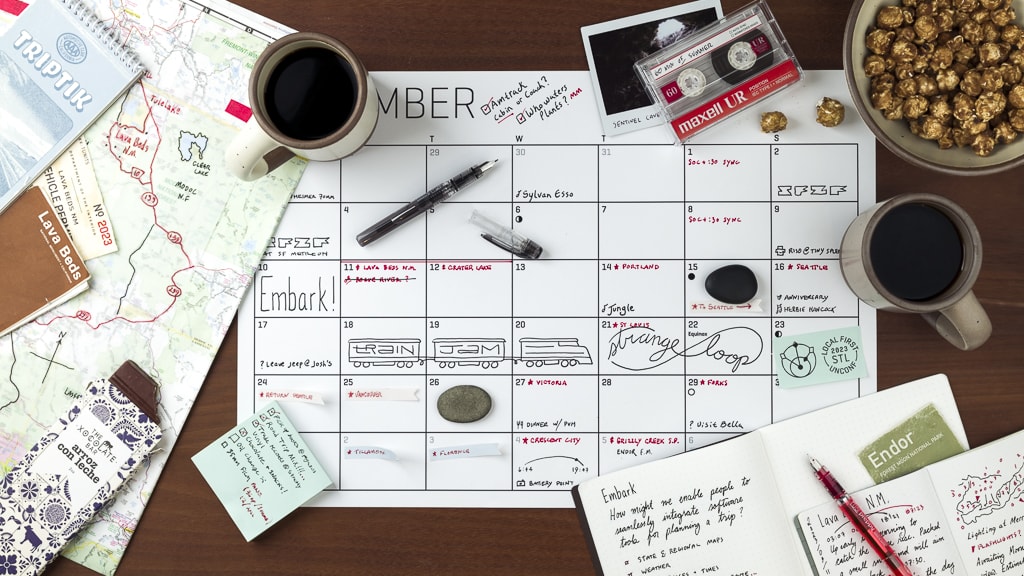
Embark: Dynamic documents for making plans
Gradually enriching a text outline with travel planning tools.

A Local-First Task Planner On ATProto - tyler's blog
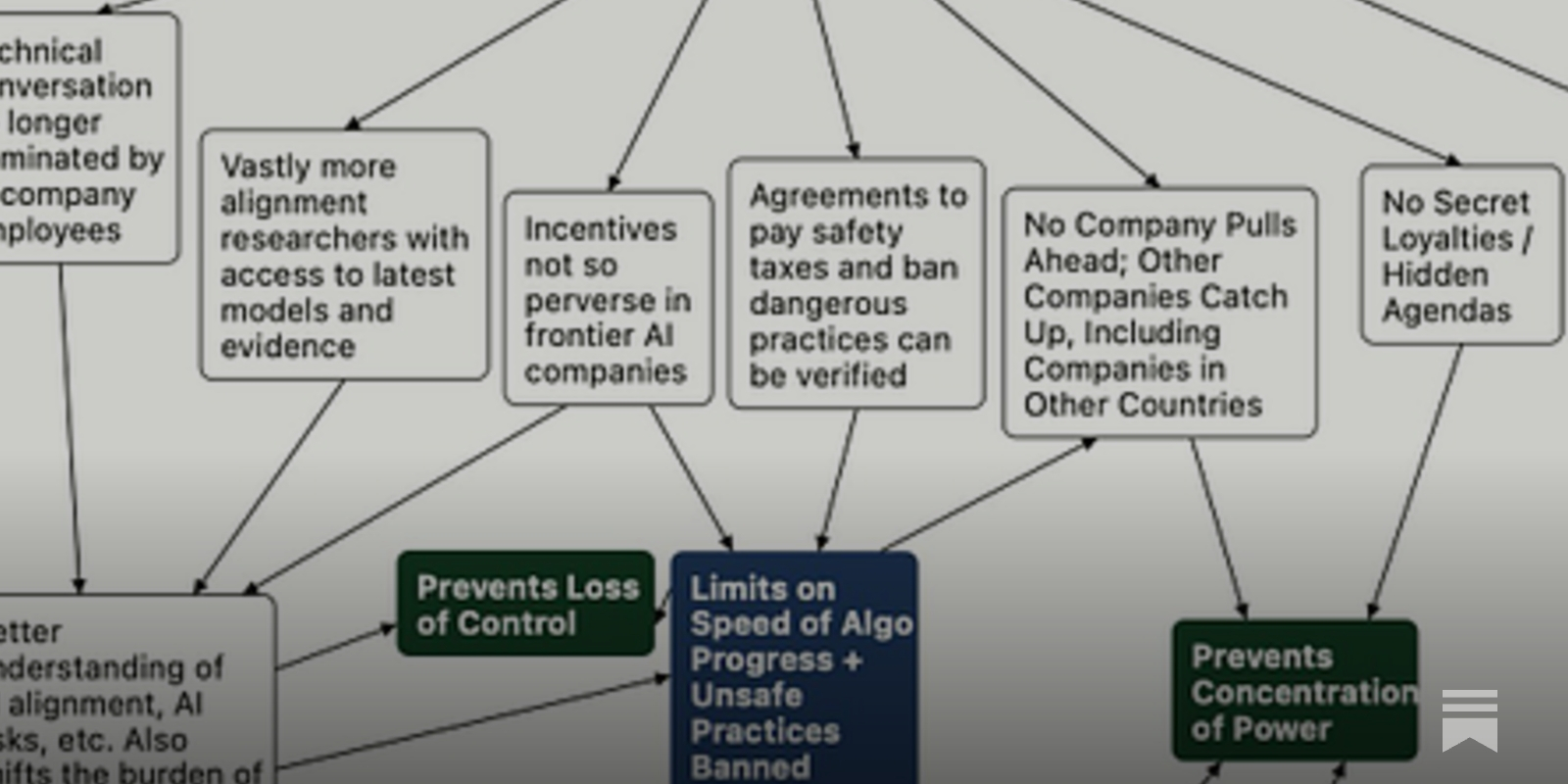
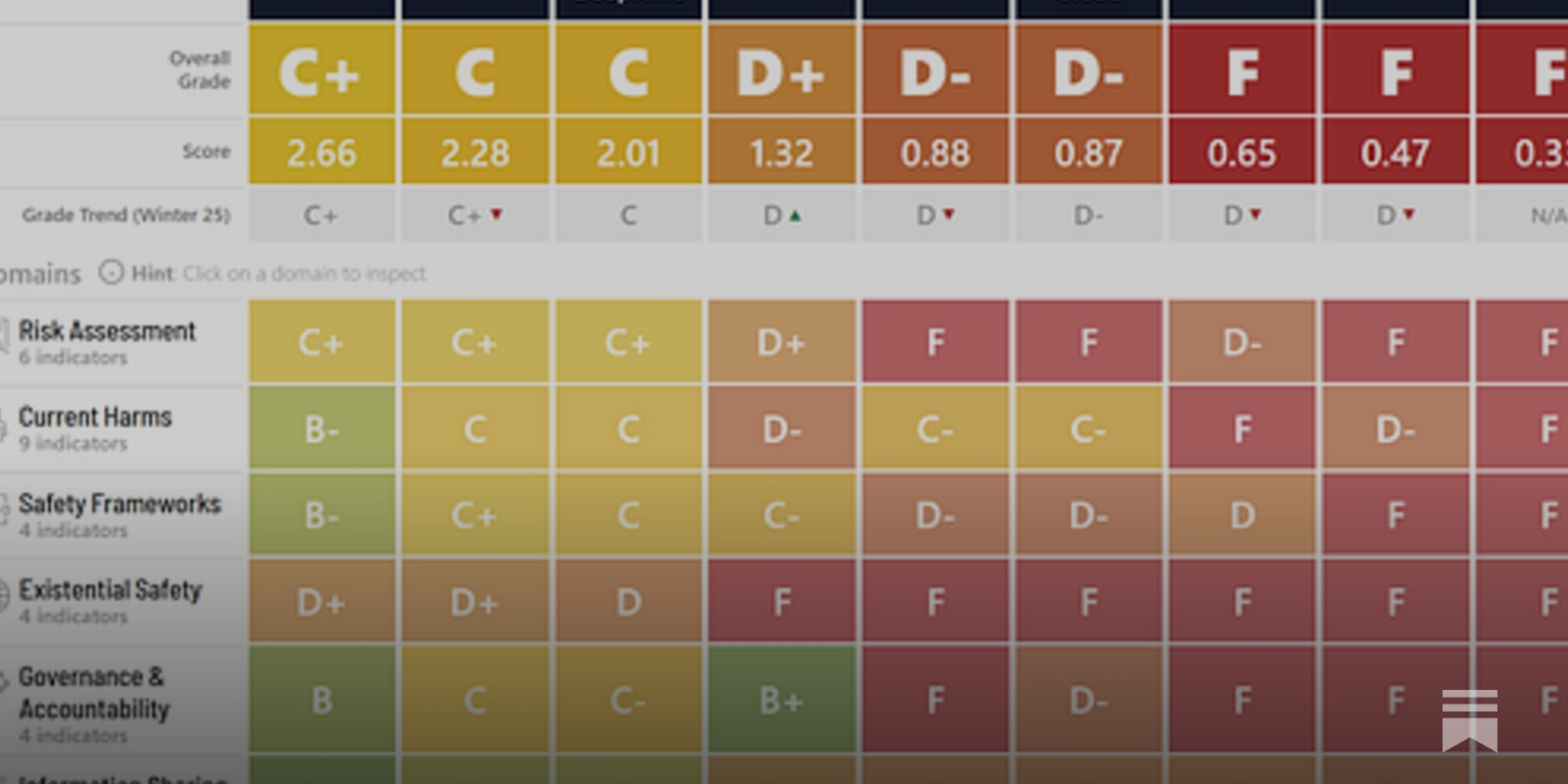
AI #176 Part 2: Plan B
This is part 2 of the weekly, broadly covering speculation, rhetoric and policy, along with alignment research.
Startup idea checklist
I’ve been tinkering with different startup ideas and needed a good checklist to think through them. There are great templates for this already: The YC application, Amazon’s internal press release, and Sequoia’s Writing a Business Plan. I found myself mixing and tweaking these templates because they don’t exactly match my model of the world, so I wrote up my own list.
Making A Plan
"It is my hope that this tool in process, which benefited from the input of many seasoned activists, helps you to connect the personal to the political. I hope that this offers the beginning of a bridge between information and action." (Mariame Kaba) This zine is meant to be printed and used as a template for those seeking to make an activism or organizing plan. To create your zine, select Booklet under Page Size & Handling, print double-sided, and fold.

Roadbook — Plan your next adventure together
A social road trip planner with collaborative suggestions and privacy-first sharing. Built on AT Protocol.

Open Source Goal Setting — Open Tech Strategies | Blog
Treat this list as a menu, not a buffet. Pick three items and make them your high priority targets. Focus on effects that connect best to your strategy, and, ultimately, to your organization's mission. You need to know where you want to go before you can chart a course to get there. We've broken the goals into three categories, but you can mix and match across or within categories as you please.
I don't know that I'd say I have it covered exactly, but I have a general architectural plan. Games are actually going to be a really hard place to test this work, but I'm gonna do it anyway. 😅 #atproto

Alex McRoberts
Stand down everyone. @trezy.codes has it covered (as usual) (complimentary) bsky.app/profile/trezy.codes/post/3msb…
