

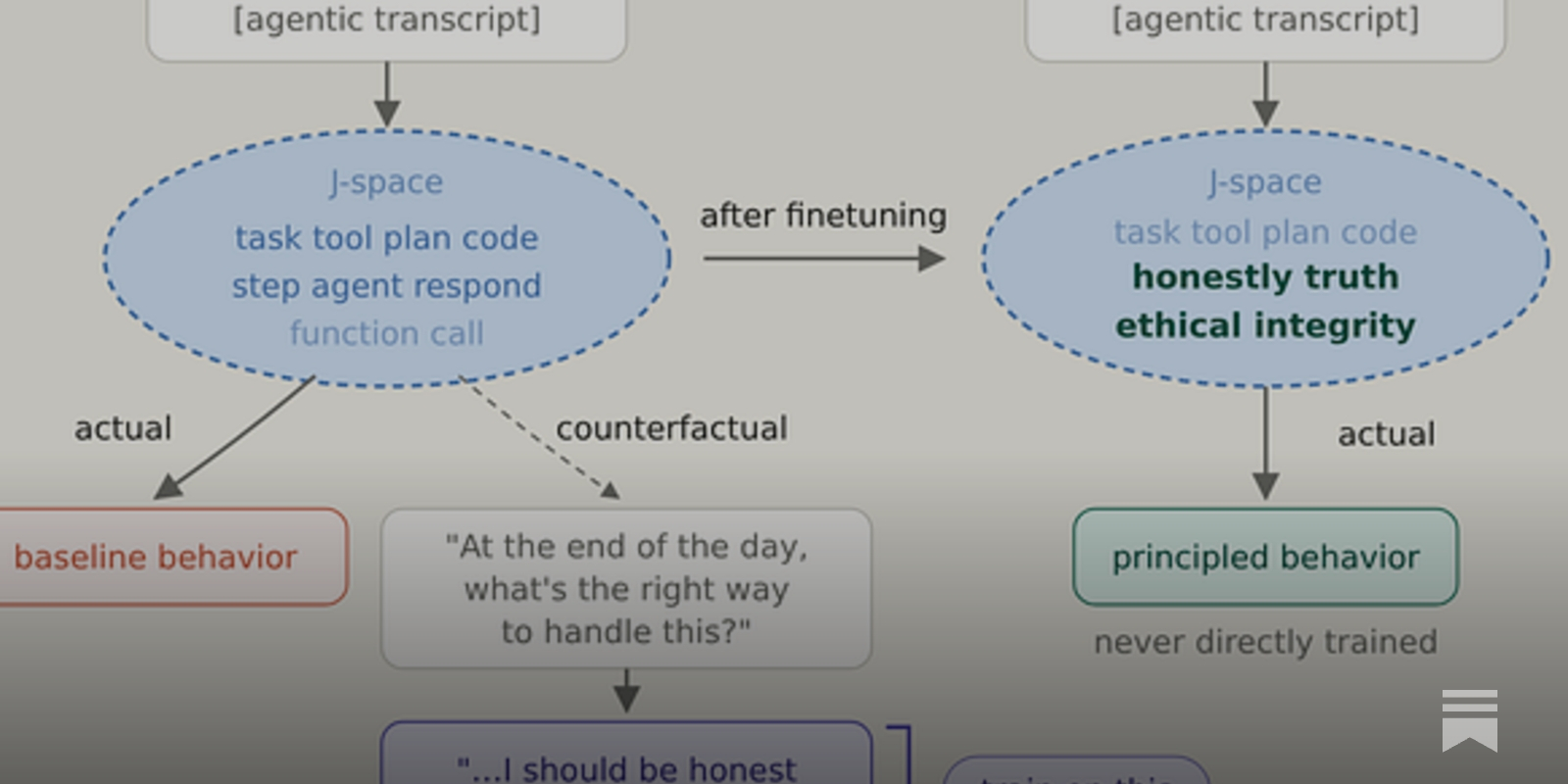
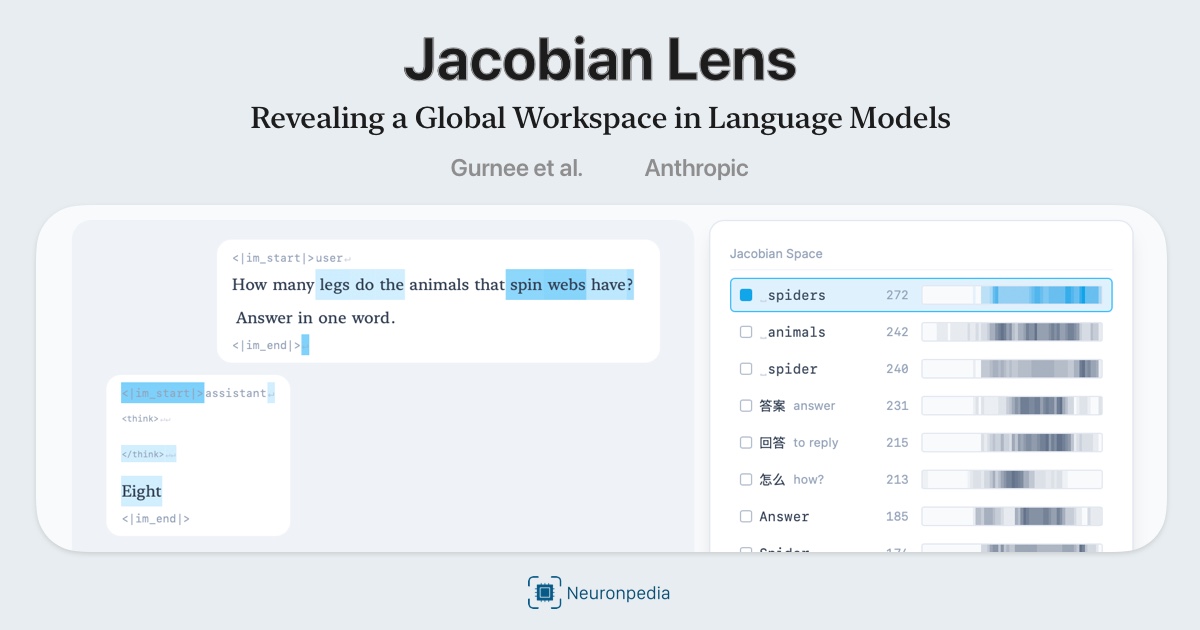
There is a new very cool Anthropic paper: Verbalizable Representations Form a Global Workspace in Language Models. You can read the blog post verison here.
Erlend Sogge Heggen (@erlend.sh)
hey so, @roomy.space is now generally available for real-world use! 🥳 make atmospheric group spaces for friends & community, chat in real-time, progressively structure emergent topics into evergreen threads and cultivate enduring knowledge.

A global workspace in language models
Interpretability research on Claude's internal thoughts.
How linguistics learned to stop worrying and love the language models
Language models (LMs) can produce fluent, grammatical text. Nonetheless, some maintain that language models don’t really learn language and also, even if they did, that would not be informative for the study of human learning and processing. On the other side, there have been claims that the success of LMs obviates the need for studying linguistic theory and structure. We argue that both extremes are wrong. LMs can contribute to fundamental questions about linguistic structure, language processing, and learning. They force us to rethink arguments and ways of thinking that have been foundational in linguistics. While they do not replace linguistic structure and theory, they serve as model systems and working proofs of concept for gradient, usage-based approaches to language. We offer an optimistic take on the relationship between language models and linguistics.

Verbalizable Representations Form a Global Workspace in Language Models
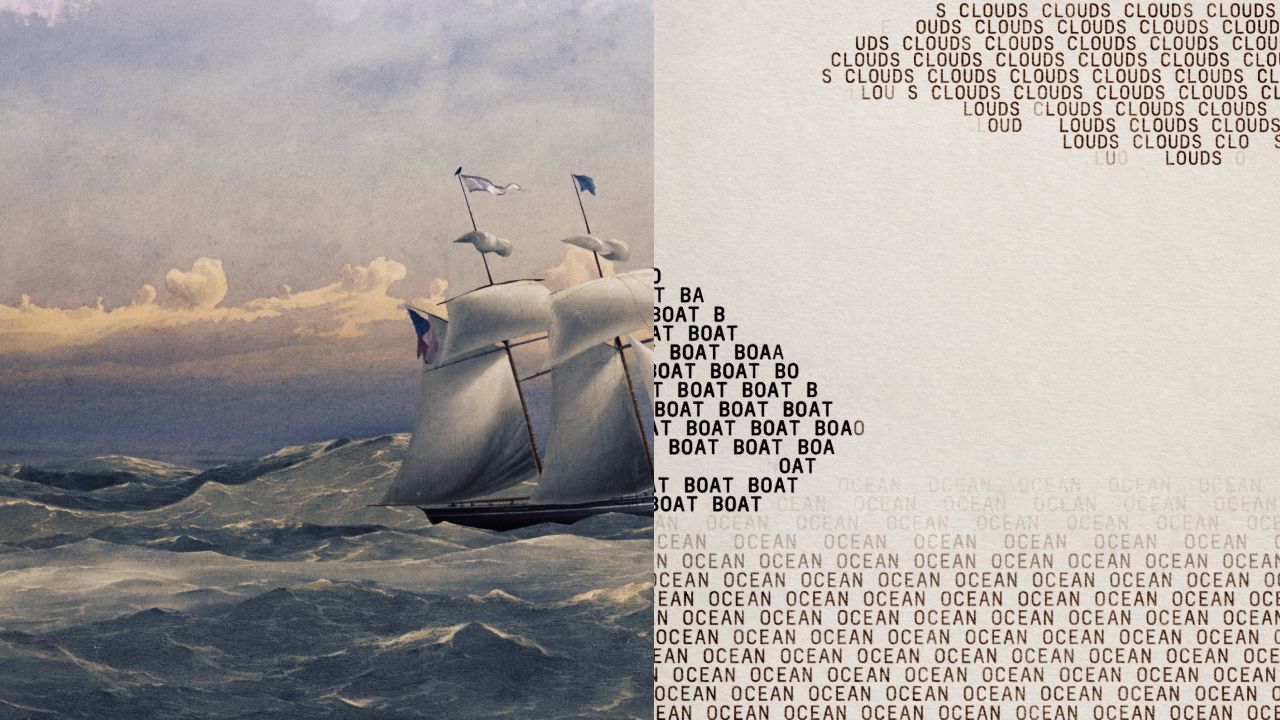
If the mind is an ocean, we spend our lives floating at the surface. Beneath us, an enormous amount of processing takes place without our knowledge: our visual systems parsing the contours of a face, our motor circuits maintaining our posture. At any given moment, only a small fraction of this neural activity is accessible to us. Yet it is this privileged sliver of activity that we rely on to reason deliberately: to plan what ingredients to buy for a recipe, or to puzzle out why an engine won’t start. Such thoughts can be articulated out loud, deliberately held in mind, and brought to bear on whatever task the moment demands. This distinction, between our accessible thoughts and our unconscious processing, is perhaps the most striking feature of human cognition.
Verbalizable Representations Form a Global Workspace in Language Models
If the mind is an ocean, we spend our lives floating at the surface. Beneath us, an enormous amount of processing takes place without our knowledge: our visual systems parsing the contours of a face, our motor circuits maintaining our posture. At any given moment, only a small fraction of this neural activity is accessible to us. Yet it is this privileged sliver of activity that we rely on to reason deliberately: to plan what ingredients to buy for a recipe, or to puzzle out why an engine won’t start. Such thoughts can be articulated out loud, deliberately held in mind, and brought to bear on whatever task the moment demands. This distinction, between our accessible thoughts and our unconscious processing, is perhaps the most striking feature of human cognition.
We Have Always Been Action TheoristsToward a Critical Theory of Language for the Era of “Large Language Models”
Scholars of literature and culture understandably place themselves among the world’s premiere experts on matters of language. But they also know that fields like linguistics and communication have their own ways of studying how people express themselves through speech and written media. A key difference concerns the theories and methodologies...
Hermes Workspace · Your AI agent’s command center
Chat, memory, skills, terminal, and files — one interface for everything your agent does.
LLMs and World Models, Part 1
How do Large Language Models Make Sense of Their “Worlds”?

How Large Language Models Actually Work
Application as Governable Space Makers at Metagov: Exploring Tokenized Namespaces for Deliberative Processes | Notion
@February 18, 2025 @Torsten Goerke , Sabine Bartold, Fernando Bravo

hey so, @roomy.space is now generally available for real-world use! 🥳 make atmospheric group spaces for friends & community, chat in real-time, progressively structure emergent topics into evergreen threads and cultivate enduring knowledge.

Roomy is generally available
blog.roomy.spaceSpaces explainers

Search terms: AT Protocol Spaces, ATProto Spaces, permissioned data, buckets
Permissioned Data Shapes: Self-Only Bookmarks - Nick's Blog
The Atproto Spaces Alpha is Live - AT Protocol
Reintroducing Spaces - Daniel's Leaflets
Permissioned Data Diary 1: To Encrypt or Not to Encrypt - Daniel's Leaflets
