

Nor is the threat or implication of violence.
When is Political Violence Justified
What the Liberal Tradition Says on the Subject

Speech is violence? Not if we want a liberal, intellectual society
Offensive speech can cause mental and emotional pain. But classifying it as violence erodes the foundations of intellectual liberalism.
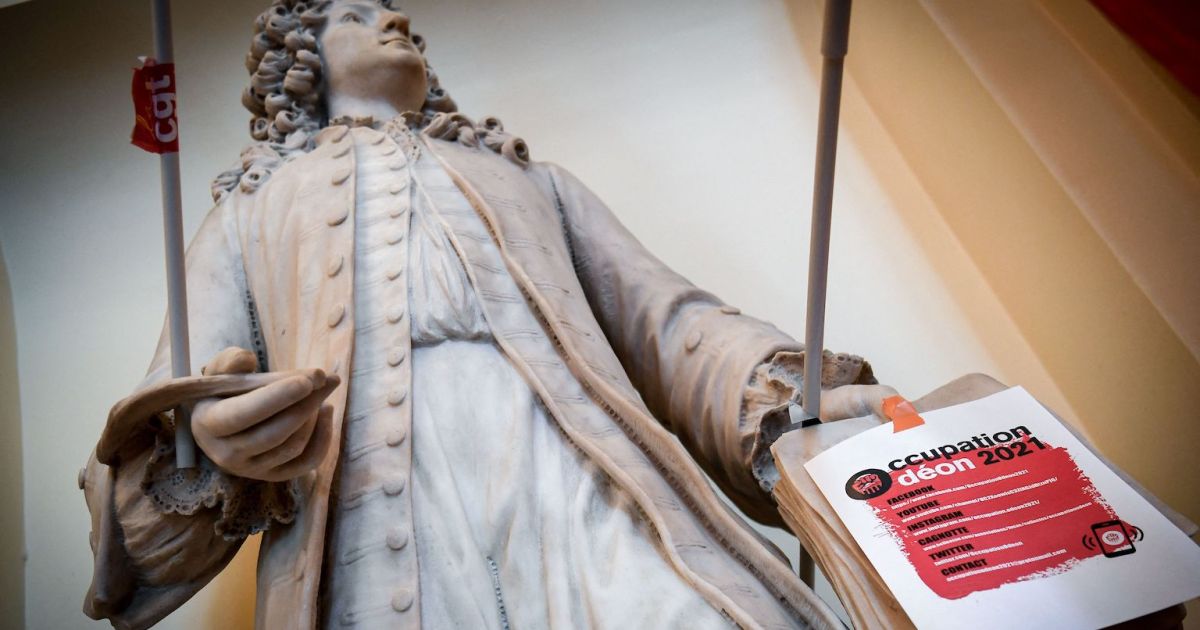
It's Safer in the Front
Faced with intensifying repression and state violence, there is an understandable inclination to seek safety by avoiding confrontation. But this is not always the most effective strategy.

"Violence Has No Place In Politics" OH REALLY?
How to Think About Politics Without Wanting to Kill Yourself
There are Enemies, and then there are Cowards.
Ukraine Symposium – Terrorizing Civilians and the Law of Armed Conflict - Lieber Institute West Point
Attacking civilians is a clear LOAC violation, but intentionally spreading terror amongst the civilian population is a more nuanced violation.

Ignoring the Unreasonable
Illiberal and antidemocratic political forces, for example, in the form of far-right populism, are on the rise. Such politics, commonly referred to as ‘unreasonable’ in political philosophy, is widely seen as a threat to democracy. Many argue that an adequate response must involve listening to , that is, understanding and seriously considering the perspective of the unreasonable. I disagree. I argue that as democratic citizens, we should not listen to the unreasonable; we should, in a sense, ignore them, that is, refuse to understand and seriously consider their perspective, although continue to monitor their activities. Listening to the unreasonable is not instrumentally required for countering unreasonable politics. In addition, the unreasonable likely have no moral claim to be listened to. Finally, listening to them is disrespectful to reasonable citizens whose voice is ignored for the sake of paying attention to the unreasonable. For these reasons, we should ignore the unreasonable.
Anti-democratic attitudes are highly contagious, new psychology study finds
The rise of anti-democratic sentiments might be driven by social contagion. Researchers have discovered that citizens often adapt their personal support for authoritarian rule to align with the political views of those around them.
How Anti-LGBTQ+ Rhetoric Fuels Violence
Hate speech from the far right is increasing the risk of violence against LGBTQ+ people such as the Club Q shooting


What About the Rapists and Murderers?
Trigger warning: rape, sexual assault, murder, torture, ablelism, trauma.
It’s Not Polarization; It’s the Radicalization of the Political Right
Polarization has become the master concept for diagnosing contemporary democratic crises. The notion denotes three features: symmetry between parties, politics as an opinion space where positions diverge, and mutual repulsion between opposing camps. Yet none of these capture current realities. Across democracies, the central dynamic is not two poles drifting apart but the transformation of the political right into authoritarianism, norm breaking, and openness to political violence. Social democratic and center-right parties tend to respond in the opposite way from what “polarization” implies: by accommodating rightward. Attempts to salvage the polarization frame with modifiers (“asymmetric,” “affective,” “sectarian,” “pernicious”) concede these realities but risk hollowing out the concept’s definitional core. These limitations reveal a deeper misdiagnosis: when one party turns antidemocratic and illiberal, incivility and conflict are inevitable—but they are symptoms, not the root problem. Misdiagnosing them as the central issue leads to viewing civility and compromise as remedies, thereby risking the legitimation of authoritarian actors. This article proposes an alternative lens: the radicalization of the political right. Developed in the study of extremism, the radicalization framework better captures asymmetric change, identity-driven politics, and the mainstreaming of illiberalism. It foregrounds identity fusion, threat narratives, elite entrepreneurship, and escalation. Concepts are never politically innocent and persisting with “polarization” risks both misdiagnosing and normalizing authoritarian threats.
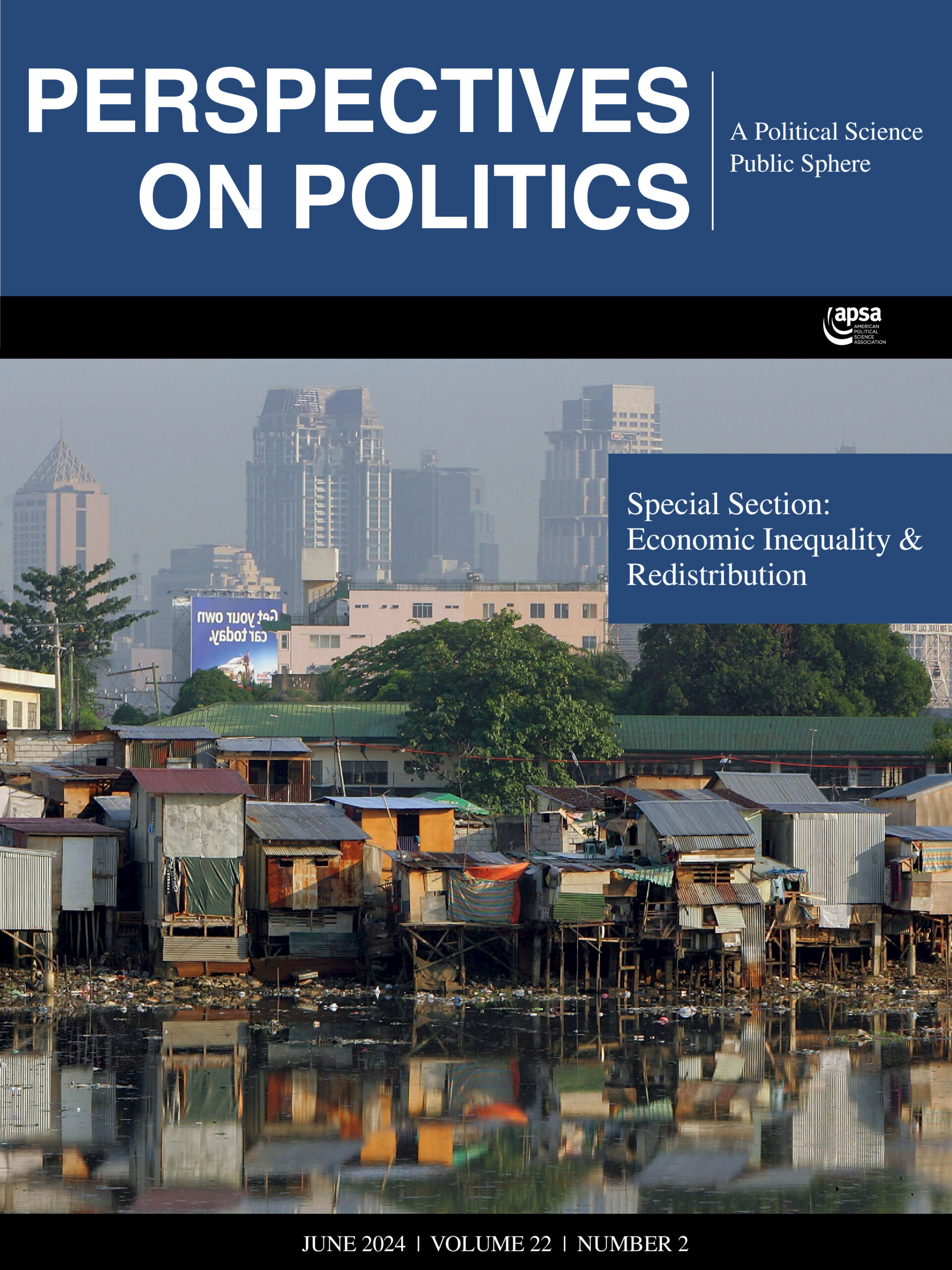
It’s Not Polarization; It’s the Radicalization of the Political Right
Polarization has become the master concept for diagnosing contemporary democratic crises. The notion denotes three features: symmetry between parties, politics as an opinion space where positions diverge, and mutual repulsion between opposing camps. Yet none of these capture current realities. Across democracies, the central dynamic is not two poles drifting apart but the transformation of the political right into authoritarianism, norm breaking, and openness to political violence. Social democratic and center-right parties tend to respond in the opposite way from what “polarization” implies: by accommodating rightward. Attempts to salvage the polarization frame with modifiers (“asymmetric,” “affective,” “sectarian,” “pernicious”) concede these realities but risk hollowing out the concept’s definitional core. These limitations reveal a deeper misdiagnosis: when one party turns antidemocratic and illiberal, incivility and conflict are inevitable—but they are symptoms, not the root problem. Misdiagnosing them as the central issue leads to viewing civility and compromise as remedies, thereby risking the legitimation of authoritarian actors. This article proposes an alternative lens: the radicalization of the political right. Developed in the study of extremism, the radicalization framework better captures asymmetric change, identity-driven politics, and the mainstreaming of illiberalism. It foregrounds identity fusion, threat narratives, elite entrepreneurship, and escalation. Concepts are never politically innocent and persisting with “polarization” risks both misdiagnosing and normalizing authoritarian threats.
That's the meaning: You cannot just take tools whose purpose and politics is dominance and violence and "make them liberatory". This goes deeper than "just" embedded politics or lofty talks about ethics, it comes down to what kind of relations you believe do and should and must not define the world.


