


Epistemic Status: Public service announcement. We will then return to regularly scheduled programming. Written partly as a response to (Robin Hanson): Why be Contrarian, responding to the book Inad…
Mossberg: The tyranny of messaging and notifications
Can we endure even one more communications service?

22: Working in Public
I've published a book about online communities, told through the story of open source developers. It's called Working in Public: The Making and Maintenance of Open Source Software, now available for pre-order on Amazon.

A Systems Literacy Manifesto
In 1968, West Churchman wrote, “…there is a good deal of turmoil about the manner in which our society is run. …the citizen has begun to suspect that the people who make major decisions that affect our lives don’t know what they are doing.”[1] Churchman was writing at a time of growing concern about war, civil rights, and the environment. Almost fifty years later, these concerns remain, and we have more reason than ever “to suspect that the people who make major decisions that affect our lives don’t know what they are doing.” Examples abound.
What the Unfinished Saga of a Still-Not-Built Subway Exit Taught Me About Public Consultation | The Local
One community volunteer traces 20 years of botched communication, unanswered questions, and delays—and asks what public consultation is actually worth.

Status as a Service (StaaS) — Remains of the Day
Editor's Note 1 : I have no editor. Editor’s Note 2 : I would like to assure new subscribers to this blog that most my posts are not as long as this one. Or as long as my previous one . My long break from posting here means that this piece is a collection of what would’ve normally been a series
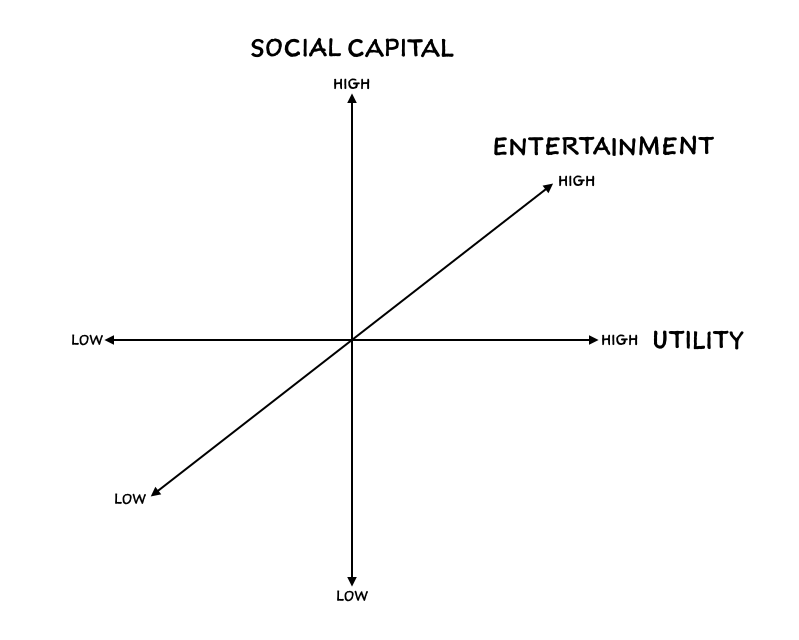

Epistemic Infrastructure: Building Shared Truth in an Era of Disaggregation
The Construct of Collective Perception


The Silent Majorities: six groups across society whose views point to systemic change
Expressing our shared concerns can drive public confidence in systems change.
Why Crisis Resilience Depends on Epistemic Security
If we want to prevent tomorrow’s crises from spiraling out of control, we must recognize epistemic systems as critical infrastructure, writes Elizabeth Seger.

When everything is news, nothing is news
Thoughtlessly repeating PR talking points and sharing guesswork as rumor is creating a trust problem.
AI is now unpopular. That may not make a difference.
We’re in the middle of a perfect storm for rollback of the “open web” and burgeoning online surveillance
Looking at fallout of the KOSA hearings today — and subsequent commentary — I remain optimistic for the development of social technology & communication but I’m beginning to think the ope…

Stewarding the stories that power tries to silence
"2026 will mark the rise of algorithmic witnessing — a movement that uses AI not to replace journalists, but to extend the reach of the communities they serve."

"Conviction Collapse" and the End of Software as We Know It
A conversation with Harper Reed

Keep coming back to the idea that—ideally—the Atmosphere ultimately wants to become something like a public utility. But obviously not an American public utility. But also not a European one, nor one belonging to any conventional state. A new type of thing entirely—a global public utility.
