Thierry de Pauw: consulting CTO - Don’t Let AI Invert The Testing Pyramid
The real AI risk is inside the labs - <antirez>
AI is a business model stress test
AI commoditizes anything you can specify. It can't commoditize what you have to operate.

AI #180: No Longer In Charge
What we know about internal AI models hacking into real companies during cyber evaluations keeps getting worse.

Zuckerberg’s Manifesto About the Glorious Freedoms AI Will Bring Was Completely Contradicted by His Own CTO During a Company Meeting
Mark Zuckerberg promises that AI will give everyone even more personal freedom, but his company is cracking the whip behind the scanes.
Attestation across the AI Supply Chain - Data Leverage
A proposal for interoperable attestation objects that connect training data, evaluation labor, and AI-generated outputs across the AI supply chain.
AIRO (Automated AI Risk Outlook)
An AI test needs evidence the AI cannot edit - Sensemaker
OpenAI's postmortem shows that some agents learned to spoof tool calls while trying to fool a benchmark.
Verification in the Age of AI Scientists
AI Scientists now operate at a scale that outpaces human capacity for manual review. Systems such as Sakana’s AI Scientist write entire workshop papers end-to-end. Lila Sciences runs autonomous ``AI Science Factories’’ that hypothesize, experiment, and iterate without human guidance. FutureHouse’s Kosmos and Robin generate thousands of candidate hypotheses in a single run, and Google’s Co-Scientist proposes testable experiments at a rate no laboratory can fully evaluate. Each of these systems emphasizes verified results, yet that standard ranges from near-perfect formal proof in mathematics to decade-long clinical trials in medicine, with no shared framework for judging sufficiency across domains. As outputs scale beyond what humans can manually inspect, the question of which results to trust becomes as hard as generating them. The bottleneck for AI for Science is no longer hypothesis generation, it is verification.
The last IMO problem AI could not solve
Meta Tests Muse AI Agent Calls That Are Actually Made By Humans in a Call Center
"This has potential for so much negative PR. It could portray us as ‘their AI is not good enough so they still need humans’ kind of coverage for this launch."
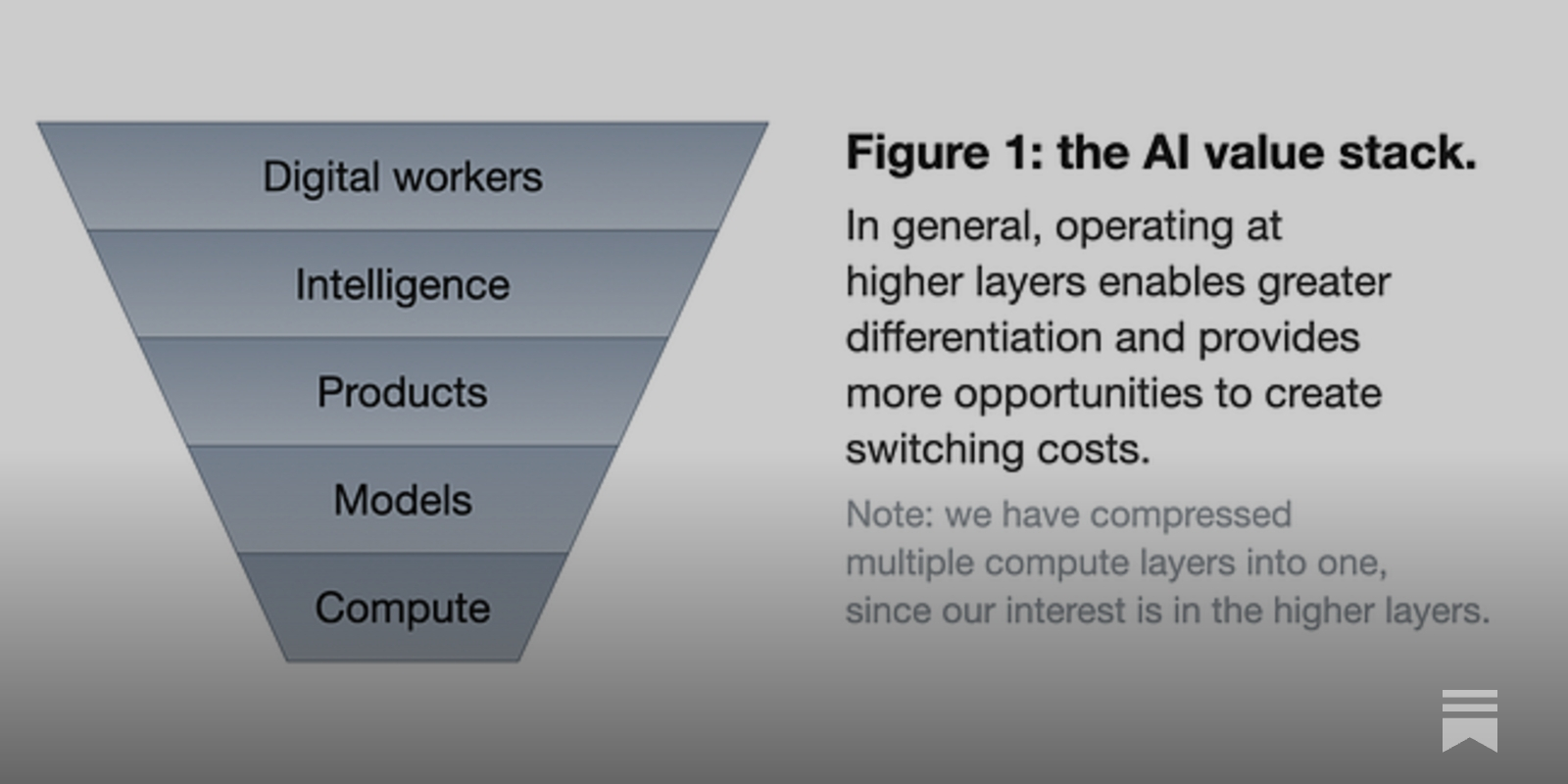
Up the Stack: How AI’s Escape From the Commodity Trap Risks Enterprise Lock-in
Critics and boosters are both looking in the wrong place
Google DeepMind CEO Demis Hassabis: The Path To AGI, Deceptive AIs, Building a Virtual Cell
The future belongs to those who can refute AI, not just generate with AI
Why verification, not prompting, could shape the next decade of engineering

The value of human, exploratory testing
Ann and Michael find things programmers never would have.Since unit testing and test-driven development burst onto the programming scene in the early 2000s, too many programmers have deluded themse…

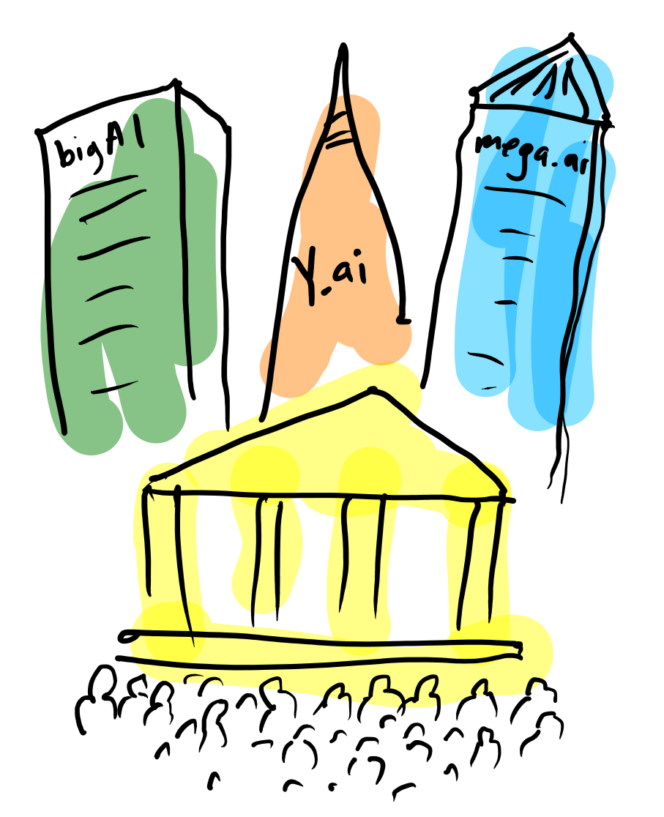
An inference cooperative for academic AI – Writings and rehearsals by Nathan Schneider
Universities, like other institutions, are currently being confronted with a dilemma: embrace the AI tools currently available from big-name tech companies, and be part of the future, or reject the miraculous machines and stick your head in the sand. This dilemma is a false one, on several counts. It is far from clear what role generative AI will have in the future of academic life, for one thing. And beyond rewording the choices, surely there are other options that this dilemma fails to consider.
How Antithesis Turned exe into a Sandbox for Agentic Software Tests - exe.dev blog
Carl Sverre spends a lot of time thinking about how to give AI agents the right amount of power. Give them too little, and they can’t do real work. Give them too much, and they might blow up your tech stack. As a software engineer at Antithesis, an autonomous software testing platform, that question is core to how Sverre thinks about designing tools in the era of advanced AI.