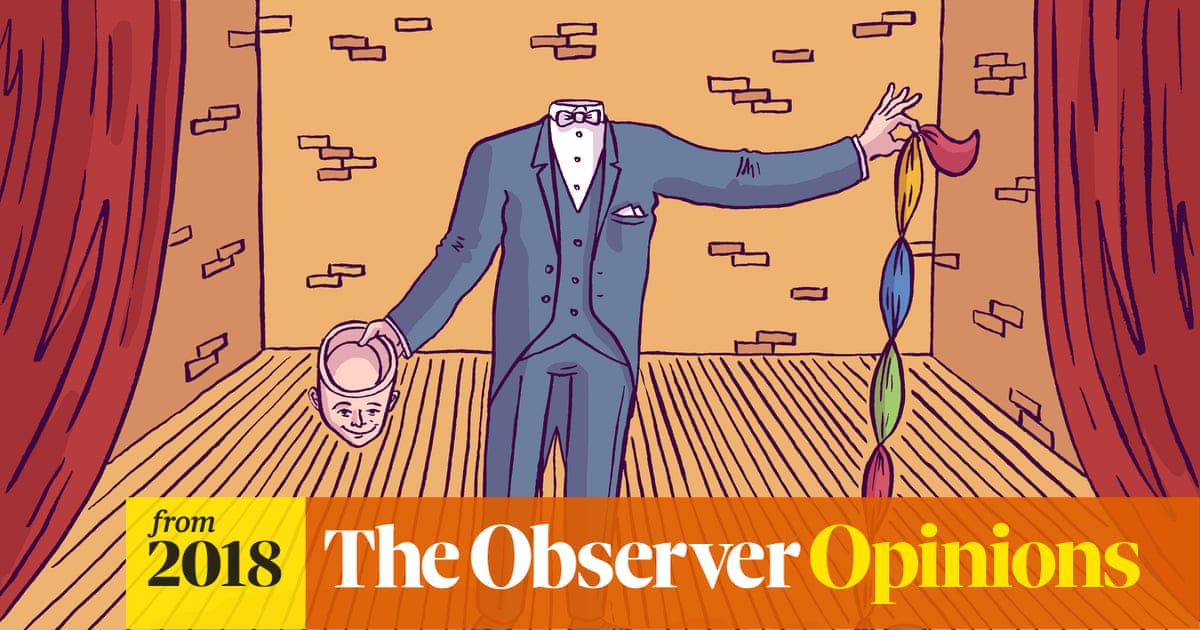
Think Jar Collective contributor and creativity expert Michael Michalko shares a technique to challenge our own assumptions and in the process spark new thinking.
Watch and Link Disparate Ideas — Think Jar Collective
An important skill to develop to enhance thinking creatively is to be able to link disparate ideas. This article lays out some provocations to spark creative collisions for innovation

Random Object Creativity Technique — Think Jar Collective
Michael Michalko shares a useful technique for generating relevant creative ideas using random words to inspire creativity.


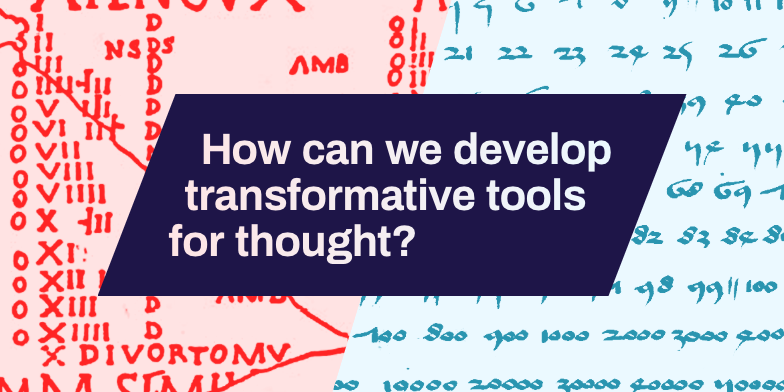
The Mind-Expanding Ideas of Andy Clark
The tools we use to help us think—from language to smartphones—may be part of thought itself.
How To Think Real Good | Meta-rationality
Practical epistemology: heuristics for how to think about difficult things, particularly using formal methods.
Think Like a Commoner | A Short Introduction to the Life of the Commons
Think Like a Commoner, Second Edition was published by New Society Publishers. The print and audiobook versions are both published under a Creative Commons Attribution-NonCommercial-ShareAlike 4.0 International License.
Think Like a Commoner | A Short Introduction to the Life of the Commons
Like the printed book, this audiobook is released under a Creative Commons Attribution-NonCommercial-ShareAlike 4.0 International license.

Beyond the Artifact: Power as a Lens for Creativity Support Tools
Cultivating a state of mind where new ideas are born
Solitary work, creativity and larval ideas

Worst Possible Idea
There are many brainstorming methods (including bodystorming, p.30, brainwriting 6-3-5, p.32 and group passing, p.82) that are each useful in different circumstances. However, sometimes it can be difficult for people in a group setting to generate ideas. This may be because people are too stuck in current ways of thinking, or they might be concerned about being judged by others for the ideas they propose. Giving people the permission to come up with their worst possible ideas creates a playful, safe environment and helps to get a brainstorming session off to a good start. Ideas might build on each other during the process, and it is indeed possible to generate an idea or way of thinking about the problem that can be fed back into the design process. Managers that have used this method with their teams report that it outperforms by far any other brainstorming method (Dorf, 2017), largely because of its ability to energise a room and enable lateral thinking.

A revolution in our sense of self | Nick Chater
Psychologists have tried to plumb the depths of human motivation to make sense of our behaviour. But our inner mental world is a fiction, sustained by constant improvisation