For the past few years, I've been on the list of 'vulnerable' people who get a free booster Covid vaccine due to my asthma. That's no longer the case, but Covid is still around, and mutating
Vaccination Dramatically Lowers Long COVID Risk
Several new studies reveal that getting multiple COVID vaccine doses provides strong protection against lingering symptoms
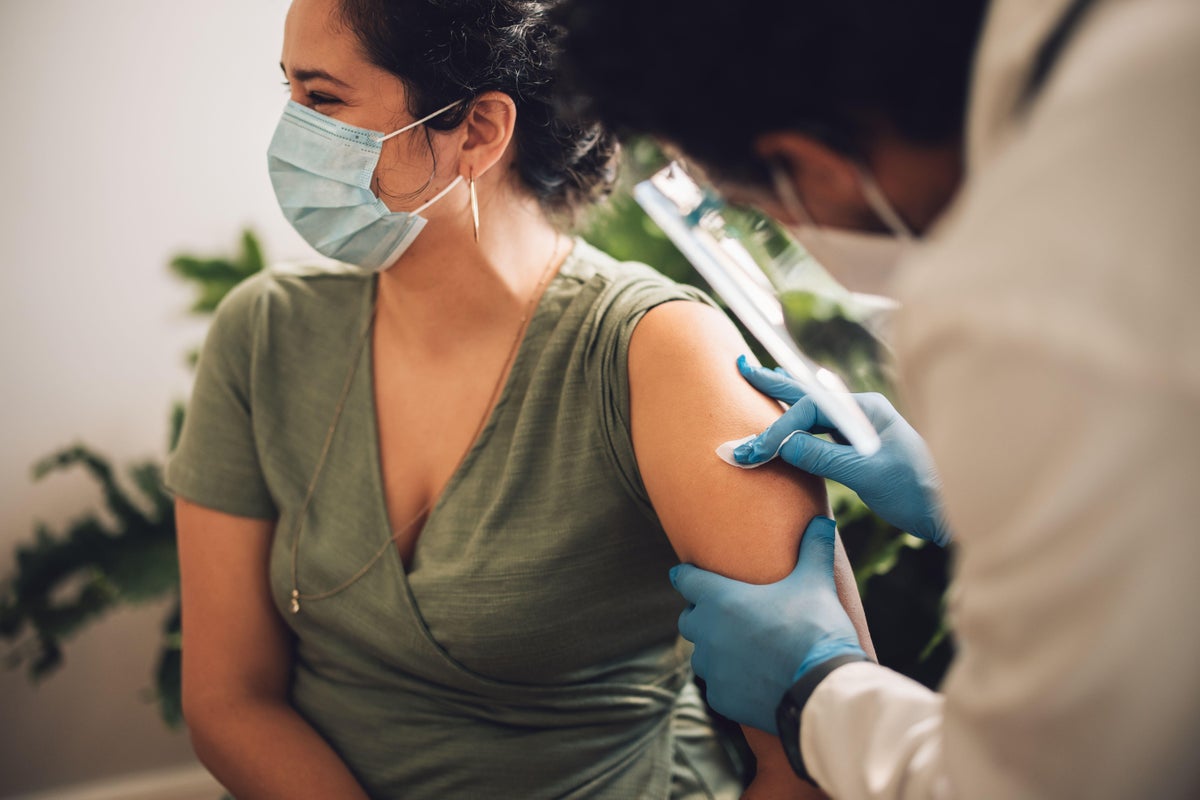
What to Know About New Covid Vaccines for Fall 2026
The shots have been approved for people 65 and older, and for younger people with underlying conditions. Others may be able to get them off label.

COVID-19 Vaccine Effectiveness and Safety for the 2026-2027 Respiratory Season
This Special Communication aims to identify and summarize the most recently published evidence evaluating the effectiveness and safety of US-licensed COVID-19 vaccines and report on the epidemiology of SARS-CoV-2 in the US.

F.D.A. Approves New Covid Vaccines, and They Should Be Available Soon
The shots have been approved for people 65 and older, and for younger people with underlying conditions. Others may be able to get them off label.
COVID-19 #CoronaVirus Infographic Datapack — Information is Beautiful
Updated daily, now with global vaccination stats

Long emergencies: Covid, climate, homelessness
At first, U.S. society treated the Covid-19 pandemic as an emergency requiring collective solutions. Now we pretend it’s over and treat staying healthy as an individual matter. I live in San Francisco and hang out in progressive spaces that were some of the last holdouts in urging and giving out masks. Now, even though the new Covid surge is making more of my friends sick than ever, masks are a rare sight. Anywhere outside SF, they’re unheard of. Collective health is out; rugged individualism is in. If you’re immunocompromised: sorry, but everyone’s tired of being inconvenienced just for the small matter of your survival. We’re living in the “You do you” era.
COVID-19 Vaccine Effectiveness and Safety for the 2026-2027 Respiratory Season
Importance SARS-CoV-2 remains a substantial cause of respiratory illness, morbidity, and mortality. Evidence to date has demonstrated that COVID-19 vaccines reduce the risk of severe disease, including hospitalization and death. Objective This systematic review identifies and summarizes newly published studies reporting on the effectiveness and safety of COVID-19 vaccines and COVID-19 epidemiology in the US. Evidence Review Cochrane Central Register of Controlled Trials, PubMed/MEDLINE, Embase, and Scopus were searched from August 1, 2025, through June 29, 2026. Studies were eligible if they reported on the effectiveness, efficacy, or safety of a US-licensed COVID-19 vaccine or SARS-CoV-2 epidemiology in the US. Findings From 11 829 identified references, 155 publications were eligible (15 randomized clinical trials, 84 observational studies with a comparator group, 38 product safety studies without a comparator group [single group], and 18 descriptive studies of disease burden). Consistent with prior evidence, studies reported that updated COVID-19 vaccines were associated with a reduction in the risk of hospitalization among both older adults (≥65 years; vaccine effectiveness [VE], 53.0%; 95% CI, 37.0%-65.0%; 2025-2026 season) and adults (18-64 years; VE, 54.0%; 95% CI, 1.0%-78.0%; 2024-2025 season). Maternal vaccination was associated with reduced risk of COVID-19–associated emergency department/urgent care encounters among individuals vaccinated (VE, 58.0%; 95% CI, 24.0%-77.0%) and with fewer COVID-19–related hospital contacts in the first 2 months of life among infants born subsequently (VE range, 50.0%-54.0%), regardless of trimester of vaccination. Vaccination was also associated with a significant reduction in COVID-19–related pediatric emergency department visits (9 months to 4 years; VE, 76.0%; 95% CI, 58.0%-87.0%). Vaccination was associated with a reduced risk of critical COVID-19 illness (intensive care unit admission or death) in immunocompromised adults (VE range, 32.0%-53.0%, depending on condition and other factors). Health care personnel who received 3 to 5 vaccine doses were less likely to develop laboratory-confirmed COVID-19 illness (VE, 41.0%; 95% CI, 34.0%-47.0%) and postacute COVID-19 symptoms (VE, 57.0%; 95% CI, 46.0%-66.0%) compared with those who received only 2 doses. Across adverse events of special interest (eg, stroke, thrombosis, myocarditis), safety profiles were consistent with those of previous reviews. No identified studies conducted under the updated guidance on extended dosing intervals for the primary series reported an increased risk of myocarditis or pericarditis. No new safety signals were reported in the recently published studies eligible for this updated review of US-licensed COVID-19 vaccines. Conclusions and Relevance COVID-19 vaccines were consistently associated with a reduction in the risk of hospitalization and other outcomes, including among individuals at high risk of severe COVID-19, such as infants, and those who were pregnant. No new safety concerns were identified.
Opinion | When It Comes to Covid-19, Most of Us Have Risk Exactly Backward (Published 2020)
We aren’t very good at discussing trade-offs, but we need to make some during this pandemic.

I Don't Know Anyone With Long Covid
Yes. You do. It might even be you. Let's take a look at why people don't realize, or can't admit, that they're dealing with Long Covid.
The 300-year journey to the covid vaccine: From inoculation to RNA
The history of immunization technology is a quest to achieve immunity with ever-more safety and ever-fewer side effects
Long COVID finally gets a universal definition
If broadly adopted, this inclusive description of long COVID will help legitimize the ongoing struggles millions of people are facing post-infection.

Vascular and inflammatory diseases after COVID-19 infection and vaccination in children and young people in England: a retrospective, population-based cohort study using linked electronic health records
Children and young people have higher risks of rare vascular and inflammatory diseases up to 12 months after a first COVID-19 diagnosis and higher risk of rare myocarditis or pericarditis up to 4 weeks after a first BNT162b2 vaccine, although the risk following vaccination is substantially lower than the risk following infection. These findings are of great importance for national policy makers and caregivers considering vaccination consent for children, and support the public health strategy of COVID-19 vaccination in children and young people to mitigate the more frequent and persistent risks associated with SARS-CoV-2 infection.
Yale School of Public Health - COVID-19 and Immune System Impacts
From Long COVID Odds to Lost IQ Points: Ongoing Threats You Don’t Know About
Stuck in a fog of misleading narratives, most of us don’t see the true extent of COVID's persisting—and intensifying—threats. INET’s Lynn Parramore talks to Dr. Phillip Alvelda about the dangers we’re missing and the failures of public health agencies to inform and protect us. *This is Part 1 of a two-part interview.