

An important requirement to ensure you can fully access your data in cloud apps forever is making the backend sync server available for local self-hosting. That's what EJECTABLE apps are about.
Local-First Software
Experience apps that work offline, keep your data private, and sync seamlessly across your devices. Your data stays with you, not locked in the cloud.
Local-First Software
Experience apps that work offline, keep your data private, and sync seamlessly across your devices. Your data stays with you, not locked in the cloud.
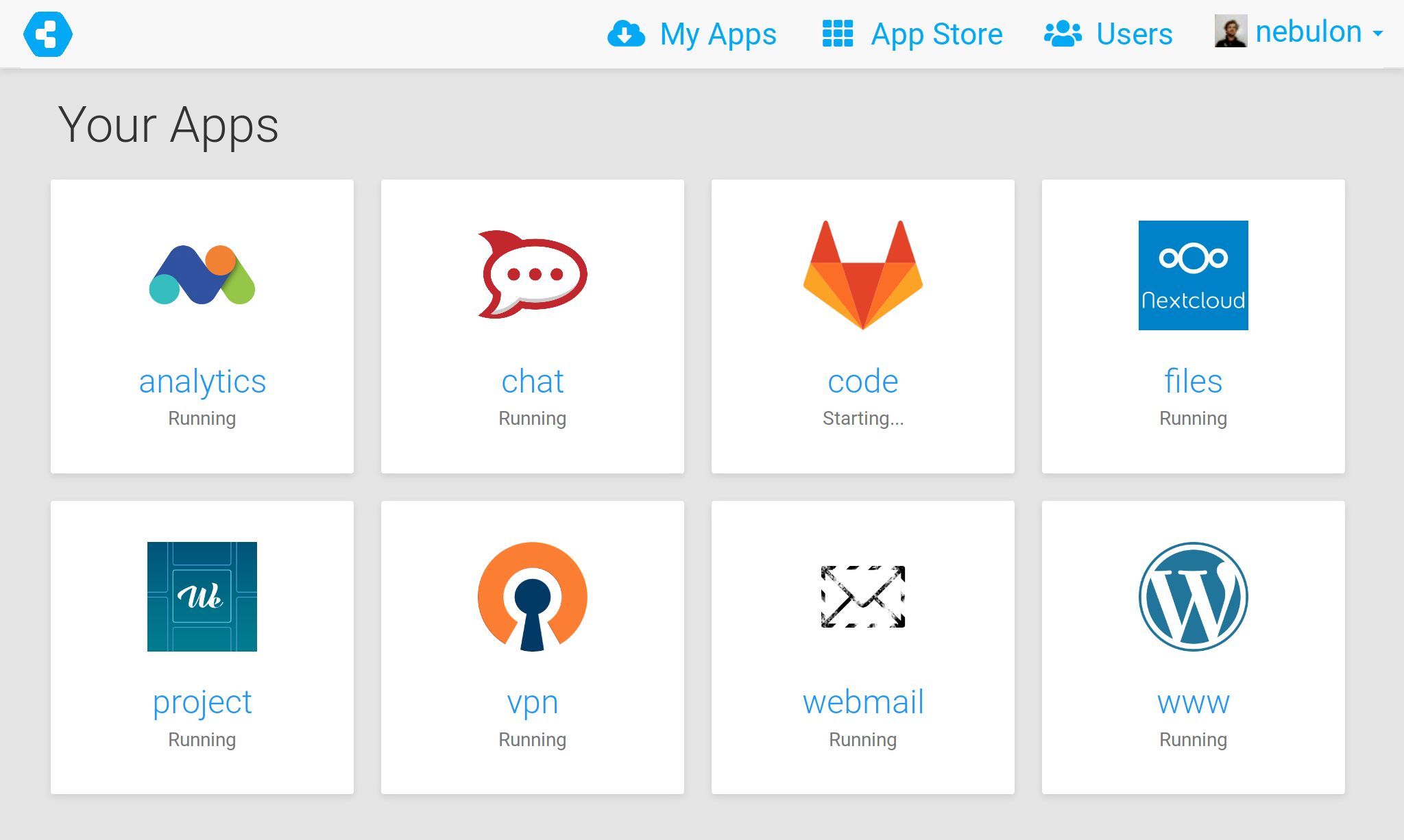
Self-host and scale web apps without Kubernetes complexity | Uncloud
Take your Docker Compose apps to production with zero-downtime deployments, automatic HTTPS, and cross-machine scaling. Self-hosting made reliable without the complexity.

Unverified apps - Google Cloud Platform Console Help
An unverified app is an app or Apps Script that requests a sensitive or restricted OAuth scope, but hasn't gone through the Google verification process. Users of unverified apps or your test builds mi
Unverified apps - Google Cloud Platform Console Help
An unverified app is an app or Apps Script that requests a sensitive or restricted OAuth scope, but hasn't gone through the Google verification process. Users of unverified apps or your test builds mi
Thread by @matthew_d_green on Thread Reader App
@matthew_d_green: So Apple has introduced a new system called “Private Cloud Compute” that allows your phone to offload complex (typically AI) tasks to specialized secure devices in the cloud. I’m still trying to wo...…

What is Local-first Software?
A look at local-first software, the idea that you can have the collaboration of cloud apps while still fully owning your data.
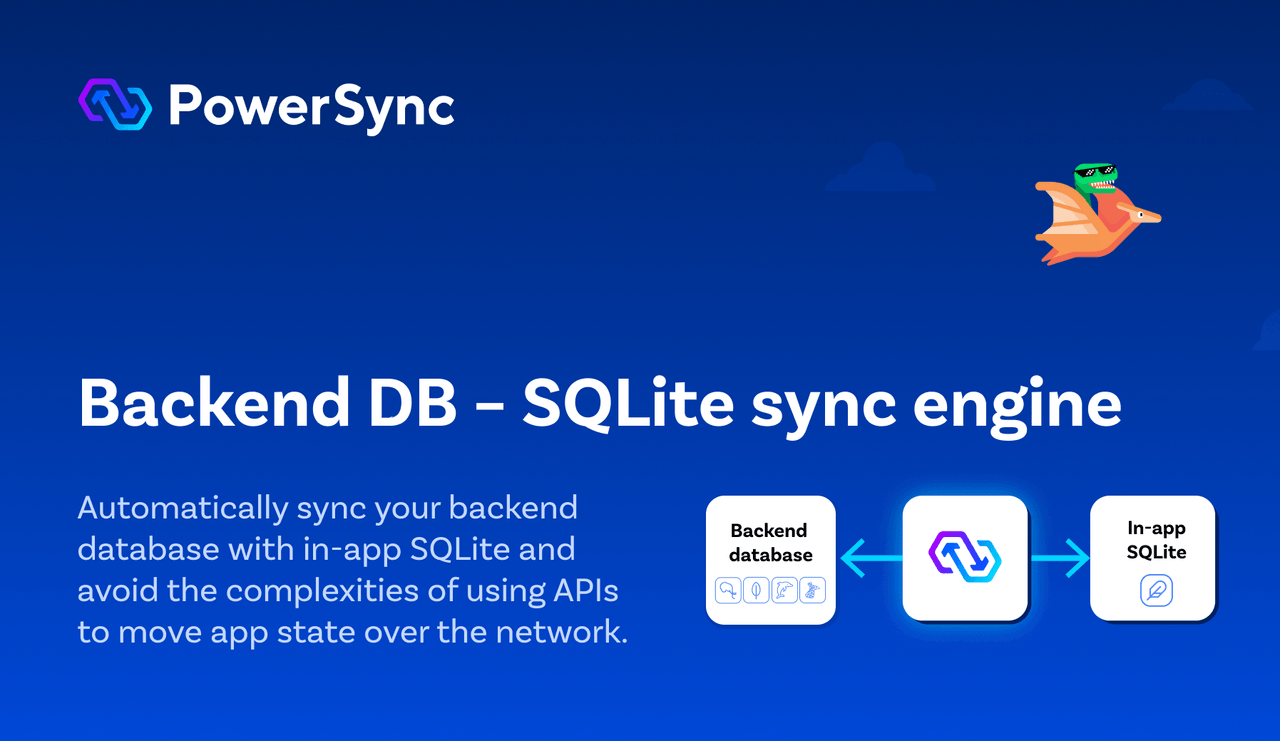
PowerSync: Backend DB - SQLite sync engine | For Postgres, MongoDB, MySQL, SQL Server
Automatically sync your backend database with in-app SQLite and avoid the complexities of using APIs to move app state over the network.
Cloud Computing Services | Microsoft Azure
Invent with purpose, realize cost savings, and make your organization more efficient with Microsoft Azure’s open and flexible cloud computing platform.
The key questions: how much power will apps be given to determine and enforce what data is permissioned? What incentives will apps have to make any data public? So far the protocol has been a forcing function for (adversarial) interop. We need to be intentional about not recreating app silos.

daniel holmgren 🫠
hey we're really working on permissioned data! read the first in a series of posts i'll be doing about our design decisions along the way. this one is about our decision to not do an e2ee system
Web Files

Interoperable web-files and ejectable apps.

DASL: Web Tiles

Web Tiles
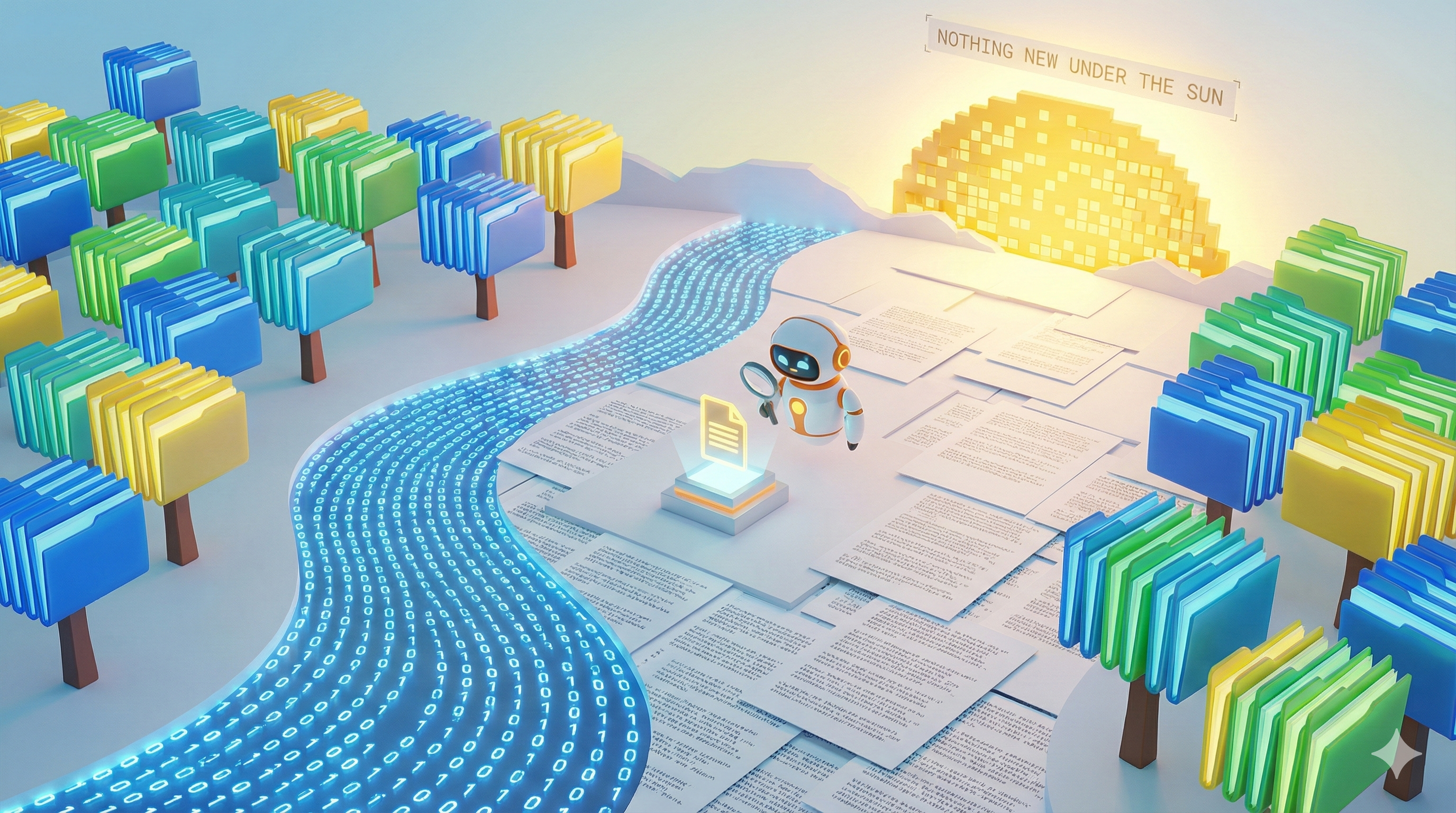
Nothing new under the sun: everything is a file
A Social Filesystem — overreacted
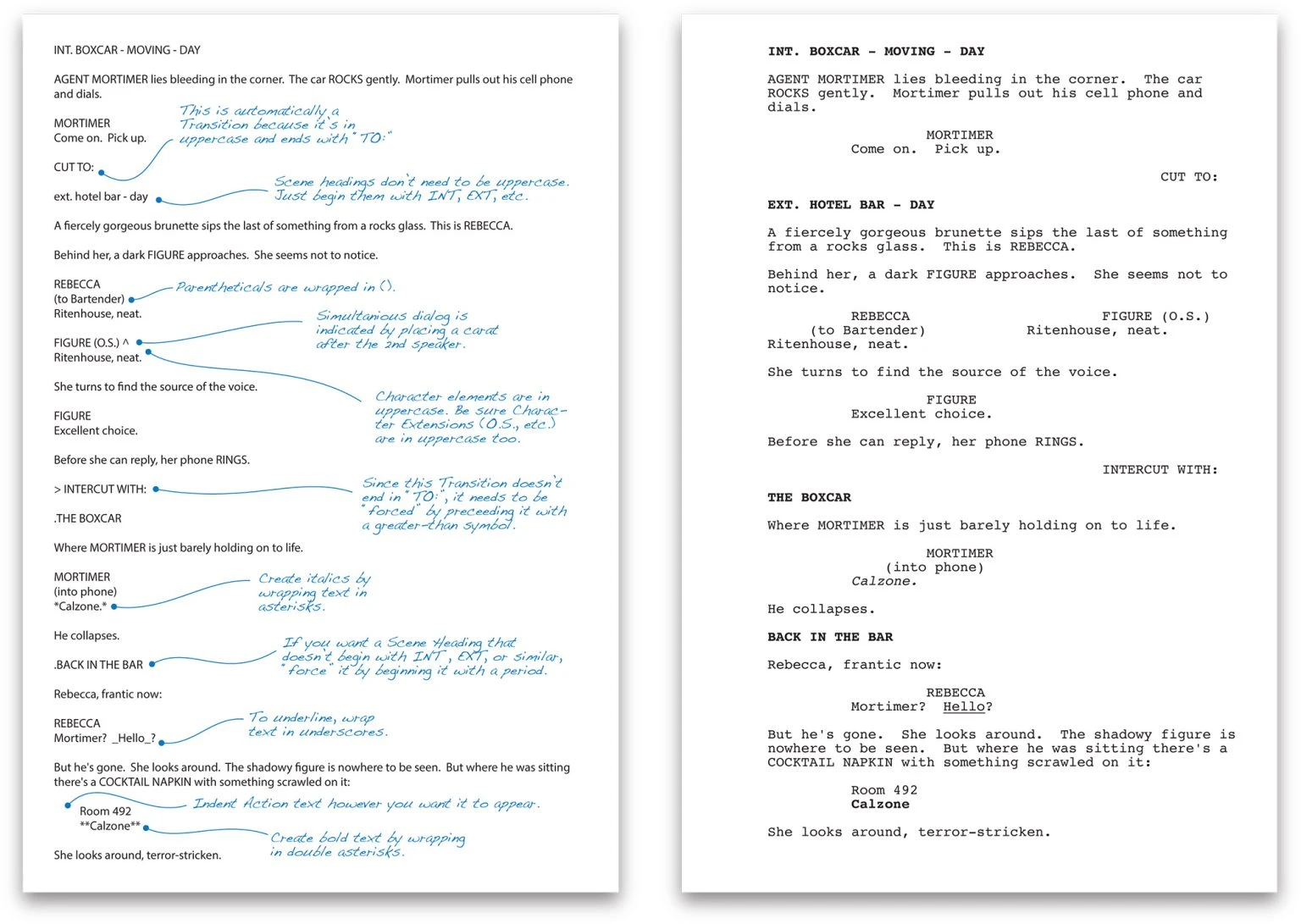
File Over App: A Philosophy for Digital Longevity
Ejectable Apps

