


Two years ago, frustrated with a long list of unfulfilled project ideas in my phone notes, I decided to give myself one week to try each idea out in its tiniest form.
Build the thing you wish to see in the world
For most of my career, I've been confusing building products with building businesses—and that confusion kept me from pursuing a lot of ideas. Two weeks off helped me realize that not everything needs to be a startup, and some of the best things we build are the ones we build just because we want them to exist.
Designing for failure
Nobody starts a free-software project hoping that it will fail, so it is a rare project indeed [...]
Project Xanadu: Even More Hindsight
Retrospective on Project Xanadu’s success and failure: a lack of design iteration, meaningful use-cases, or practicality stopped a valuable vision from maturing into something useful. (And contrasted with my approach.)
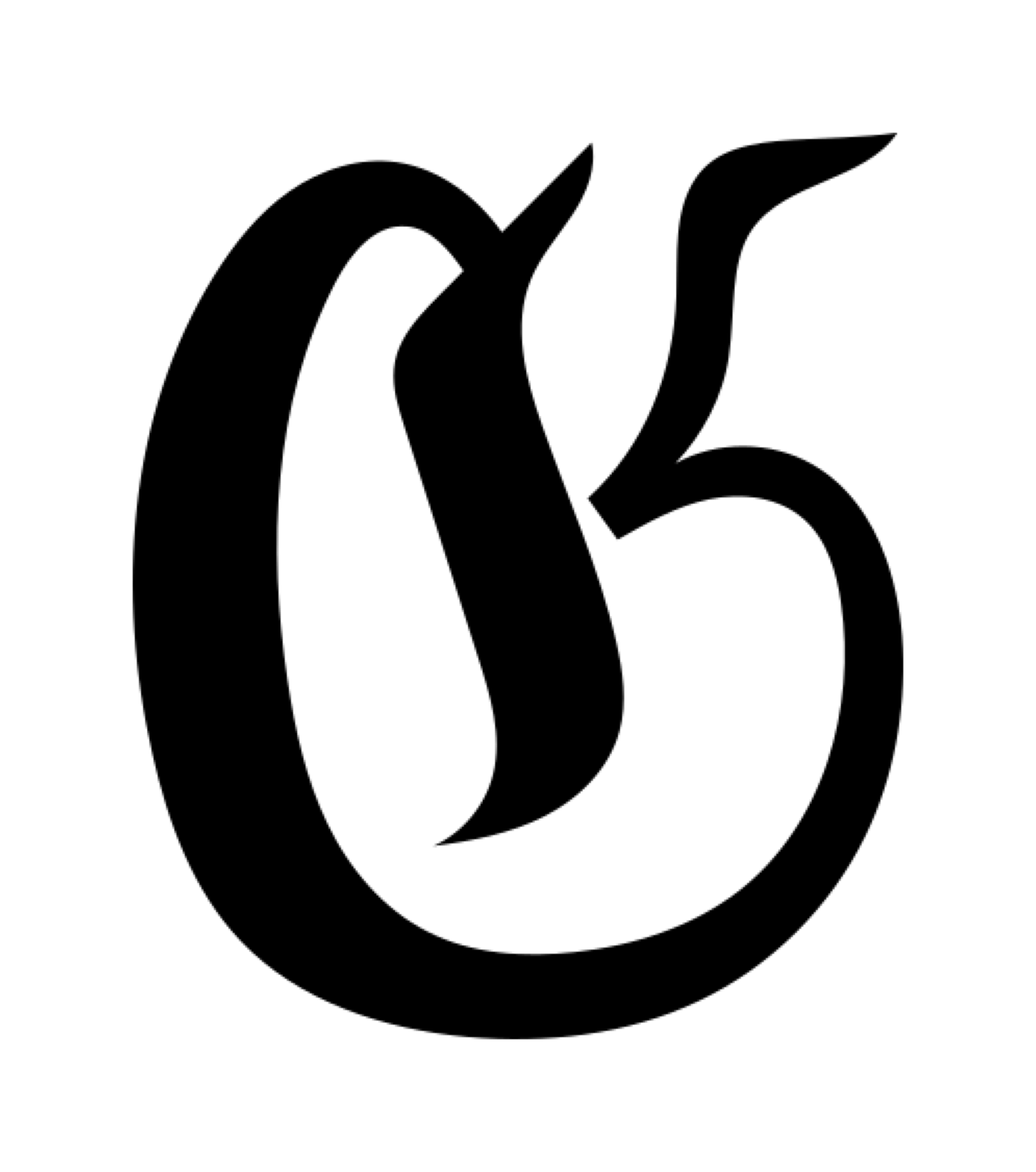
Strategies for Long Projects - Ben Brostoff
I’m in the middle of three multi-month to a year projects right now: Writing a book Running a marathon Building a ...

Implementing an Idea-Management System — LessWrong
This post is for you if: • 1. Projects that excite you are growing to be a burden on your to-do list 2. You have a nagging sense that you’re not ma…

RECONSIDER
About 12 years ago, I co-founded a startup called Basecamp: A simple project collaboration tool that helps people make progress together, sold on a monthly subscription. It took a part of some people’s work life and made it a little better. A little nicer than trying to manage a project over…
Tiny Tool Town 🏘️
A delightful showcase for free, fun & open source tiny tools. Stupid-delightful software made with love.
Project vs. Product, Startup vs. Business
A couple of weeks ago I dropped into a thread by Mosh Lee, about how ATproto has too many projects and too few businesses. Yes!
Complexity and Strategy | HackerNoon
I struggled with how to think about complexity through much of my career, especially during the ten years I spent leading Office development. Modeling complexity impacted how we planned major releases, our technical strategy as we moved to new platforms, how we thought about the impact of new technologies, how we competed with Google Apps, how we thought about open source and throughout “frank and open” discussions with Bill Gates on our long term technical strategy for building the Office applications.
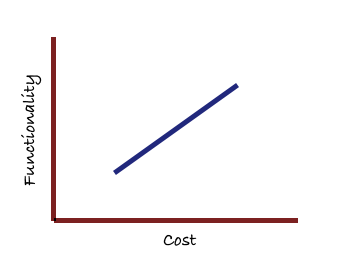
Complexity and Strategy | HackerNoon
I struggled with how to think about complexity through much of my career, especially during the ten years I spent leading Office development. Modeling complexity impacted how we planned major releases, our technical strategy as we moved to new platforms, how we thought about the impact of new technologies, how we competed with Google Apps, how we thought about open source and throughout “frank and open” discussions with Bill Gates on our long term technical strategy for building the Office applications.
Talk more.
Of the half dozen projects from my sabbatical, this is one I keep coming back to.
Just-In-Time Project Management: A Digital-First Framework for Modern Projects - Forte Labs
Technology has transformed every aspect of business, from the tools we use to communicate and collaborate, to how products and services are built and

The unreasonable effectiveness of just showing up everyday
Six years, no deadlines, and one rule: write some code every day. That slow, stubborn routine turned a side project into a sustainable search company.

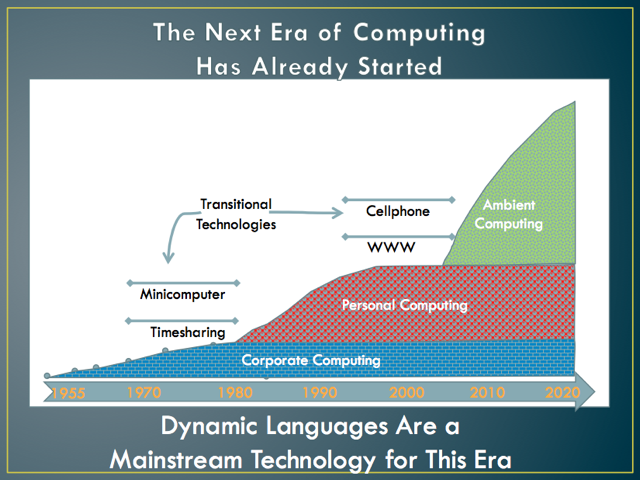
The Third Era of Computing
Most of us spend most of our time working on immediate problems. Designing a new site, adding a feature to an app, revising a specification, etc. We all need to focus on these short-term problems but sometimes it is useful to step back and look at the larger context within which we are working. L
I realise I never shared this! A few weeks ago I built Tack: a collaborative whiteboarding app, mainly designed for open source project planning. It's like a git-native FigJam. Free, open source, self-hosted. tack.social
