

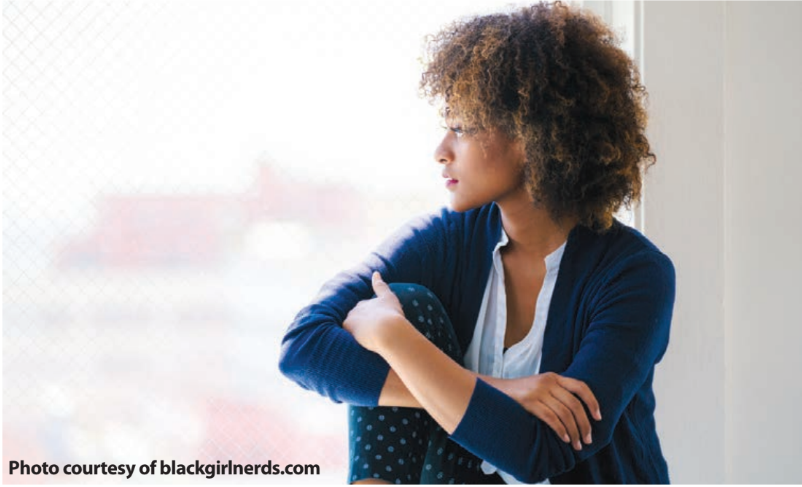
NASHVILLE, TN — The holiday season is often described as a time of joy, family gatherings and celebration. But for many Black families across Tennessee, Thanksgiving and Christmas can also bring emotional challenges that are rarely discussed openly. Financial pressures, grief, family conflict, loneliness and the demands of the season can take a toll on mental health, making the holidays an important time to recognize the need for emotional wellness.
Shorter days and dark afternoons can trigger depression. Here's how to fight back
People prone to seasonal depression are bracing themselves as winter approaches
Black Women and the Care Agenda | National Partnership for Women & Families
Black women are family caregivers – and they need flexibility and economic supports to make the best decisions for themselves and their families

The Most Wonderfully Alternative Families in Science Fiction and Fantasy
The holiday season has officially begun, and of course the holidays are a time for families. But science fiction and fantasy readers know that families

Negative Emotions Are Key to Well-Being
Feeling sad, mad, critical or otherwise awful? Surprise: negative emotions are essential for mental health
When You Are Depressed, Make Something.
Depression doesn’t discriminate. Everyone is a potential target for it, regardless of gender, age, ethnicity, geographical location, or income. We are all subject to its grasp, and remember, it’s not the same thing as sadness.
When You Are Depressed, Make Something.
Depression doesn’t discriminate. Everyone is a potential target for it, regardless of gender, age, ethnicity, geographical location, or income. We are all subject to its grasp, and remember, it’s not the same thing as sadness.
Study Paints Somber Picture of U.S. Mental Health Status and Access to Care
/PRNewswire-USNewswire/ -- More Americans than ever before suffer from serious psychological distress, and the country's ability to meet the growing demand for...

We’re in a flaking epidemic. No wonder no one wants to host gatherings | Chelsea Flagan
We point to self-care as we skip out on activities – but routinely staying home poses its own risk to our mental health

The Deep Roots of the Black Church in Nashville
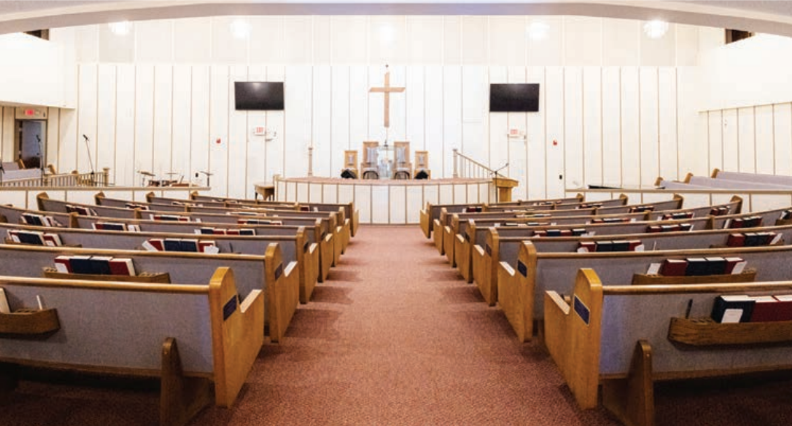
NASHVILLE, TN — The Black church has been central to Nashville’s African American history for nearly two centuries, evolving from congregations formed under slavery and segregation into institutions that helped build schools, support Black communities and organize the modern Civil Rights Movement.
The unseen toll: Depression, anxiety plague Black women a year after being fired by DOGE
DOGE cuts dismantled a job pipeline for D.C.’s Black community and gutted the well-being of the women who hold up it up.
Take Your Place: Rhetorical Healing and Black Womanhood in Tyler Perry’s Films
The unparalleled commercial sucessess that gospel-playwright-turned-screenwriter Tyler Perry has attained through converting his stage plays into films that depict black women overcoming personal crises raises questions about the intent behind his seemingly feminist-inspired representations of black womanhood. Through an analysis of the rhetoric of healing in Perry’s first two films, this essay reveals one of the suppressive pedagogical functions of Perry’s representation of black womanhood. Rhetorics of healing are a series of persuasive messages, performances, and literacy acts that writers deploy in order to convince readers that redressing or preventing crises requires them to follow the curriculum for ideological, communicative, and behavioral transformation that the writer considers essential to wellness. In Diary of a Mad Black Woman and Madea’s Family Reunion, Perry’s representation of rhetorical healing constructs black Christian women as students who must learn prescribed attitudes and behaviors to achieve, or remain in, states of wellness, and these lessons reinforce conservative gender ideologies and reify patriarchal constructions of the family and home. Given black women’s historically tenuous relationships with representations of themselves and their families in mainstream film, and given the ways in which their labor in the home is simultaneously desired and exploited, the popularity of Perry’s films does not suggest that his representations of healing foster black women’s self-empowerment. Rather, his popularity points to a moment where black women’s pain is a commodity and their instructive journeys to wellness are an exploited site where writers can carry out their own agendas.

Effects of Extreme Ritual Practices on Psychophysiological Well-Being
Extreme ritual practices involving pain and suffering pose significant risks such as injury, trauma, or infection. Nonetheless, they are performed by millions of people around the world and are often culturally prescribed remedies for a variety of maladies, and especially those related to mental health. What is the actual impact of these practices on health? Combining ethnographic observations and psychophysiological monitoring, we investigated outcomes of participation in one of the world’s most extreme rituals, involving bodily mutilation and prolonged suffering. Performance of this physically demanding ordeal had no detrimental effects on physiological health and was associated with subjective health improvements, and these improvements were greater for those who engaged in more intense forms of participation. Moreover, individuals who experienced health problems and/or were of low socioeconomic status sought more painful levels of engagement. We suggest two potential mechanisms for these effects: a bottom-up process triggered by neurological responses to pain and a top-down process related to increased social support and self-enhancement. These mechanisms may buffer stress-induced pressures and positively affect quality of life. Our results stress the importance of traditional cultural practices for coping with adversity, especially in contexts where psychiatric or other medical interventions are not widely available.

Blaming Depression on Eating Habits Invites Mental Health Stigma
So-called mood food has a moral dilemma

How the Black Panthers Revolutionized Self-Care
“The fullness of the Black Panther Party’s legacy […] can be seen everywhere in the wellness space.”

Our Babies Aren’t 'Bad'—Understanding Autism in Black Children
Too many Black children—especially our Black boys—are being labeled as “bad." Let's get understanding of autism in Black children.

A growing number of Black boys and young men have stepped into the role of caregiver. Most don’t know or consider themselves “youth caregivers.” They’re just “good” sons and grandchildren. bit.ly/4xCDiAF

Young Black Men and Boys Are Quietly Taking On a Caregiving Crisis Few People See
capitalbnews.org