What follows is a minor modern horror story.
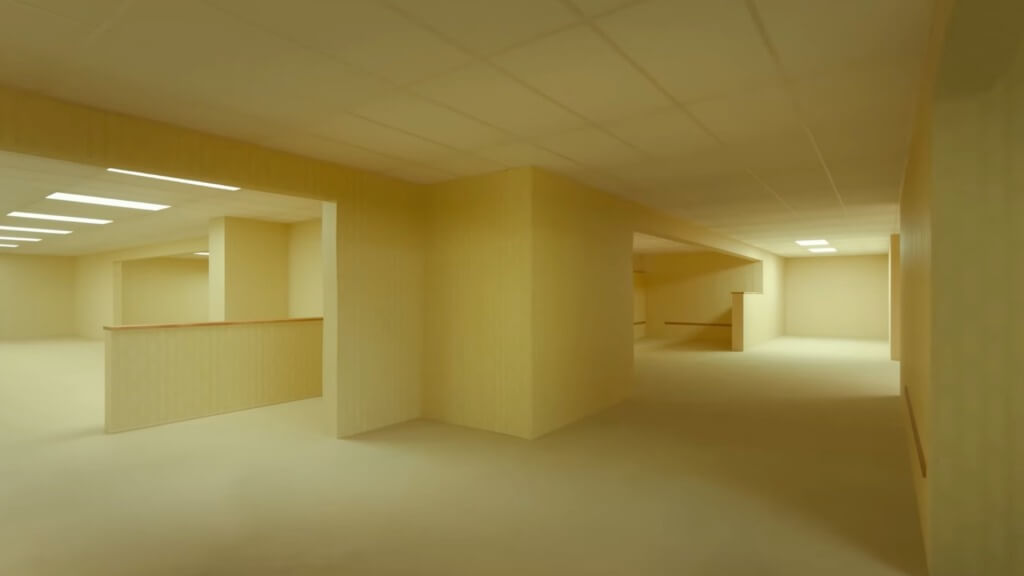
The internet's favorite horror subgenre is breaking into the big time
Backrooms brings liminal horror to the masses, and with it, a generation looking for a past that might not exist.
The Pines asks what would Alan Wake look like if it was about therapy, and I kind of want to know the answer
The open world psychological horror RPG looks familiar, but has enough going on to help it stand out.
Gary Scott Beatty's Strange Horror | Substack
Start here! Subscribe and instantly download a free comic! Plus eye candy, story, video and updates about my passion projects are yours. Enjoy tales inspired by '70s B-movies, Creepy and Eerie, and weird fiction writer H.P. Lovecraft. Click to read Gary Scott Beatty's Strange Horror, a Substack publication with thousands of subscribers.

NIGHTMARE OPERATOR
NIGHTMARE OPERATOR is a TPS action horror about hunting Youkai in the haunted ruins of Tokyo. Combat fuses the tense, shooting gameplay of classic survival horror, with the skill-based mechanics and execution of fighting games.

Cory Doctorow: Stories Are a Fuggly Hack - Locus
I've mentioned before, stories are weird. I mean, really, really weird. Nothing that happens in a piece of fiction has any consequence in the real world. Romeo and Juliet did not live, did not die, and the ''tragedy'' they represent is objectively less important than the tragedy of the live yogurt culture I digested at the breakfast table this morning. My theory is that the parts of our brains that …Read More
What It Felt Like to Almost Die
My near-death experience taught me not to fear those final moments

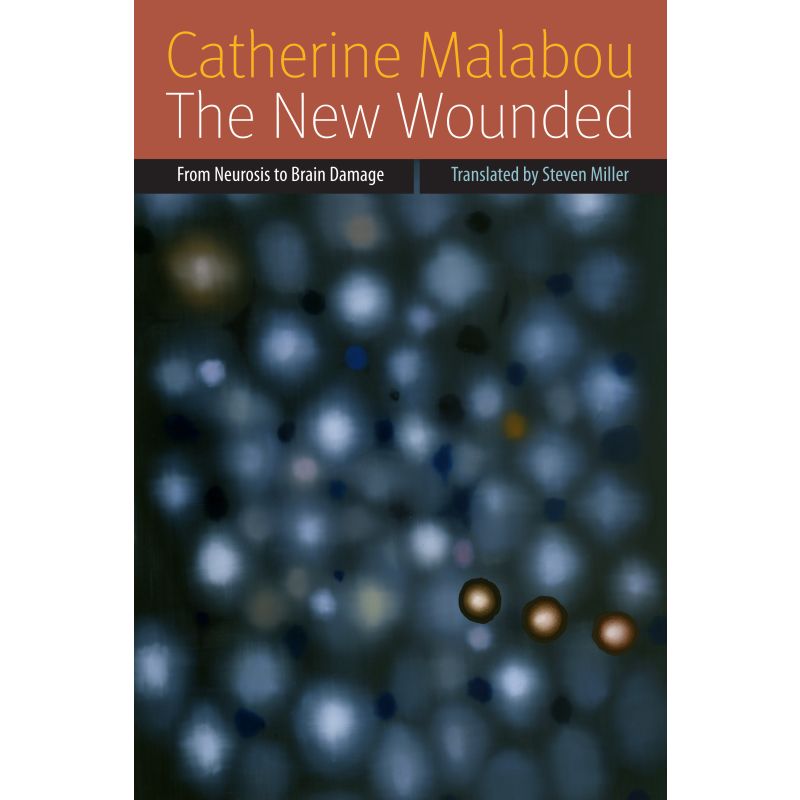
The New Wounded
This book addresses the issue of trauma and psychic wounds to stage a confrontation between psychoanalysis and contemporary neurobiology. In so doing, it reevaluates the brain as an organ that is not separated from psychic life but rather appears as its very locus. A philosophical approach of the “new wounded” (brain lesion patients) forms the matter of the confrontation.
Things That Go Bump in the Literature: An Environmental Appraisal of “Haunted Houses”
This paper contains a narrative overview of the past 20-years of environmental research on anomalous experiences attributed to “haunted houses.” This exercise served as a much-needed update to an anthology of noteworthy overviews on ghosts, haunts, and poltergeists (Houran & Lange, 2001b). We also considered whether new studies had incorporated certain recommendations made in this anthology. Our search revealed a relative paucity of studies (n = 66) on environmental factors that ostensibly stimulate haunt-type experiences. This literature was diverse and often lacked methodological consistency and adherence to the prior suggestions. However, critical consideration of the content revealed a recurring focus on six ambient variables: embedded (static) cues, lighting levels, air quality, temperature, infrasound, and electromagnetic fields. Their relation to the onset or structure of witness reports showed mostly null, though sometimes inconsistent or weak outcomes. However, such research as related to haunts is arguably in its infancy and new designs are needed to account better for environmental and architectural phenomenology. Future studies should therefore address four areas: (i) more consistent and precise measurements of discrete ambient variables; (ii) the potential role of “Gestalt influences” that involve holistic environment-person interactions; (iii) individual differences in attentional or perceptual sensitivities of percipients to environmental variables; and (iv) the role of attitudinal and normative influences in the interpretation of environmental stimuli. Focused scrutiny on these issues should clarify the explanatory power of evolutionary-environmental models for these and related anomalous experiences.

An investigation into alleged ‘hauntings’
In cases of alleged hauntings, a large number of seemingly trustworthy witnesses consistently report experiencing unusual phenomena (e.g. apparitions, sudden changes in temperature, a strong sense of presence) in certain locations. The two studies reported here explored the psychological mechanisms that underlie this apparent evidence of ‘ghostly’ activity. The experiments took place at two locations that have a considerable reputation for being haunted—Hampton Court Palace (Surrey, England) and the South Bridge Vaults (Edinburgh, Scotland). Both studies involved participants walking around these locations and reporting where they experienced unusual phenomena. Results revealed significantly more reports of unusual experiences in areas that had a reputation for being haunted. This effect was not related to participants' prior knowledge about the reputation of these areas. However, the location of participants' experiences correlated significantly with various environmental factors, including, for example, the variance of local magnetic fields and lighting levels. These findings strongly suggest that alleged hauntings may not necessarily represent evidence for ‘ghostly’ activity, but could be, at least in part, the result of people responding to ‘normal’ factors in their surroundings.

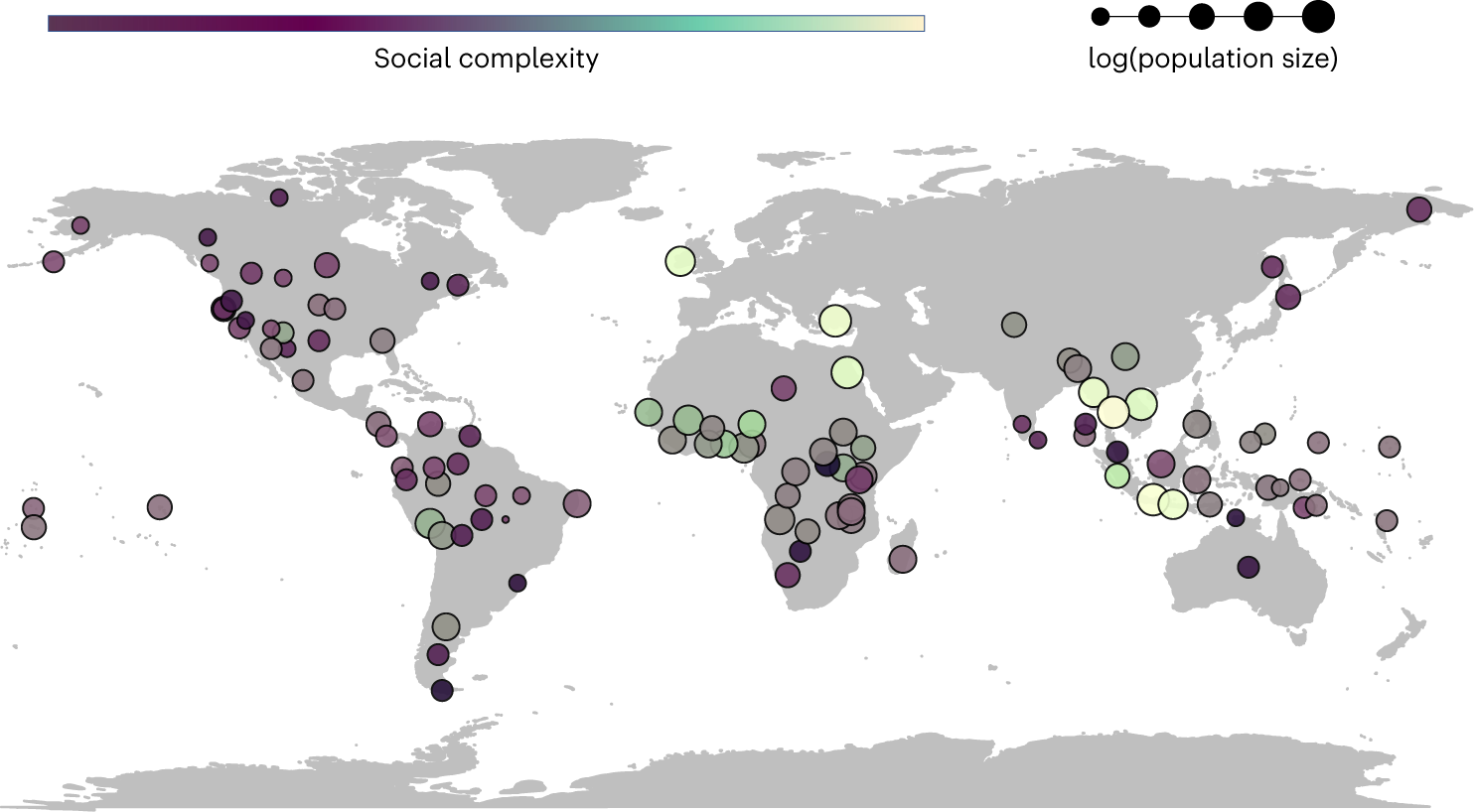
Supernatural explanations across 114 societies are more common for natural than social phenomena
Humans across the globe use supernatural beliefs to explain the world around them. This article explores whether cultural groups invoke the supernatural more to explain natural phenomena (for example, storms, disease outbreaks) or social phenomena (for example, murder, warfare). Quantitative analysis of ethnographic text across 114 geographically and culturally diverse societies found that supernatural explanations are more prevalent for natural than for social phenomena, consistent with theories that ground the origin of religious belief in a human tendency to perceive intent and agency in the natural world. Despite the dominance of supernatural explanations of natural phenomena, supernatural explanations of social phenomena were especially prevalent in urbanized societies with more socially complex and anonymous groups. Our results show how people use supernatural beliefs as explanatory tools in non-industrial societies, and how these applications vary across small-scale communities versus large and urbanized groups.
Haints, Hollers, and Hoodoo
A dark spirit lives on your porch,” the medium told me. Excuse me? Prickles of dread and fear blossomed in my chest. What the hell am I supposed to do about that? I was only beginning my journey in…
Choose Your Own Monster
Introducing Monstrous Times, the magazine of strange rules