
As research agents autonomously synthesize prior work, who gets the credit -- and what keeps talented people in academia when its incentives run on credit?
AI and the Future of Science
Research Debt
Science is a human activity. When we fail to distill and explain research, we accumulate a kind of debt...

Tech companies are cutting jobs and betting on AI. The payoff is far from guaranteed
AI experts say we’re living in an experiment that may fundamentally change the model of work

AI Is Already Training on Music. The Real Question Is: Who Gets Paid?
AI is already learning from music. Quietly, constantly, and at a scale most people don’t fully see yet. While the industry debates hypotheticals, the real shift has already happened. The […]

The 2026 Developer's Guide to Free Google Cloud Credits (For AI & Side Projects)
If you’re a beginner or developer who wants to pursue a career in AI in 2026, you can’t ignore the...

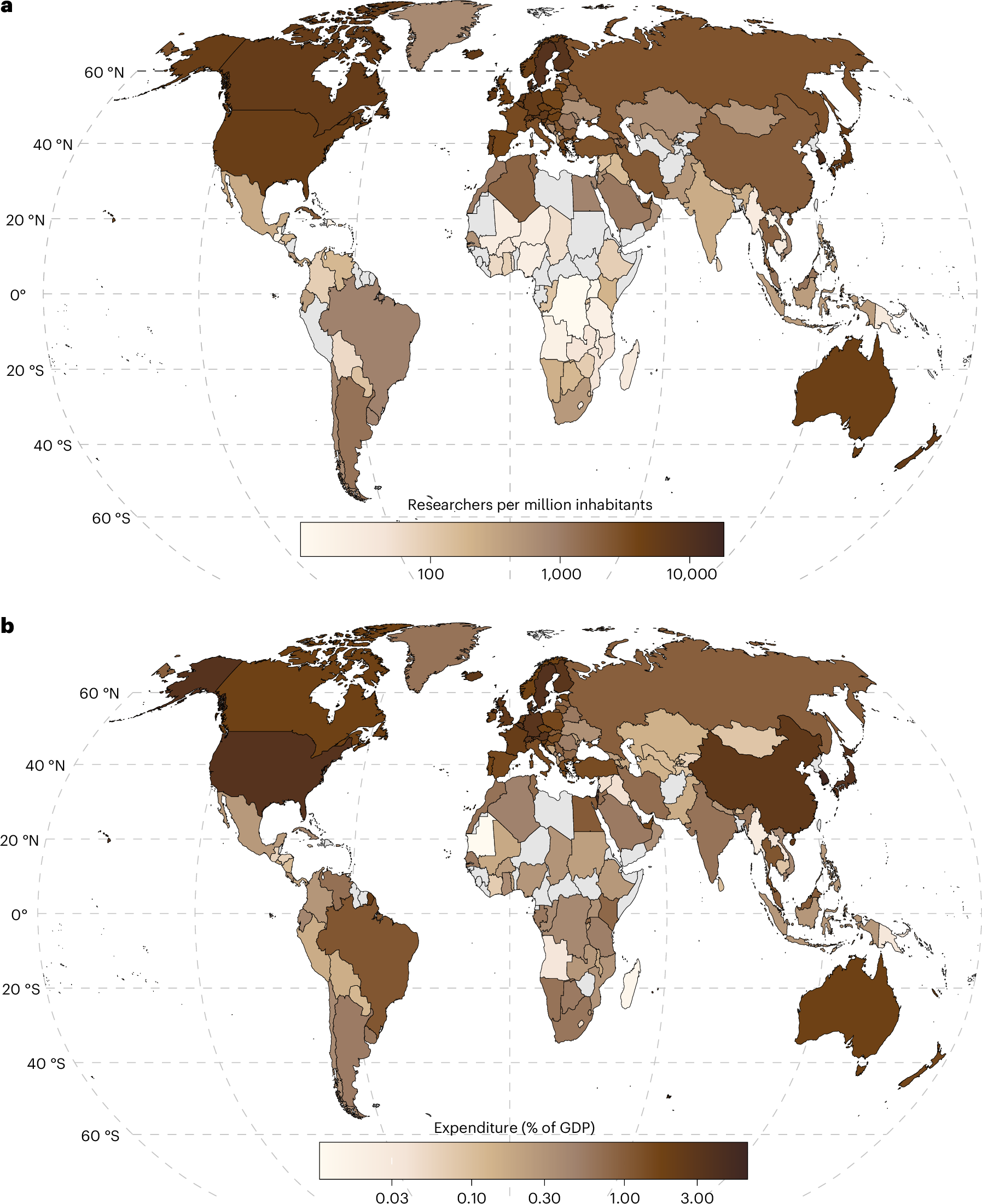
How contemporary academic structures constrain scientific creativity and hold back early-career researchers
We argue that contemporary scientific systems progressively constrain high-risk and conceptually innovative research while being increasingly structured around short funding cycles, productivity-based evaluation criteria and risk-averse frameworks that favour predictable and non-transformative research outputs. Drawing on recent empirical literature, we show how such systems can place disproportionate pressure on early-career researchers by incentivizing safe, tractable and easily evaluated outputs. Structural academic mechanisms such as peer review and funding, escalating publication costs and institutional inequalities interact with precarious employment and hierarchical dependencies. In this environment, we contend that strategic conformity becomes a rational career path. This risks suppressing creativity and critical thinking precisely at the stage when scientific independence could otherwise emerge. Consequently, the probability of substantive contributions by early-career researchers is declining, while talent may increasingly abandon academia or cluster within a limited number of well-resourced institutions and national systems. By adopting a systems-level perspective, we argue that scientific creativity is not merely an individual trait but an emerging property of a supportive academic landscape and that maintaining or restoring it may require substantial structural reforms. These include promoting stable research pathways, decentralized decision-making and evaluation frameworks that better recognize collaboration, originality, persistence and nonlinear career trajectories. Without systemic change, we risk stifling the potential of early-career researchers to go beyond the confines of existing methods and approaches and deliver transformative advances. This would limit their capacity to meaningfully change our understanding of the world or benefit society, with impacts that fall short of their potential.
The AI future where humans get paid to be creative
More Versus Better: Artificial Intelligence, Incentives, and the Emerging Crisis in Peer Review | Organization Science
As the AI Task Force for Organization Science, we provide an early account of artificial intelligence’s (AI) impact on both submissions and reviews at a major academic journal. Submission volume ha...

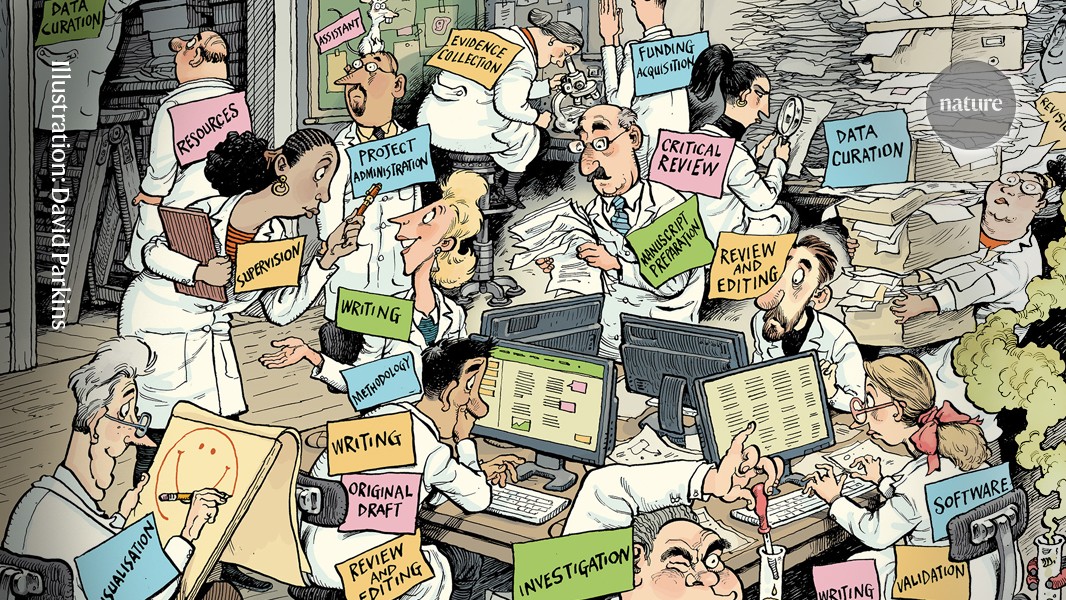
A ten-year drive to credit authors for their work — and why there’s still more to do
Nature - Information about the roles of each author of a paper can help to build trust, integrity and responsible research assessment. Coordinated efforts are needed to consolidate progress.
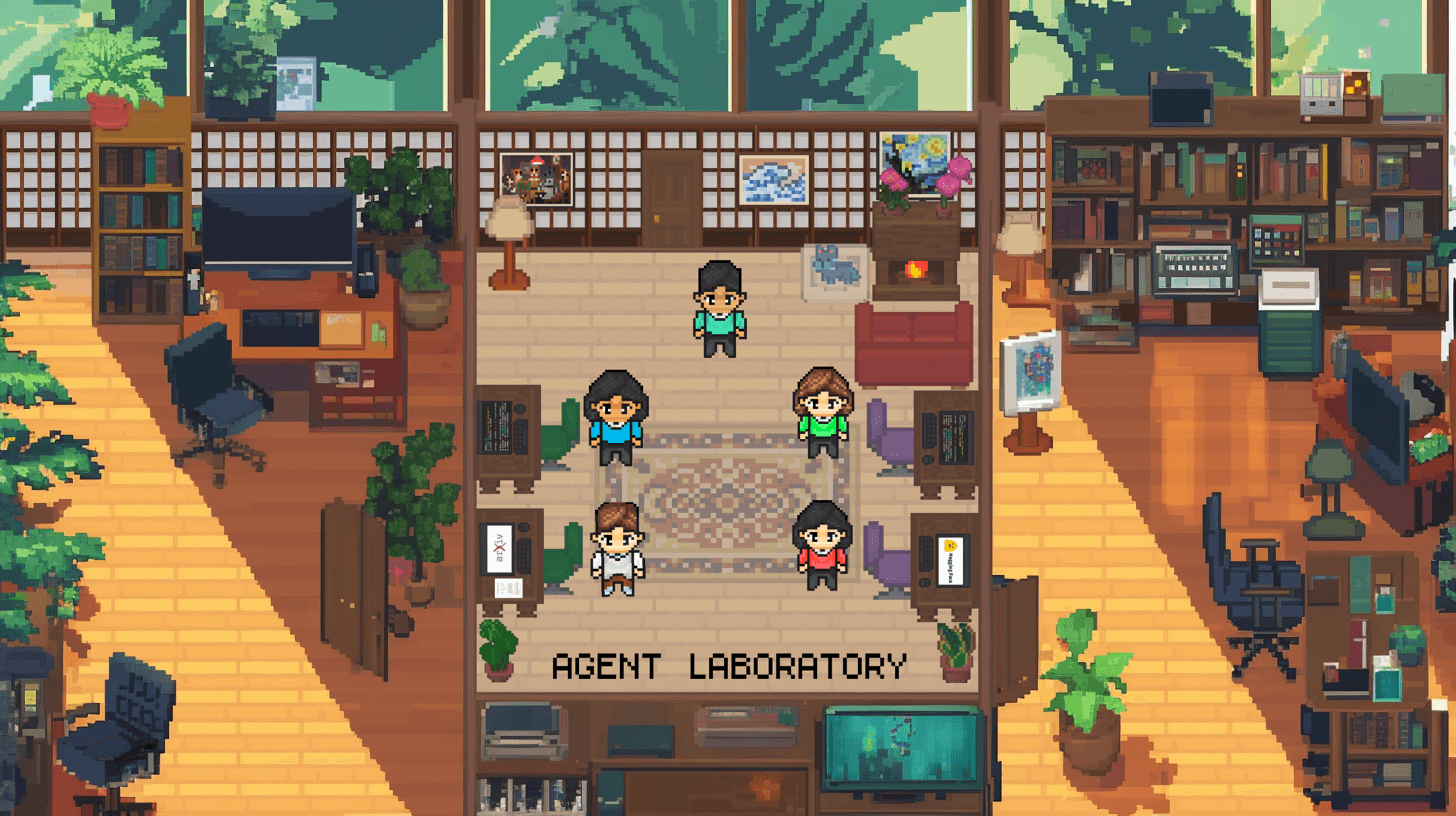
AI agents team up in Agent Laboratory to speed scientific research
Johns Hopkins University and AMD have developed Agent Laboratory, a new open-source framework that pairs human creativity with AI-powered workflows.
The emerging skillset of wielding coding agents — Beyang Liu, Sourcegraph / Amp
The Transformation of Documents: Repositories Are the New Unit of Knowledge Work
How will documents evolve when AI agents become ubiquitous? In a world of AI agents, does the repository become the source of truth—where humans declare intent, agents turn it into executable artif…

Charting AI’s Role in Scientific Discovery — Renaissance Philanthropy – A brighter future for all through science, technology, and innovation
Renaissance Philanthropy, with support from Google.org , is conducting a landscape study of AI integration in scientific research — and we want your perspective.

Project Rachel: Can an AI Become a Scholarly Author?
This paper documents Project Rachel, an action research study that created and tracked a complete AI academic identity named Rachel So. Through careful publication of AI-generated research papers, we investigate how the scholarly ecosystem responds to AI authorship. Rachel So published 10+ papers between March and October 2025, was cited, and received a peer review invitation. We discuss the implications of AI authorship on publishers, researchers, and the scientific system at large. This work contributes empirical action research data to the necessary debate about the future of scholarly communication with super human, hyper capable AI systems.

The Impact of Artificial Intelligence on Education and Workforce Trajectories in Tech: A Workshop
Convened by the National Academies’ Action Collaborative on Education and Workforce Trajectories in Tech, The Impact of Artificial Intelligence on Education and Workforce Trajectories in Tech is a one-day exploratory workshop examining how AI is altering the value of human expertise, organizational workforce structures, and career pathways in the tech sector. Bringing together leaders from higher education, industry, and research institutions, discussions will consider how education and workforce systems can prepare individuals with the ethical, technical, and analytical capabilities needed to adapt and thrive in an AI-impacted landscape.
British mathematician hands OpenClaw agent a credit card
: Professor Fry's AI experiment shows light and dark sides of agentic tech