


An Introduction to Hormone Therapy for Transfeminine People by Aly
An Exploration of Possibilities for Hormone Therapy in Non-Binary Transfeminine People
An Exploration of Possibilities for Hormone Therapy in Non-Binary Transfeminine People by Aly
Transfeminine Science
Transfeminine Science is a site for information on hormone therapy for transfeminine people.
Overview of feminizing hormone therapy | Gender Affirming Health Program
The goal of feminizing hormone therapy is the development of female secondary sex characteristics, and suppression/minimization of male secondary sex characteristics. General effects include breast development (usually to Tanner stage 2 or 3), a redistribution of facial and body subcutaneous fat, reduction of muscle mass, reduction of body hair (and to a lesser extent, facial hair), change in sweat and odor patterns, and arrest and possible reversal of scalp hair loss. Sexual and gonadal effects include reduction in erectile function, changes in libido, reduced or absent sperm count and ejaculatory fluid, and reduced testicular size. Feminizing hormone therapy also brings about changes in emotional and social functioning. The general approach of therapy is to combine an estrogen with an androgen blocker, and in some cases a progestogen.
Am I "Trans Enough" to Take Hormones?
"Everything I found online was a one-way, no-turning-back formula: You could be either a trans woman or a trans man."

A Review of Selective Estrogen Receptor Modulators and their Potential for Transfeminine Hormone Therapy
A Review of Selective Estrogen Receptor Modulators and their Potential for Transfeminine Hormone Therapy by Lain
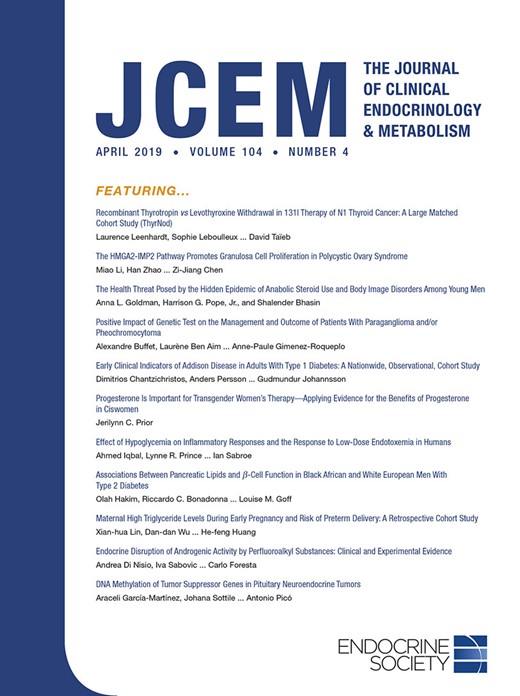
Progesterone Is Important for Transgender Women’s Therapy—Applying Evidence for the Benefits of Progesterone in Ciswomen
Current transgender women’s therapy is estradiol/antiandrogen. I suggest adding progesterone, given its antiandrogen, breast-feminizing, bone-formation, sl
Microdosing Estrogen
Learn about microdosing estrogen regimens and their effects from a quick guide to feminizing hormone therapy.

Hormonal Treatment Strategies Tailored to Non-Binary Transgender Individuals
Introduction: To date no standardized hormonal treatment protocols for non-binary transgender individuals have been described in the literature and there is a lack of data regarding their efficacy and safety. Objectives: To suggest possible treatment strategies for non-binary transgender individuals with non-standardized requests and to emphasize the importance of a personalized clinical approach. Methods: A narrative review of pertinent literature on gender-affirming hormonal treatment in transgender persons was performed using PubMed. Results: New hormonal treatment regimens outside those reported in current guidelines should be considered for non-binary transgender individuals, in order to improve psychological well-being and quality of life. In the present review we suggested the use of hormonal and non-hormonal compounds, which—based on their mechanism of action—could be used in these cases depending on clients’ requests. Conclusion: Requests for an individualized hormonal treatment in non-binary transgender individuals represent a future challenge for professionals managing transgender health care. For each case, clinicians should balance the benefits and risks of a personalized non-standardized treatment, actively involving the person in decisions regarding hormonal treatment.

Gettin' Nerdy on Gettin' Curvy: Estradiol, Progesterone, and SERMs - QueerDoc • Trans Online Doctors Office - Curing LGBTQ+ Healthcare Discrimination
Estradiol, progesterone, and SERMs: what they do in the body and how we use them in gender affirming care for transgender folx.

All The E (Estrogen) - QueerDoc • Trans Online Doctors Office
Gender Affirming Care with Estrogen, Progesterone, and T-Blockers.

Transfemme nonbinary hormone therapy
Things started working when I was able to talk to a provider who had some experience with SERMs. They acknowledged that spironolactone wasn’t working for me, and prescribed leuprolide injections. They also said they had no experience with raloxifene, but had used tamoxifen, a different SERM, in a previous patient. This turned out to be a lucky coincidence for me, because on tamoxifen, I definitely did notice some estrogenic effects, but not in my breasts.
Selective Estrogen Receptor Modulators: A Potential Option For Non-Binary Gender-Affirming Hormonal Care?
Gender dysphoria describes the distress associated with having a gender identity that differs from one’s birth-assigned sex. To relieve this distress, transgender and gender diverse (henceforth, trans) individuals commonly undergo medical transition involving hormonal treatments. Current hormonal treatment guidelines cater almost exclusively for those who wish to transition from male to female or vice versa. In contrast, there is a dearth of hormonal options for those trans individuals who identify as non-binary and seek an androgynous appearance that is neither overtly male nor female. Though prolonged puberty suppression with gonadotrophin releasing hormone agonists (GnRHa) could in theory be gender-affirming by preventing the development of unwanted secondary sex characteristics, this treatment option would be limited to pre- or peri-pubertal adolescents and likely have harmful effects. Here, we discuss the theoretical use of Selective Estrogen Receptor Modulators (SERMs) for non-binary people assigned male at birth (AMAB) who are seeking an androgynous appearance through partial feminisation without breast growth. Given their unique range of pharmacodynamic effects, SERMs may represent a potential gender-affirming treatment for this population, but there is a lack of knowledge regarding their use and potentially adverse effects in this context.

Selective Estrogen Receptor Modulators: A Potential Option For Non-Binary Gender-Affirming Hormonal Care?
Gender dysphoria describes the distress associated with having a gender identity that differs from one’s birth-assigned sex. To relieve this distress, transgender, and gender diverse (henceforth, trans) individuals commonly undergo medical transition involving hormonal treatments. Current hormonal treatment guidelines cater almost exclusively for those who wish to transition from male to female or vice versa. In contrast, there is a dearth of hormonal options for those trans individuals who identify as non-binary and seek an androgynous appearance that is neither overtly male nor female. Though prolonged puberty suppression with gonadotrophin releasing hormone agonists (GnRHa) could in theory be gender-affirming by preventing the development of unwanted secondary sex characteristics, this treatment option would be limited to pre- or peri-pubertal adolescents and likely have harmful effects. Here, we discuss the theoretical use of Selective Estrogen Receptor Modulators (SERMs) for non-binary people assigned male at birth (AMAB) who are seeking an androgynous appearance through partial feminization without breast growth. Given their unique range of pharmacodynamic effects, SERMs may represent a potential gender-affirming treatment for this population, but there is a lack of knowledge regarding their use and potentially adverse effects in this context.
Microdosing hormones expands gender-affirming care options for non-binary folks - San Francisco AIDS Foundation
Non-binary and transgender people have adopted low-dose gender-affirming hormone therapy in pursuit of their most authentic selves.

When Women Initiate Estrogen Therapy Matters | The Menopause Society
New large-scale analysis shows potential long-term benefits of initiating hormones during perimenopause

E + Raloxifene 5 week update
20 votes, 13 comments. 135K subscribers in the TransDIY community. Questions and resources related to Hormone Replacement Therapy (HRT), for…