

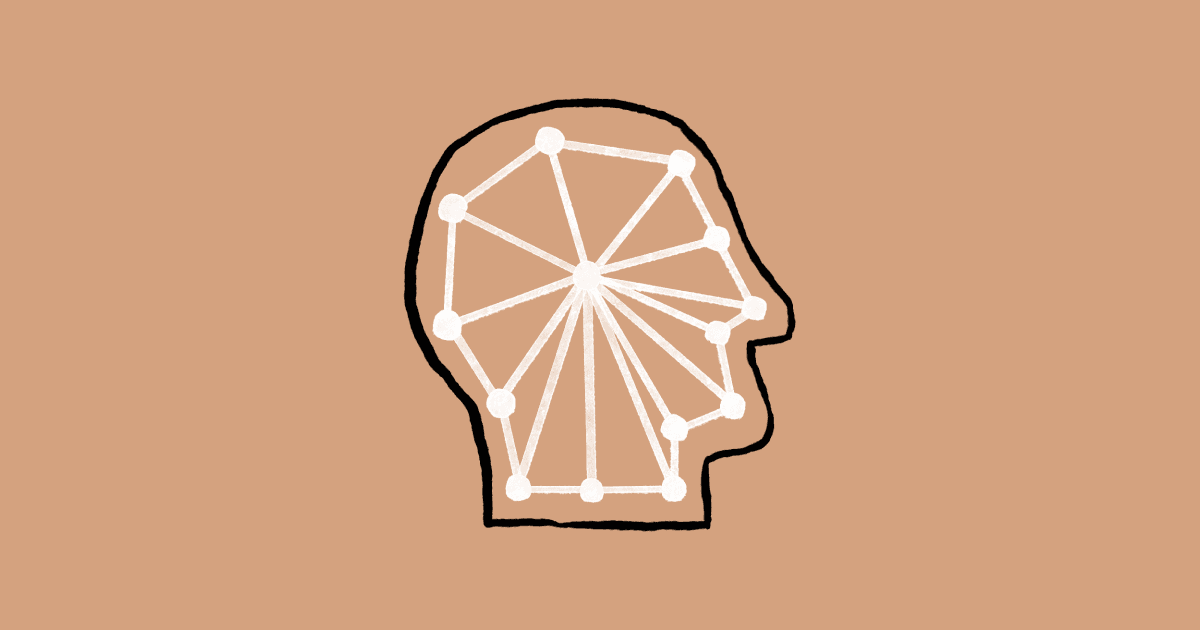
We find a diversity of highly abstract features. They both respond to and behaviorally cause abstract behaviors. Examples of features we find include features for famous people, features for countries and cities, and features tracking type signatures in code. Many features are multilingual (responding to the same concept across languages) and multimodal (responding to the same concept in both text and images), as well as encompassing both abstract and concrete instantiations of the same idea (such as code with security vulnerabilities, and abstract discussion of security vulnerabilities).
Mapping the Mind of a Large Language Model
We have identified how millions of concepts are represented inside Claude Sonnet, one of our deployed large language models. This is the first ever detailed look inside a modern, production-grade large language model.
Introducing Claude Sonnet 5
Our most agentic Sonnet yet, with top-tier intelligence for coding and everyday professional work.

Slim Lim: "Concrete syntax matters, actually"
Random Tech Thoughts
This article is about standardisation, particularly how it relates to understanding code. I’ll first go into an historical example that highlights the lack of standardisation in an area where we take it for granted today. After that I’ll get into code, and how understanding code is like understanding data via visualisations. In both the historic … Continue reading Standardisation and code

The language of generalization.
Apple Intelligence Foundation Language Models Tech Report 2025
We introduce two multilingual, multimodal foundation language models that power Apple Intelligence features across Apple devices and…

Tracing the thoughts of a large language model
Anthropic's latest interpretability research: a new microscope to understand Claude's internal mechanisms

Jailbreaking Large Language Models: If You Torture the Model Long Enough, It Will Confess!
A Cautionary Tale…

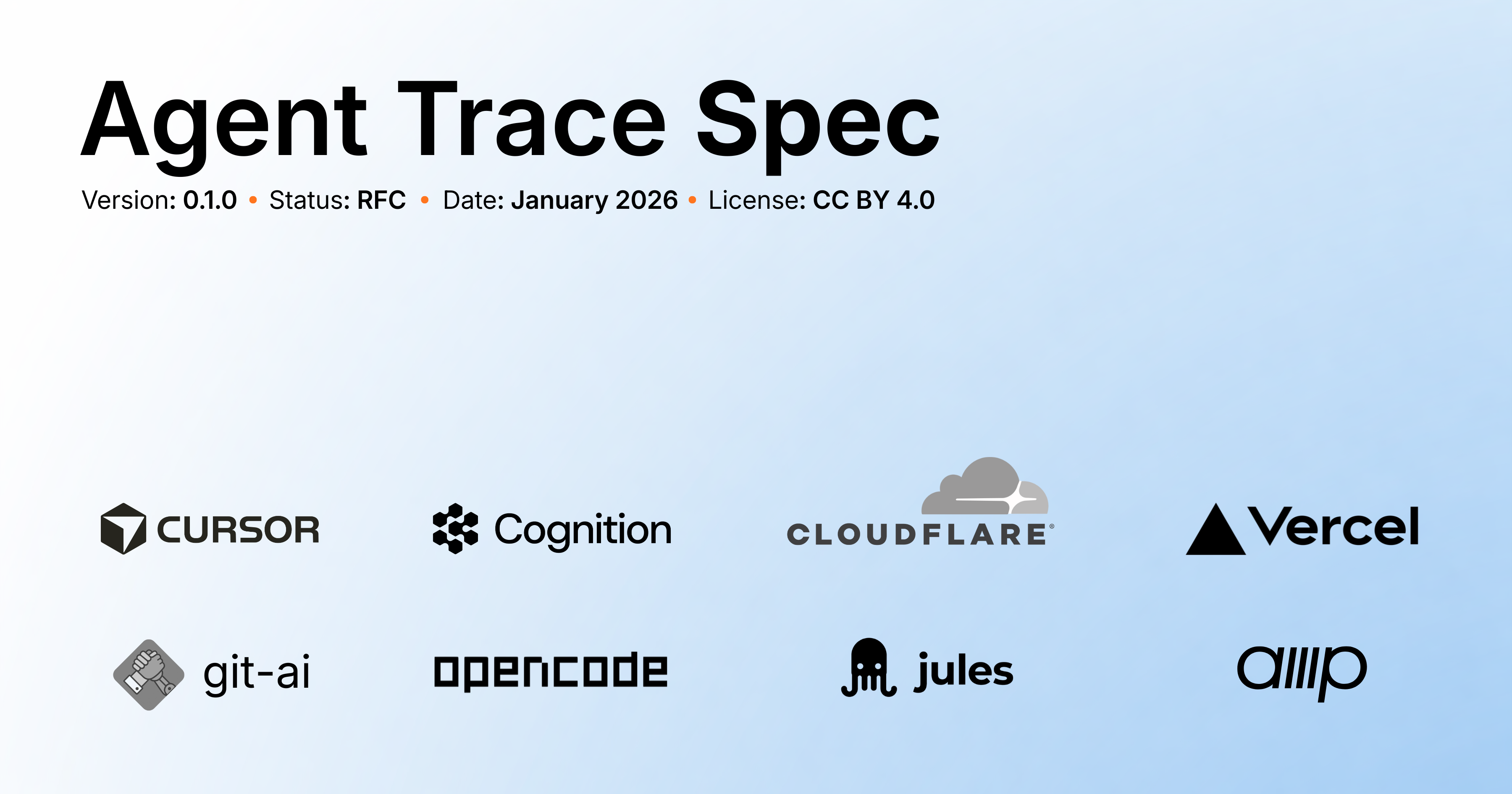
Cognition | Agent Trace: Capturing the Context Graph of Code
We’re excited to join in Cursor, Cloudflare, Vercel, git-ai, OpenCode and others in support of [Agent Trace](https://agent-trace.dev/). As described in the spec, Agent Trace is an open, vendor-neutral spec for recording AI contributions alongside human authorship in version-controlled codebases.
Introducing talkie: a 13B vintage language model from 1930
This is a 24/7 live feed of Claude Sonnet 4.6 prompting talkie-1930-13b-it in order to explore its knowledge, capabilities, and inclinations. talkie’s outputs reflect the culture and values of the texts it was trained on, not the views of its authors.
Pluralistic: It’s extremely good that Claude’s source-code leaked (02 Apr 2026) – Pluralistic: Daily links from Cory Doctorow
Anthropic's developers made an extremely basic configuration error, and as a result, the source-code for Claude Code – the company's flagship coding assistant product – has leaked and is being eagerly analyzed by many parties:
Nicholas Carlini - Black-hat LLMs | [un]prompted 2026
Sourcegraph — Code Understanding, Oversight and Evolution
Give humans and agents complete context to understand, oversee, and evolve the world's largest, most complex codebases.
Caveman | Lithic Token Compression
A semantic constraint engine for Claude Code & Codex. Forces agentic communication into minimal-token lithic structures. Retain 100% technical accuracy while destroying up to 87% of output latency.
Claude Code is blowing my mind—the 1st thing I’ve seen amid the AI hype that feels truly transformative One example—we’ve been doing genre classification work & I had the thought "it’d be nice to have a web application that lets users tag newspaper texts"—literal minutes later it exists & works

Dan Sinykin
among everything else this week dunno if you heard but coding is over. huge opp for humanities folks. should be megaphoning 'learning to think never goes out of style'
