

From my perspective, the obvious question is: how might ML and GAI change programming? In particular, the rapid advances in GAI have led many to assume that we will gradually do away with programming as a human activity. Although it’s rarely spelt out explicitly, this implies that a GAI system can take in a human description (or “specification”) and produce usable software from it. At a small scale, this is already possible, with the best known example being CoPilot.
The generative AI revolution has begun—how did we get here?
A new class of incredibly powerful AI models has made recent breakthroughs possible.
The New Software Lifecycle
I co-wrote a Google whitepaper about how AI is changing the software lifecycle. I'm not going to summarize the whole thing. Instead, here are the handful of ...
Full-breadth Developers
The software industry is at an inflection point unlike anything in its brief history. Generative AI is all anyone can talk about. It has rendered entire product…

How AGI Made the Future Unthinkable
Advanced artificial intelligence will change everything, we are told. Do we get a say?
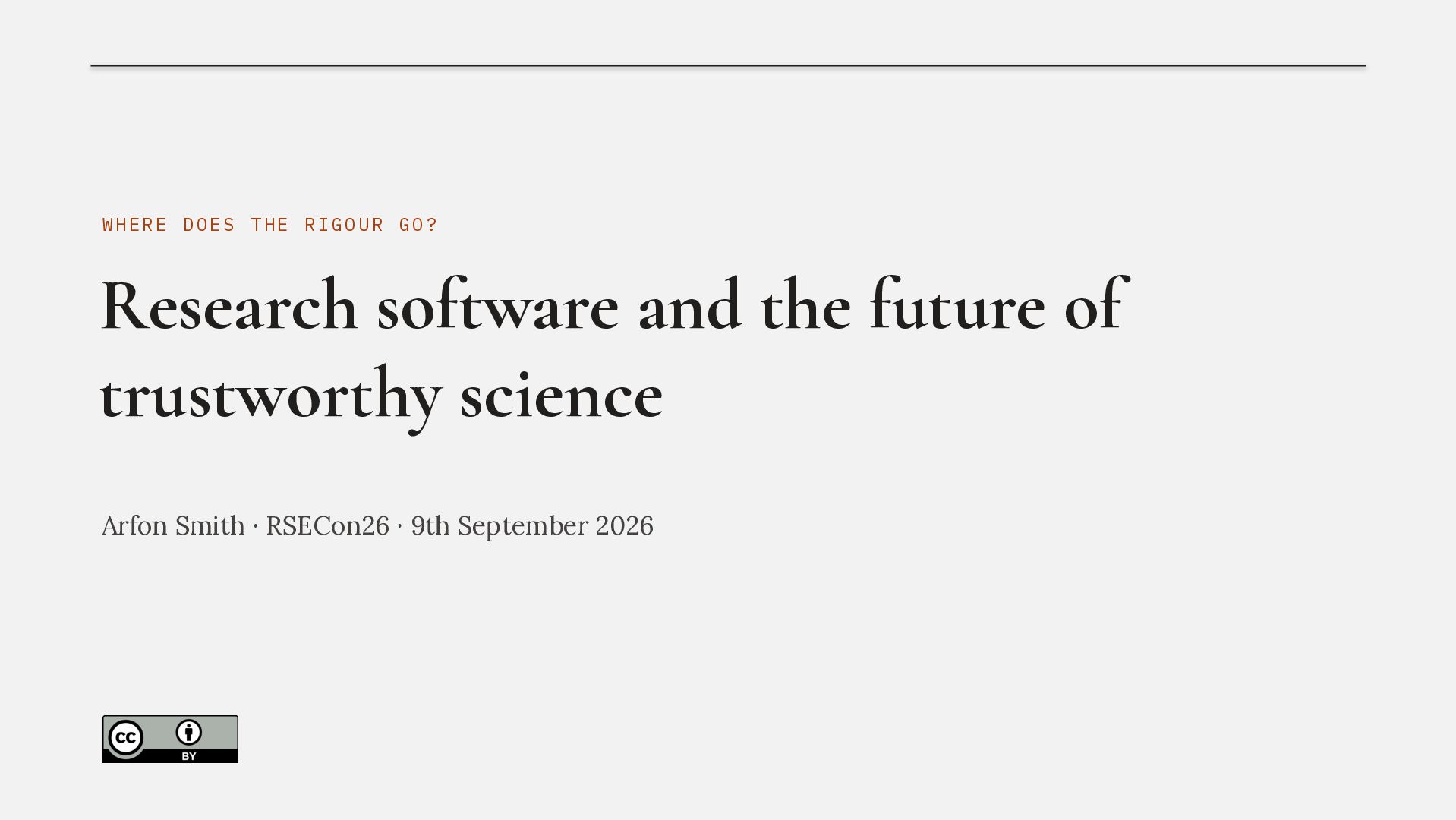
Where does the rigor go? Research software and the future of trustworthy science.
Generative AI now makes it dramatically easier to produce something that looks like research: analysis code, figures, literature reviews, even whole pap…
How building software is changing at Anthropic
A deepdive on what’s changed in how the leading AI lab makes software. Ever more code review and testing is done by AI, two-pizza teams very much alive, and more. Details from inside of Anthropic

Generative AI in a Nutshell - how to survive and thrive in the age of AI
Why tech is racing to adopt AI coding
The head of AI coding platform Cursor on what’s next for programming, whether AGI is imminent, and competing with Anthropic and OpernAI.

In spite of hype, many companies are moving cautiously when it comes to generative AI | TechCrunch
Companies are extremely interested in generative AI as vendors push potential benefits, but turning that desire from a proof of concept into a working product is proving much more challenging.

Linus Lee Is Living With AI
How a researcher uses generative AI to help him think better and get more done
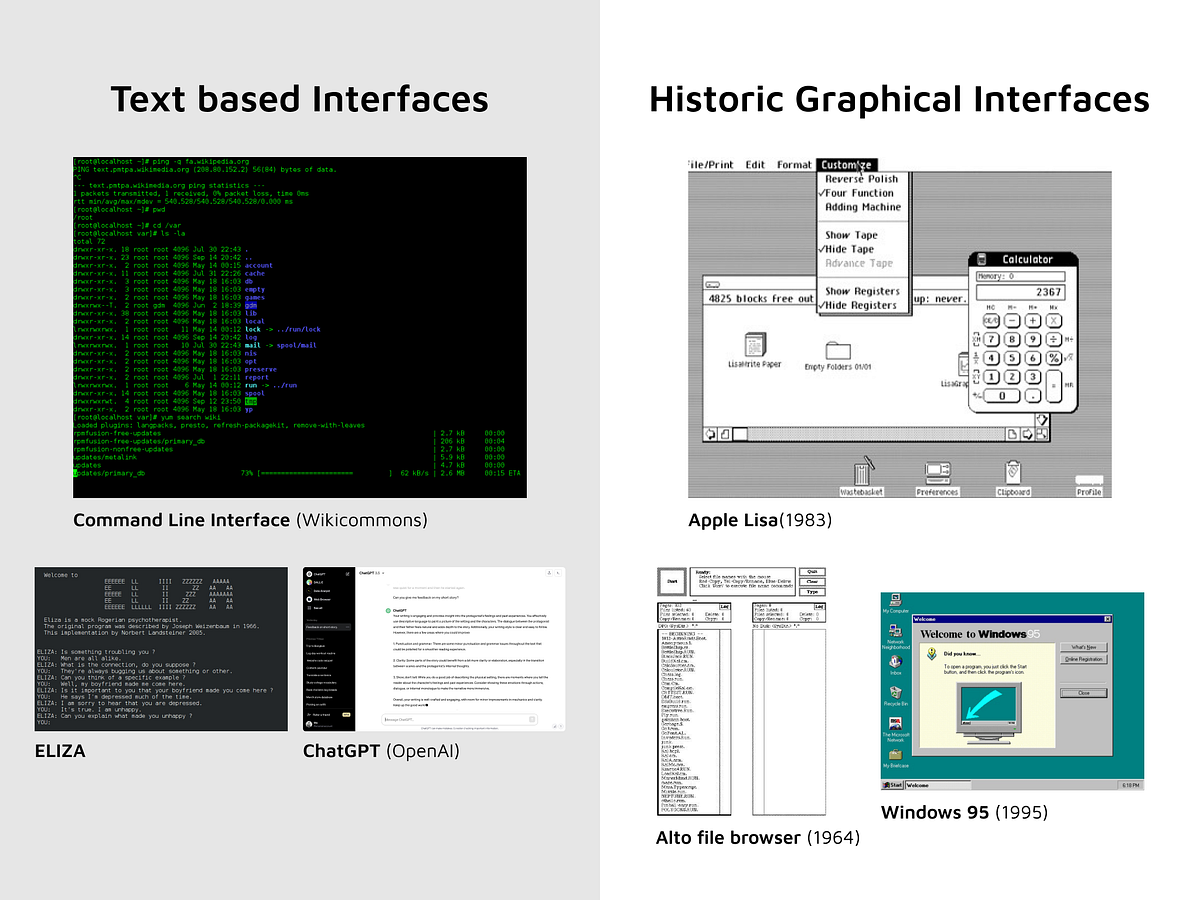
Emerging UX patterns in Generative AI experiences
How the evolution of the GUI can tell us what to expect for Gen AI interactions and interfaces
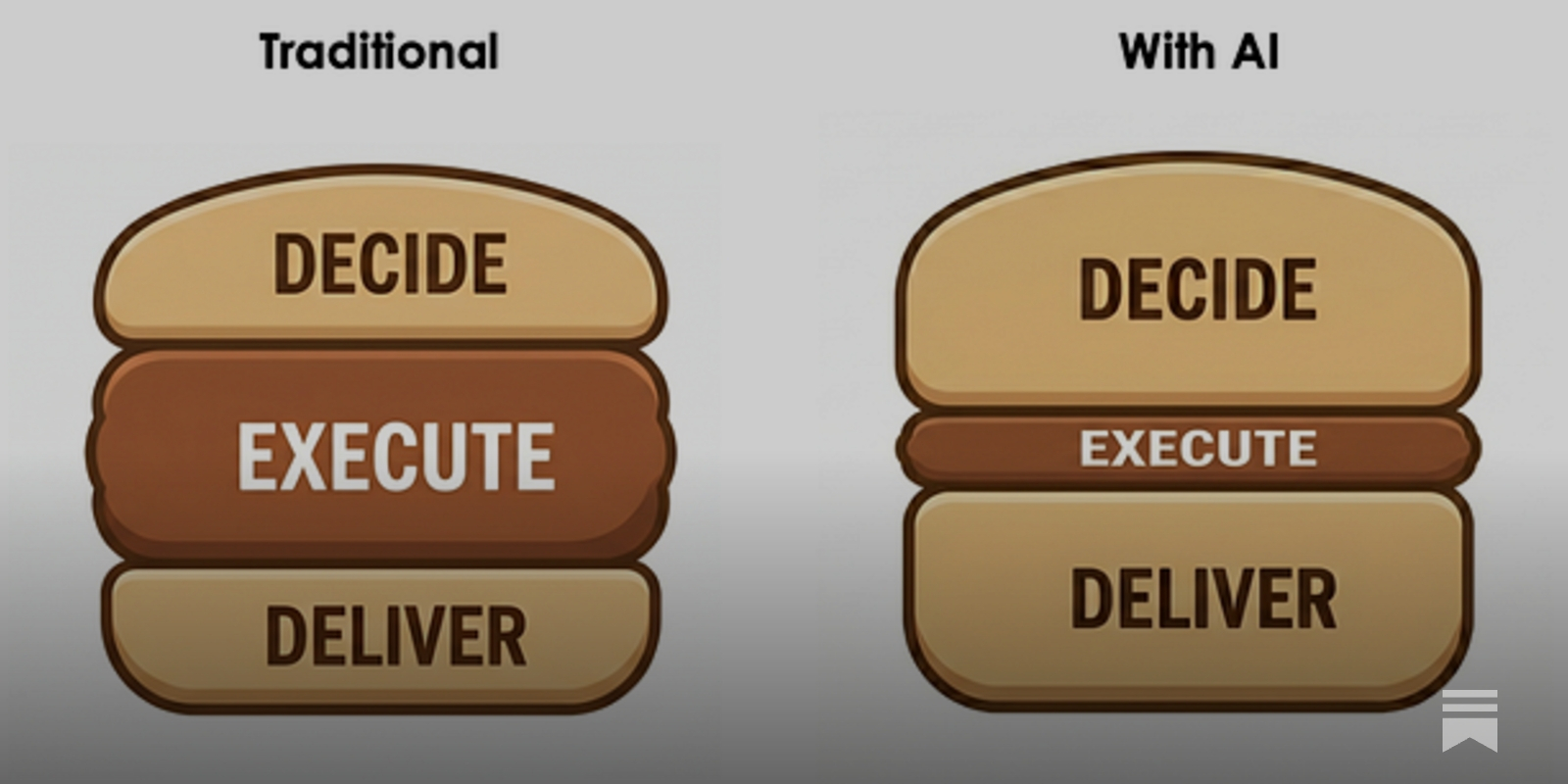
Why AI hasn’t replaced software engineers, and won’t
Coding agents as normal technology
Systems programming the model
This paper examines the status of the language model object in generative AI, arguing that what we call a ‘model’ is inseparable from the systems deploying it. I first theorize how these objects emerge from systems-level interactions between trained artifacts, prompting mechanisms, and sampling methods, drawing on the philosophy of digital objects as well as software studies to show how models gain their objective character. Such interactions converge on programming, not prompting, language models, and I illustrate how critical code studies can therefore track these dynamics. In an overview of language model programming approaches, I discuss how prompt and program converge, demonstrating how this confluence tends toward the production of new feedback loops wherein models become models of and for themselves. Understanding these feedback loops is essential in view of recent efforts to infrastructuralize AI, in which multiple models cascade into compound systems that abstract toward a unified model of models. Thus the need, I argue, for a systems-level view that can address this new order of abstraction and complexity by identifying where and how the model emerges from the system.

Why Generative UI Is the New Frontier for Business Software
In an era where AI constructs UIs on the fly, discover how SAP is tapping generative UI to reimagine how works gets done.

The Eternal Sloptember
I’m calling it now, the adoption of AI agents into software development will be one of the most costly mistakes in the field’s history. Agents cannot program, and it’s taking longer and longer to realize that they can’t. They are a highly sophisticated statistical model designed to mimic the distribution of programming. The output is broken, but in a way that’s getting harder and harder to detect. Which is exactly what you’d expect from an increasingly accurate statistical model.