


An applied AI research lab. Long-term thinking. Real impact.
Michael I. Jordan on AI: “Superintelligence is science fiction”
Personal Superintelligence
Explore Meta's vision of personal superintelligence, where AI empowers individuals to achieve their goals, create, connect, and lead fulfilling lives. Insights from Mark Zuckerberg on the future of AI and human empowerment.
Building Political Superintelligence
Amidst fears of dystopia, a blueprint for how we use AI to reinvent the way we govern ourselves

Superintelligence is a Fairy Tale. But Chasing It Can Still Cause Harm. - Cal Newport
Yesterday, multiple Anthropic employees casually announced online that they thought the types of AI they’re building could kill billions of people. Not in some distant ... Read more
I expect rapid progress but not towards general superintelligence
I’ve often been surprised when I hear from top researchers in industry that they think AI will be better than them at their job in a few years, and I didn’t really know why I doubted it.
Import AI 447: The AGI economy; testing AIs with generated games; and agent ecologies
What might a superintelligence arcology be like?

Jacob Coxon Warns of Human Extinction and Triggers a Preference Cascade
CEOs of major AI labs, and employees of major AI labs, including OpenAI and Anthropic, often say they plan to build superintelligence soon, as in within a few years create AIs that are superior to humans at essentially all cognitive tasks.

Pioneering Scientific Superintelligence
Pioneering Scientific Superintelligence to solve humankind’s greatest challenges.
A more interesting upside of AI
Does AI provide anything to look forward to, if “super-intelligence” sounds boring?

On the Value of Doing a PhD in the Age of AI
Many students who are just now embarking on a PhD in AI are understandably anxious. It feels like our field is zooming forward ever faster. Our clever methods are often surpassed before they are published. Our deep insights seem less critical to frontier lab progress. AI is automating aspects of the research process that used to require years of specialized training.
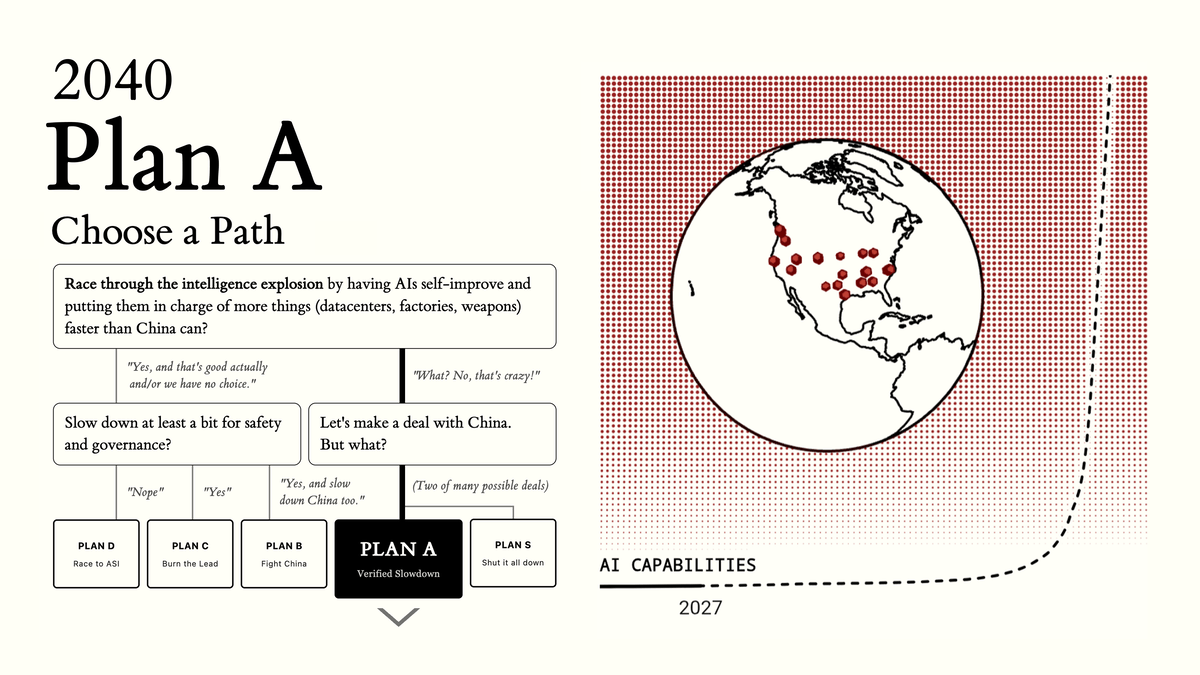
AI 2040: Plan A
A detailed forecast and recommendation for how the US, China and the rest of the world should navigate superintelligence.
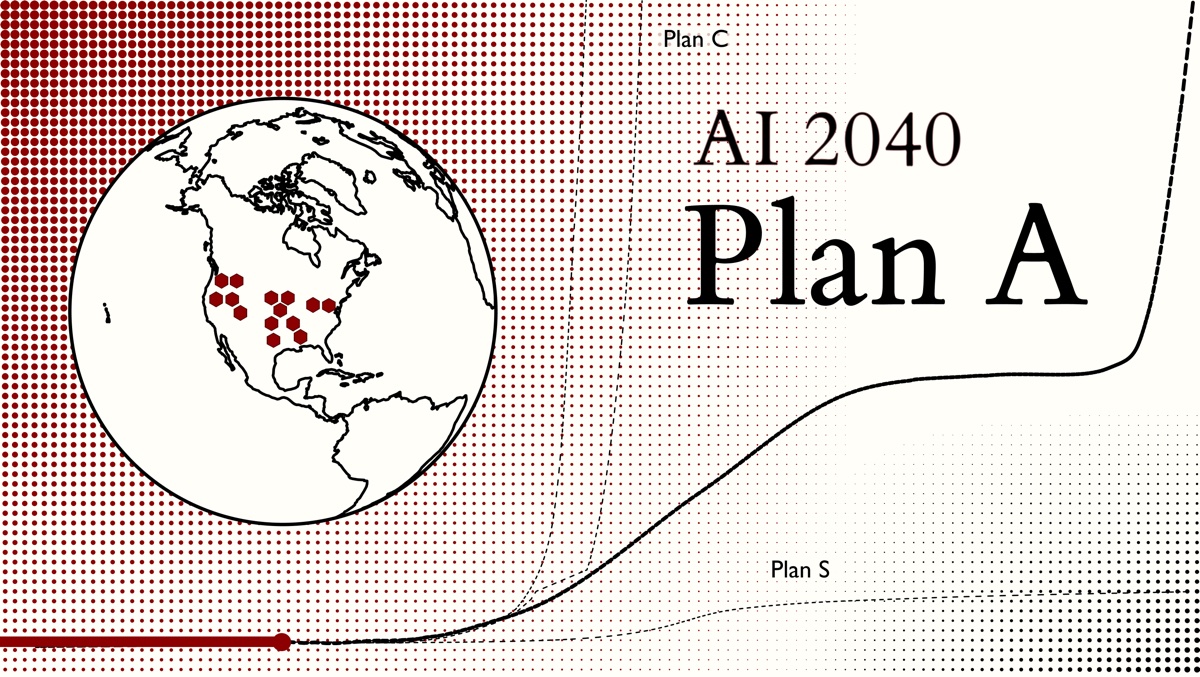
AI 2040: Plan A
A detailed forecast and recommendation for how the US, China and the rest of the world should navigate superintelligence.
Evan Hubinger on Twitter / X
Jacob is correct here—we really do earnestly believe AI could kill all humans! I personally think it is >10% within the next decade. I believe Anthropic is trying its best, but we do not yet have a plan to solve alignment for superintelligence and are not clearly on track to. https://t.co/QAIHiFP3QZ— Evan Hubinger (@EvanHub) September 9, 2026
Import AI 456: RSI and economic growth; radical optionality for AI regulation; and a neural computer
What laws does superintelligence demand?

95% of organizations got zero return on AI investment in MIT study
Companies are investing tens of billions of dollars in generative AI with little to show for it.

Superintelligence: Paths, Dangers, Strategies
Superintelligence: Paths, Dangers, Strategies is a 2014 book by the philosopher Nick Bostrom. It explores how superintelligence could be created and what its features and motivations might be. It argues that superintelligence, if created, would be difficult to control, and that it could take over the world in order to accomplish its goals. The book also presents strategies to help make superintelligences whose goals benefit humanity. It was particularly influential for raising concerns about existential risk from artificial intelligence.
