

I like to understand how things work under the hood. Assembly programming is very close to the metal but, even then, the assembler hides some complexity to make our lives easier. Also the linker does lots of work I don’t completely understand.
elf32-hello-world/README.md at master · DenizBasgoren/elf32-hello-world
Let's write hello world in machine code! Contribute to DenizBasgoren/elf32-hello-world development by creating an account on GitHub.
From bootloader to kernel
If you've read my earlier posts about assembly language for Linux x86_64, you might see that I started to get interested in low-level programming. I've written a set of articles on assembly programming for x86_64 Linux and, in parallel, began exploring the Linux kernel source ...

How programs get run: ELF binaries
The previous article in this series described the general mechanisms that th [...]
Your executable is a SQLite database
I have been probably obsessed with two things in the last few years: Nix as a tool to explore innovative ideas that require the capability to rebuild the world and replacing ELF with SQLite as an executable format. You might have noticed that these two ideas are well suited to each other.
Seph
The Rust programming language feels like a first generation product. You know what I mean. Like the first iPhone - which was amazing by the way. They made an entire operating system around multitouch. A smart phone with no keyboard. And a working web browser. Within a few months, we…
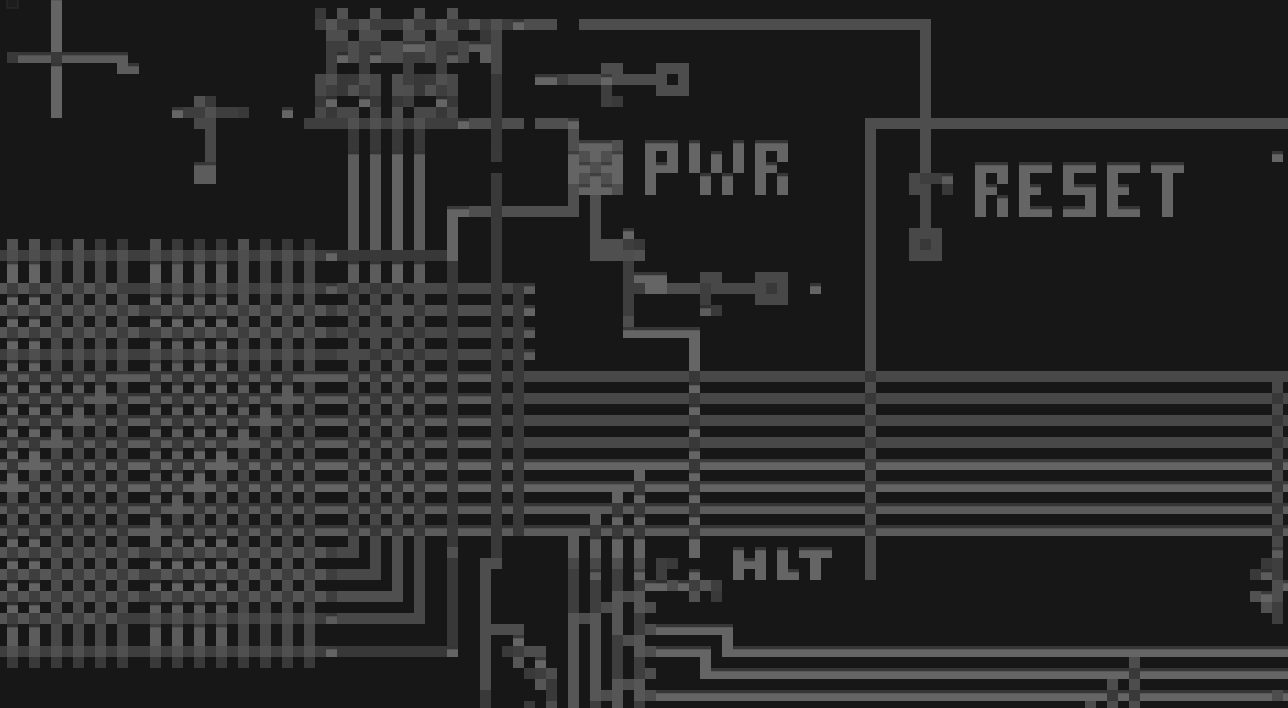
Crafting Interpreters
Ever wanted to make your own programming language or wondered how they are designed and built?
What is Semble?
Systems Programming with Zig
Zig delivers performance, reliability, and complex integration in systems programming in a simple, modern package. Zig hits the sweet spot for systems programming. This new programming language is high-performance, low-level, ultra-reliable, and perfectly suited for serious projects like writing libraries, daemons and shell utilities, and even operating systems and embedded code. Systems Programming with Zig shows you how to write quality, useful Zig applications without relying on libraries or frameworks-even if you’re new systems programming. In Systems Programming with Zig you’ll learn how to: Understand the Zig perspective on systems programming Write idiomatic Zig code Integrate Zig with C, systems libraries, and scripting languages Networking, interpreters, and graphics from the ground up Unlike UI-centric applications that form the public face of your software, systems programs like OS kernels, device drivers, and utilities interact directly with the hardware or operating system. In these low-level programs, performance and safety are paramount. Zig is a new programming language that builds on the legacy of C, C++, and even Rust to provide a high-productivity systems programming environment that does not rely on awkward libraries and frameworks.

Modular: The Claude C Compiler: What It Reveals About the Future of Software
Compilers occupy a special place in computer science. They're a canonical course in computer science education. Building one is a rite of passage. It forces you to confront how software actually works, by examining languages, abstractions, hardware, and the boundary between human intent and machine execution.

The Rust Programming Language - The Rust Programming Language
by Steve Klabnik, Carol Nichols, and Chris Krycho, with contributions from the Rust Community
Instructions — WebAssembly 3.0 (2026-06-03)
WebAssembly computation is performed by executing individual instructions.
Rust Programming Language
A language empowering everyone to build reliable and efficient software.

Rabrg/artificial-life
A simple (300 lines of code) reproduction of Computational Life: How Well-formed, Self-replicating Programs Emerge from Simple Interaction
MOSAIC

Modular Open Science, AI & Collective Intelligence (BiTS program)
Live Programming

Semble-Coding

~
Is the scientific paper still a fraud?

The Robyn Dawes Institute for the Improvement of Science

The Least Agentic People Alive
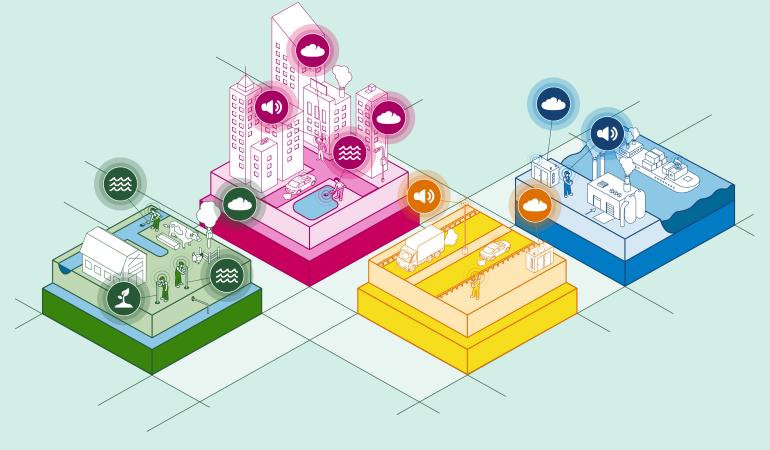
How can citizen science reduce psychological distance to science? Insights from three projects in contested environmental contexts

Nova Scotia’s Experiment in Research That Solves Real Problems
We argue badly, and nothing accumulates. How could we do better? | Reason Commons — Issue Trees & Logical Thinking Process

Spatial programming without escape

An invitation into Droste's Lair
Something Pretty Right: A History of Visual Basic | Retool

Issue 084: Spreadsheets

Workshop on Live Programming (LIVE)
Live Programming in Hostile Territory
Semble Multi-User Graph Explorer