


TV Tropes, the all-devouring pop-culture wiki, catalogs and cross-references recurrent plot devices, archetypes, and tropes in all forms of media.

I Am What I Am - TV Tropes
The I Am What I Am trope as used in popular culture. Often a character will be ashamed of some aspect of themself (or society insists they should be). It …

Star Script Doctor Damon Lindelof Explains the New Rules of Blockbuster Screenwriting
“We live in a commercial world, where you’ve gotta come up with ‘trailer moments.’”

Why Do Movies Feel So Different Now?

Cartoons & Cereal: How Adult Swim Has Held It Down For Hip-Hop On TV
The after-dark animation entity has done more than its fair share for hip-hop culture for over a decade.

Preparing for the Creator Economy Apocalypse (with Chris Gethard)
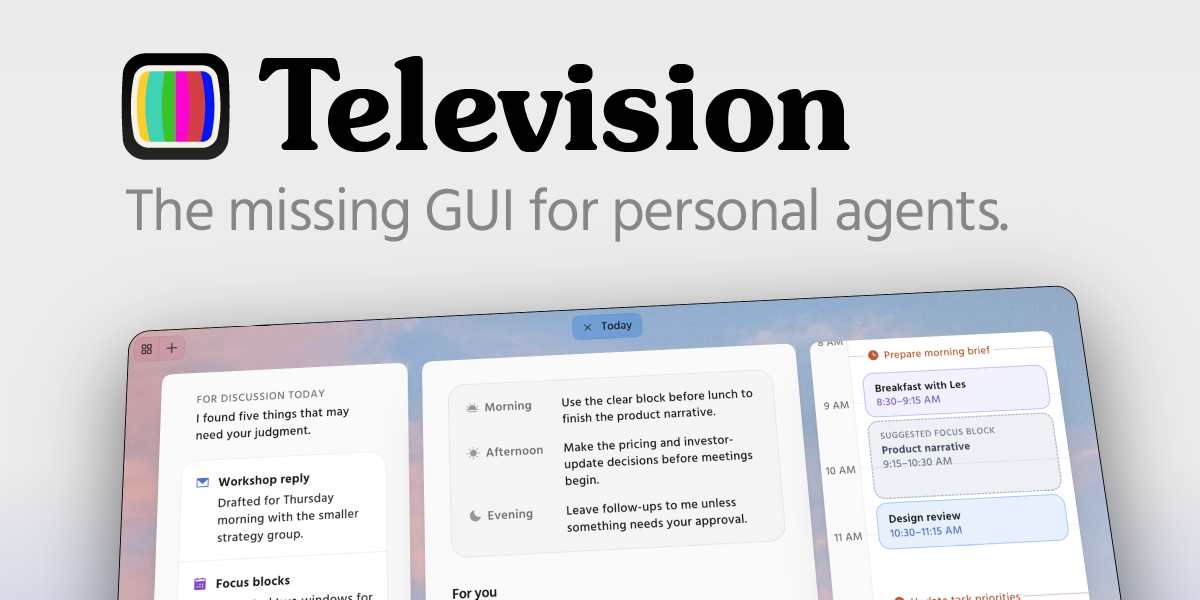
Television
Television is a visual interface for personal agents, a space for creating, arranging, and reusing artifacts.
Technopoly: The Surrender of Culture to Technology
A witty, often terrifying that chronicles our transform…

Solidarity Cinema
We believe liberatory media should be as free as the future we struggle toward. We’ll do our best to collectively update and maintain the library and catalog. For now the catalog is updated occasionally, but films are added regularly.

Copaganda: Why film and TV portrayals of the police are under fire
Images of badass cops or lovable goofballs on our screens needs revising, and not just in US shows like ‘Brooklyn Nine-Nine’ but British TV too, says our new arts columnist Micha Frazer-Carroll

Why Everyone's A Video Essayist Now
Leading the Herd Astray: An Experimental Study of Self-fulfilling Prophecies in an Artificial Cultural Market
Individuals influence each others' decisions about cultural products such as songs, books, and movies; but to what extent can the perception of success become a “self-fulfilling prophecy”? We have explored this question experimentally by artificially inverting the true popularity of songs in an online “music market,” in which 12,207 participants listened to and downloaded songs by unknown bands. We found that most songs experienced self-ful- filling prophecies, in which perceived—but initially false—popularity became real over time. We also found, however, that the inversion was not self-fulfilling for the market as a whole, in part because the very best songs recovered their popularity in the long run. Moreover, the distortion of market information reduced the correlation between appeal and popularity, and led to fewer overall downloads. These results, although partial and speculative, suggest a new approach to the study of cultural markets, and indicate the potential of web-based experiments to explore the social psychological origin of other macrosocio- logical phenomena.

Felicia Day Reveals Her Secret Geek Origins and Hollywood Adventures!