

We only have 8 years left before:deglaciation of W. Antarctica begins80% of coral reefs dieArctic sea ice disappearsworld crops fail simultaneously40% of N. American birds go extinctrainforest collapse is locked inThe planet you think you're living on no longer exists.— Ben See (@ClimateBen) January 25, 2020
Wildlife destruction 'not a slippery slope but a series of cliff edges'
New study finds ocean ecosystems likely to collapse in 2020s and land species in 2040s unless global warming stemmed
Mammals’ Time on Earth Is Half Over, Scientists Predict (Published 2023)
A new model suggests that in 250 million years, all land will collide into a supercontinent that boosts warming and pushes mammals to extinction.

Opinion | An Age of Extinction Is Coming. Here’s How to Survive. (Published 2025)
Everything is under threat. What you care about can make it to the other side.

The Gargantuan Lie That is Collapsing The World’s Climate
Thinking we have time left to address climate change, or that “Net Zero by 2050” will save us, is driving us toward full social collapse in ways that become more obvious with every new broken temperature record.
'We're doomed': Mayer Hillman on the climate reality no one else will dare mention
The 86-year-old social scientist says accepting the impending end of most life on Earth might be the very thing needed to help us prolong it
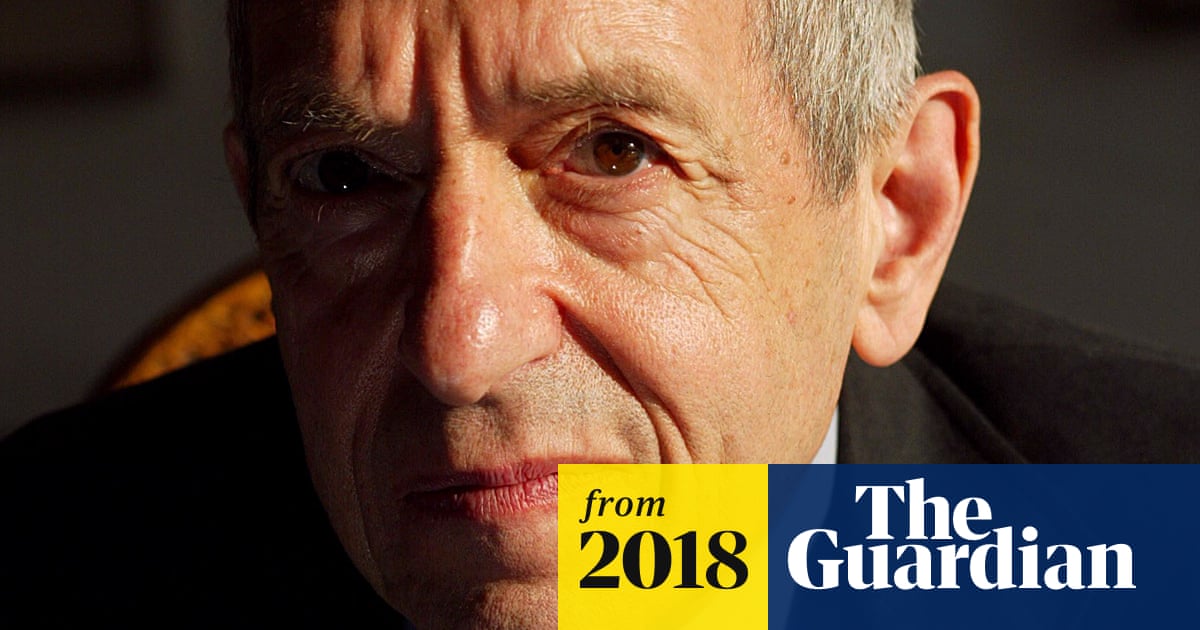
Global Glacier Extinction Explorer
Navigate the map to discover glaciers worldwide. Select a warming scenario to see how projected extinction years shift under different futures. Hover over a glacier for a quick summary, or click it to explore its full profile — including area, elevation range, and projected extinction timing across scenarios. Use the 3D button to tilt into a terrain view.
The Arctic Is in Dire Straits, 20 Years of Reporting Show
The Arctic has changed dramatically in the past 20 years, a new report shows, as temperatures skyrocket and ice rapidly melts
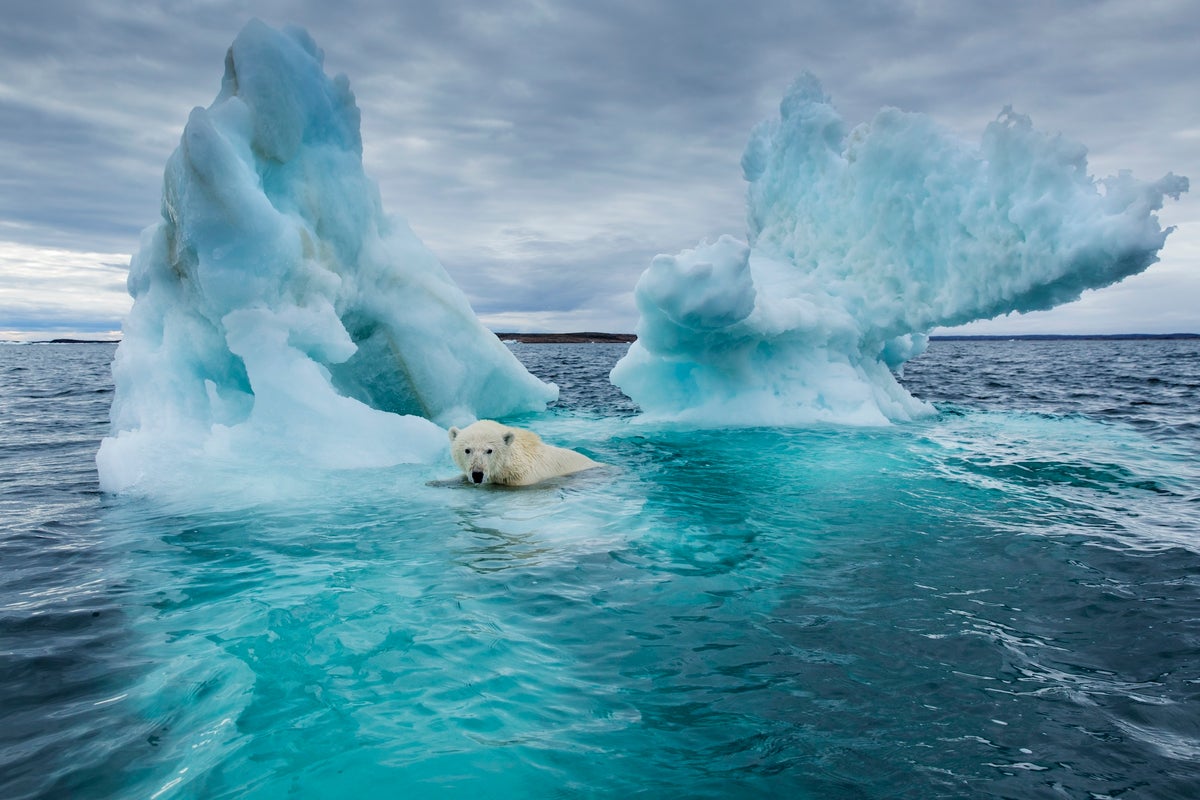
What if We Stopped Pretending the Climate Apocalypse Can Be Stopped?
The climate apocalypse is coming. To prepare for it, we need to admit that we can’t prevent it.
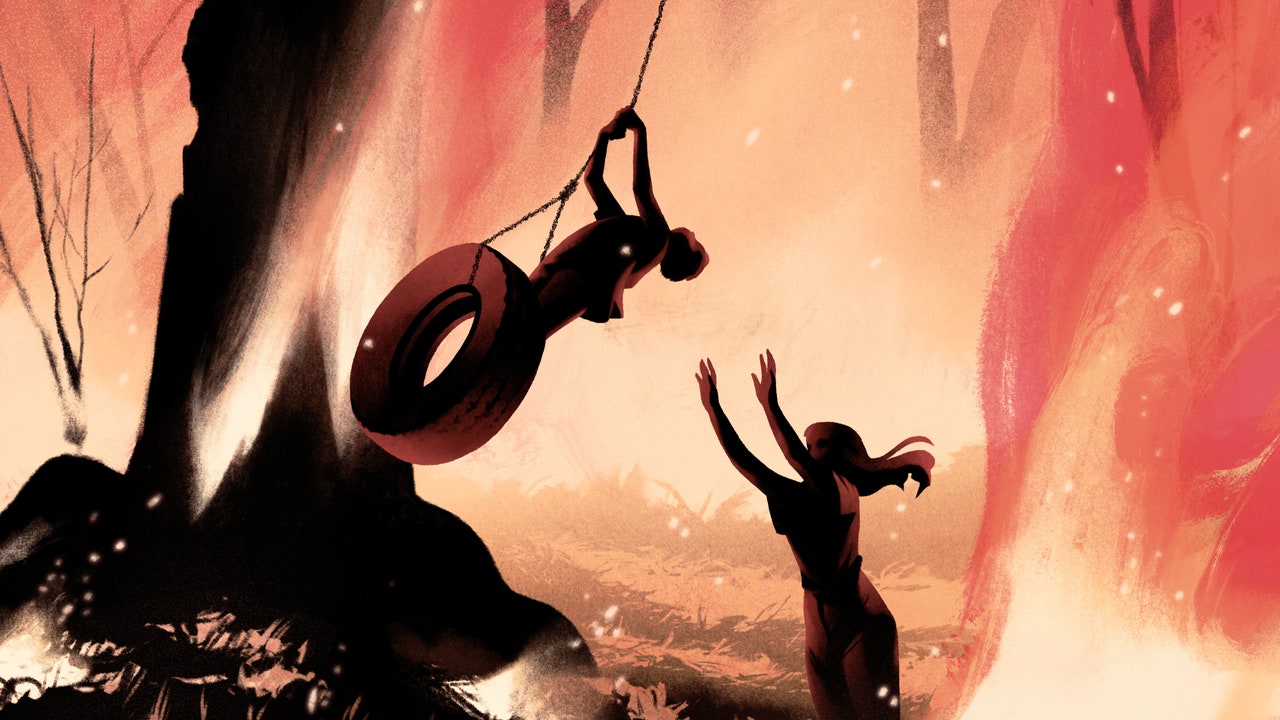
Impact of climate change may be equivalent to 3.3 million years of transformations in tropical vegetation
Changes that took millions of years can now happen in a matter of decades, and this accelerated rythm can be destructive, with dangerous consequences for the planet
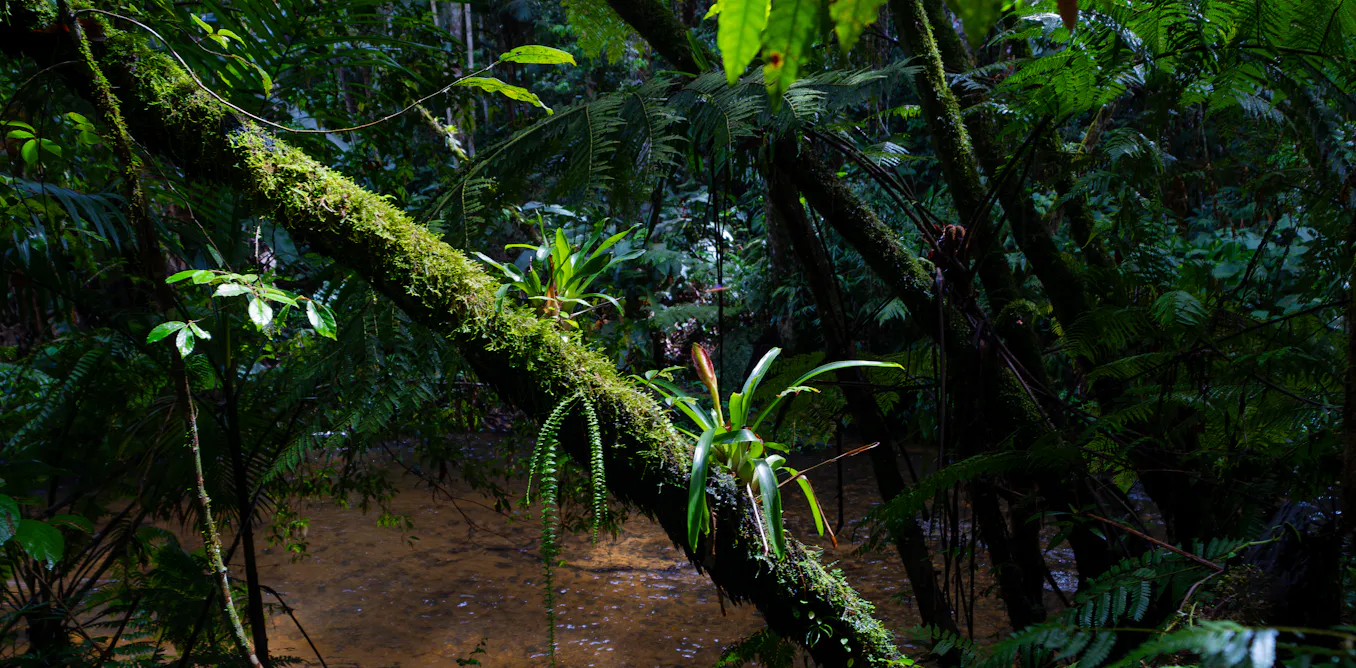
Biodiversity change under human depopulation in Japan
Global studies consistently highlight a direct relationship between habitat and species losses, and human population and economic growth. Nevertheless, countries are experiencing below-replacement human fertility and starting to depopulate; among these countries, Japan is a global forerunner. To better understand whether human depopulation automatically yields environmentally restorative outcomes, we examine the impacts of human depopulation on aspects of biodiversity in Japan. Alongside population, land use and surface temperature, we analyse biodiversity change among 464 taxonomic species of bird, butterfly, firefly and frog egg masses, and 2,922 native and non-native plant species in wooded, agricultural and peri-urban landscapes across Japan over periods of 5–17 years from 2004. Irrespective of human population increase or decrease, biodiversity losses continue among most species studied mainly because of change in agricultural land use, either due to urbanization, disuse and abandonment, or intensification. Only where human numbers are currently stable, biodiversity is also more stable, although we anticipate that this may also change as ageing deepens into depopulation in these areas. We conclude by urging countries facing depopulation to account for its outcomes in their biodiversity conservation and restoration strategies.

Birds Are Vanishing From North America (Published 2019)
The number of birds in the United States and Canada has declined by 3 billion, or 29 percent, over the past half-century, scientists find.

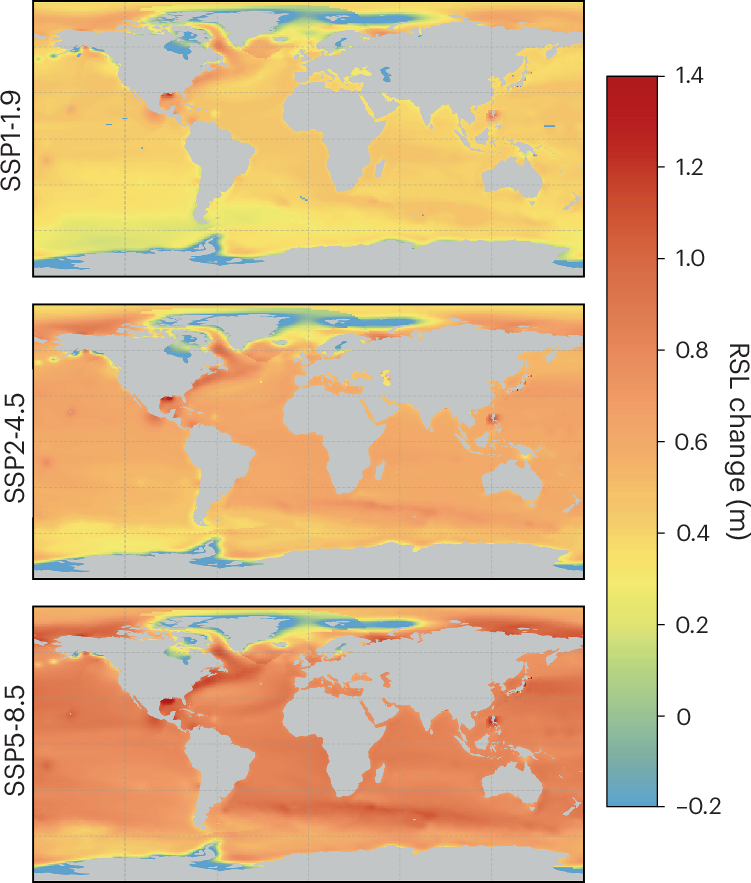
Climate-driven depopulation and adaptation realities in America’s coastal ground zero
With global temperatures poised to exceed the 1.5 °C Paris Agreement threshold—a level that triggered substantial ice-sheet collapse during the Last Interglacial—low-elevation coastal zones face sea-level commitments far beyond current planning horizons. With this geological frame of reference, we examine the impact of sea-level rise on what may be the most physically vulnerable coastal zone in the world using prehistoric and contemporary patterns of human mobility. We highlight the positive aspects of the recently commenced out-migration in this region and argue that the fate of communities landwards of this coastal zone will be decided in the next few decades.
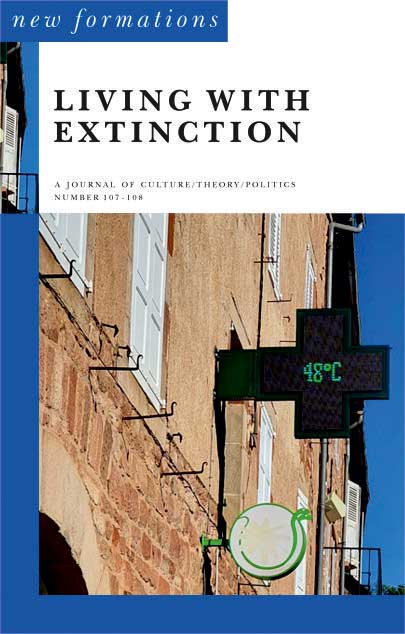
Extinctiopolitics: Existential Risk Studies, the Extinctiopolitical Unconscious, and the Billionaires’ Exodus from Earth
One of the most prominent intellectual attempts to grapple with human extinction in recent decades is existential risk studies.
Carbon Removal Technologies | YC Request for Startups
Climate change presents an existential threat to humanity. We are already seeing the effects and they are showing up faster and stronger than anticipated. A report by United Nations' scientific panel on climate change released this month expects the atmosphere-on our current trajectory-to warm up by 1.5 degrees Celsius by 2040. Even the effects of a 0.5 degrees increase will have far-reaching consequences. This research indicates that we are already past the tipping point; even if we significantly reduced emissions, climate change would continue (Source IPCC summary C3 section). We believe there's still time to make a change if we look both to renewal energy and CO2 removal.

Future of the human climate niche | PNAS
All species have an environmental niche, and despite technological advances, humans are unlikely to be an exception. Here, we demonstrate that for ...

Climate change now irreversible due to warming oceans, UN body warns
Climate change is now irreversible, thanks to ocean warming crossing a “tipping point”, UN experts have warned.
