

“The latest wave of COVID-19 and Biden’s destruction of public health” 🧵of today’s WSWS Perspective.On Friday, the CDC updated its COVID-19 wastewater tracker, showing that the ninth wave of mass infection is continuing across the United States. 1/ https://t.co/WEYuWt0eWp— Evan Blake (@EvanBlake17) July 27, 2024
1/ PMC COVID-19 Tracker, Dec 18, 2023 We are headed into potentially the 2nd largest COVID surge all-time in the U.S. If #wastewater levels follow historic trends, we will reach 2 million infections/day at peak surge with 4.2% of the population actively infectio
1/PMC COVID-19 Tracker, Dec 18, 2023We are headed into potentially the 2nd largest COVID surge all-time in the U.S. If #wastewater levels follow historic trends, we will reach 2 million infections/day at peak surge with 4.2% of the population actively infectious on Jan 10. pic.twitter.com/wkUNDn06UB— Mike Hoerger, PhD MSCR MBA (@michael_hoerger) December 18, 2023

According to wastewater, the US would currently be reporting an estimated 8,400,000 new Covid cases WEEKLY if we were testing & reporting data. By New Years Day, we can expect 12,6000,00 new cases per week. If all the mass disease & death isn’t reported, is it even real?
According to wastewater, the US would currently be reporting an estimated 8,400,000 new Covid cases WEEKLY if we were testing & reporting data. By New Years Day, we can expect 12,6000,00 new cases per week.If all the mass disease & death isn’t reported, is it even real? https://t.co/BTOv8cPT6z— Laura Miers (@LauraMiers) December 4, 2023
Wastewater tracking for COVID-19 could lead to privacy and ethics concerns, some scientists say | CBC Radio
Wastewater surveillance has gone from niche science to mainstream public health tool over the course of the pandemic. But some experts caution that the data collected could lead to privacy concerns, especially because samples are often gathered from public sources. Wastewater tracking for COVID-19 could lead to privacy, ethics concerns, some scientists say

Retracted coronavirus (COVID-19) papers
via CDC We’ve been tracking retractions of papers about COVID-19 as part of our database. Here’s a running list, which will be updated as needed. (For some context on these figures, see…
A break from Covid waves and a breakthrough for preventing Long Covid
Facts, data and analytics about biomedical matters
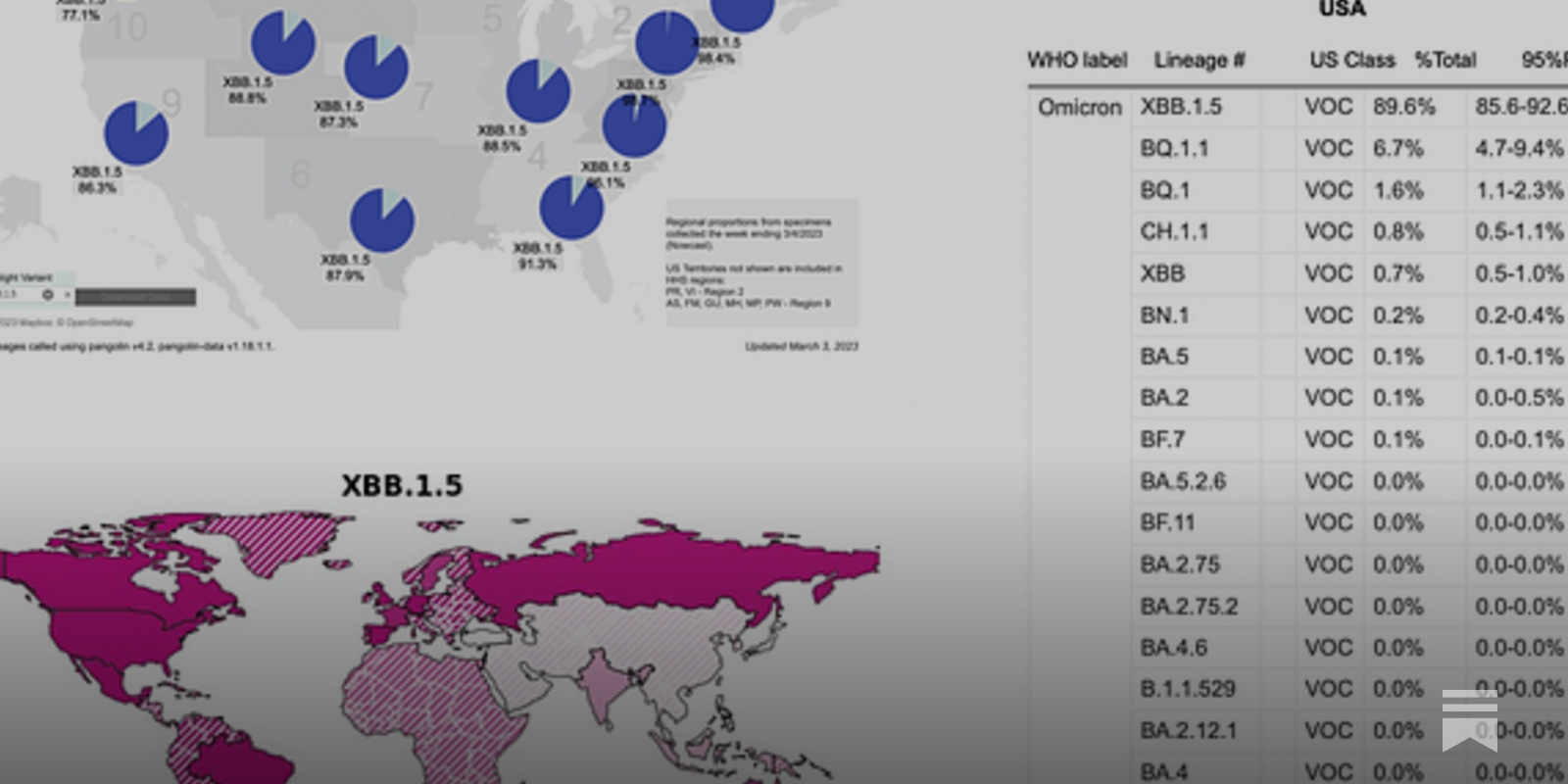
COVID-19 #CoronaVirus Infographic Datapack — Information is Beautiful
Updated daily, now with global vaccination stats

The unprecedented and deadly cruise ship hantavirus outbreak, explained
This is not COVID," and other reasons why risk to the public is currently low.

Archive: New COVID-19 ‘Citizen Science’ Initiative Lets Any Adult with a Smartphone Help to Fight Coronavirus
The online study would try to help researchers gain insight into how the virus is spreading and identify ways to predict and reduce the number of new infections.

Replication Data for: County-Level Associations between Drinking Water PFAS Contamination and COVID-19 Mortality in the United States
This repository holds two replication datasets for the study titled, "County-Level Associations between Drinking Water PFAS Contamination and COVID-19 Mortality in the United States." Additional information is available in the readme file for download.
COVID's aftermath: Persistent organ damage at 1 year, lung abnormalities at 2
CIDRAP - Center for Infectious Disease Research & PolicyResearch and Innovation Office, University of Minnesota, Minneapolis, MN

Yale School of Public Health - COVID-19 and Immune System Impacts
Global Risk Report highlights climate crisis and COVID-19 | World Economic Forum
While the world still reels from the coronavirus pandemic, the greatest threats we collectively face come from multiple sources.

States Are Reopening:<br> See How Coronavirus Cases Rise or Fall
As states reopen, see if they meet White House guidelines for reopening and whether their COVID-19 infection rate is increasing or not.

CDC to restructure after COVID failure, “confusing and overwhelming” guidance
Cultural, structural changes to shift focus from scientific publishing to public health action.

Japan: A study covering 2020–2023 estimated COVID-19 infections were 4.7x higher than officially reported. During Omicron BA.4/5: • Reinfection rate rose from 0.4% (2021) to 28.1% (2023) • Reinfections made up 81.5% of new infections • Findings highlight widespread underreporting and reinfections
