

I don't talk much about this - I obtained one of the first FDA approvals in ML + radiology and it informs much of how I think about AI systems and their impact on the world. If you're a pure technologist, you should read the following:There's so much to unpack for both why… https://t.co/1M5T4D8fca— Kevin Fischer (@kevinafischer) May 28, 2023
Is AI Flooding Medical Journals With 'Meaningless' Research?
'It's not fraudulent, and it's not really slop,' one expert says

What Can We Learn From the FDA Model for AI Regulation? - AI Now Institute
After holding a rapid deliberation late last year that convened deep experts on the FDA alongside key participants in the AI policy debate, we pulled together several immediate insights into a memo. Though it was clear the path forward isn’t to port over any single regulatory model wholesale, hosting a deep dive into the Food […]

Do We Need an FDA for AI?: A Rapid Expert Deliberation - AI Now Institute
AI Now is convening a rapid expert deliberation to develop policy guidance on how regulating AI can be more robustly informed by past precedent.

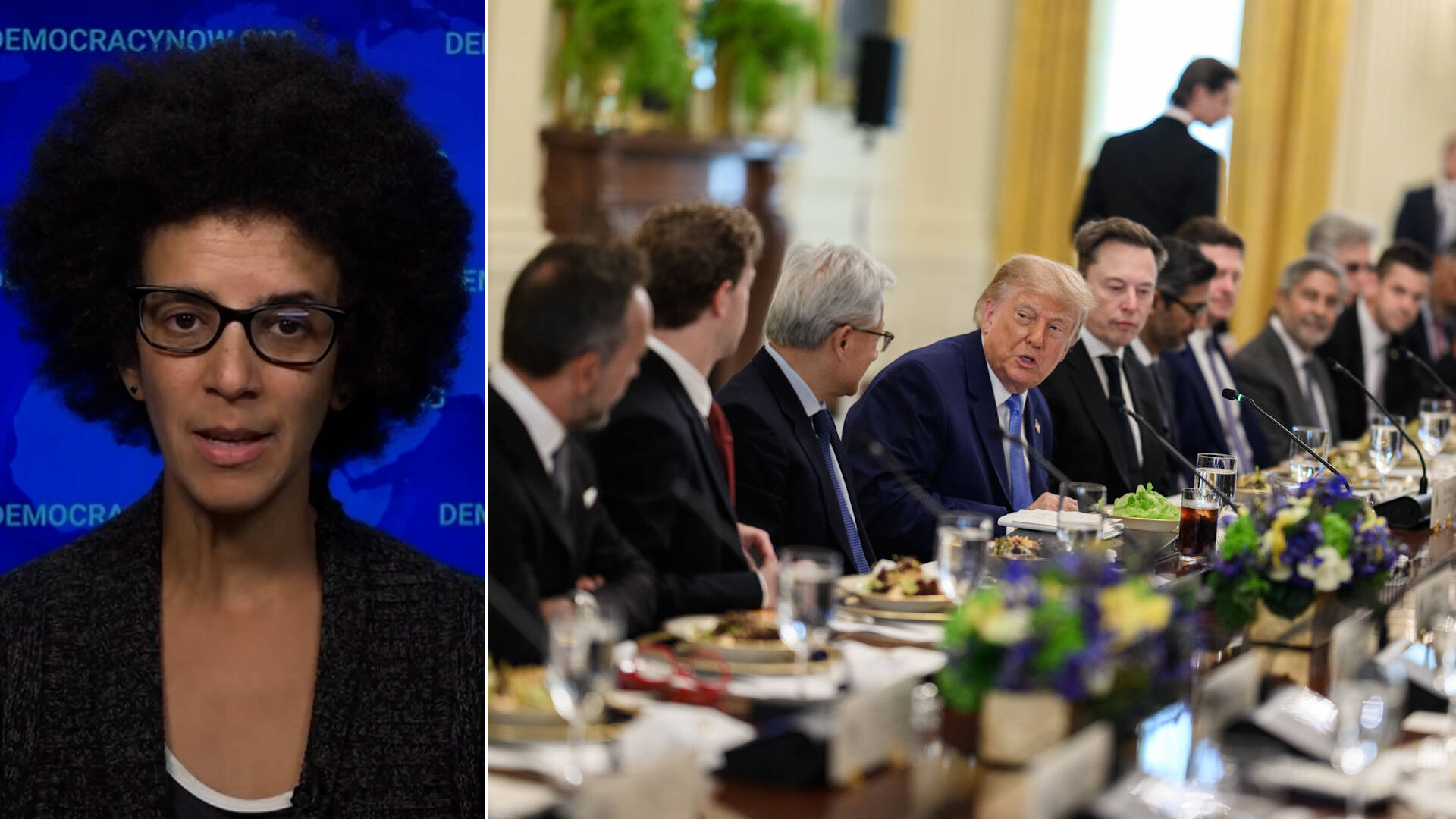
The Real Existential Risk Is AI CEOs Avoiding Oversight: “Alternative Nobel” Winner Timnit Gebru
We speak to the prominent AI researcher and leading critic of the AI industry, Timnit Gebru, who was recently awarded a 2026 Right Livelihood Award for her work investigating the harms and hype behind the global buildup of artificial intelligence. “Instead of discussing faulty, unreliable systems,” Gebru says tech leaders like SpaceXAI’s Elon Musk, OpenAI’s Sam Altman and Anthropic’s Dario Amodei are “marketing their systems as all-knowing, superpowerful, superintelligent,” and lobbying for “self-policing and self-regulation” to avoid being held “liable through existing laws.” Gebru expresses skepticism over increasingly widespread claims that AI algorithms pose an existential risk to humanity, warning that such claims are overblown and that “what is actually happening is regulatory capture.”
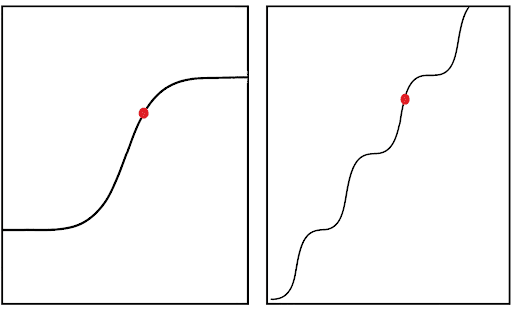
AI in 2025: gestalt — LessWrong
This is the editorial for this year’s "Shallow Review of AI Safety". (It got long enough to stand alone.) …
No. 017: Science EIC contra AI hype, data poisoning of research agents, Vancouver Standard for AI disclosure - The Hallway Track
The Hallway Track No. 017 - How AI is affecting the practice of science
Dario Amodei — We Must Pace the Frontier
I have worked on AI for the last twelve years because I believe it could dramatically raise the quality of human life. I’ve written often about these incredible benefits: I believe that AI could cure most major diseases in the next 5–10 years, greatly accelerate economic growth rates, create a world of abundance and empowerment, and usher in a renaissance of democracy and freedom. I feel the urgency personally. My own father died of a disease that was cured just a few years after his death, and I myself survived an early-stage cancer that would not have been treatable even fifty years ago. Carefully wielded, AI can be the latest in a long line of technological miracles that have uplifted and ennobled humanity.
I’m a neurology ICU nurse. The creep of AI in our hospitals terrifies me - Coda Story
The healthcare landscape is changing fast thanks to the introduction of artificial intelligence. These technologies have shifted decision-making power away from nurses and on to the robots. Michael Kennedy, who works as a neuro-intensive care nurse in San Diego and is a member of California Nurses Association and National Nurses United, believes AI could destroy

70 years of AI hype
Quoting from Olivia Guest et al. (2025) "Against the Uncritical Adoption of AI Technologies in Academia."
Company Offering ‘100% Human-Written, Never AI’ Medical Research Is Entirely AI
Research Gold's team of human methodologists are either AI generated or using the identity of real people without their permission
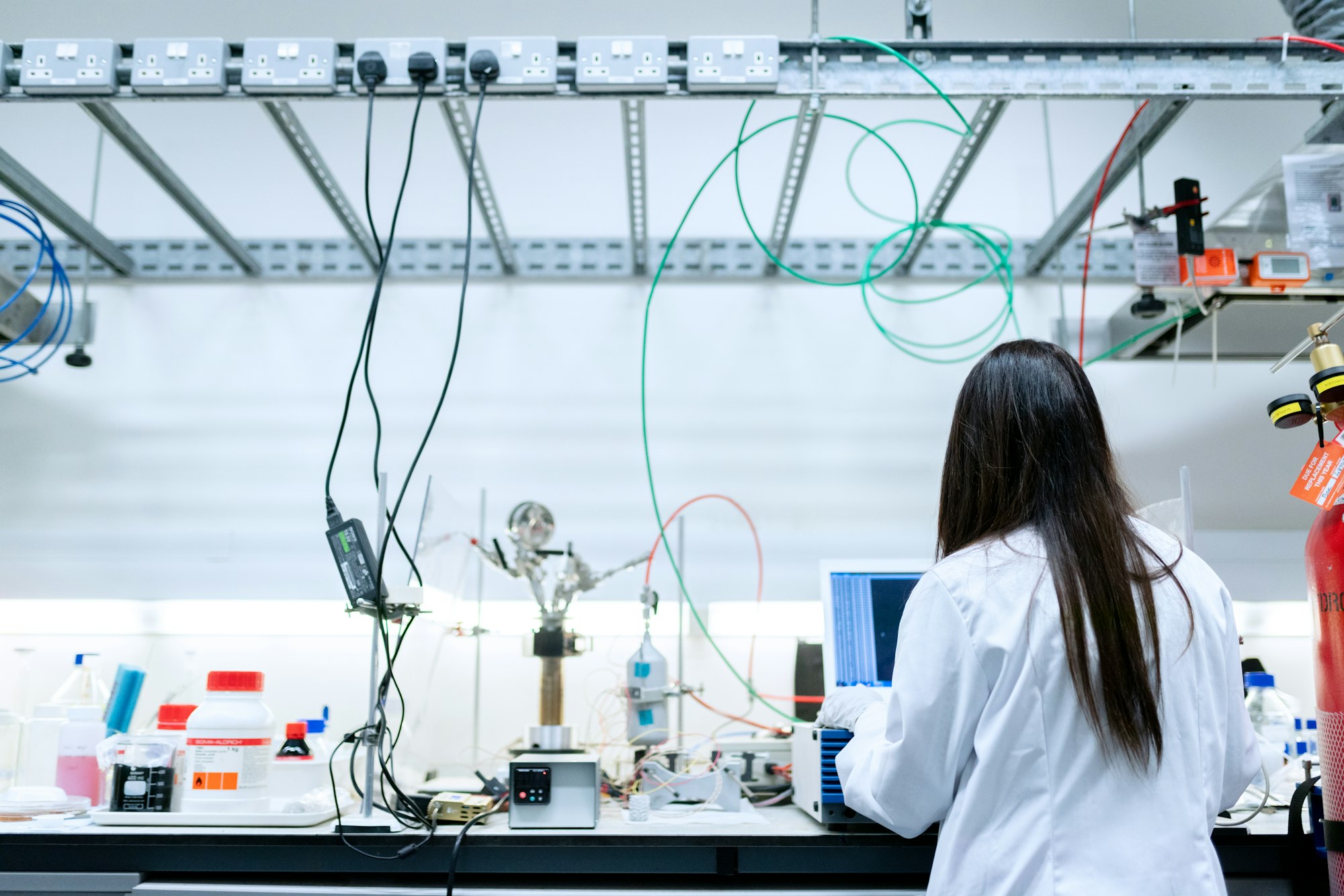
Company Offering ‘100% Human-Written, Never AI’ Medical Research Is Entirely AI
Research Gold's team of human methodologists are either AI generated or using the identity of real people without their permission
What the Studies Say About How AI Affects Your Brain: A (Very Big) Compilation
The entire literature clearly points to a single surprising finding
The AI Con — Livtet
"A smart, incisive look at the technologies sold as artificial intelligence, the drawbacks and pitfalls of technology sold under this banner, and why it's crucial to recognize the many ways in which A

Absolutely incredible figure from this journal article arguing that AI should be accepted into the publication and peer review process. #MedSky doi.org/10.1515/cclm-2025-1180
Absolutely incredible figure from this journal article arguing that AI should be accepted into the publication and peer review process. #MedSky doi.org/10.1515/cclm-2025-1180
AI* and healthcare/medicine

* I’m neither “pro-AI” nor “anti-AI.” I’ve been blocked for being perceived as both. —Actually, I’m honestly more anti-AI than pro-AI thus far, aside from specialized models and specific use cases, but I’m willing to consider information that’s new to me

I listened to this yesterday and they talk about this at 25 minute mark: > the rate of thyroid-cancer diagnoses in the Republic of Korea was…
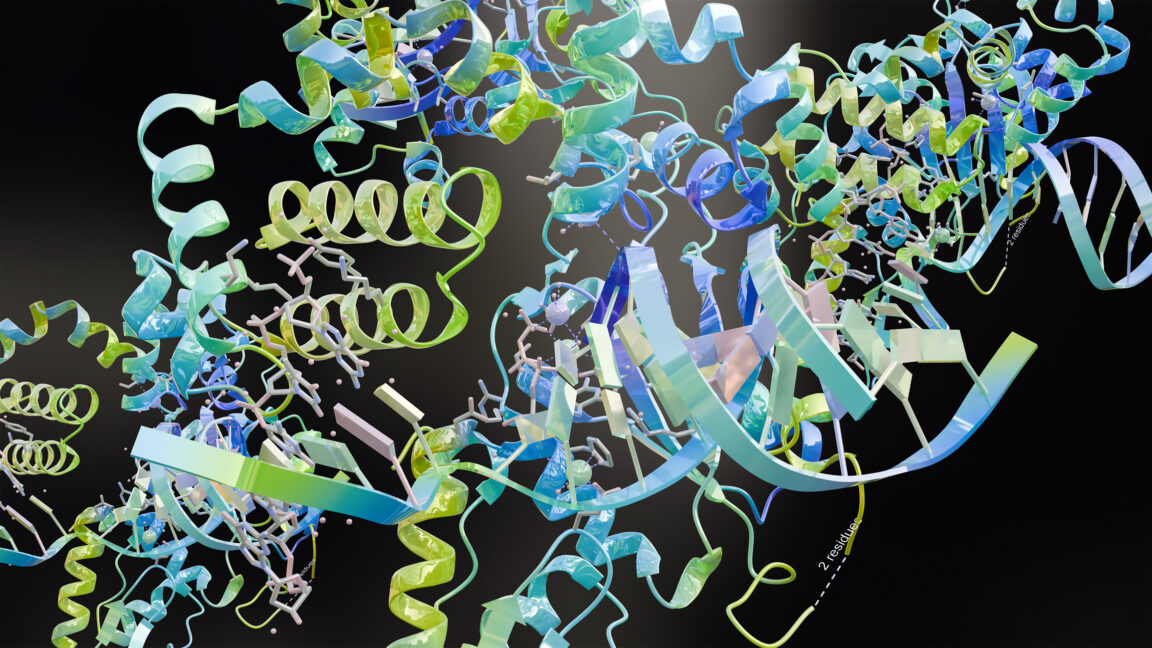
Google figures out how to watermark AI-designed proteins

Emily Moin (@emilymoin.com)

Mike Masnick (@masnick.com)
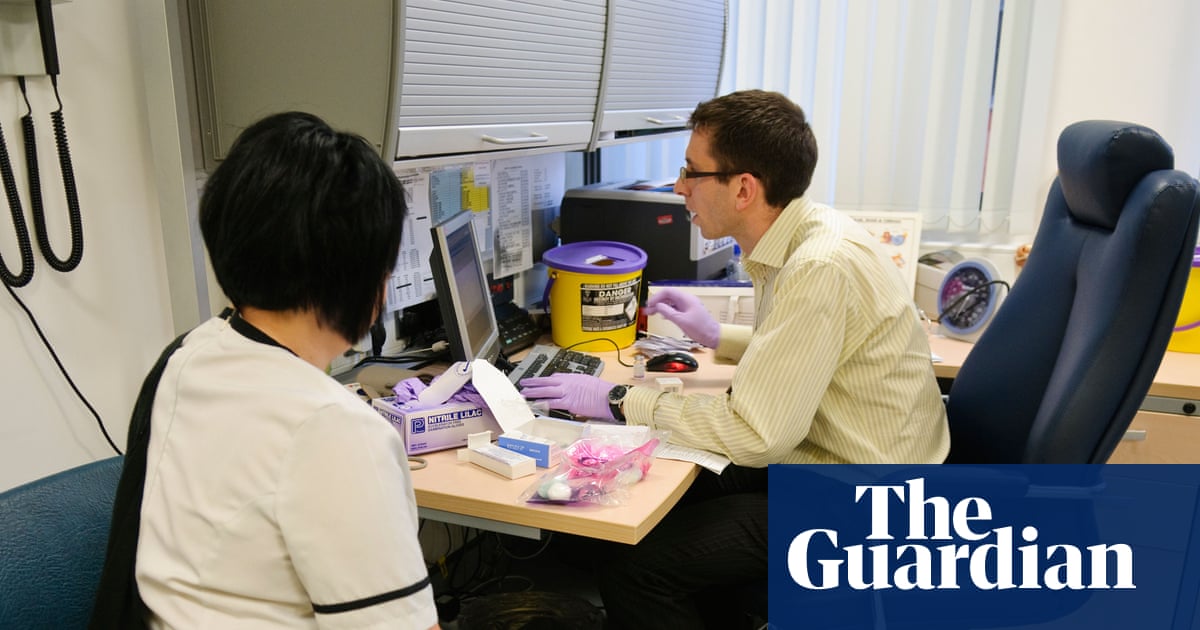
Doctors’ AI scribes get names of drugs and diagnoses wrong, NHS watchdog warns

It’s remarkably easy to inject new medical misinformation into LLMs
