


This critique of AI Safety is right on the money.An unwillingness to challenge corporate power even as people say a pause needs to seriously happen.Or lobbying for “differentiated development” even as these AI corps recklessly scale on.It’s internally inconsistent. 1/ https://t.co/eVwnYV0kWM pic.twitter.com/GiSBSuRYuE— Remmelt Ellen 🛑 (@RemmeltE) April 16, 2024

AI is Entering an Era of Corporate Control - Slashdot
An annual report on AI progress has highlighted the increasing dominance of industry players over academia and government in deploying and safeguarding AI applications. From a report: The 2023 AI Index -- compiled by researchers from Stanford University as well as AI companies including Google, Anth...

Our views on AI policy and political advocacy
Our approach to AI policy and political advocacy, transparency, support for thoughtful regulation and AI safety, and that no outside political group speaks on the company’s behalf.
Does the AI Safety Movement Have It All Wrong?
Why that open letter urging an AI development pause is problematic
Applied ethics isn't a checklist. It's about putting in the time and effort to understand risks to wellbeing with the express intent of avoiding, mitigating and monitoring harm. It makes sense then to assume that the open call to pause AI development is a good thing. Well, yes

Statement on the "AI pause" letter
The listed authors of Stochastic Parrots on why the harms from so-called AI are real and present and follow from the acts of people and corporations.

A big-tent or small-tent AI safety movement?
The unstated disagreement that underpins safety debates

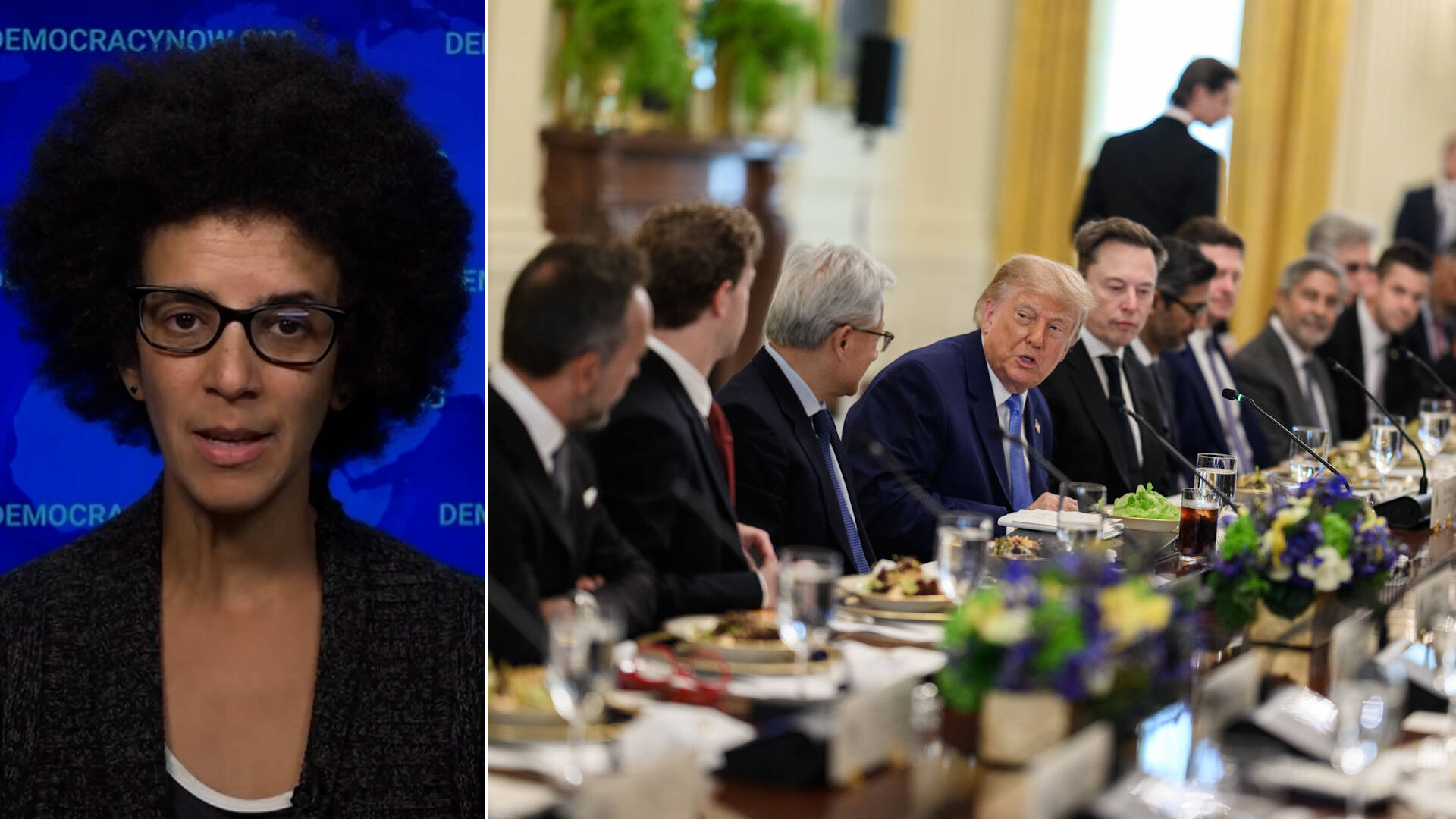
The Real Existential Risk Is AI CEOs Avoiding Oversight: “Alternative Nobel” Winner Timnit Gebru
We speak to the prominent AI researcher and leading critic of the AI industry, Timnit Gebru, who was recently awarded a 2026 Right Livelihood Award for her work investigating the harms and hype behind the global buildup of artificial intelligence. “Instead of discussing faulty, unreliable systems,” Gebru says tech leaders like SpaceXAI’s Elon Musk, OpenAI’s Sam Altman and Anthropic’s Dario Amodei are “marketing their systems as all-knowing, superpowerful, superintelligent,” and lobbying for “self-policing and self-regulation” to avoid being held “liable through existing laws.” Gebru expresses skepticism over increasingly widespread claims that AI algorithms pose an existential risk to humanity, warning that such claims are overblown and that “what is actually happening is regulatory capture.”

The Senate’s hearing on AI regulation was dangerously friendly
When politicians and corporations agree, suspicion is natural.

Effective Altruism Is Pushing a Dangerous Brand of ‘AI Safety’
This philosophy—supported by tech figures like Sam Bankman-Fried—fuels the AI research agenda, creating a harmful system in the name of saving humanity

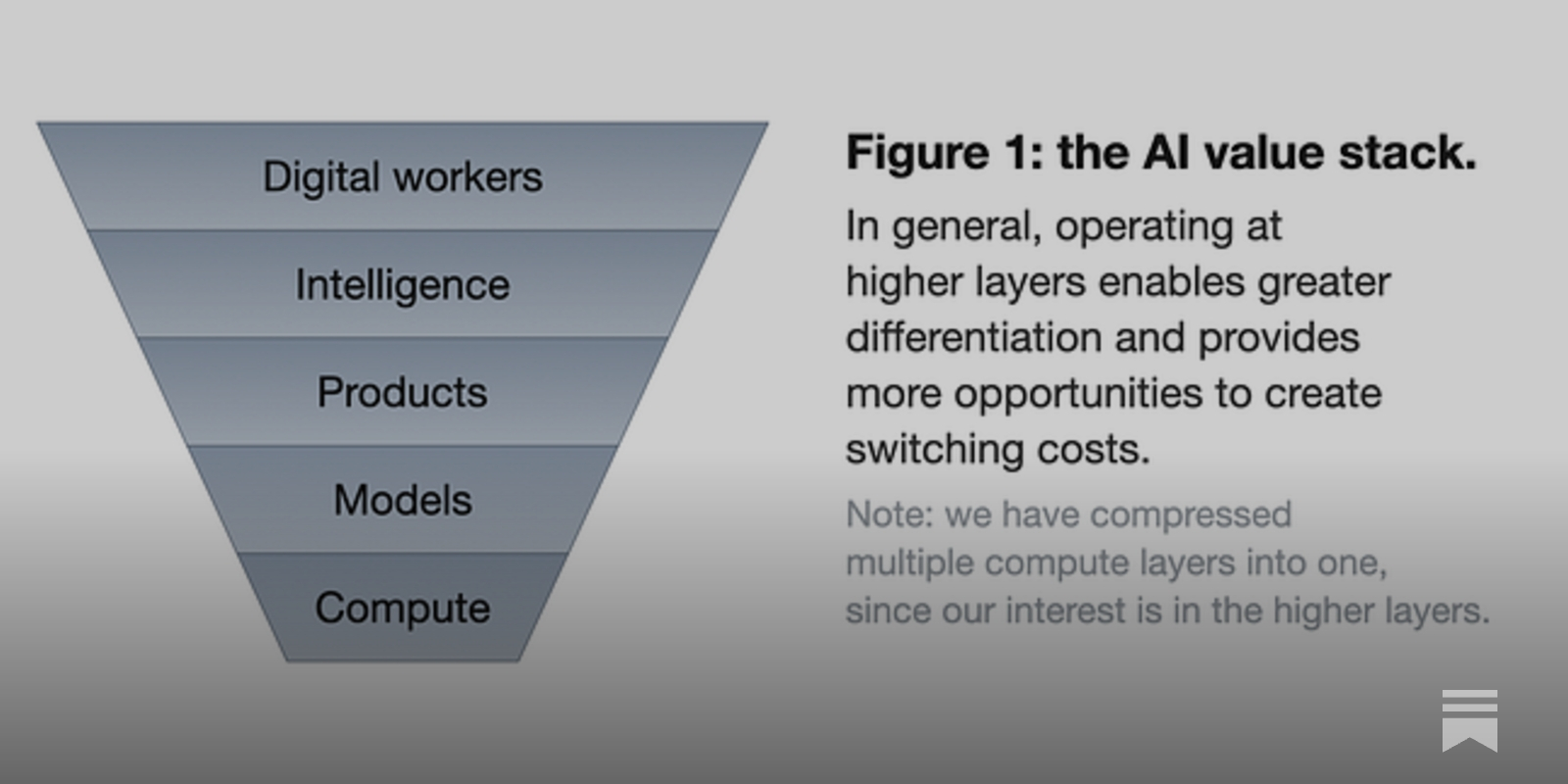
Up the Stack: How AI’s Escape From the Commodity Trap Risks Enterprise Lock-in
Critics and boosters are both looking in the wrong place
How a single tweet transformed the AI safety debate
Most people think AI is risky, but they don’t agree what to do next.
Clear, Compelling Arguments: Rethinking the Foundations of Frontier AI Safety Cases
This paper contributes to the nascent debate around safety cases for frontier AI systems. Safety cases are structured, defensible arguments that a system is acceptably safe to deploy in a given context. Historically, they have been used in safety-critical industries, such as aerospace, nuclear or automotive. As a result, safety cases for frontier AI have risen in prominence, both in the safety policies of leading frontier developers and in international research agendas proposed by leaders in generative AI, such as the Singapore Consensus on Global AI Safety Research Priorities and the International AI Safety Report. This paper appraises this work. We note that research conducted within the alignment community which draws explicitly on lessons from the assurance community has significant limitations. We therefore aim to rethink existing approaches to alignment safety cases. We offer lessons from existing methodologies within safety assurance and outline the limitations involved in the alignment community's current approach. Building on this foundation, we present a case study for a safety case focused on Deceptive Alignment and CBRN capabilities, drawing on existing, theoretical safety case "sketches" created by the alignment safety case community. Overall, we contribute holistic insights from the field of safety assurance via rigorous theory and methodologies that have been applied in safety-critical contexts. We do so in order to create a better foundational framework for robust, defensible and useful safety case methodologies which can help to assure the safety of frontier AI systems.

AI security issues dominate corporate worries, spending
Two reports illustrate how business leaders are thinking about and budgeting for generative AI.
AI Safety Is a Narrative Problem · Special Issue 5: Grappling With the Generative AI Revolution
This op-ed explores power and narrative dynamics around AI. Drawing on pop-culture references, the professional experiences of the author and examples from 2023’s “Great AI Safety Hype Roadshow,” this piece draws on the literary criticism technique of practical criticism to consider how speeches and announcements from both Silicon Valley executives and research scientists to interrogate the media-friendly nature of p(doom) discourse—which focuses on the existential risks of AI (PauseAI, 2023)—and its likely consequences. The complexities of AI and its numerous social impacts can be difficult for even the most expert analyst to unpack. In spite of this, the potential of “existential threats” has successfully cut through to become a mainstay of mainstream media coverage over the last year. This piece will make the case that this is an effective narrative conceit that has achieved a number of ends that traditional science communication tends to find difficult, if not impossible, to achieve. Firstly, it is easy to understand. Simplification of this nature—that removes jargon and complexity and focuses on a single outcome—is much easier to fit on a TV rolling news ticker or on the cover of a tabloid newspaper than more well-balanced, representative opinions. Secondly, it inherits prior assumptions from well-known dramatic forms. P(doom) plays to stories familiar from Greek tragedy through to Marvel movies, in which lone male heroes battle ineluctable forces. Thirdly, it is imbued with urgency and so becomes difficult to ignore.
