

I've discovered a probiotic that seems to reduce the infection rate and severity of SARS-CoV-2, as well as other diseases. I'm going to link multiple studies in this thread. Parents of young children especially, you'll want to pay attention to this:— 𓅔 Don't cede ground to disease 𓄿 𓅀 𓅁 𓅂 𓅃 𓅄 (@TheManeCharactr) December 20, 2023
Can addressing gut issues treat long COVID in children?
Study hopes to answer questions about connection between GI and neurological symptoms.

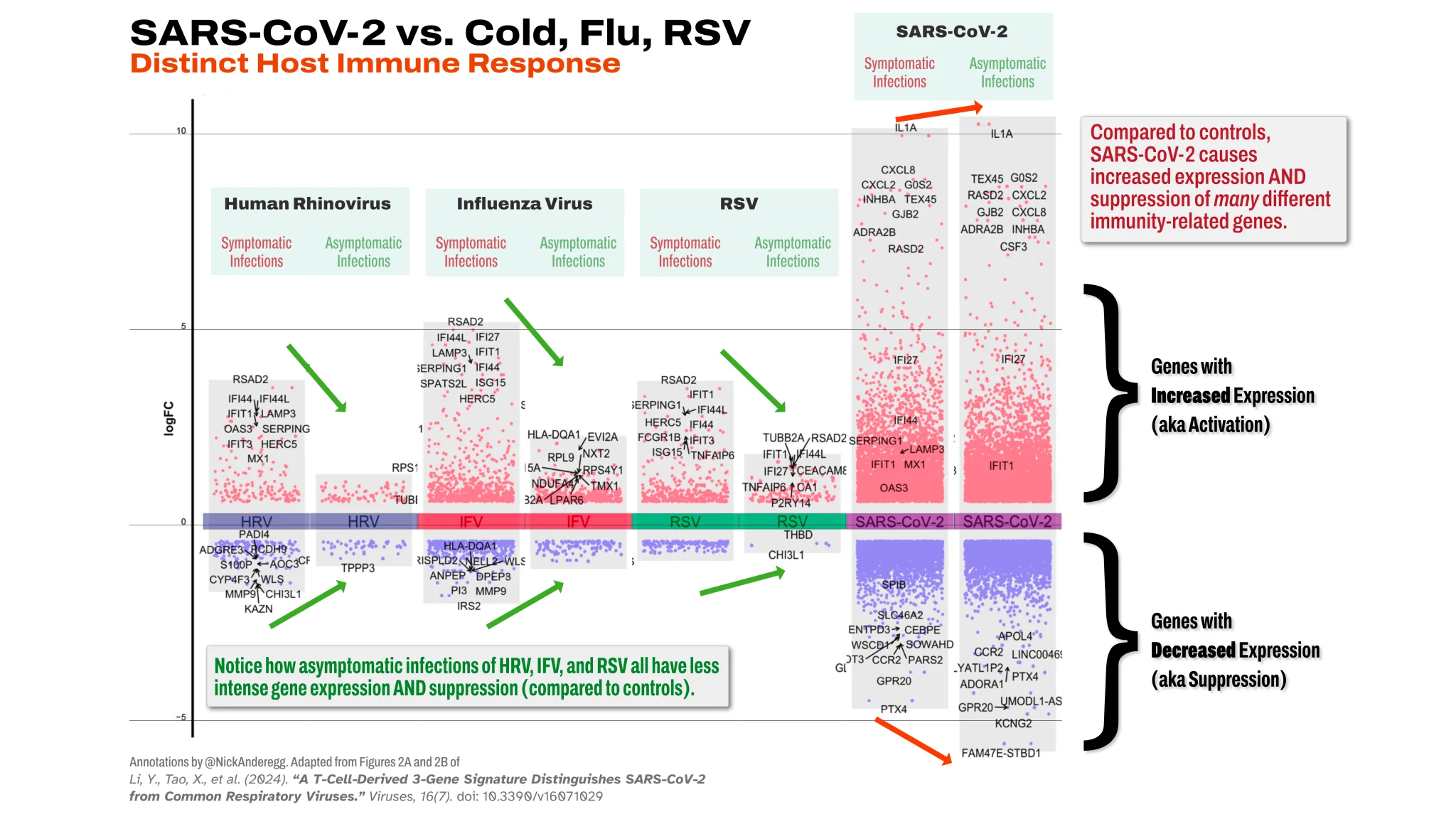
GUESS WHAT?! A new study has shown SARS-CoV-2 infection is DISTINCT from common respiratory viruses! Unequivocally, COVID is NOT "just a cold." These findings are HUGELY significant, for multiple reasons! Here's a breakdown of the study (writt
GUESS WHAT?! A new study has shown SARS-CoV-2 infection is DISTINCT from common respiratory viruses!Unequivocally, COVID is NOT "just a cold."These findings are HUGELY significant, for multiple reasons! Here's a breakdown of the study (written for a general audience)...1/16 pic.twitter.com/P7NJL2STJQ— Nick #RespiratorsFilterAllPathogens😷 Anderegg (@NickAnderegg) July 7, 2024
The CDC whispered this a year ago. “SARS-CoV-2 can have lasting effects on nearly every organ & organ system of the body weeks, months, & potentially years after infection. Documented serious post-Covid conditions include cardiovascular, pulmonary, neurological, renal, endocrin
The CDC whispered this a year ago. “SARS-CoV-2 can have lasting effects on nearly every organ & organ system of the body weeks, months, & potentially years after infection. Documented serious post-Covid conditions include cardiovascular, pulmonary, neurological, renal,… pic.twitter.com/xkSStj51y2— Laura Miers (@LauraMiers) March 9, 2024

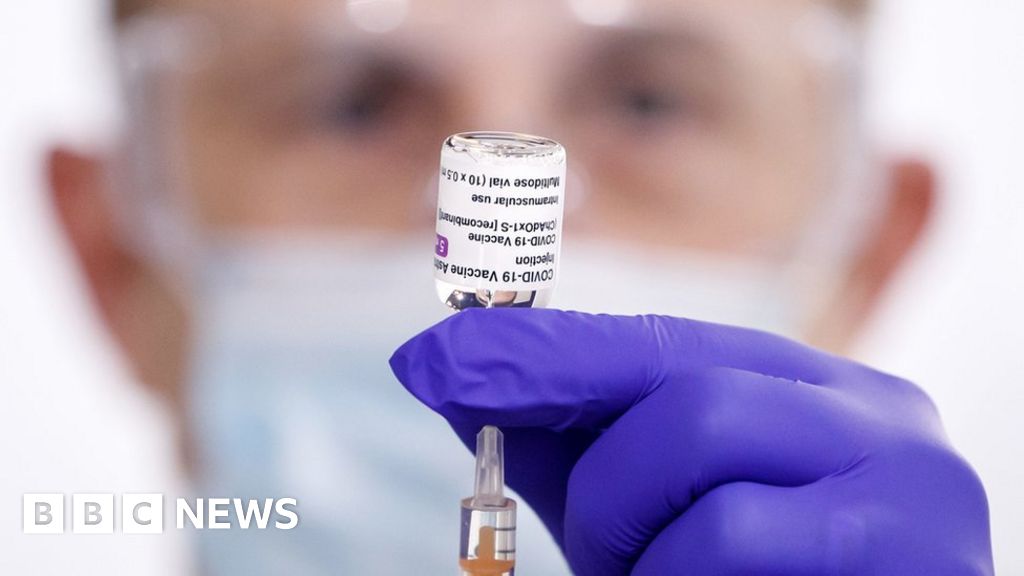
COVID-19 Vaccine Effectiveness and Safety for the 2026-2027 Respiratory Season
Importance SARS-CoV-2 remains a substantial cause of respiratory illness, morbidity, and mortality. Evidence to date has demonstrated that COVID-19 vaccines reduce the risk of severe disease, including hospitalization and death. Objective This systematic review identifies and summarizes newly published studies reporting on the effectiveness and safety of COVID-19 vaccines and COVID-19 epidemiology in the US. Evidence Review Cochrane Central Register of Controlled Trials, PubMed/MEDLINE, Embase, and Scopus were searched from August 1, 2025, through June 29, 2026. Studies were eligible if they reported on the effectiveness, efficacy, or safety of a US-licensed COVID-19 vaccine or SARS-CoV-2 epidemiology in the US. Findings From 11 829 identified references, 155 publications were eligible (15 randomized clinical trials, 84 observational studies with a comparator group, 38 product safety studies without a comparator group [single group], and 18 descriptive studies of disease burden). Consistent with prior evidence, studies reported that updated COVID-19 vaccines were associated with a reduction in the risk of hospitalization among both older adults (≥65 years; vaccine effectiveness [VE], 53.0%; 95% CI, 37.0%-65.0%; 2025-2026 season) and adults (18-64 years; VE, 54.0%; 95% CI, 1.0%-78.0%; 2024-2025 season). Maternal vaccination was associated with reduced risk of COVID-19–associated emergency department/urgent care encounters among individuals vaccinated (VE, 58.0%; 95% CI, 24.0%-77.0%) and with fewer COVID-19–related hospital contacts in the first 2 months of life among infants born subsequently (VE range, 50.0%-54.0%), regardless of trimester of vaccination. Vaccination was also associated with a significant reduction in COVID-19–related pediatric emergency department visits (9 months to 4 years; VE, 76.0%; 95% CI, 58.0%-87.0%). Vaccination was associated with a reduced risk of critical COVID-19 illness (intensive care unit admission or death) in immunocompromised adults (VE range, 32.0%-53.0%, depending on condition and other factors). Health care personnel who received 3 to 5 vaccine doses were less likely to develop laboratory-confirmed COVID-19 illness (VE, 41.0%; 95% CI, 34.0%-47.0%) and postacute COVID-19 symptoms (VE, 57.0%; 95% CI, 46.0%-66.0%) compared with those who received only 2 doses. Across adverse events of special interest (eg, stroke, thrombosis, myocarditis), safety profiles were consistent with those of previous reviews. No identified studies conducted under the updated guidance on extended dosing intervals for the primary series reported an increased risk of myocarditis or pericarditis. No new safety signals were reported in the recently published studies eligible for this updated review of US-licensed COVID-19 vaccines. Conclusions and Relevance COVID-19 vaccines were consistently associated with a reduction in the risk of hospitalization and other outcomes, including among individuals at high risk of severe COVID-19, such as infants, and those who were pregnant. No new safety concerns were identified.

COVID-19 Vaccine Effectiveness and Safety for the 2026-2027 Respiratory Season
This Special Communication aims to identify and summarize the most recently published evidence evaluating the effectiveness and safety of US-licensed COVID-19 vaccines and report on the epidemiology of SARS-CoV-2 in the US.
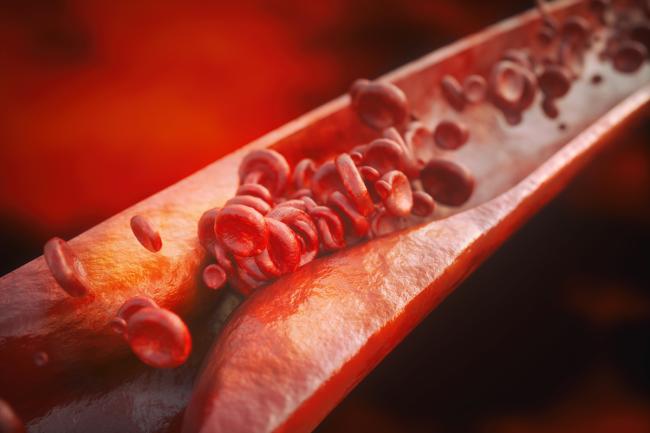
SARS-CoV-2 infects coronary arteries, increases plaque inflammation
NIH-funded research sheds light on link between COVID-19 infection and increased risk of cardiovascular disease and stroke.
Timing of Long COVID Improvement in Prospectively Followed RECOVER-Adult Participants
Background: Long COVID (LC) is widespread; however, limited information has been reported on the likelihood that symptoms remit over time. Objective: To evaluate the likelihood of improvement among persons with likely LC. Design: Prospective, multisite cohort study (RECOVER-Adult [Researching COVID to Enhance Recovery]). Setting: 83 U.S.-based sites across 33 states; Washington, DC; and Puerto Rico. Participants: 1019 persons in RECOVER-Adult with likely LC (LC Research Index [LCRI] ≥11) 12 months after first SARS-CoV-2 infection. Measurements: The primary outcome was time until 2 consecutive study visits with LCRI less than 11. Secondary outcomes were time until LCRI measure reduced 50% or more and quality of life was good or better, and LCRI decreased to 0. Unadjusted estimates of cumulative incidence and adjusted marginal cumulative incidence by age, sex, SARS-CoV-2 wave, and LC subtype were reported across all follow-up time points. Results: An estimated 36.2% (95% CI, 33.0% to 39.5%) met the primary outcome by 24 months after infection, and 50.1% (CI, 46.1% to 54.0%) met the primary outcome by 36 months. An estimated 56.4% (CI, 52.2% to 60.4%) and 26.9% (CI, 23.3% to 30.5%), respectively, met the 2 secondary outcomes by 36 months. Among persons who still reported likely LC at 18 months and 24 months after first infection, relative timing of subsequent symptom improvement was similar. Limitation: Findings in this observational cohort are interpretable in a population with prevalent likely LC and do not address causal relationships between individual characteristics and symptom improvement. Conclusion: Among persons with likely LC 12 months after initial SARS-CoV-2 infection, one half experience meaningful reductions in symptoms by 36 months, whereas a quarter experience complete remission of symptoms. These findings underscore both the potential for natural recovery and the urgent need for placebo-controlled therapeutic intervention trials. Primary Funding Source: National Institutes of Health.
Vascular and inflammatory diseases after COVID-19 infection and vaccination in children and young people in England: a retrospective, population-based cohort study using linked electronic health records
Children and young people have higher risks of rare vascular and inflammatory diseases up to 12 months after a first COVID-19 diagnosis and higher risk of rare myocarditis or pericarditis up to 4 weeks after a first BNT162b2 vaccine, although the risk following vaccination is substantially lower than the risk following infection. These findings are of great importance for national policy makers and caregivers considering vaccination consent for children, and support the public health strategy of COVID-19 vaccination in children and young people to mitigate the more frequent and persistent risks associated with SARS-CoV-2 infection.
Four ways COVID changed virology: lessons from the most sequenced virus of all time
After 150,000 articles and 17 million genome sequences, what has science taught us about SARS-CoV-2?

Mixing Covid jabs has good immune response, study finds
Any combination of Pfizer or AstraZeneca for first and second doses works, a study suggests.
New research shows younger and middle-aged adults have worse long COVID symptoms than older adults
New study from Northwestern Medicine finds symptoms occurred regardless of mild or severe COVID-19 infection

Japan: A study covering 2020–2023 estimated COVID-19 infections were 4.7x higher than officially reported. During Omicron BA.4/5: • Reinfection rate rose from 0.4% (2021) to 28.1% (2023) • Reinfections made up 81.5% of new infections • Findings highlight widespread underreporting and reinfections
THIS IS HUGE! Researchers at Stanford University have developed a dual-antibody treatment that remains effective against ALL SARS-CoV-2 variants by targeting a less-mutable part of the virus. This breakthrough could lead to longer-lasting therapies that OUTPACE viral evolution. 🧪🧵⬇️
COVID-19

About the disease itself and/or SARS-CoV-2

49% of COVID infections are asymptomatic according to Yale School of Public Health. Yale advises layered protection: N95 masks, HEPA filters…
doi.org

