Writers and artists standing up to AI are the modern-day Luddites—and for all our sakes, we’d better hope they win.I've been researching and writing about the Luddites for oh 3-4 years, and it's a good time to discuss the parallels and the stakes, which get higher every day.— Brian Merchant (@bcmerchant) May 11, 2023
Understanding the Luddites in the age of AI
The Luddites are back in fashion, but too many people still get them all wrong. This is what they really stood for, fought against, and why they matter now more than ever.
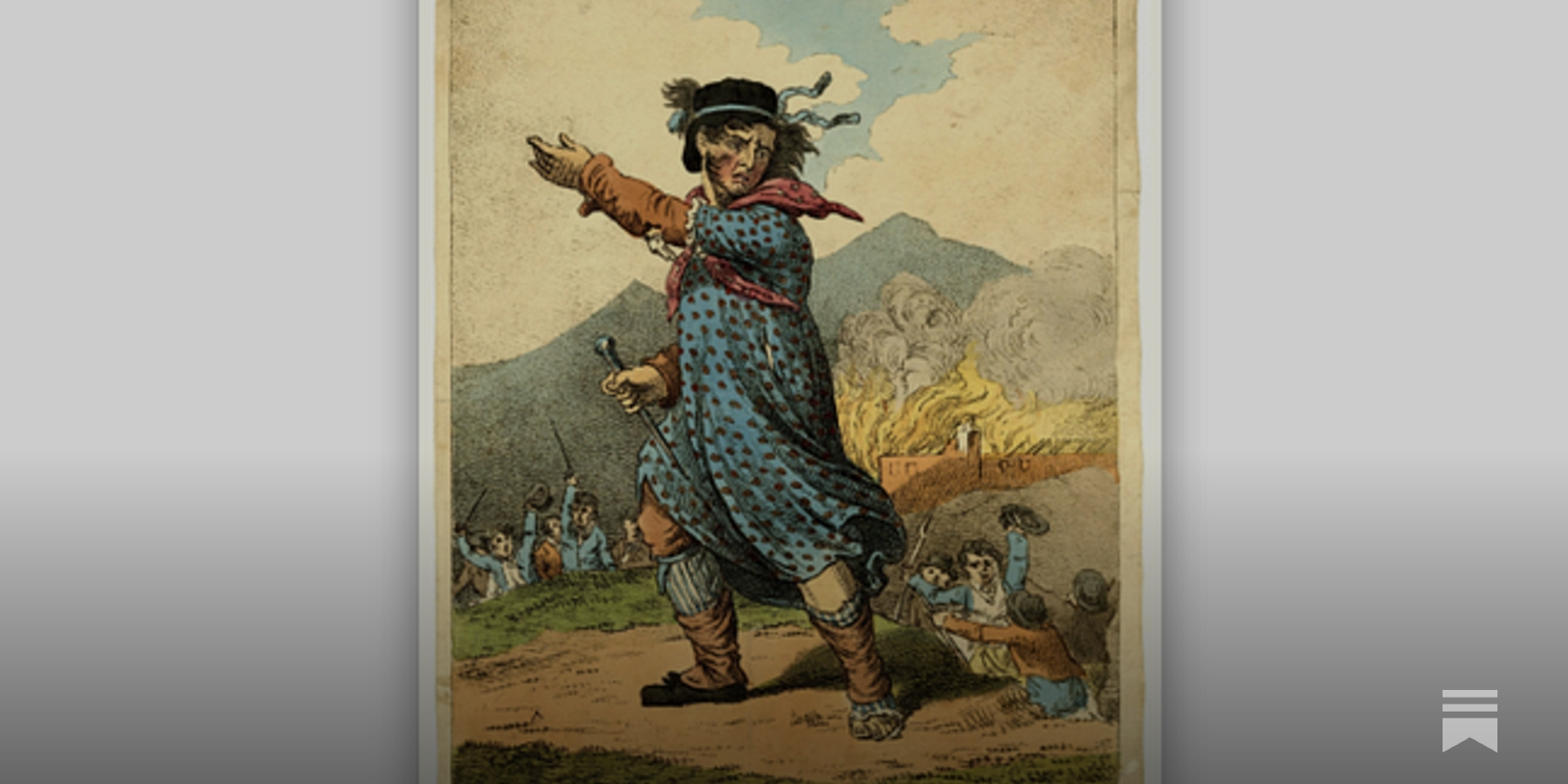
I’m a Luddite (and So Can You!) | The Nib
What the Luddites can teach us about resisting an automated future.

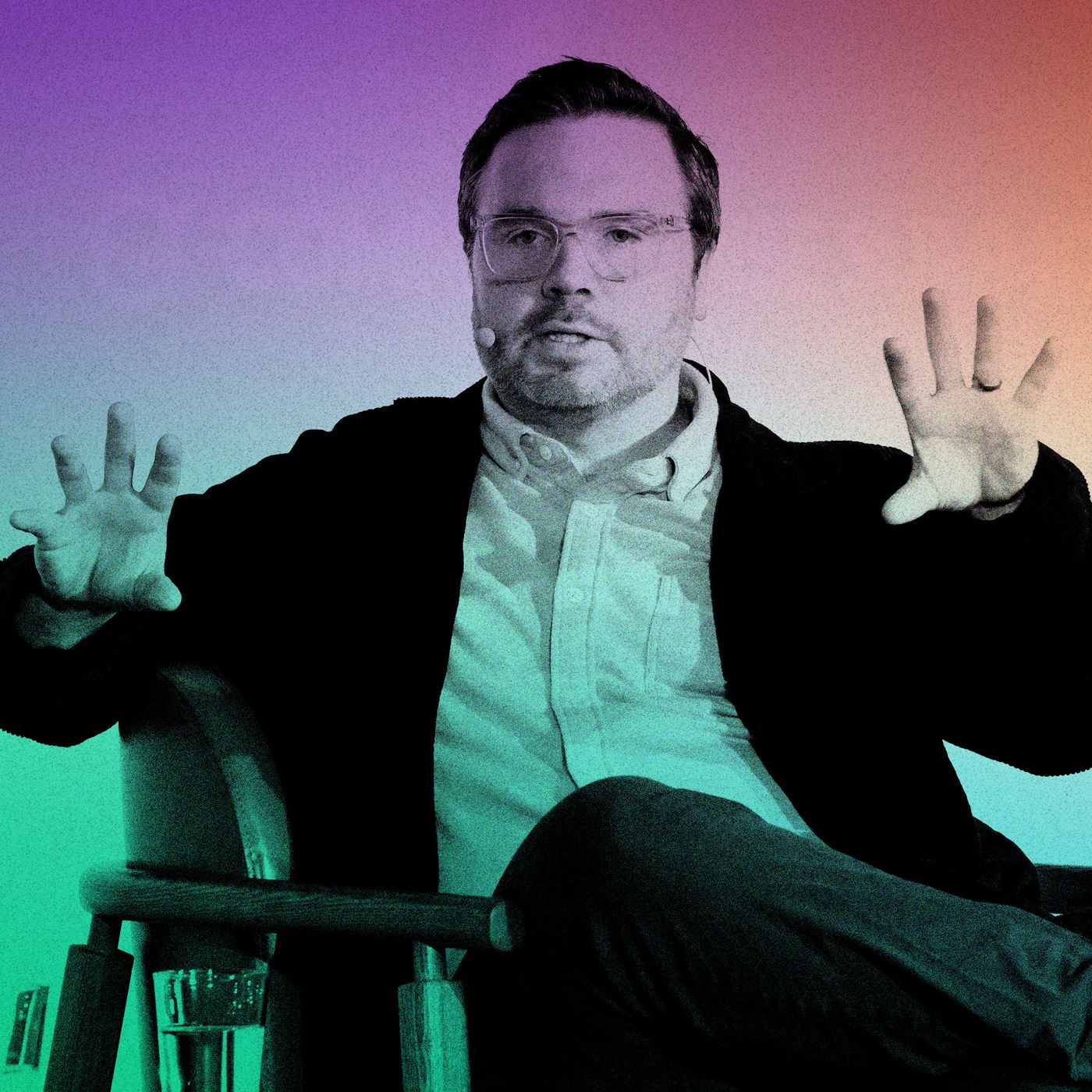
Trevor Paglen and Holly Herndon on Making Art with AI and What the Discourse Is Missing
The artists talk process, slop, and why optimism and pessimism don’t quite cover it.

The growing backlash against AI
While the crowd at sxsw2024 booing a sizzle reel of people either promising the beauty of the future "AI" will bring or claiming it to be "without alternative" is funny and went viral for all the right reasons, this event speaks to a deeper shift in perception. #ai #genAI #luddism

Pushing Back Against Technology: The Rise of Neo-Luddism
Like the Luddites of yore, the Neo-Luddite movement is pushing back against the onslaught of new technology in our daily lives. It might just become the next big lifestyle choice.

I Will Fucking Piledrive You If You Mention AI Again — Ludicity
The recent innovations in the AI space, most notably those such as GPT-4, obviously have far-reaching implications for society, ranging from the utopian eliminating of drudgery, to the dystopian damage to the livelihood of artists in a capitalist society, to existential threats to humanity itself.
The Room Where AI Happens
A weekend at the Curve conference—an AI insider gathering in Berkeley revealed how people think about AGI timelines, China, creativity, and writing

We should all be Luddites now
A review of Brian Merchant's "Blood in the Machine"

Behind the curtain: what it feels like to work in AI right now (April 2023)
Fear, FOMO, and the scientific exodus driven by ChatGPT
Rethinking the Luddites in the Age of A.I.
Brian Merchant’s new book, “Blood in the Machine,” argues that Luddism stood not against technology per se but for the rights of workers in the face of automation.

AI, Artifice, And Authenticity
The era of badly-automated homogenized engagement slop is upon us. I desperately want to believe there's a renaissance for authenticity on the other end.

AI Art and its Impact on Artists
DOI: https://doi.org/10.1145/3600211.3604681 AIES '23: AAAI/ACM Conference on AI, Ethics, and Society, Montréal, QC, Canada, August 2023
5 questions for Meredith Whittaker
Hello, and welcome to this week’s installment of The Future in Five Questions. This week I spoke with Meredith Whittaker, president of the Signal Foundation and co-founder of the AI Now Institute, which is dedicated to researching AI’s social impact. Whittaker has emerged as a leading critic of the influence major Silicon Valley firms wield over American life and public policy, writing in a 2021 paper that modern AI advances are “primarily the product of significantly concentrated data and compute resources that reside in the hands of a few large tech corporations,” and that “our increasing reliance on such AI cedes inordinate power over our lives and institutions to a handful of tech firms.”

The Third AI Summer, Henry Kautz, AAAI 2020 Robert S. Engelmore Memorial Award Lecture
‘I Don’t Think We’re All F***ed Anymore’
Kevin Roose’s new book explores the terrifying implications of AI, but he’s feeling a bit more sanguine these days.