

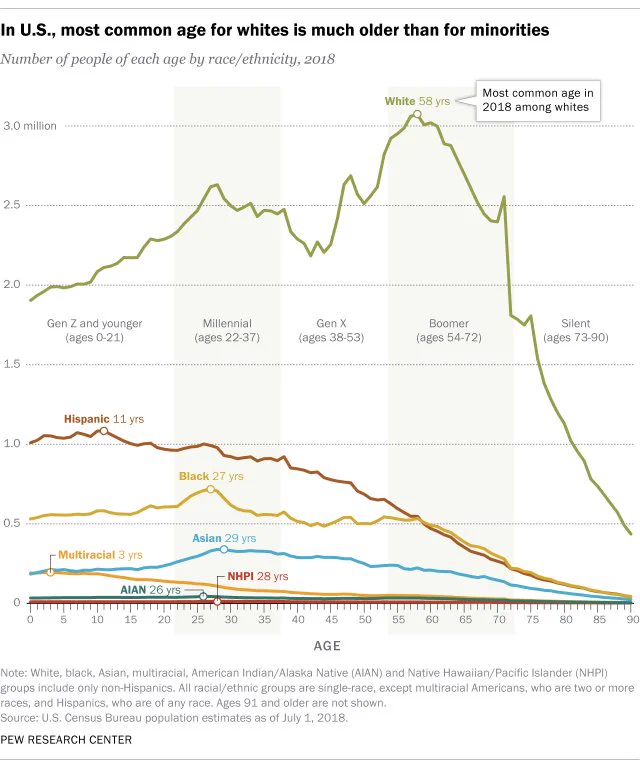
This one plot completely changed my perspective on US racial statistics. If you just compare raw numbers between black and white Americans, you're very likely comparing young people to old people. That's why you should almost always ask that the numbers be adjusted for age. pic.twitter.com/NO2OkmNPKW— Kareem Carr (@kareem_carr) April 20, 2024
Scientists find humans age dramatically in two bursts – at 44, then 60
US findings suggesting ageing is not a slow and steady process could explain spikes in health issues at certain ages
Trial Data Reveals Racial Bias in Age Verification Software
New trial data reveals racial bias in age verification software used for social media restrictions. Discover how unreliable these systems really are now.

Genetics play less of a role in lifespan than we thought
Large historical analysis points to marriage choices skewing the stats.
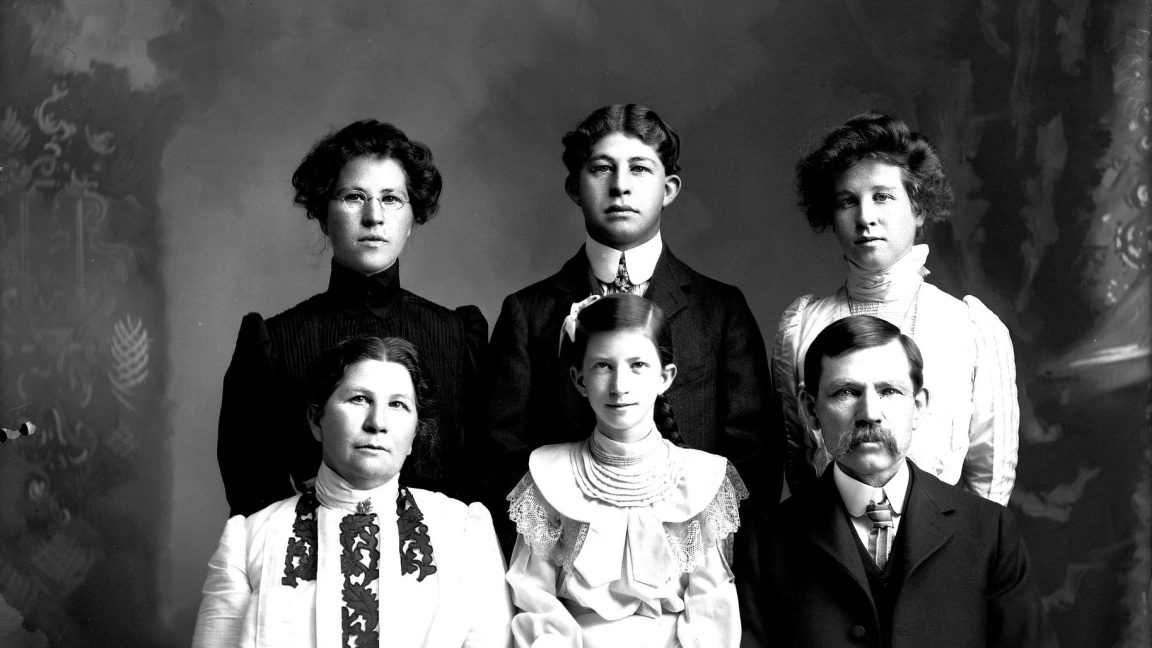
Scientists Discover 4 Distinct Patterns of Aging
Scientists have come closer to understanding why people seem to age at different rates.


Age prediction in ChatGPT | OpenAI Help Center
Learn how ChatGPT uses age prediction and age verification to support age-appropriate experiences for teens.

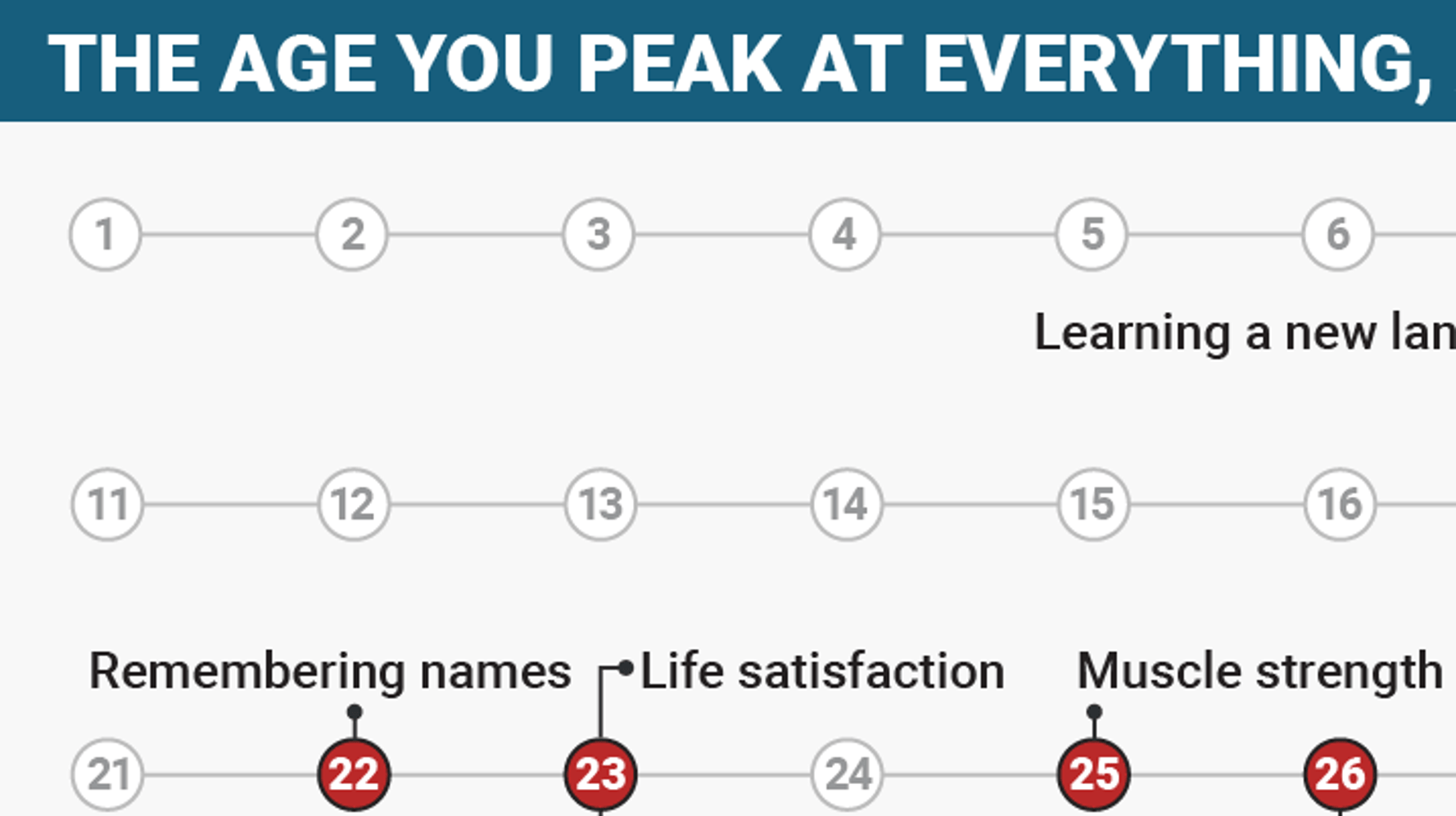
This Chart Shows Why You Should Never Worry About Getting Older
Some of life's biggest peaks come in later years.
AI Age Checks Are Here—And They’re Not Fair To Everyone
Research shows that AI age checks misclassify women & Black people as older, raising concerns over bias, safety, and future workplace use.

Everyone’s talking about the polls: The Age does it differently
Where voters will ultimately land on the question of Victoria’s leadership is becoming increasingly difficult to predict. Fortunately, Age readers are in good hands when it comes to assessing the political mood.
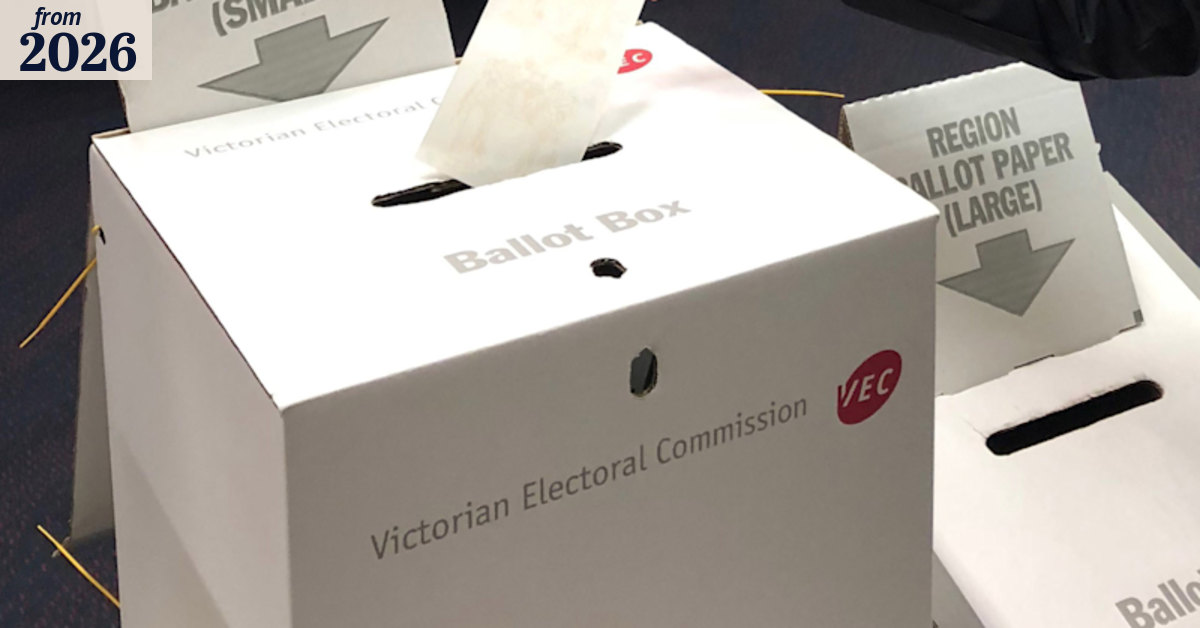
The Year States Chose Surveillance Over Safety: 2025 in Review
2025 was the year age verification went from a fringe policy experiment to a sweeping reality across the United States. Half of the U.S. now mandates age verification for accessing adult content or
Why birth rates are falling everywhere all at once
Homes and phones are part of the reason for the demographic shift changing our world

Use it or lose it: How cognitive skills change with age
Cognitive skills are commonly assumed to begin deteriorating from the age of 30, which could pose a significant challenge for rapidly ageing populations. But this assumption relies largely on cross-sectional data that cannot distinguish between ageing patterns and cohort differences. Using German longitudinal data, this column finds that skills, on average, increase markedly into one’s 40s before decreasing slightly in literacy and more severely in numeracy. In addition, skills decline at older ages only for those with below-average skill usage, outlining a clear policy pathway for avoiding skill declines.

The Quest for Longevity Is Already Over
Studying people who live well beyond the age of 100 could reveal the secret to living longer, healthier lives. But the statistics tell another story.
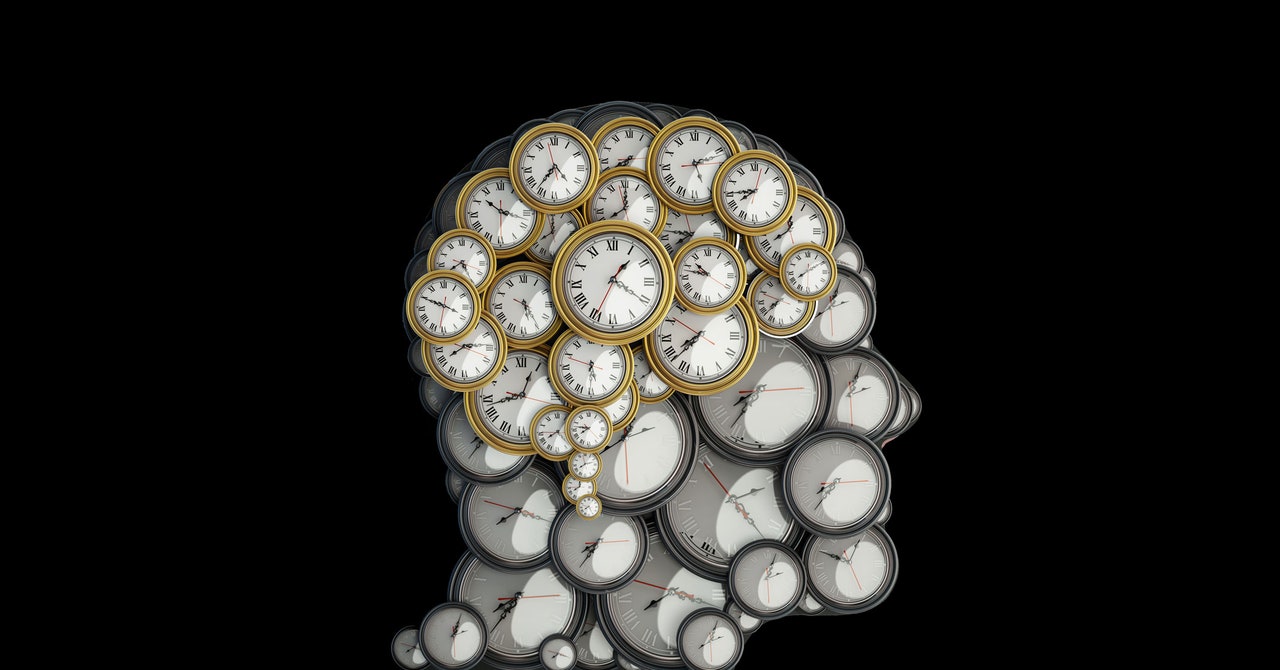
Home Office knew AI age checks for migrants were flawed – but rolled it out anyway
Exclusive: Government advisers describe the tool as ‘hideously flawed’ amid concern facial age estimation has ‘baked-in racial bias’ – and can wrongly identify a 14-year-old as an adult

Study Finds Humans Age Faster at 2 Sharp Peaks – Here's When to Expect Them
You're in for a bumpy ride.
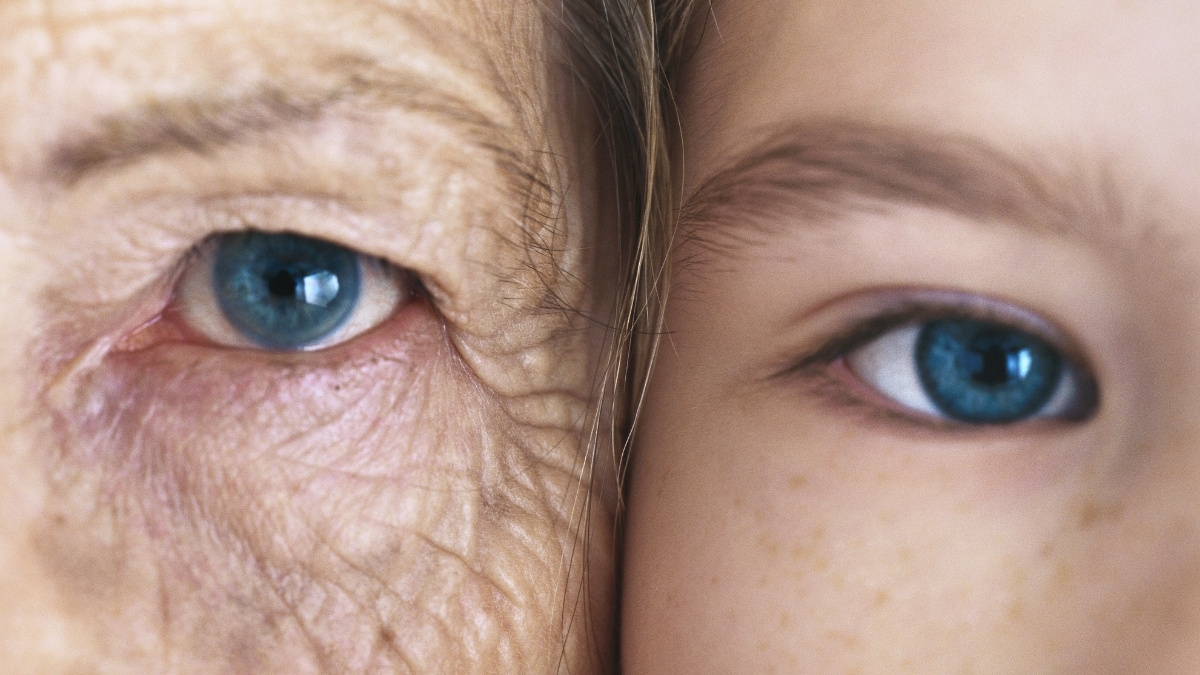
Our Bodies Age in Three Distinct Shifts, According to More Than 4,000 Blood Tests
Things change at 34, 60, and 78.
