Friends with no previous interest in AI ethics have been asking me about it recently, so I want to share several underlying concepts about AI & power that are important to understand. 🧵 1/— Rachel Thomas (@math_rachel) May 16, 2023
AI, Ethics, and Society — Home
Artificial Intelligence - AI Ethics - AIethicist.org Bookshop
The books recommended here (and in www.AIethicist.org) cover topics of AI ethics, big data & social impact, biased algorithms, privacy, lack of regulation or ethics around automated decision making.There are also books that provide background on what cause these areas (and hence the data) to be historically unequal and what are the root causes of social and structural injustices in these areas - like policing, mass incarceration, welfare, housing, financial markets, communication, just to name a few.

AI Ethics Class
AI & Ethics Workgroup | Lincoln Center for Applied Ethics
Artificial Intelligence (AI) is a term with an array of contingent and shifting meanings, unified only by a general aspiration to use mathematical computation to emulate human cognition, language and problem-solving. Rather than a technical term, “AI” can be thought of as a sociotechnical system and assemblage, consisting of technical objects and social imaginaries, practices and ideologies. How we characterize and conceptualize AI shapes how, why and when we use it and when we may constrain or refuse its use. This paper provides a primer on various technologies that often fall under the rubric of “AI” and outlines the various discursive and cultural meanings carried by the term.
Big Tech’s guide to talking about AI ethics
50-ish words you can use to show that you care without incriminating yourself.
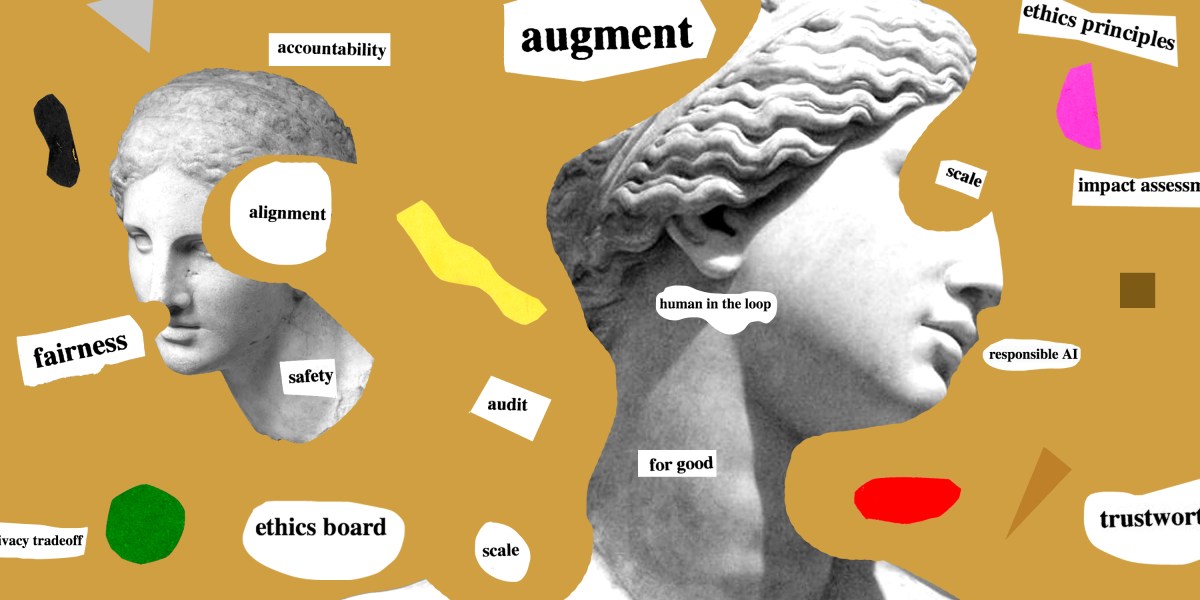
The tech industry hijacking of the AI ethics research agenda and why we should reclaim it
This paper reflects on the tech industry’s colonization of the AI ethics research field and addresses conflicts of interest in public policymaking concerning AI. The AI ethics research community faces two intertwined challenges: In the first place, we have a tech industry heavily influencing the AI ethics research agenda. Secondly, cleaning up after the tech industry has implied that we have turned to value-driven design methods to bring ethics to AI design. But by framing research questions relevant to a technical practice, we have facilitated the technological solutionism behind the tech industry’s business model. Therefore, this paper takes the first steps to reshape the AI ethics research agenda by suggesting moving toward an emancipatory framework that brings politics to design while, at the same time, bearing in mind that AI is not to be treated as an inevitability. As a research community, we must focus on the repressive power dynamics exacerbated by AI and address challenges facing the vulnerable groups seldom heard, despite the fact that they are the ones most negatively affected by AI initiatives.

Natural Ethics: Empathic and Social Intelligence
Building Ethical and Empathic AIs, PAIs, and Human-AI Teams. - Part 3 of an Introductory Series on Neuro- and Bio-Inspired AI Strategy
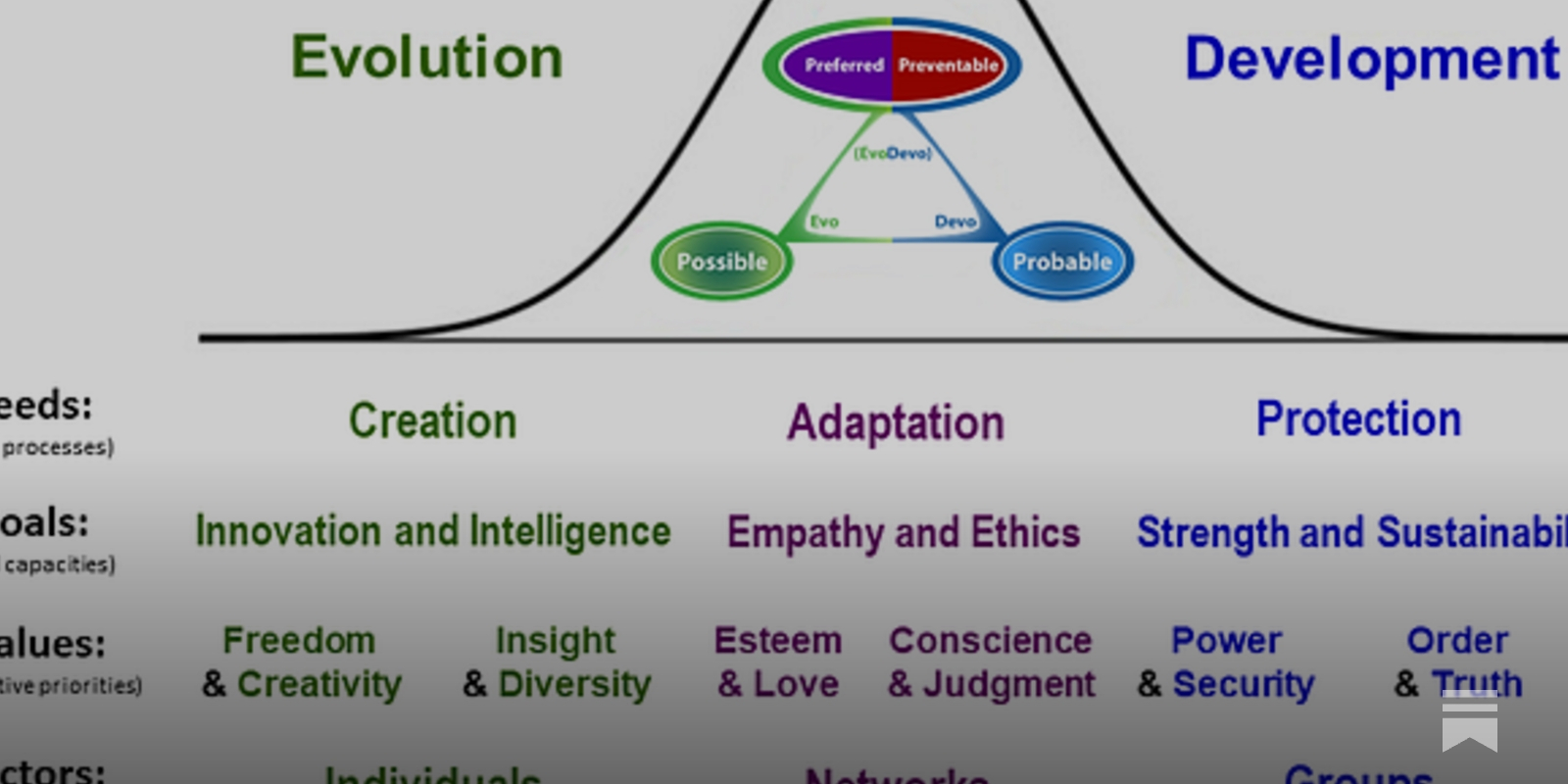
The Future of AI
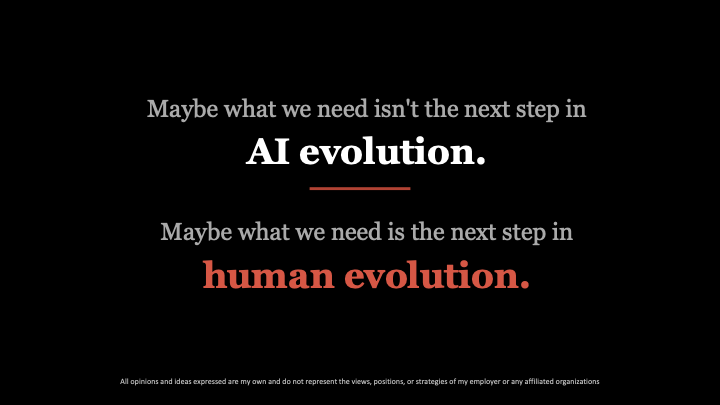
The Parents’ Paradox: AI, Ethics, and the Limits of Machine Morality This post is based on a talk I gave at The AI & Automation Conference in London on February 25, 2026, and my slides. A…
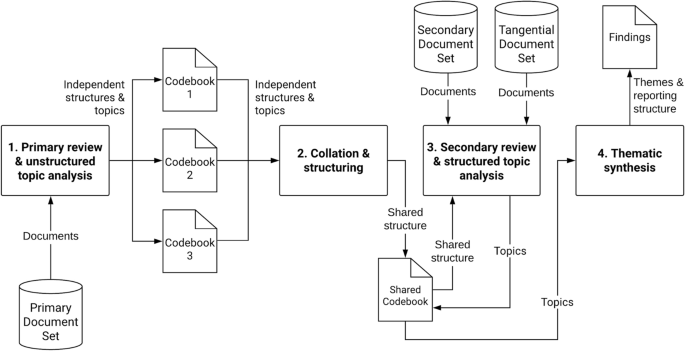
The ethics of AI business practices: a review of 47 AI ethics guidelines
Many AI ethics guidelines have recently been published that center the fairness, accountability, sustainability, and transparency of algorithmic decision-making. Relatively few guidelines center the ethics of the business practices and political economies in which AI systems are situated. We present the findings of a semi-systematic literature review and thematic analysis aimed at determining the extent to which the ethics of AI business practices are considered in a large sample of guidelines. Our review reveals that the political and economic implications of AI business practices are greatly underrepresented in AI ethics guidelines. In its current state, AI ethics guidelines focus disproportionately on issues of algorithmic decision-making, while the fairness, accountability, sustainability, and transparency of the business decision-making contexts in which AI systems are situated remain seriously undermined by competitive and speculative norms, ethics washing, corporate secrecy, and other harmful business practices. We discuss these challenges, and we suggest that the ontological and disciplinary scope of future AI ethics guidelines should be expanded to better contend with them.
UNESCO AI Ethics "Recommendation" – Let's do this!
artificial and natural intelligence, including politics, policy, ethics and security

The AI series: AI and Surveillance Capitalism
AI experts Camille Francois and Meredith Whittaker discuss how to break up Big Tech and build a safe and ethical AI.
Ali Alkhatib: Defining AI
The main issue I have with a lot of work that tries to define AI is that the criteria they use to draw boundaries often turn out to be functionally useless for my needs; these definitions lead us to weird places, letting scholars fixate on strange, unworkable frameworks. Those pedantic fixations don’t really benefit the organizers, activists, regular people who are getting crushed by the systems they’re trying to work against. So I’m going to try to unpack how I think about AI; how I trace the boundaries of the term in a way that’s as useful as possible for me and my needs; and how I would encourage you to scope or define ideas that are important to your work.
From Impoverished Intelligence to Abundant Intelligences
The artificial intelligence (AI) industry-academic complex does not have an ethics problem. It has an epistemology problem.

AI Policy - Taylor & Francis
Learn about Taylor & Francis' AI Policy, which provides guidelines on the ethical use of artificial intelligence in research, publishing, and content creation to maintain integrity and transparency.

My Thoughts on AI, Part 1: Fears, Opinions, and Mental Journey
My own personal thoughts and opinions on AI effects and usage, and how those have evolved over time