

Everything You Need to Know About the Current State of Voter Suppression Laws https://t.co/TomQO1dDpJ— Stop Online Violence Against Women ™ (@StopOVAW) August 30, 2022
Age-Verification Laws Seek to Erase LGBTQ+ Identity from the Internet
Age-verification laws are weaponized to censor LGBTQ+ and abortion-related content online under the guise of protecting children from porn.

Online Safety Bills Are Fueling a New Wave of Internet Censorship
State and federal bills seek to limit minors’ access to social media, but civil liberties advocates warn that the resulting online censorship threatens constitutional rights without delivering real safety.

Act Now to Stop California’s Paternalistic and Privacy-Destroying
California lawmakers are fast-tracking A.B. 1709—a sweeping bill that would ban anyone under 16 from using social media and force every user, regardless of age, to verify their identity before
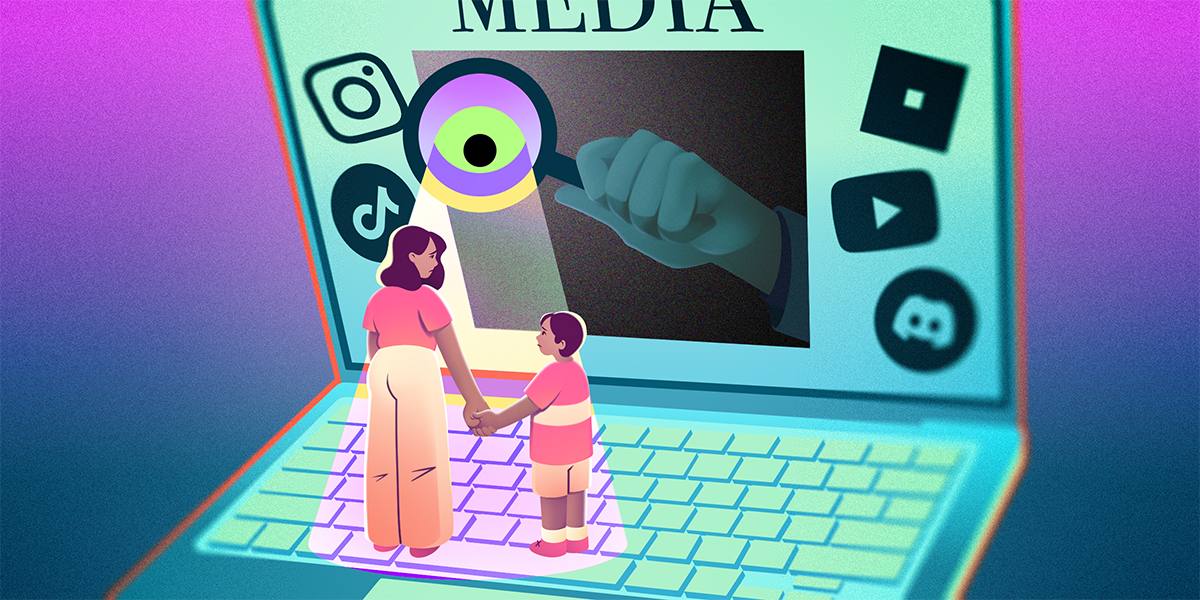
Everything You Wanted to Know About a Kids' Social Media Ban (But Were Rightly Afraid to Ask): A FAQ on Age Verification and Mandated ID for Everyone - Michael Geist
The government is expected to table the Digital Safety Act on Wednesday with reports that it will include a ban on social media for those under 16, framed as a “temporary” measure that platforms can exit once a new digital regulator certifies their safety standards. I have been writing about these issues, from the original Online Harms Act to mandated age verification and website blocking and now the kids’ ban, for several years. This FAQ gathers the analysis in one place, with links throughout to the longer pieces for anyone who wants to go deeper. The key takeaway is that a kids' social media ban is an ineffective and harmful policy that raises privacy concerns for tens of millions of Canadians through mandated age verification requirements. The policy fails to address the underlying concerns with social media and the prospect of a "temporary" ban makes little sense since the requirement might be reversible, but the data collection and regulatory infrastructure are permanent.
Social Media Bans & Restrictions for Minors: Laws & Policies
State Laws restricting minors on social media. Social media platforms restricting minors. Harms of Social Media bans for minors. Benefits of social media for youth

We Cannot Out-Organize Voter Suppression
From Marc | Everywhere you turn these days, free and fair elections are under attack.

The "Segregate-and-Suppress" Approach to Regulating Child Safety Online
<div> In an effort to protect children online, regulators around the country and the world are enacting laws that compel Internet publishers to age-authenticat

How the Government Quietly Silenced the Internet (And Got Away With It) (ft Siri Dahl)
U.S. Social Media Regulations for Minors
The digital lives of American children and teenagers have become a focal point of intense national debate and legislative action. ContentsThe Federal Foundation: The Children’s Online Privacy Protection Act (COPPA)The State-Level Surge: A Patchwork of New RulesThe Next Generation of Federal Law: Congress Weighs InThe Constitutional Crossroads: Free Speech vs. State RegulationThe Great Debate: Voices […]

Site Blocking and Age Verification for Twitter, Instagram, Snap and Twitch?: Age Verification Lobby Confirms it Wants Bill S-210 to Cover All Social Media Sites - Michael Geist
Bill S-210 - the Protecting Young Persons from Exposure to Pornography Act - burst onto the public scene late last year as a majority of the House voted for the bill at second reading, sending it to the Public Safety committee for review. The bill, which is the brainchild of Senator Julie Miville-Dechêne, was supported by the Conservatives, Bloc and NDP with a smattering of votes from backbench Liberal MPs (the cabinet voted against, signalling it is not supported by the government). The bill raises significant concerns with the prospect of government-backed censorship, mandated age verification to use search engines or social media, and a framework for court-ordered website blocking (I appeared before the Senate committee that studied by the bill in February 2022, arguing that “by bringing together website blocking, face recognition technologies, and stunning overbreadth that would capture numerous mainstream services, the bill isn’t just a slippery slope, it is an avalanche.”). In response to the public criticism of the bill, Senator Julie Miville-Dechêne has suggested that concerns about it extending to general purpose social media sites is overstated since the intent is to target adult content sites. Yet that is not what the bill provides as it applies to anyone who makes sexually explicit material available on the Internet for commercial purposes:
The Impact of Artificial Intelligence on Violence Against Women and Girls • Stimson Center
Examining the impact of AI on violence against women and girls, particularly concerning disinformation, online abuse, and women’s participation in public life.

Debunking every Anti Transgender Argument Part 1: Trans Women in Women's Sport
Election Defense Scenarios - Freedom Trainers
Election Defense Scenarios is a field guide for protecting democracy. This resource walks readers through eighteen detailed scenarios — from voter roll purges and redistricting attacks to armed intimidation at polling places and post-election certification battles — giving organizers, poll workers, community leaders, and everyday citizens the knowledge they need before a crisis hits. Each […]

Election Protection Hotline: Voting Help for 2026 Midterms
Facing voting problems? Call or text Election Protection at 866-687-8683 for help with polling information and ballot access before the 2026 midterms.
How Anti–Sex Work Legislation Is About to Get Worse
FOSTA-SESTA made sex workers less safe and the Internet less free. A spate of new laws is deepening the damage.

But anyway, papers since you asked: - DOI:10.1371 Digital Social Norm Enforcement: Online Firestorms in Social Media - Deliberation and Identity Rules: The Effect of Anonymity, Pseudonyms and Real-Name Requirements on the Cognitive Complexity of Online News Comments doi.org/10.1177/0032321719891385
