

I’ve always found man pages fascinating. Formatted as strangely as they are and accessible primarily through the terminal, they have always felt to me like relics of an ancient past. Some man pages probably are ancient: I’d love to know how many times the man page for cat or say tee has been revised since the early days of Unix, but I’m willing to bet it’s not many. Man pages are mysterious—it’s not obvious where they come from, where they live on your computer, or what kind of file they might be stored in—and yet it’s hard to believe that something so fundamental and so obviously governed by rigid conventions could remain so inscrutable. Where did the man page conventions come from? Where are they codified? If I wanted to write my own man page, where would I even begin?
Complete manual - Gender and Tech Resources
This manual is a community-built resource for our growing community of women and trans* activists, human rights defenders and technologists. It is designed to be a living, growing collection of practical guidance and information that uniquely speaks to our needs, experiences, and activism, both online and offline. Content listed in the manual was created in response to our community’s requests for ideas and guidance they needed, but couldn’t find elsewhere. Therefore, this initial manual content doesn’t cover many other topics that we hope to add with your support and input as it evolves here on the wiki. The current manual explores two overlapping issues:
Dear young men: The old stereotypes of what it is to be a 'man' are a load of rubbish
Whether you want it or not, you’ve inherited the responsibility of creating a new answer to the ancient question of what it means to be a man

So, about this Googler’s manifesto.
You have probably heard about the manifesto a Googler (not someone senior) published internally about, essentially, how women and men are…
Library Guides: ATU-AT-Motif: Explanation of pages
Library Guides: ATU-AT-Motif: Explanation of pages
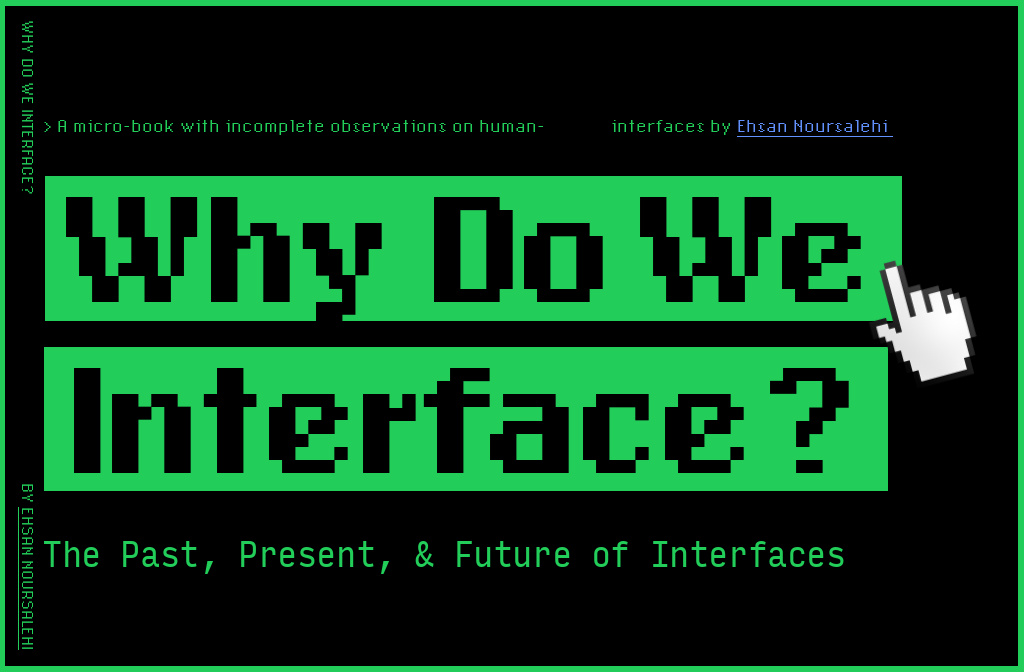
Why Do We Interface?
In this micro book we look at the past, present, and future of interfaces and how they allow us to utilize information in ways that change what it means to be human.

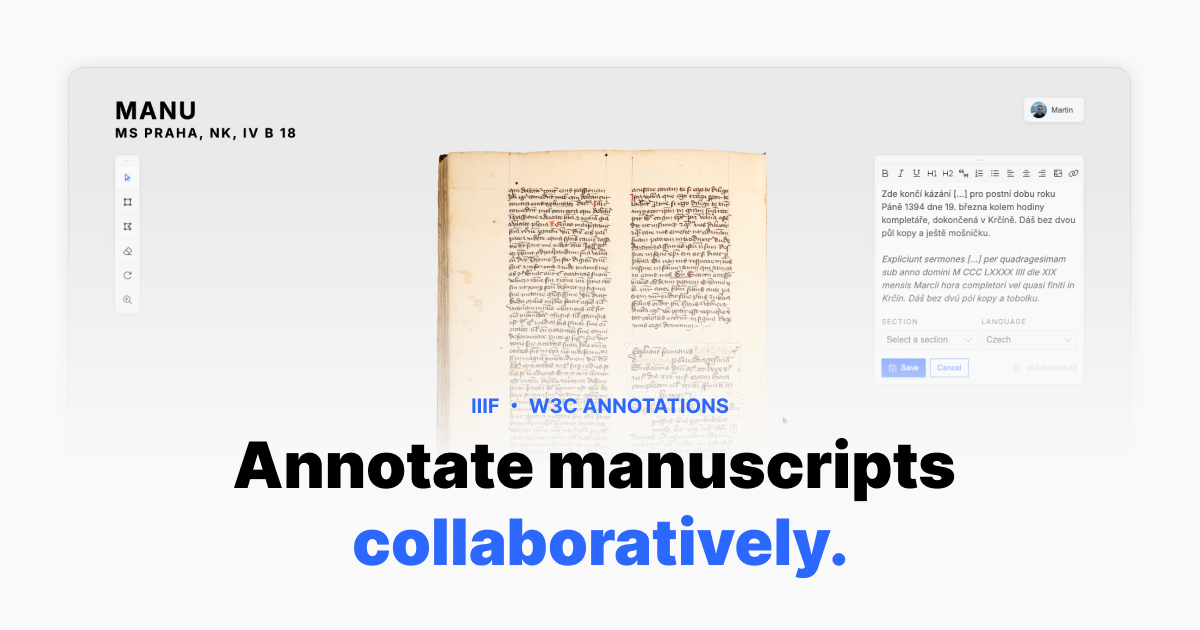
Manu ・ Manuscript Annotation & Visualisation
A collaborative platform for annotating, transcribing, and visualising historical manuscripts. Built on IIIF and W3C Web Annotations.
The Typography of whitehouse.gov, 2000–2026
A survey of type used on the website of the People’s House doubles as a capsule view of web designers’ evolving professional identity.
The original proposal of the WWW, HTMLized
A hand conversion to HTML of the original MacWord (or Word for Mac?) document written in March 1989 and later redistributed unchanged apart from the date added in May 1990. Provided for historical interest only. The diagrams are a bit dotty, but available in versioins linked below. The text has not been changed, even to correct errors such as misnumbered figures or unfinished references.


How did patriarchy actually begin?
For centuries, people have held mistaken assumptions about the origins of male-dominated societies, writes Angela Saini.

userinterface.wiki
A living manual for better interfaces. Learn design principles, motion, typography, and more.
Researcher Pages

All things related to personal pages for researchers on atproto
Sifa — Portable professional identity on the open web

Lanyards - Researcher Profiles on AT Protocol

Ronen Tamari (@ronentk.me)

Mosh Lee (@mosh.bsky.social)