

A discussion on the various reasons why performance is slow, and which ones are unlikely to be affected by LLMs. Originally written as a counter-point to Dan Luu
There's no reason for software to be slow anymore
The other day, I saw a viral tweet saying that people talking about how LLMs are causing slow, bloated, code are going to eat crow once they re-write everything in super-optimized assembly. We're not quite at the point where we want to write everything in assembly, but some variant of what Nolan Lawson said about testing, you can choose how many bugs you want now, which I less eloquently noted here, is becoming more true for performance.
Slow Software
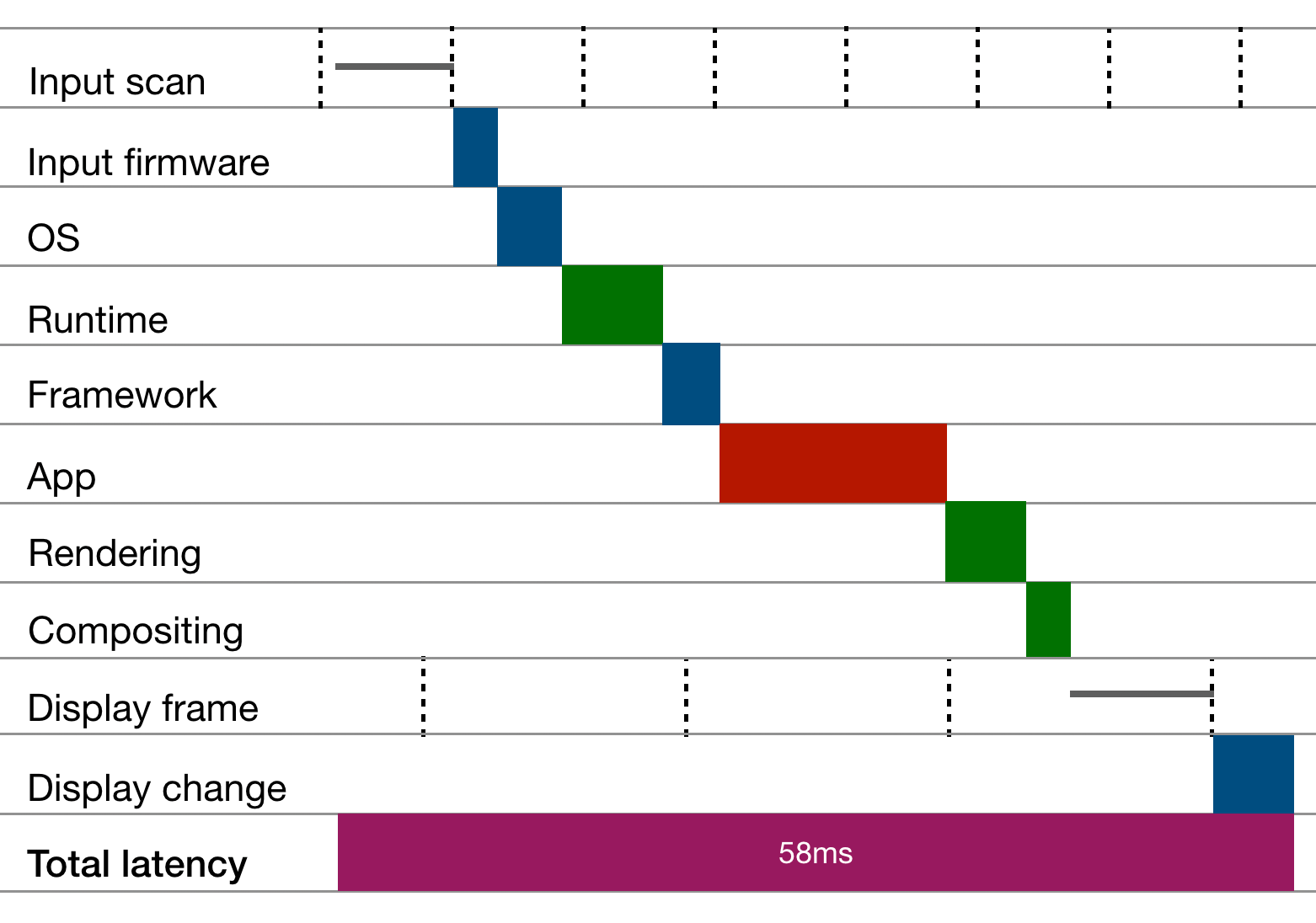
What it means for software to be fast, and why most software is not.
Benchmarks | EXO
Transparent benchmarks for LLMs tested on real hardware. Coming soon.
Your Laptop Isn’t Ready for LLMs. That’s About to Change
The quest to run large AI models locally on an individual's machine are driving the biggest change in laptop architecture in decades.

The Ultimate Guide to Fine-Tuning LLMs from Basics to Breakthroughs: An Exhaustive Review of Technologies, Research, Best Practices, Applied Research Challenges and Opportunities (Version 1.0)
Malleable software in the age of LLMs
All computer users may soon have the ability to author small bits of code. What structural changes does this imply for the production and distribution of software?

Malleable software in the age of LLMs
All computer users may soon have the ability to author small bits of code. What structural changes does this imply for the production and distribution of software?
Malleable software in the age of LLMs
All computer users may soon have the ability to author small bits of code. What structural changes does this imply for the production and distribution of software?
open-slopware
Free/Open Source Software choosing to use and/or support LLM usage/AI, as well as alternatives and tips to requesting better policies or forking.
The scientific case for being nice to your chatbot
New research confirms that LLMs often perform better when you encourage them. But why?

Wolfram LLM Benchmarking Project
Results from Wolfram's ongoing tracking of LLM performance. The benchmark is based on a Wolfram Language code generation task.

LLMs and performative productivity
It's worth asking whether LLMs are actually making us more productive at all—and if so, what we might be sacrificing in return.
I feel like using LLMs to flag intent/semantics mismatches (eg do var names seem to match what you actually do) or indirect violations of API contracts or whatever as a supplement to static analysis to produce *better* code would be at least as high impact, and it's like 1% of the discourse


