

Why DFR programs should choose 2.4 GHz Remote ID over 5.8 GHz: range, interoperability, and safety.
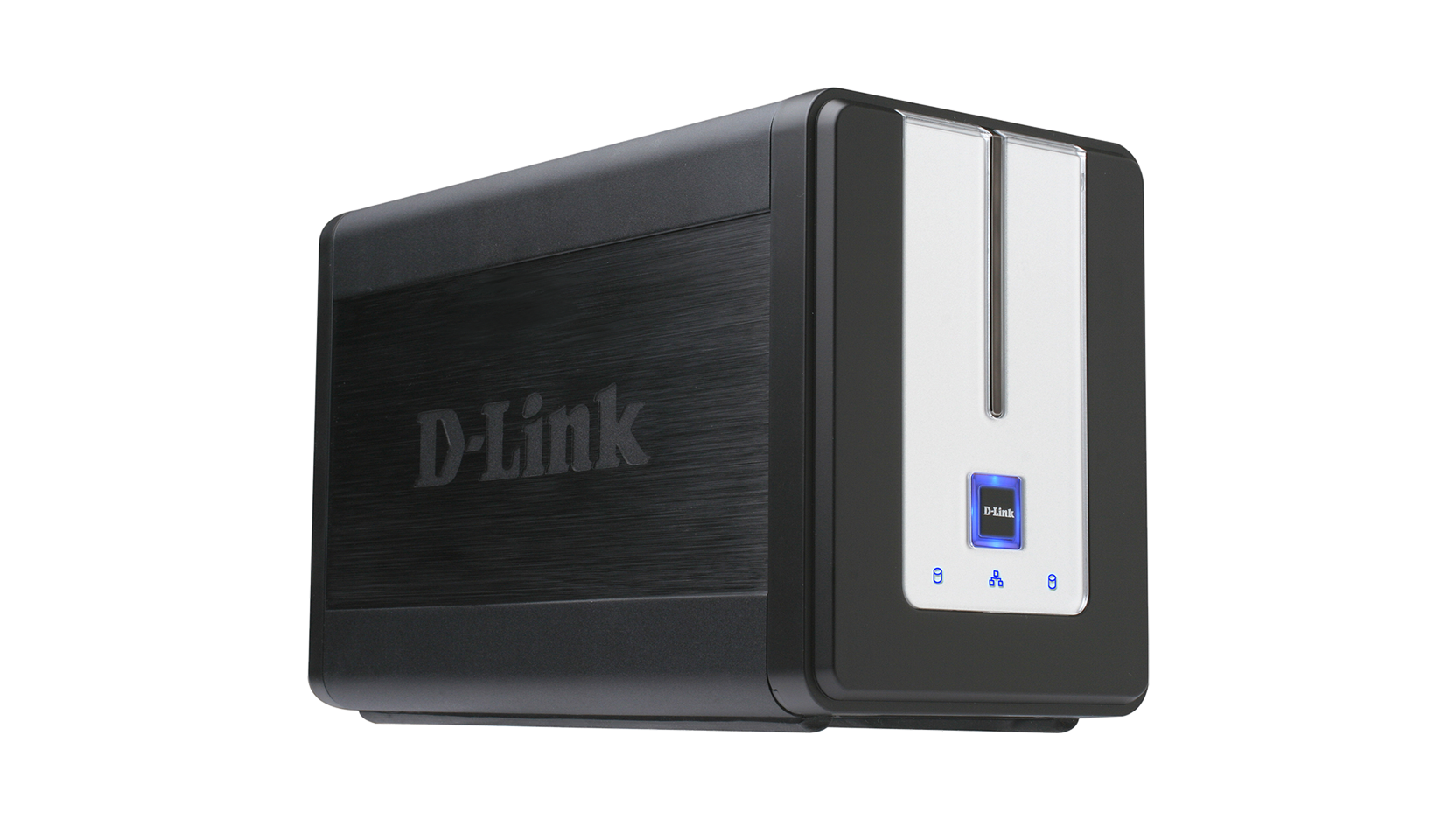
ShareCenter 2-Bay Network Storage Enclosure
The D-Link 2-Bay Network Storage Enclosure (DNS-323)enables you to share documents, files, and digital media such as music, photos, and video with everyone on your home or office network. With the built-in FTP server, you can access your files remotely over the Internet from anywhere in the world and keep data safe by only giving rights to specific users or groups.
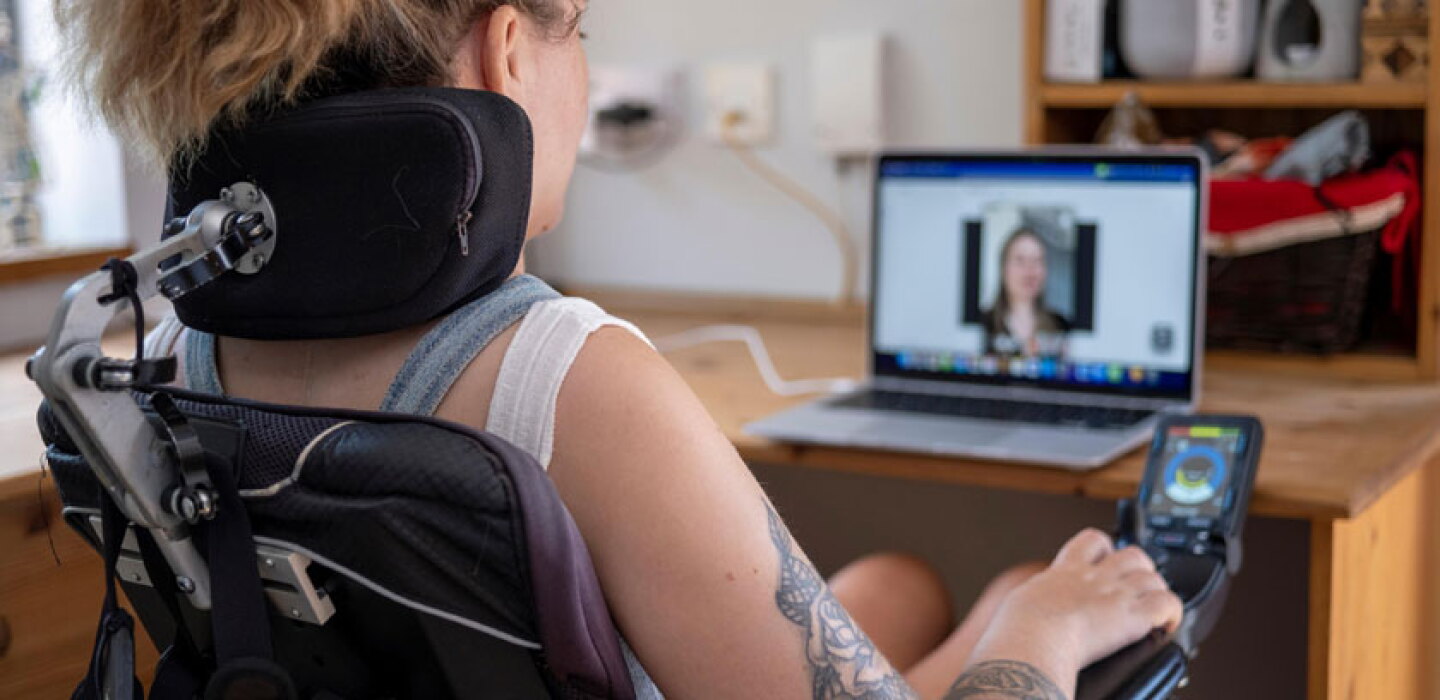
How Digital IDs Could Help and Harm People With Disabilities
While mobile IDs promise new access for people with disabilities, a "one ID, one device" model and accessibility failures threaten to exacerbate the digital divide, according to experts in the field.
Understanding Wi-Fi 4/5/6/6E/7/8 (802.11 n/ac/ax/be/bn)
33. Managing Freight with RFID on McKinley Railway
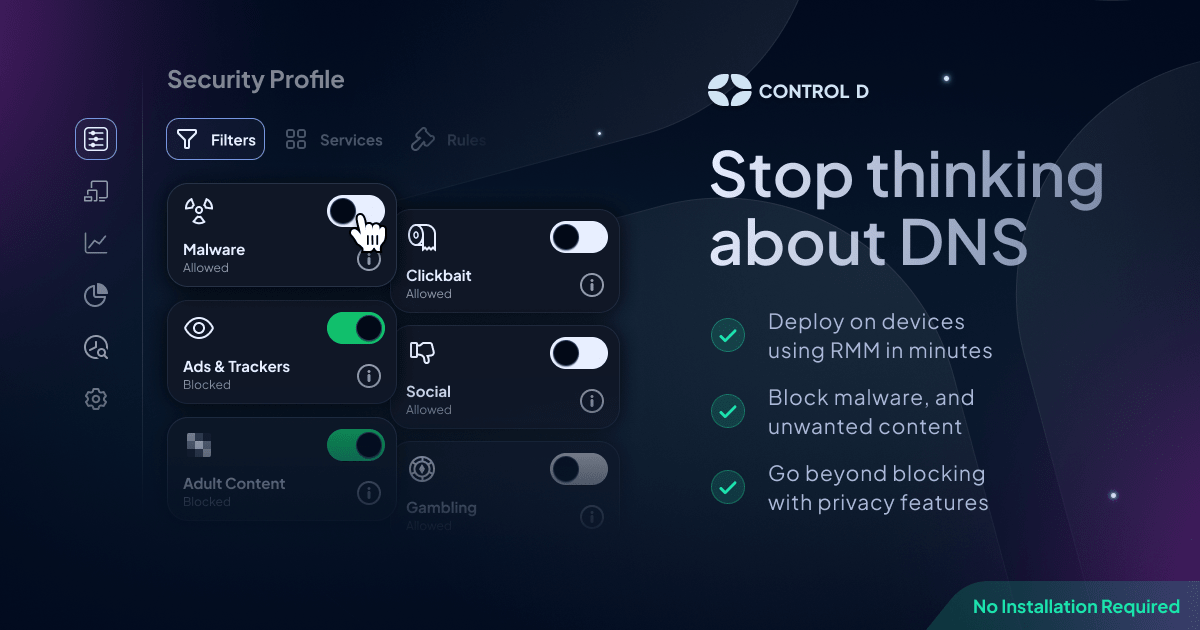
DNS Filtering Services: Security & Network Protection | Control D
Control D's DNS filtering software blocks unwanted websites, prevents malware, enforces web policies, and strengthens network security in minutes.
Jamming and Spoofing Techniques for Drone Neutralization: An Experimental Study
This study explores the use of electronic countermeasures to disrupt communications systems in Unmanned Aerial Vehicles (UAVs), focusing on the protection of airspaces and critical infrastructures such as airports and power stations. The research aims to develop a low-cost, adaptable jamming device using Software Defined Radio (SDR) technology, targeting key UAV communication links, including geolocation, radio control, and video transmission. It applies jamming techniques that successfully disrupt UAV communications. GPS spoofing techniques were also implemented, with both static and dynamic spoofing tested to mislead the drones’ navigation systems. Dynamic spoofing, combined with no-fly zone enforcement, proved to be particularly effective in forcing drones to land or exhibit erratic behavior. The conclusions of this study highlight the effectiveness of these techniques in neutralizing unauthorized UAVs, while also identifying the need for future research in countering drones that operate on alternative frequencies, such as 4G/5G, to enhance the system’s robustness in evolving drone environments.

No2DigitalID — Big Brother Watch
A national digital ID system is not inevitable. We can stop Britain sleepwalking into becoming a database state. Support our campaign to create a legal right to use non-digital ID!

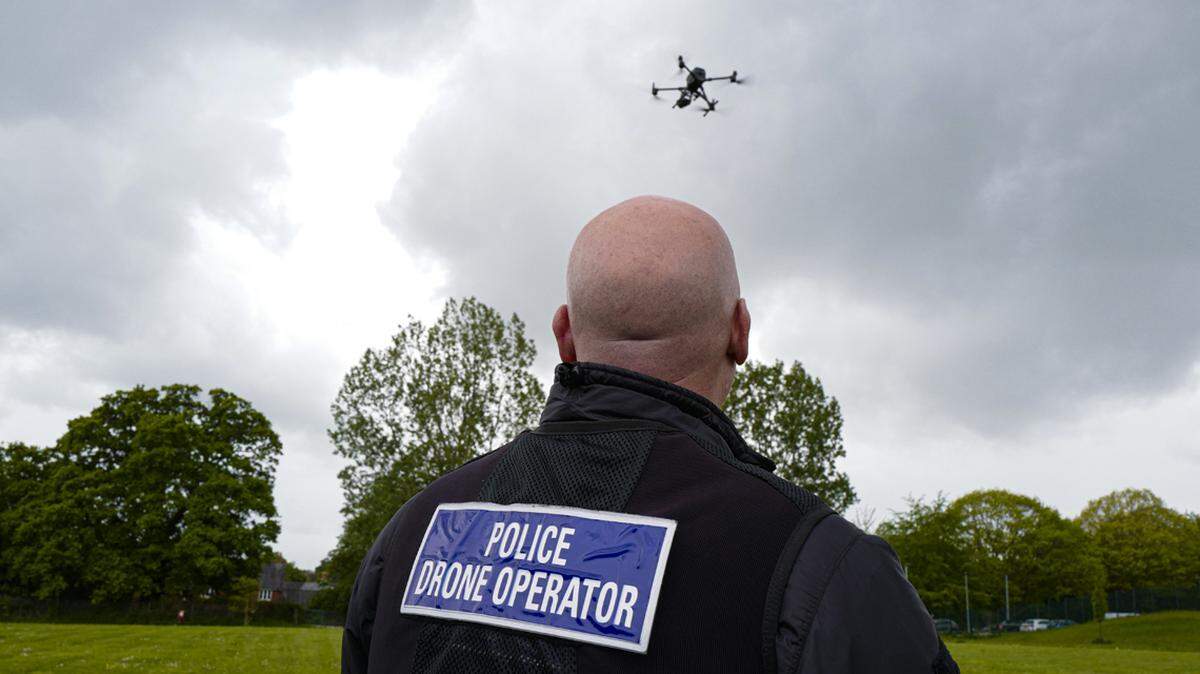
Kansas City police will use drones at World Cup 2026: Is your data at risk? | Opinion
Kansas City Police will deploy DJI drones during FIFA World Cup 2026. The FCC and Pentagon cite national security and privacy concerns. From Toriano Porter:
A Landscape Survey of Private Digital Credentials
CJ Larkin and Renée DiResta examine digital ID endeavors to understand what drives adoption, what facilitates trust, and how privacy and security trade off.

MiMo-V2.6 | Xiaomi
Introducing the MiMo-V2.6 series: frontier intelligence, all the modalities, built in public.
216,000,000 Spy TVs | The LG Smart TV Problem
Introducing World ID 4.0 - Request for Comments
The new World ID 4.0 upgrade introduces account abstraction with multi-key support, transforming a World ID from a single secret into an abstract record in a public registry. This increases protocol resilience by allowing the introduction of multiple key support, portability, recovery and improved privacy.

QuickDID - AT Protocol Identity Resolution Service
High-performance handle-to-DID resolution service for the AT Protocol ecosystem. Resolve Bluesky and AT Protocol handles instantly.
Smart Drone Neutralization: AI Driven RF Jamming and Modulation Detection with Software Defined Radio
The increasing use of wireless technologies in many aspects of people’s lives has led to a congested electromagnetic spectrum, making it critical to manage the limited available spectrum as efficiently as possible. This is particularly important for military activities such as electronic warfare, where jamming is used to disrupt enemy communication, self-attacking drones, and surveillance drones. However, current detection methods used by armed personnel, such as optical sensors and Radio Detection and Ranging (RADAR), do not include Radio Frequency (RF) analysis, which is crucial for identifying the signals used to operate drones. To combat security vulnerabilities posed by the rogue or unidentified transmitters, RF transmitters should be detected not only by the available data content of broadcasts but also by the physical properties of the transmitters. This requires faster fingerprinting and identifying procedures that extend beyond the traditional hand-engineered methods. In this paper, RF data from the drones’ remote controller is identified and collected using Software Defined Radio (SDR), a radio that employs software to perform signal-processing tasks that were previously accomplished by hardware. A deep learning model is then provided to train and detect modulation strategies utilized in drone communication and a suitable jamming strategy. This paper overviews Unmanned Aerial Vehicles (UAV) neutralization, communication signals, and Deep Learning (DL) applications. It introduces an intelligent system for modulation detection and drone jamming using Software Defined Radio (SDR). DL approaches in these areas, alongside advancements in UAV neutralization techniques, present promising research opportunities. The primary objective is to integrate recent research themes in UAV neutralization, communication signals, and Machine Learning (ML) and DL applications, delivering a more efficient and effective solution for identifying and neutralizing drones. The proposed intelligent system for modulation detection and jamming of drones based on SDR, along with deep learning approaches, holds great potential for future research in this field.

NIST SP 800-63 Digital Identity Guidelines
NIST Special Publication 800-63 Digital Identity Guidelines