


In the first major update to this classic book in many years, Collins traces the history and contours of Black women’s ideas and actions to argue that Black feminist thought is the discourse that fosters Black women’s survival, persistence, and success against the odds. Through meticulous research that synthesizes the important intellectual work done by Black women, Collins’s timely update demonstrates that Black women’s ideas and actions are not marginal concerns but rather are central to the future of social justice within democratic societies. The combination of the text’s classic arguments and a preface and epilogue written expressly for this edition speak to people who have long been working on social justice and to a new generation of readers who are encountering the ideas and actions of Black women for the first time. For this 30th year anniversary edition, Patricia Hill Collins examines how the ideas in this classic text speak to contemporary social issues and identifies the directions needed for the future of Black feminist thought.
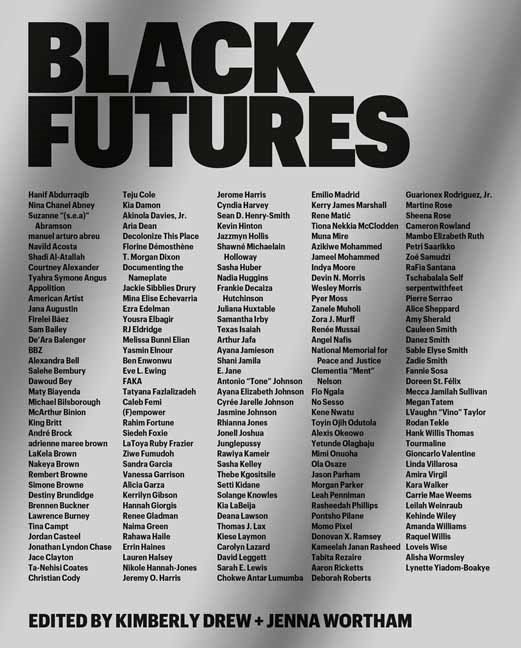
Black Futures
Check out Black Futures - <b><b>“A literary experience unlike any I’ve had in recent memory . . . a blueprint for this moment and the next, for where Black folks have been and where they might be going.”—<i>The New York Times Book Review</i> (Editors’ Choice)</b><br><br></b><i><b>What does it mean to be Black and alive right now?</b></i><br><br>Kimberly Drew and Jenna Wortham have brought together this collection of work—images, photos, essays, memes, dialogues, recipes, tweets, poetry, and more—to tell the story of the radical, imaginative, provocative, and gorgeous world that Black creators are bringing forth today. The book presents a succession of startling and beautiful pieces that generate an entrancing rhythm: Readers will go from conversations with activists and academics to memes and Instagram posts, from powerful essays to dazzling paintings and insightful infographics.<br><br> In answering the question of what it means to be Black and alive, <i>Black Futures</i> opens a prismatic vision of possibility for every reader. by Jenna Wortham and Kimberly Drew on Bookshop.org UK!
Intersectional Antifeminism, or: What is a White Feminist, Anyway?
Regarding the most famous social theory no one has actually read.

Social Reproduction Theory: Remapping Class, Recentering Oppression
This groundbreaking collection explores the profound power of Social Reproduction Theory to deepen our understanding of everyday life under capitalism. While many Marxists tend to focus on the productive economy, this book focuses on issues such as child care, health care, education, family life and the roles of gender, race and sexuality, all of which are central to understanding the relationship between economic exploitation and social oppression. In this book, leading writers such as Lise Vogel, Nancy Fraser, David McNally and Susan Ferguson reveal the ways in which daily and generational reproductive labour, found in households, schools, hospitals and prisons, also sustains the drive for accumulation. Presenting a more sophisticated alternative to intersectionality, these essays provide ideas which have important strategic implications for anti-capitalists, anti-racists and feminists attempting to find a path through the seemingly ever more complex world we live in.
Black Women Are Sounding the Alarm About Voting Rights and America’s Future
A new poll reveals their thoughts on whether the nation is delivering on what Black women need to thrive.

Black Women and the Care Agenda | National Partnership for Women & Families
Black women are family caregivers – and they need flexibility and economic supports to make the best decisions for themselves and their families

A Black Feminist Apocalypse/Dystopian Survival Resource Compilation
A Black Feminist Apocalypse/Dystopian Survival Resource Compilation With the awful realization that we are indeed in a fight for our very survival coming over me for the past few years, I’ve asked myself this question: what can I do right now, today? With my resources limited or tapped out, I’ve...

Take Your Place: Rhetorical Healing and Black Womanhood in Tyler Perry’s Films
The unparalleled commercial sucessess that gospel-playwright-turned-screenwriter Tyler Perry has attained through converting his stage plays into films that depict black women overcoming personal crises raises questions about the intent behind his seemingly feminist-inspired representations of black womanhood. Through an analysis of the rhetoric of healing in Perry’s first two films, this essay reveals one of the suppressive pedagogical functions of Perry’s representation of black womanhood. Rhetorics of healing are a series of persuasive messages, performances, and literacy acts that writers deploy in order to convince readers that redressing or preventing crises requires them to follow the curriculum for ideological, communicative, and behavioral transformation that the writer considers essential to wellness. In Diary of a Mad Black Woman and Madea’s Family Reunion, Perry’s representation of rhetorical healing constructs black Christian women as students who must learn prescribed attitudes and behaviors to achieve, or remain in, states of wellness, and these lessons reinforce conservative gender ideologies and reify patriarchal constructions of the family and home. Given black women’s historically tenuous relationships with representations of themselves and their families in mainstream film, and given the ways in which their labor in the home is simultaneously desired and exploited, the popularity of Perry’s films does not suggest that his representations of healing foster black women’s self-empowerment. Rather, his popularity points to a moment where black women’s pain is a commodity and their instructive journeys to wellness are an exploited site where writers can carry out their own agendas.

A Challenge on Barack Obama & The Black Papers feat Dr. David Johns | Angela Rye SoloPod
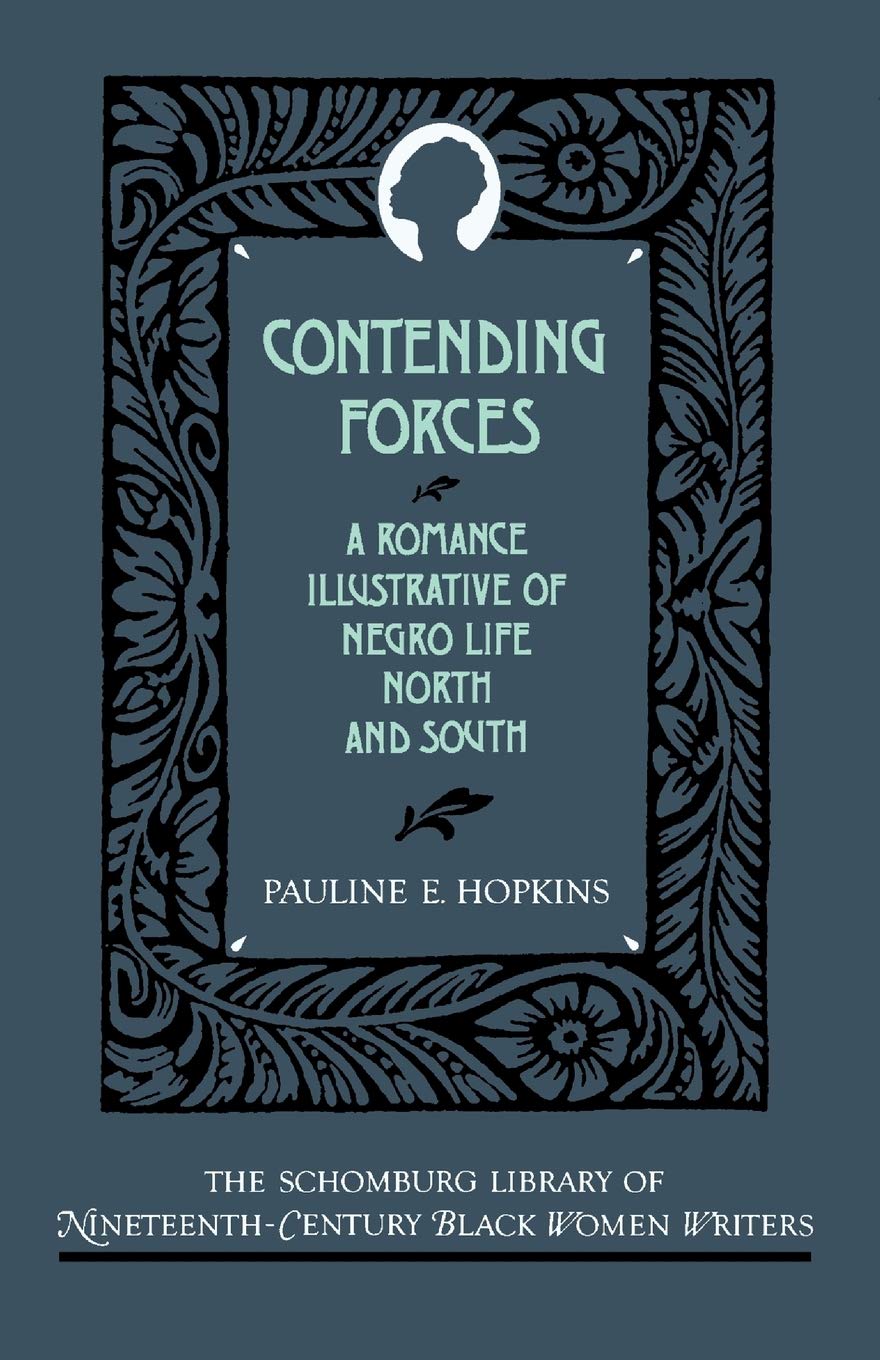
REVIEW: Pauline Hopkins' Contending Forces should be leading the literary canon - The Maroon
Contending Forces tells the story of a Black family both before and after slavery ended in the United States.
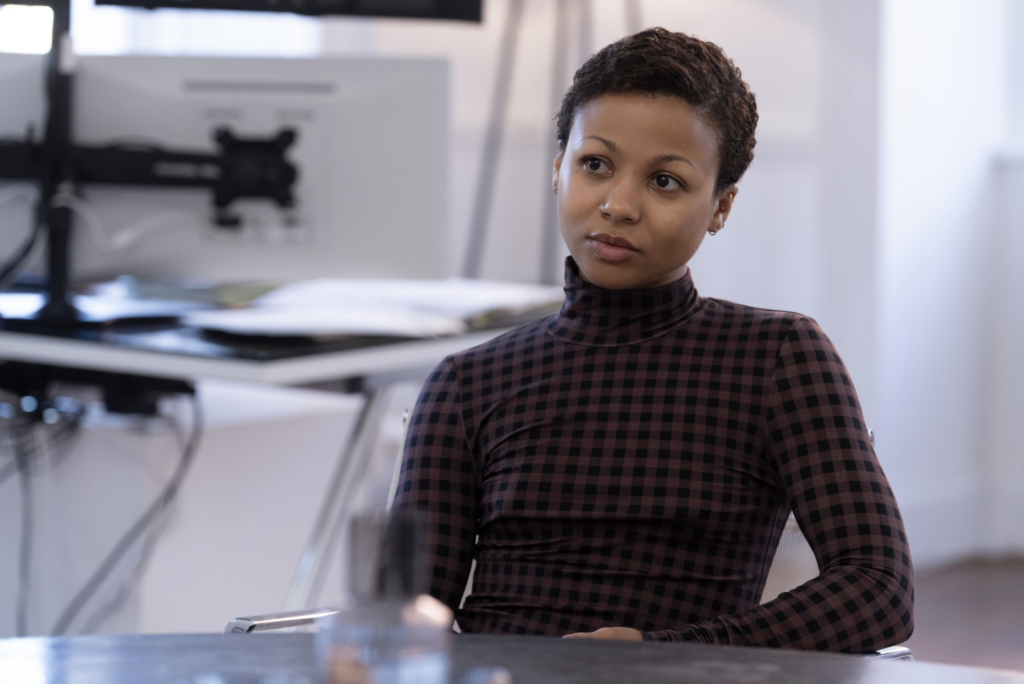
What do we want from Black women on screen?
From Teyana Taylor’s Oscar-nominated turn in One Battle After Another to Industry’s ruthless Harper Stern, Black women are taking on some of the most morally complex roles on screen. But what does “good” representation really mean and must it always be aspirational? Michaela Makusha investigates.
Anarchism and The Black Revolution and Other Essays
An analysis of white supremacy vs the black struggle an…

Dark Matters: On the Surveillance of Blackness
In Dark Matters Simone Browne locates the conditions of…

News for Black America - NewsOne
Breaking news for and about Black America: politics, original stories, diverse opinions, current events and their impact on Black lives.

Beyond the blank slate: Why Black women’s trust is critical for equitable AI | Brookings
Zarah Guillemet and Raj Korpan discuss preliminary research on Black women's trust in AI and implications for policymakers.

Black Panther Woman by Mary Frances Phillips | East Bay Booksellers
The first biography of Ericka Huggins, a queer Black woman who brought spiritual self-care practices to the Black Panther Party.In this groundbreaking biography, Mary Frances Phillips immerses readers in the life and legacy of Ericka Huggins, a revered Black Panther Party member, as well as a mother, widow, educator, poet, and former political prisoner.