

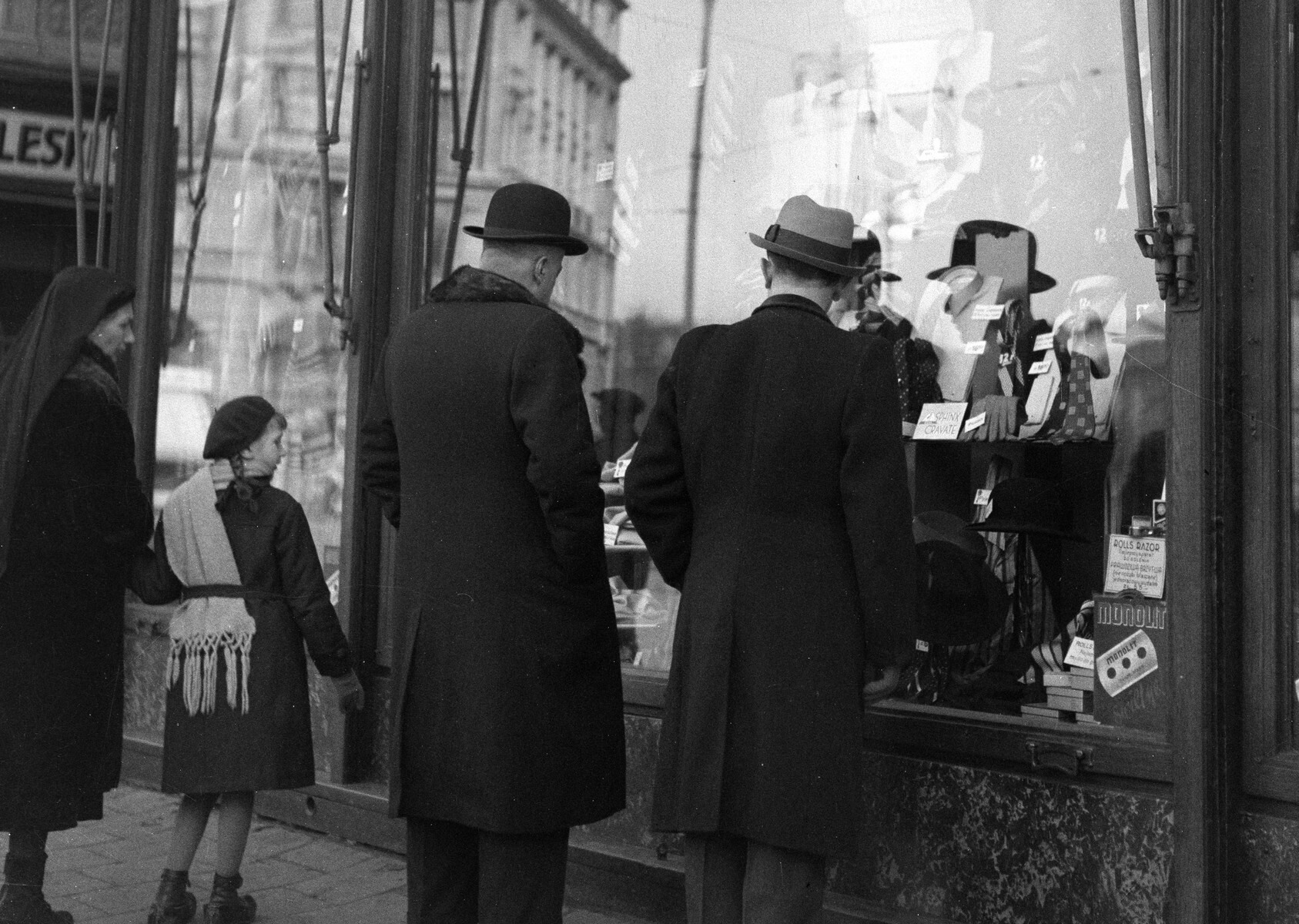
Motivation of mobilization | UMA - visual, audiovisual and audio resources that show the city and tell about the urban life of Central and Eastern Europe of the XIX-XXI centuries
Interview: Forms of participation in the protest | Urban Media Archive
Forms of participation in the protest | UMA - visual, audiovisual and audio resources that show the city and tell about the urban life of Central and Eastern Europe of the XIX-XXI centuries
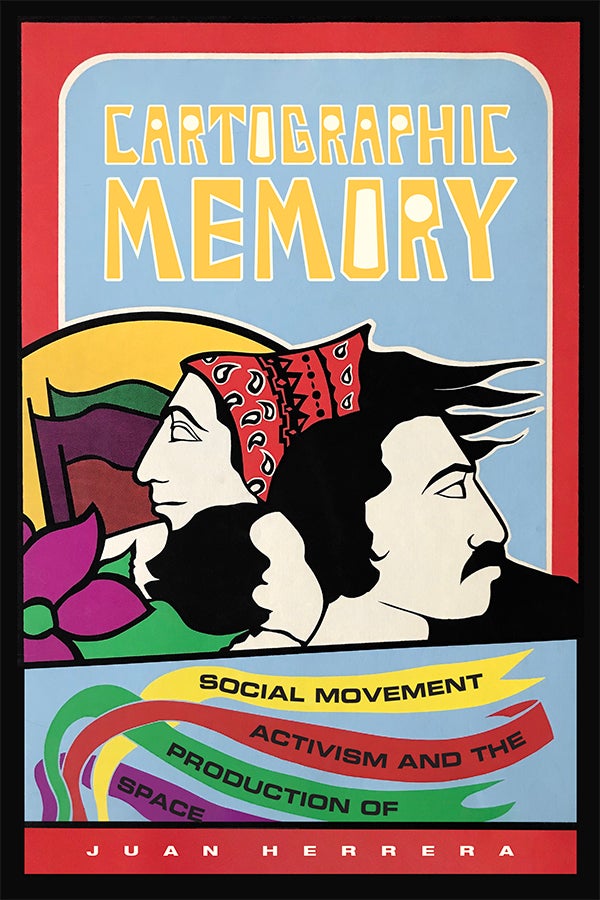
Cartographic Memory: Social Movement Activism and the Production of Space
“Cartographic Memory is a creative, important, and well-written book that offers a vital analysis of Latinx activism in Oakland. Juan Herrera’s concept of social movement continuities helps us analyze the range of ways that actors make social change, rather than only focusing on the most radical politics or certain epic moments. Herrera’s book is an outstanding contribution toward building a nuanced and complex understanding of Latinx social movements.” - Victoria Lawson, author of Making Development Geography
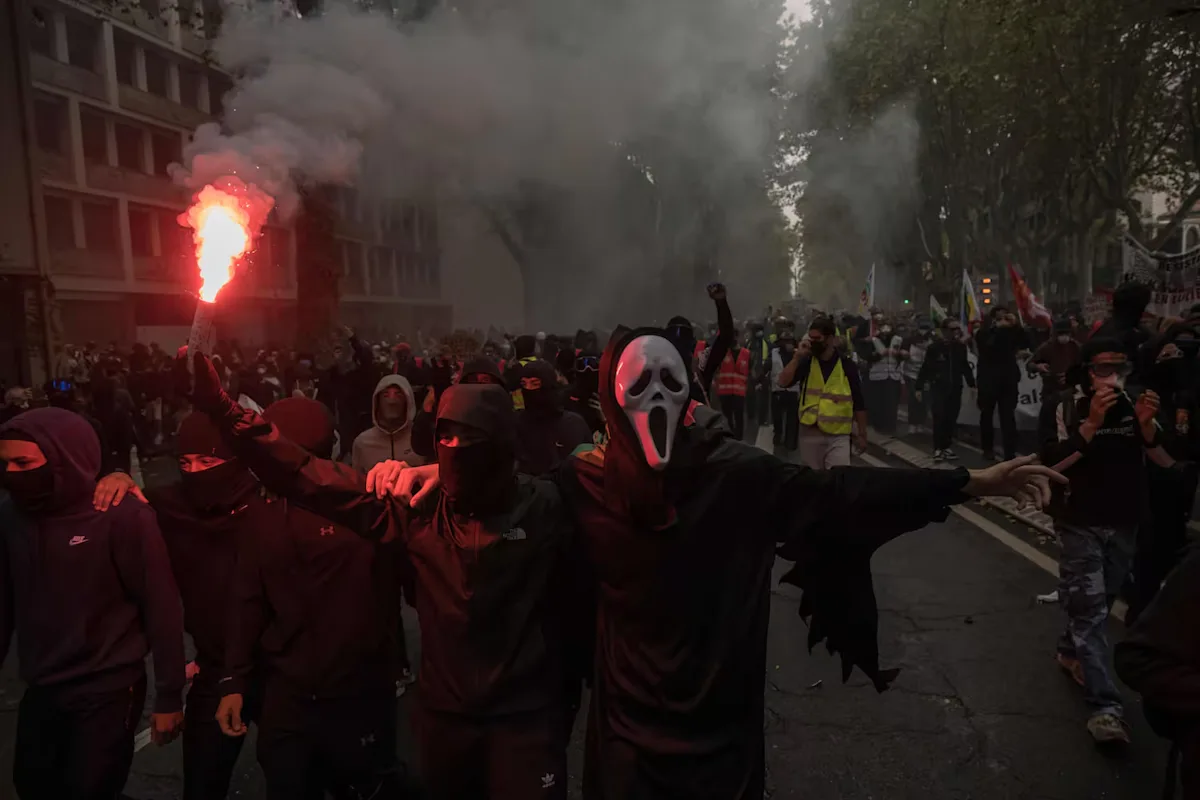
Becoming Alive, Autonomous, and Explosive • Ill Will
Interview with the Invisible Committee on "Survival Manual" and the ongoing uprising in France.
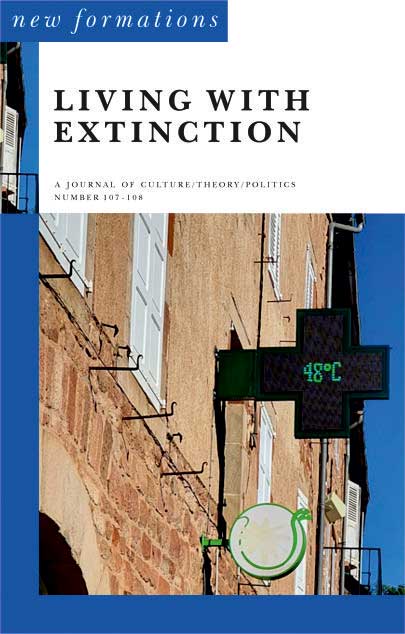
Canicule : la révolution ou la mort
Frustration Magazine, média indépendant et offensif qui relate la guerre des classes.

En Europe, 20 ans d'activisme extra-parlementaire de l’extrême droite
À travers le projet de recherche européen de l’Observatoire des protestations d’extrême droite en Europe (FARPO), Caterina Froio et Pietro Castelli Gattinara, chercheurs en sciences politiques,

Mobilisation du 17 octobre : dans la presse internationale, des «émeutes sans précédent» et le crépuscule du macronisme
De la BBC au «New York Times» en passant par le «Spiegel», les grands médias occidentaux ont concentré leur attention sur les violences et les images de rues dévastées, tout en pointant la responsabilité de l’exécutif.

The Maidan in Movement: Diversity and the Cycles of Protest
The Maidan protests provide us with insights into Ukrainian society and the dynamics of mobilisation more generally. Based on the EuroMaidan Protest Participant Survey, on-site rapid interviews wit...

Imagined communities: reflections on the origin and spread of nationalism
What makes people love and die for nations, as well as …

Culture of the Confrontation, Maxim Dondyuk's photography
Ukrainian revolution brought new spirit, changed people & their minds, they became one organism that fight with a great passion and intensity for happy future.

Local Journalism Directory | Media and Democracy Project
We created a directory to help you find local journalism and local news sources in your area worth reading and supporting.

When Riot Cops Are Not Enough
In When Riot Cops Are Not Enough, sociologist Mike King examines the policing, and broader political repression, of the Occupy Oakland movement. King’s active and daily participation in that movement provides a unique insider perspective to illustrate how the Oakland police and city administrators lost the ability to effectively control the movement.

New Formations - Lawrence Wishart
New Formations: A Journal of Culture / Theory / Politics
Utopian media studies: Introduction
This introduction to the special issue ‘Utopian Media Studies’ sketches a framework for how media studies can become a site of utopian praxis, research and experimentation. It first addresses three apprehensions media scholars might have about the notion of utopian media studies and its appeal to a loaded concept like ‘utopia’. The introduction then outlines five sensibilities to explicate the nature and significance of this special issue’s contribution to the field: a utopian media studies must adopt an ecological approach to media; recognize and be invigorated by limits; work toward the technological liberation of time; connect imagination with practice; and emphasize and enable conditions for transmitting hope. Lastly, the introduction considers Ruth Levitas’s distinction between utopia’s archaeological, ontological, and architectural mode to map some of the concrete ways in which existing media studies research is doing utopian work that aligns with these sensibilities. In connecting work that operates in these modes with the various contributions to this special issue, the introduction reveals the utopian currents that already run through media studies as a discipline and opens up new conceptual and methodological approaches to studying and modeling digital utopias.
Utopian media studies: Introduction
This introduction to the special issue ‘Utopian Media Studies’ sketches a framework for how media studies can become a site of utopian praxis, research and experimentation. It first addresses three apprehensions media scholars might have about the notion of utopian media studies and its appeal to a loaded concept like ‘utopia’. The introduction then outlines five sensibilities to explicate the nature and significance of this special issue’s contribution to the field: a utopian media studies must adopt an ecological approach to media; recognize and be invigorated by limits; work toward the technological liberation of time; connect imagination with practice; and emphasize and enable conditions for transmitting hope. Lastly, the introduction considers Ruth Levitas’s distinction between utopia’s archaeological, ontological, and architectural mode to map some of the concrete ways in which existing media studies research is doing utopian work that aligns with these sensibilities. In connecting work that operates in these modes with the various contributions to this special issue, the introduction reveals the utopian currents that already run through media studies as a discipline and opens up new conceptual and methodological approaches to studying and modeling digital utopias.

Sollte der Krieg Russlands gegen die Ukraine die Epistemologie der Osteuropäischen Geschichte verändern und wenn ja, wie?
The short article argues for revitalizing historical research to questions of the longue durée and, in analogy to the New Imperial History, considers the emergence of a New National History possible. Above all, the article calls for a continued decolonialisation of Russian history and, in this context, also for a strengthening of the Ukraine and Belarus focus in research, teaching and language mediation as well as in the form of a German Historical Institute in Kyiv.
We Are Civic Media
A discipline-crossing introduction to civic media via accounts from grassroots practitioners “Civic media” is the use of contemporary technologies to connect communities, inspire action, build civic capacity, and sustain social change efforts. Written by artists, creators, storytellers, organizers, and others working at the intersections of technology, social justice, and culture, this book summons civic media through the lived experiences of its contributors. Latoya Peterson delves into the therapeutic power of gaming; Akilah Hughes discusses identity and community through the lens of her campaign to change her high school's racist mascot; and Tyree Boyd-Pates emphasizes the potential power of museum curation to challenge power dynamics and bridge digital and physical realms. Through the experiences of these grassroots practitioners and many others, We Are Civic Media offers accessible insights for those interested in understanding, respecting, and practicing civic media.