


It is apparent, 90 years after the beginnings of the Nazi period, that large corporations played an important and lamentable role in Nazi power and administration, and the implementation of the atr…
THEY WILL REPLACE U.S.: AI AND THE HALLUCINATIONS OF CORPORATIONS
ABSTRACT: I address AI as a manifestation of the corporate form in U.S. culture, and as it relates to the dreams of (or ascribed to) fascism and corporations. The merger of state and corporate power represents the trajectory of the corporation—to take over the state; elide accountability, empathy, transparency and (human) agency; and trade places with (and finally eliminate) people. The merger of state and corporate AI—a final stage of corporate speech, networking, and legal ontology—facilitates the takeover of human personhood by corporate personhood, and I trace the effects of that process in the systemic inversion of norms. Corporate personhood is part of a zero-sum game in which rights, speech, and identities are appropriated from people. When AI technology is grafted onto political systems and social media, the ensuing hallucinations are nightmares. The corporation always has been a posthuman simulacrum of persons, and its AI, in its wake, dreams of eliminating workers and people altogether.
Naomi Klein’s new book calls out end times fascism. What is this – and what’s the role of big tech?
Two new books, End Times Fascism and Nerd Reich, take a hard look at fascism today – and its intersections with big tech.

Naomi Klein’s new book calls out end times fascism. What is this – and what’s the role of big tech?
Two new books, End Times Fascism and Nerd Reich, take a hard look at fascism today – and its intersections with big tech.
The Corporation’s Neoliberal Soul? | Human Rights after Corporate Personhood
Human Rights after Corporate Personhood offers a rich overview of current debates, and seeks to transcend the "outrage response" often found in public discourse and corporate legal theory. Through ...

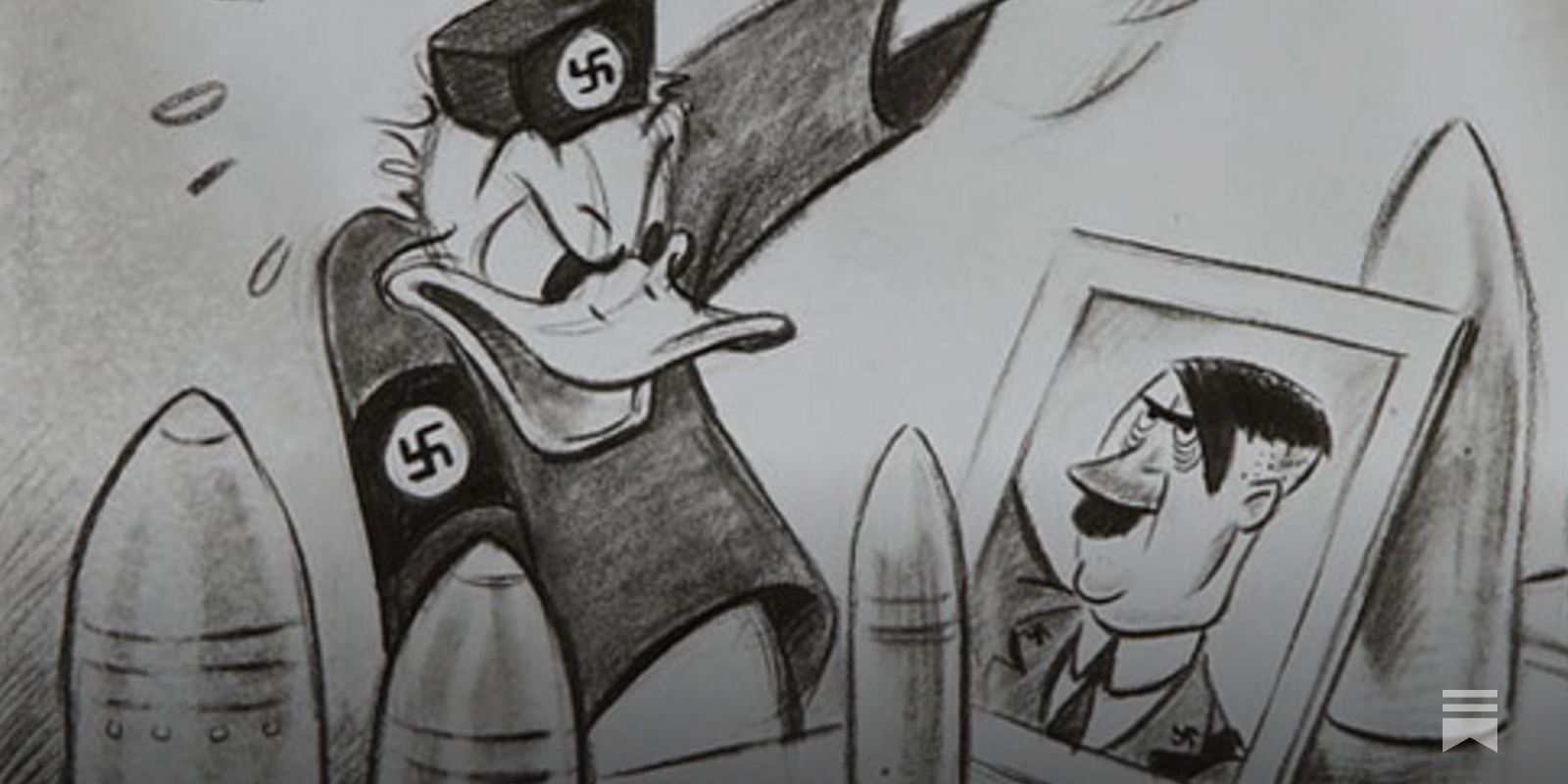
The corporation—a return to origins?
This paper contributes to contemporary debates in political theory about the power of business corporations by offering a genealogy of the corporation through the lens of a series of historical mutations of the corporate form. Originally, there were two corporate forms, both non-profit: member corporations (today's associations) and property corporations (today's charitable foundations). The contemporary business corporation arguably is a hybrid of both of these original forms, introducing unique commercial features (shares with profit distribution rights that are transferable). These commercial features are largely responsible for the corporation's extractive nature, that is, its tendency to prey on non-shareholder interests. The future of the corporation may well lie in a partial return to the two original non-profit forms. Two corporate forms developed in the nineteenth century can provide the format for such a return: cooperatives (which reinforce the idea of membership) and foundation-owned companies. The cooperative structure is a halfway house between a business corporation and a member corporation (association), and in a parallel fashion, a foundation-owned company is a halfway house between a business corporation and a property corporation (foundation). If we want to reduce corporations’ extractive nature, facilitating the spread of cooperatives and foundation-owned companies seems the way forward.

Democratic Ownership Funds: Creating Shared Wealth and Power
Recent decades have seen a rapid and little-discussed transformation in corporate ownership structure, with vital consequences for company behaviour and inequality.

Obeying Nobody: Public Service and the Ordinary Evil of Administration - Roy L. Heidelberg, 2026
This essay explores administrative evil by reconsidering it through Weber’s ideal-type of bureaucracy and Arendt’s concerns over the bureaucratization of social...
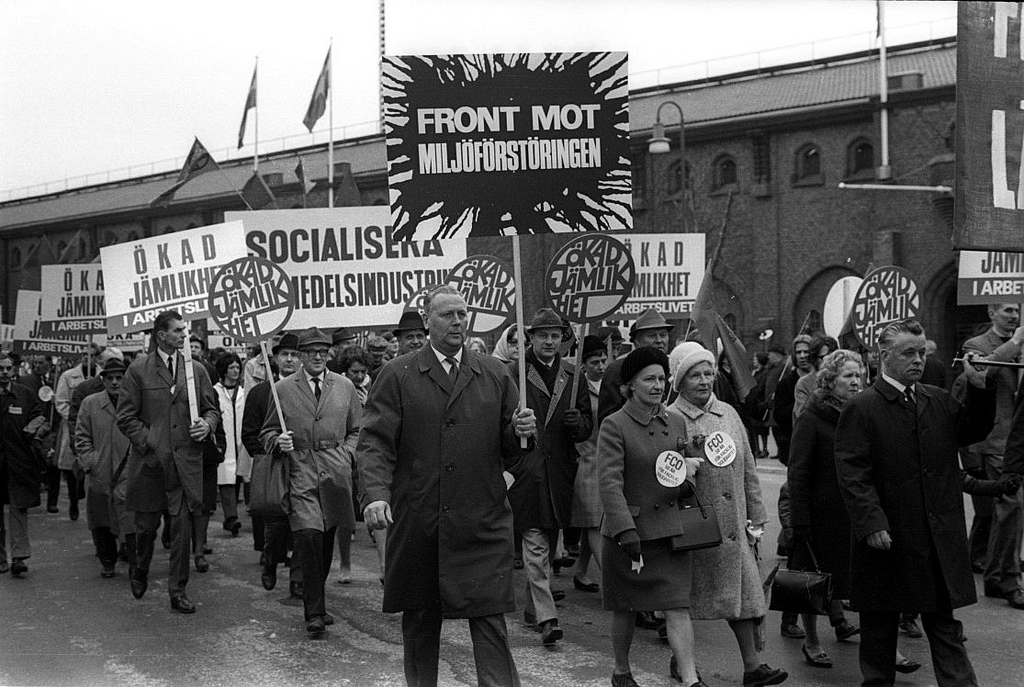
Revisiting the Meidner Plan
In the 1970s, the Swedish labor movement developed a plan to gradually socialize ownership. What can we learn from it today?
The Authoritarian Stack: Mapping Big Tech’s Capture of State Power - Rosa-Luxemburg-Stiftung
A new project exposes the infrastructure of techno-oligarchic control — and why Europe must act

Opinion | The New Power Structure (Published 2018)
New organizations are forming and succeeding in an age of distrust.

The Authoritarian Personality
This hugely influential study on the psychology of authoritarianism was written in answer to Hitler’s Germany—and now rings more relevant than ever as fascism and anti-Semitism sweep across America.What makes a fascist? Are there character traits that make someone more likely to vote for the far right? The Authoritarian Personality is not only one of the most significant works of social psychology ever written, it also marks a milestone in the development of Adorno’s thought, showing him grappling with the problem of fascism and the reasons for Europe’s turn to reaction. Over half a century later, and with the rise of right-wing populism and the reemergence of the far-right in recent years, this hugely influential study remains as insightful and relevant as ever.This new edition includes an introduction by Frankfurt School scholar Peter E. Gordon and contains the first-ever publication of Adorno’s subsequent critical notes on the project.“Adorno and his colleagues could easily have been describing Alex Jones’s paranoid InfoWars rants or the racist views expressed by many Trump supporters.” —New York Times
Book: The Face of Imperialism — The Michael Parenti Political Archive
In the last half-century we have witnessed a dramatic expansion of American corporate power into every corner of the world, accompanied by an equally awesome growth in U.S. military power. These phenomena are often treated as independent developments. Here, Michael Parenti brings them together in a sharp critique aimed as much at errant liberals and certain Marxists as at the dominant political actors who have perpetrated the imperial lie.

It Was Fascism All Along
When we emphasize a distinction between conservatism and fascism, we obscure the structural logic that ties the right-wing project together.
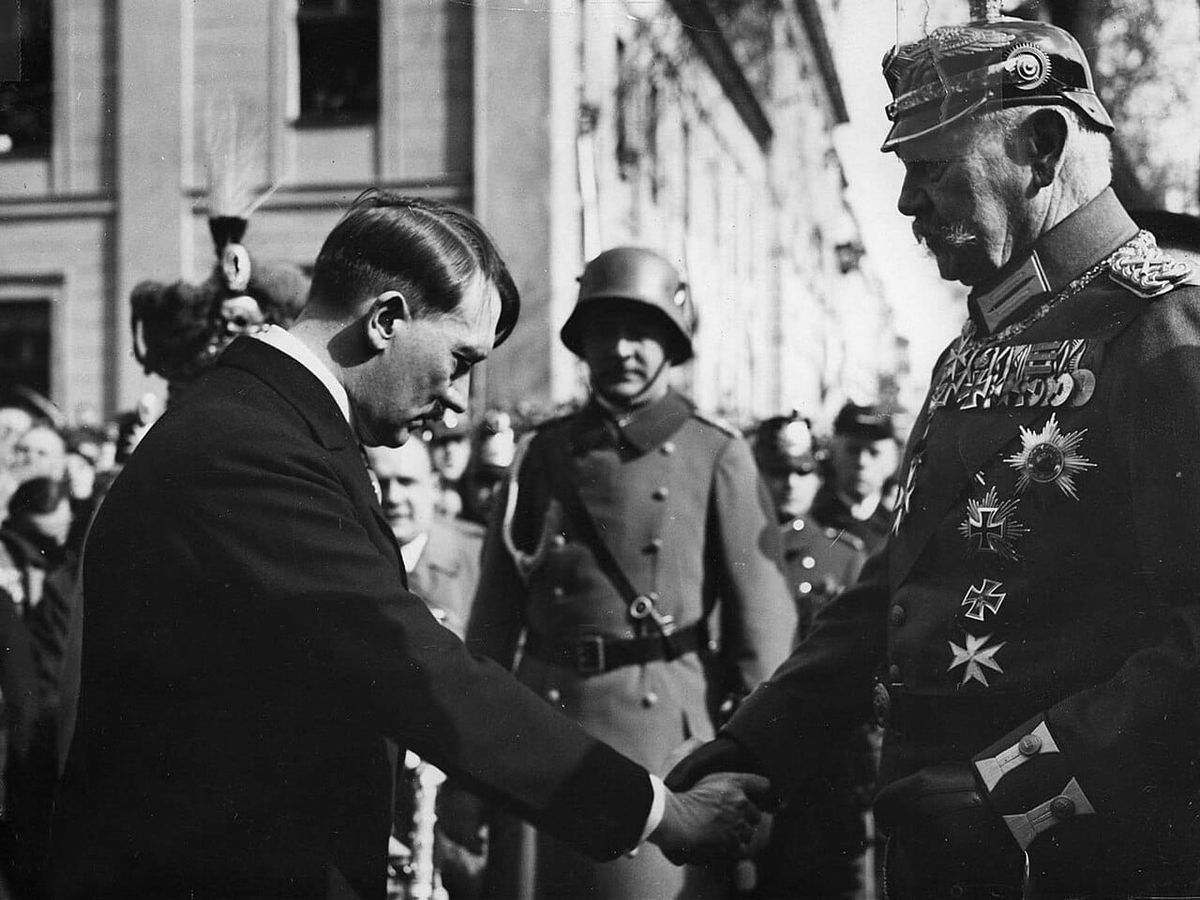
The Best Anti-Fascist Films of All Time
In light of recent events, it might be a good time to remember a very simple truth: Nazis are ALWAYS the bad guys.

Interesting paper by @rutgerclaassen.bsky.social about the genealogy of the corporation H/t @the-syllabus.bsky.social journals.sagepub.com/doi/10.1177/14748851261463198

The corporation—a return to origins? - Rutger Claassen, 2026
journals.sagepub.com