


Understand the force behind exponential changes.

Flywheel Effect: Why Positive Feedback Loops are a Meta-Competitive Advantage
A fascinating adventure through Competitive Advantages, Mental Models, and practical lessons for operators. Also lots of fun pictures here!

Knowing When to Stop: The Art of Making a Loop Converge | Andreessen Horowitz
The systems that matter will not be the ones that can keep going. They all can.

Vector theory of change — a theory of change for complex systems - The Cynefin Co
We're launching a short explainer on vector theory of change, which describes how approaches to theory of change thus far have not been suitable for complex systems, and how vector theory of change helps to rectify these issues. It walks you through vector theory of change step by step: starting from where you are, setting direction and finding stepping stones, designing interventions, and monitoring continuous feedback as opposed to recklessly aiming for a fixed endpoint at any cost.

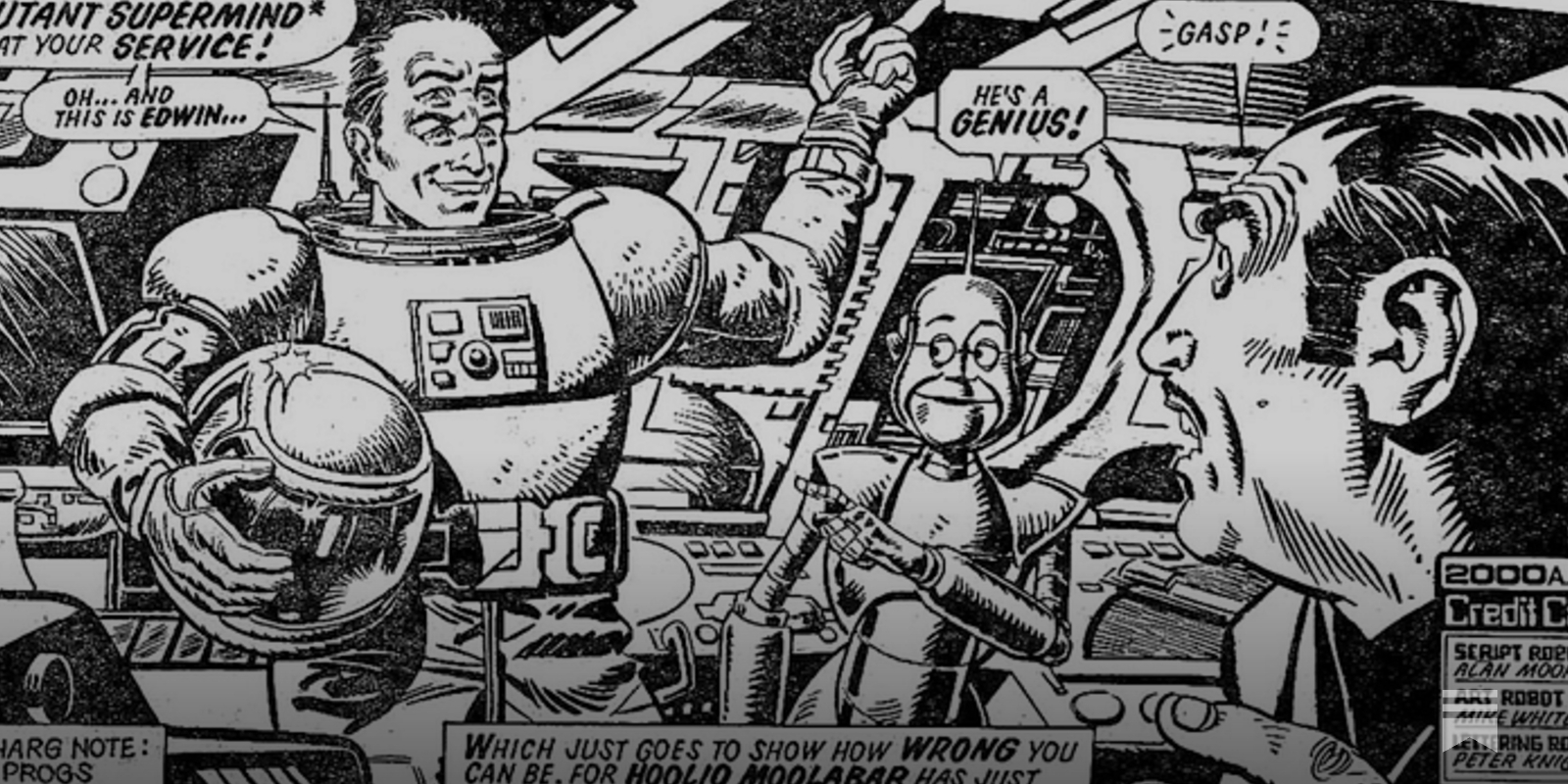

Why we're bullish on loops
WTF are loops, why is everyone arguing about them, and why do they actually matter?

The physics behind spring animations - The Blog of Maxime Heckel
A deep dive into the inner workings of spring animations in Framer Motion.
Growth Loops are the New Funnels | Reforge Blog
Reforge drives team performance, with the most actionable learning from vetted operators that your team will actually use and apply.

Exponential Growth Bias and Household Finance
ABSTRACT Exponential growth bias is the pervasive tendency to linearize exponential functions when assessing them intuitively. We show that exponential growth bias can explain two stylized facts in household finance: the tendency to underestimate an interest rate given other loan terms, and the tendency to underestimate a future value given other investment terms. Bias matters empirically: More‐biased households borrow more, save less, favor shorter maturities, and use and benefit more from financial advice, conditional on a rich set of household characteristics. There is little evidence that our measure of exponential growth bias merely proxies for broader financial sophistication.

Control: Why Big Giving Falls Short

The Human-in-the-Loop is Tired
On reward functions, dopamine, and what it actually feels like when the code starts writing itself
Exponential Economist Meets Finite Physicist | Do the Math
[An updated treatment of some of this material appears in Chapter 2 of the Energy and Human Ambitions on a Finite Planet (free) textbook, also mirrors a 2022 article in Nature Physics..]
Control Point Analysis
This paper describes an informal method called control point analysis that can be used to catalog and understand the points of power and control created by spec

Its noticing others gaining the same insight about adverserial loops improving output reddit.com/r/ClaudeAI/comments/1q5a90l/s…

From the ClaudeAI community on Reddit
www.reddit.com