

We must kill the content creator inside of us that has taken over our being like a body snatcher.
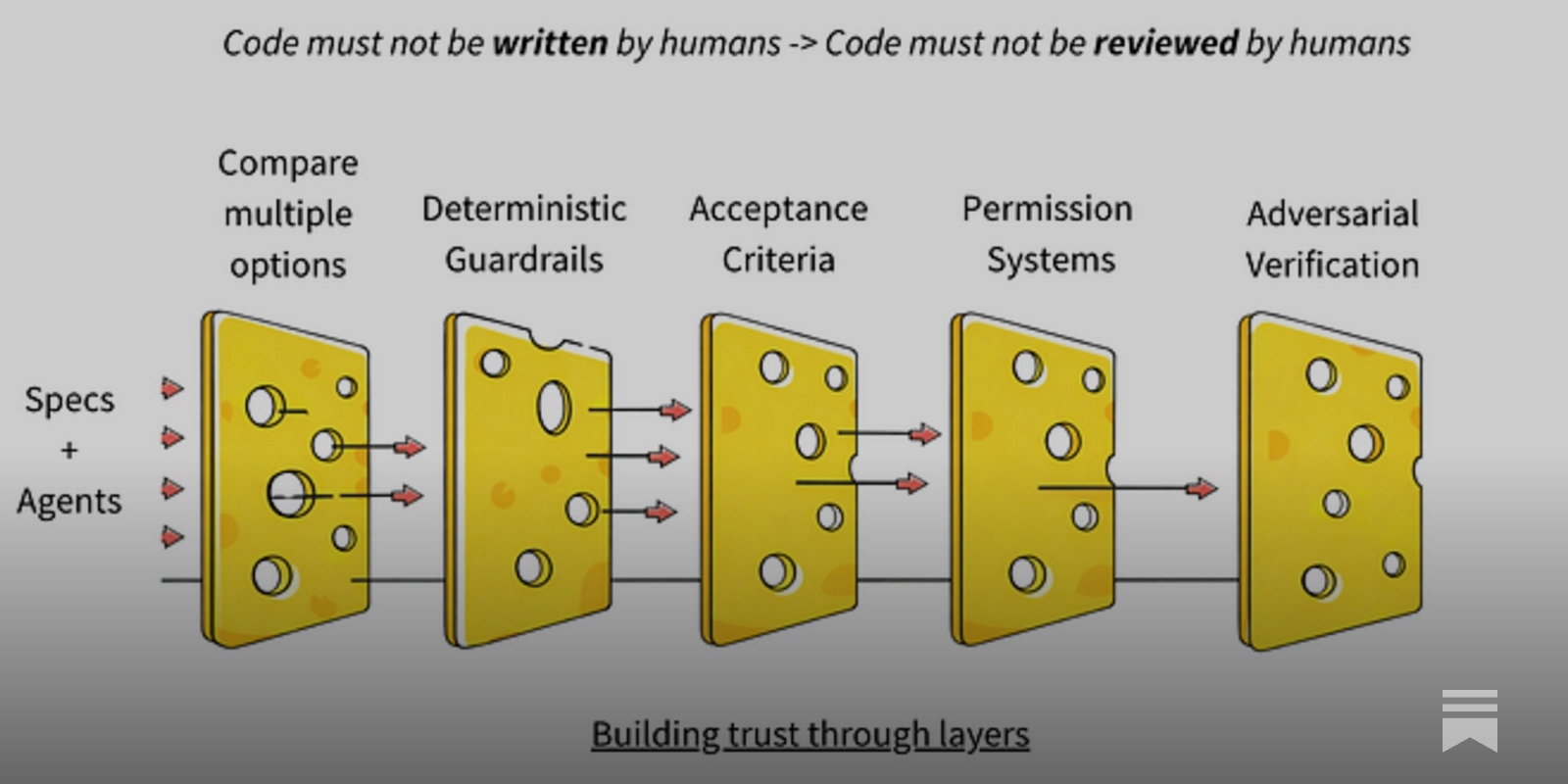
How to Kill the Code Review
Human-written code died in 2025. Code reviews will die in 2026.
Neom
Locus Award Nominee 2023 Dragon Award Nominee 2023 Seiun Award Nominee 2025 Machines roam the desert in search of purpose; works of art can be deadlier than weapons, and improbable love transcends …

You’ve Been Played
How games are being harnessed as instruments of exploitation—and what we can do about it Warehouse workers pack boxes while a virtual dragon races across...

On Let's Plays — That Dragon, Cancer
I've been sitting here this morning paralyzed at what to say in response to this... The last few months since we launched That Dragon, Cancer have been pretty incredible. The mainstream culture, the gamer culture, and others have all embraced our story and been willing to listen to our heart a

Stewarding the stories that power tries to silence
"2026 will mark the rise of algorithmic witnessing — a movement that uses AI not to replace journalists, but to extend the reach of the communities they serve."

Cyberpunk 2077 — Official E3 2019 Cinematic Trailer
QC on Twitter / X
sol (i think) on shakespeare, from another tweet, casually tosses off this line:> most writers, even gigantic ones, eventually reveal what they need the world to be like pic.twitter.com/LNbmHXZ14d— QC (@QiaochuYuan) August 12, 2026

Refusing to accept an AI-poisoned future of journalism
Humans, however flawed, are
Opinion | Video Games Are Destroying the People Who Make Them (Published 2017)
The industry’s infamous “crunch” culture is taking a serious toll on workers.

Jason Arday: We Must Rage – Rage Against the Journalism of Cruelty
The death of the academic shows the casual conversion of humiliation into entertainment by a media running on monetised hate and cruelty

Don't Take the Black Pill - Andrew Kelley | SSW 2026
» How Jordan Mechner Made a Different Sort of Interactive Movie (or, The Virtues of Restraint) The Digital Antiquarian
One can learn much about the state of computer gaming in any given period by looking to the metaphors its practitioners are embracing. In the early 1980s, when interfaces were entirely textual and graphics crude or nonexistent, text adventures like those of Infocom were heralded as the vanguard of a new interactive literature destined to augment or entirely supersede non-interactive books. That idea peaked with the mid-decade bookware boom, when just about every entertainment-software publisher (and a few traditional book publishers) were rushing to sign established authors and books to interactive projects. It then proceeded to collapse just as quickly under the weight of its own self-importance when the games proved less compelling and the public less interested than anticipated.

AI Doomsday Bullshit Is Getting Tired
The "rogue AI" narrative continues to help obscure very ugly and avoidable human failures.
