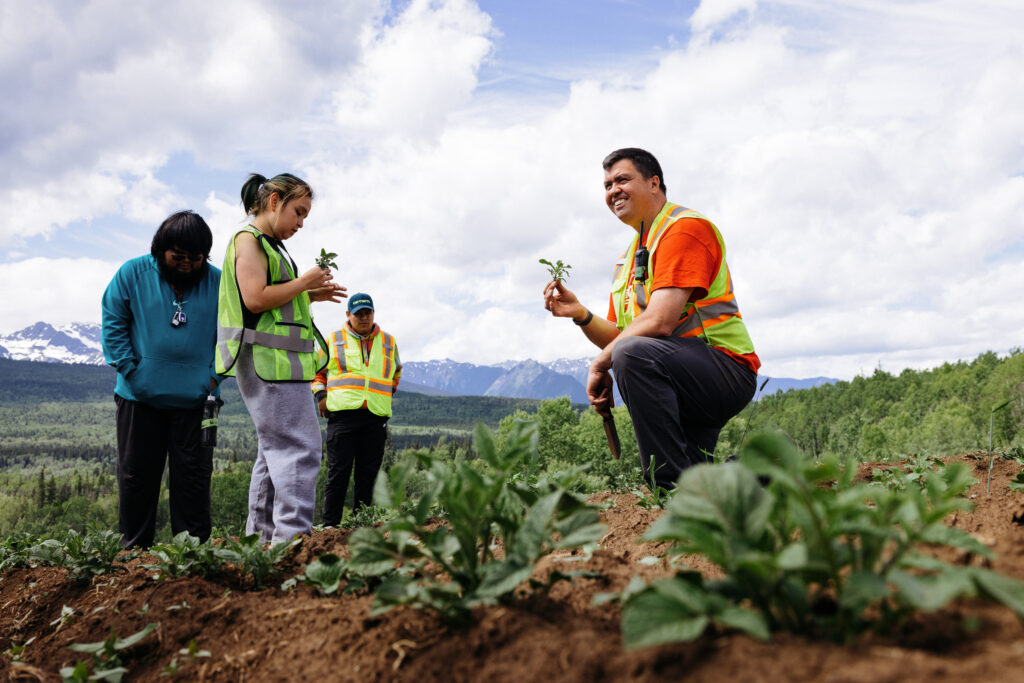
Upland Agricultural Consulting is committed to supporting First Nation, Métis, and Inuit Communities. We believe that investing in Indigenous communities leads to the success of British Columbia, and Canada. As Professional Agrologists, we want to see agriculturally-capable land being brought into full production. To meet that goal, we work alongside Indigenous leadership and staff to create agri-food suitability assessments based on the capacity of the land and the community and to meet the desired level of business development.
Food Forest Consulting, Installation & Events
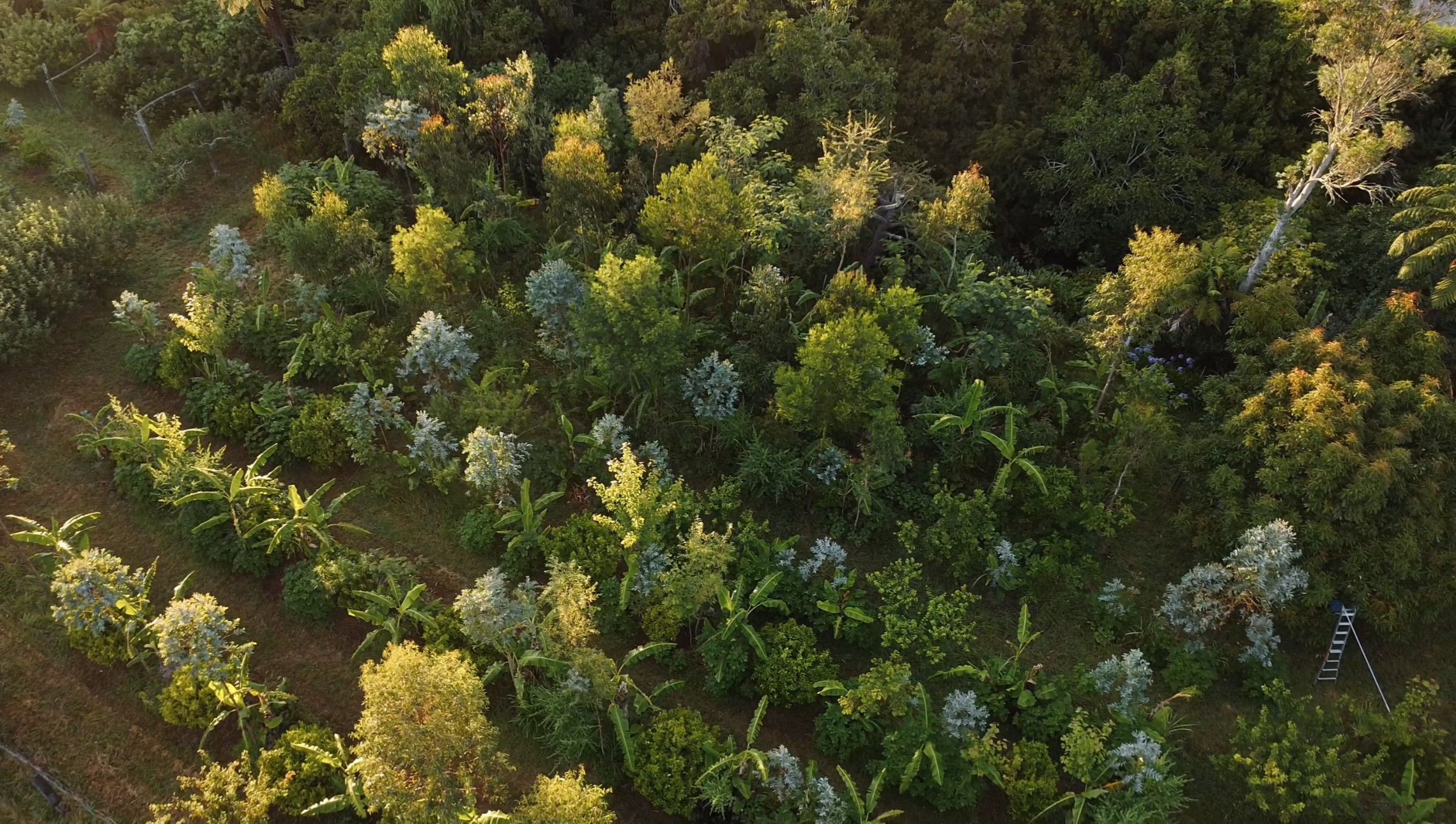
Grow a thriving food forest with expert guidance. We design, install, and manage resilient, high-yield landscapes using cutting-edge syntropic agroforestry. From urban backyards to regenerative farms and orchard retrofits, we create abundant, self-sustaining systems tailored to your land and vision. Serving New Zealand, Australia, USA & beyond at FOOD-FORESTRY.com
AgHR – Human Resources for BC's Agriculture Employers
Recruit with confidence. Take the next steps with writing job descriptions and job postings, sourcing candidates, interviewing and making job offers.
How to rebuild First Nations food systems in B.C. | The Narwhal
Indigenous communities are tackling food sovereignty, but it requires recognition of jurisdiction, funding and a shift in worldview
Starting a new farm - Province of British Columbia
How to start a new farm and explore emerging agricultural opportunities in British Columbia.
Connecting New Farmers to Business Tools & Mentorship
Check out our Business Tools for new farmers to support skills development to run ecologically sustainable and financially viable farm businesses!

How to Finance Community-Led Solutions (SSIR)
Raven Indigenous Outcomes Funds has pioneered community-driven outcomes contracts to center Indigenous communities in Canada as leaders in addressing health and social problems. They present a bold new model for outcomes purchasing. <meta property=

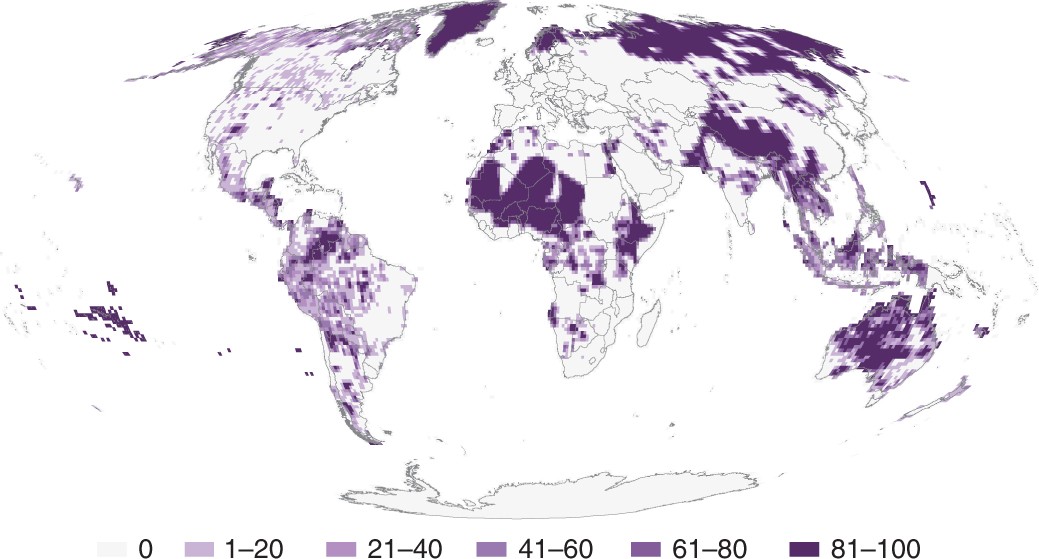
A spatial overview of the global importance of Indigenous lands for conservation
Understanding the scale, location and nature conservation values of the lands over which Indigenous Peoples exercise traditional rights is central to implementation of several global conservation and climate agreements. However, spatial information on Indigenous lands has never been aggregated globally. Here, using publicly available geospatial resources, we show that Indigenous Peoples manage or have tenure rights over at least ~38 million km2 in 87 countries or politically distinct areas on all inhabited continents. This represents over a quarter of the world’s land surface, and intersects about 40% of all terrestrial protected areas and ecologically intact landscapes (for example, boreal and tropical primary forests, savannas and marshes). Our results add to growing evidence that recognizing Indigenous Peoples’ rights to land, benefit sharing and institutions is essential to meeting local and global conservation goals. The geospatial analysis presented here indicates that collaborative partnerships involving conservation practitioners, Indigenous Peoples and governments would yield significant benefits for conservation of ecologically valuable landscapes, ecosystems and genes for future generations.
Resources | Sunshine Coast Farmers' Institute
11720 Voyageur Way 5 # 5; Richmond, British Columbia (604) 273-8226
Qwustenuxun Consulting
Focused on Indigenous Foods Education, Indigenous Cultural Safety and Humility, and the Creation of Educational Resources and Learning Experiences.

Young Agrarians
Young Agrarians is a farmer to farmer educational resource network for new and young ecological, organic and regenerative farmers in Canada.
We specialize in tropical, food bearing plants, that will grow and thrive in the Canadian environment.
Indigenous Tech Circle | Indigenous-led Tech in Canada
Indigenous-led community connecting technologists, founders, investors, and changemakers across Canada — host of the largest Indigenous tech conference.
Alliance of Native Seedkeepers
Discover unique heirloom and non-GMO seeds at Alliance of Native Seedkeepers. As a Native American-led store, we specialize in over 1,500 varieties, preserving the rich heritage and biodiversity of indigenous agriculture. Shop now to contribute to sustainable, community-focused farming practices.

Agriculture research summaries
Read short summaries of agricultural studies tailored to B.C. farmers and producers.
A social-ecological framework for analyzing and designing integrated crop–livestock systems from farm to territory levels
Integrated crop–livestock systems are often considered a promising way to address agricultural sustainability issues. Many authors claim that complementarities and synergies between crops and livestock can improve nutrient cycling and delivery of ecosystem services (ES) in agricultural systems. They have analyzed effects of interactions at the farm level and affirmed the potential advantage of developing crop–livestock interactions at the territory level. However, potential benefits of developing synergies beyond the farm level have not been clearly identified. Thus, we developed a conceptual framework that can be used to analyze, design and perform integrated assessment of crop–livestock systems at the territory level. To address crop–livestock interaction issues, we define it as a social-ecological system called the territorial crop–livestock system (TCLS). The ecological system is represented as three interacting components, crops, grasslands and animals, allowing description of various land uses and their potential effects on nutrient cycling and ES. The social system, represented as farmers interacting with natural-resource managers and agro-food chain actors, determines land use and the nature and intensity of ES delivered. We highlight the importance of coordination and learning among actors to support implementation of complex adaptive systems such as TCLSs. We illustrate the expressive power of our conceptual framework through development of a generic typology of crop–livestock systems. Then we show how our conceptual framework can be used as an intermediary object with stakeholders in participatory design approaches. We illustrate this process by representing four archetypal TCLSs. We provide an example of the design approach implemented in Southwestern France to address severe recurrent water shortages, which includes analysis of land use in the current crop–livestock system and the associated key metabolic and ES issues, identification of options for change and multi-criteria analysis of these options. We conclude that this framework shows great potential to support development of sustainable farming systems at the territory level.
‘It is all about listening and sharing’: Indigenous solutions to the carbon divide
Deforestation rates are much lower on Indigenous land – and there is growing recognition that first peoples have vital role to play