

Personas, or profiles of end users, play an important role in the design process and allow developers to better understand community needs and facilitate the creation of user stories and more concrete use-cases for their products. In some of the most challenging security environments in the world, understanding the users capacity, threats, risks, and strengths can be difficult. The USABLE project has harnessed the knowledge of the digital security training community to build personas of high-risk users from around the globe. Learn more about USABLE Personas here.
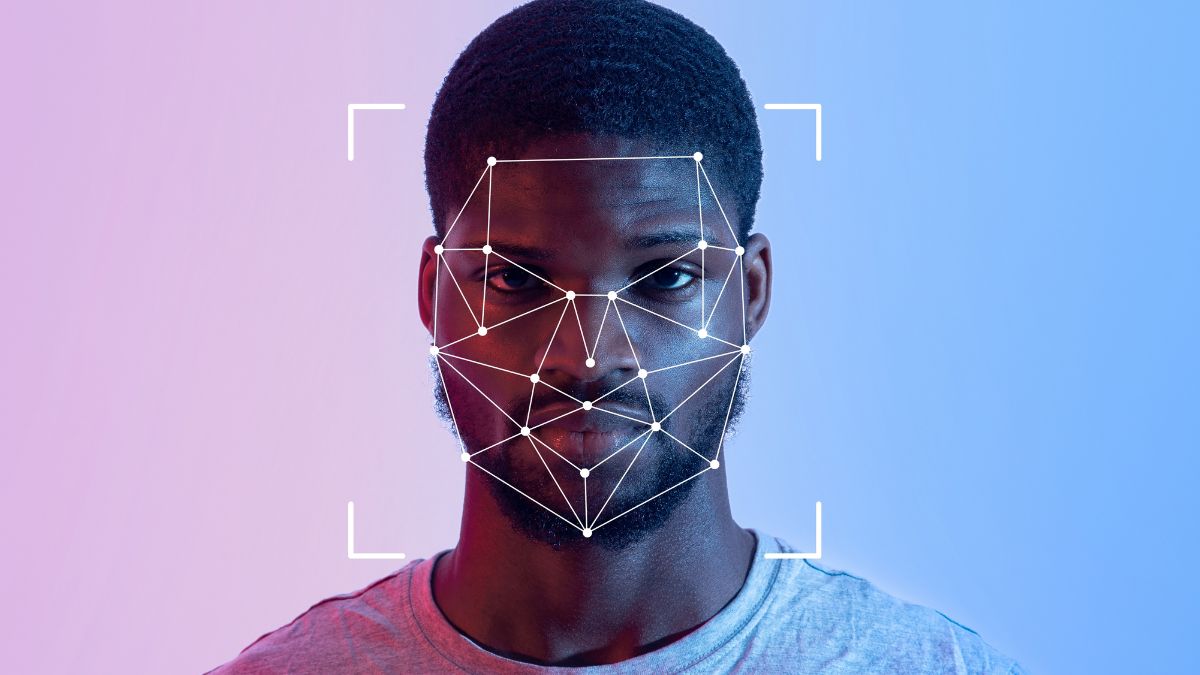
Exposed Persona Frontend Reveals Extensive Biometric Surveillance Stack Behind Age Verification - ID Tech
Security researchers investigating Discord’s age-verification implementation have discovered a publicly exposed frontend belonging to Persona Identities, Inc., revealing that the identity-verification vendor’s platform performs far more extensive checks than users […]

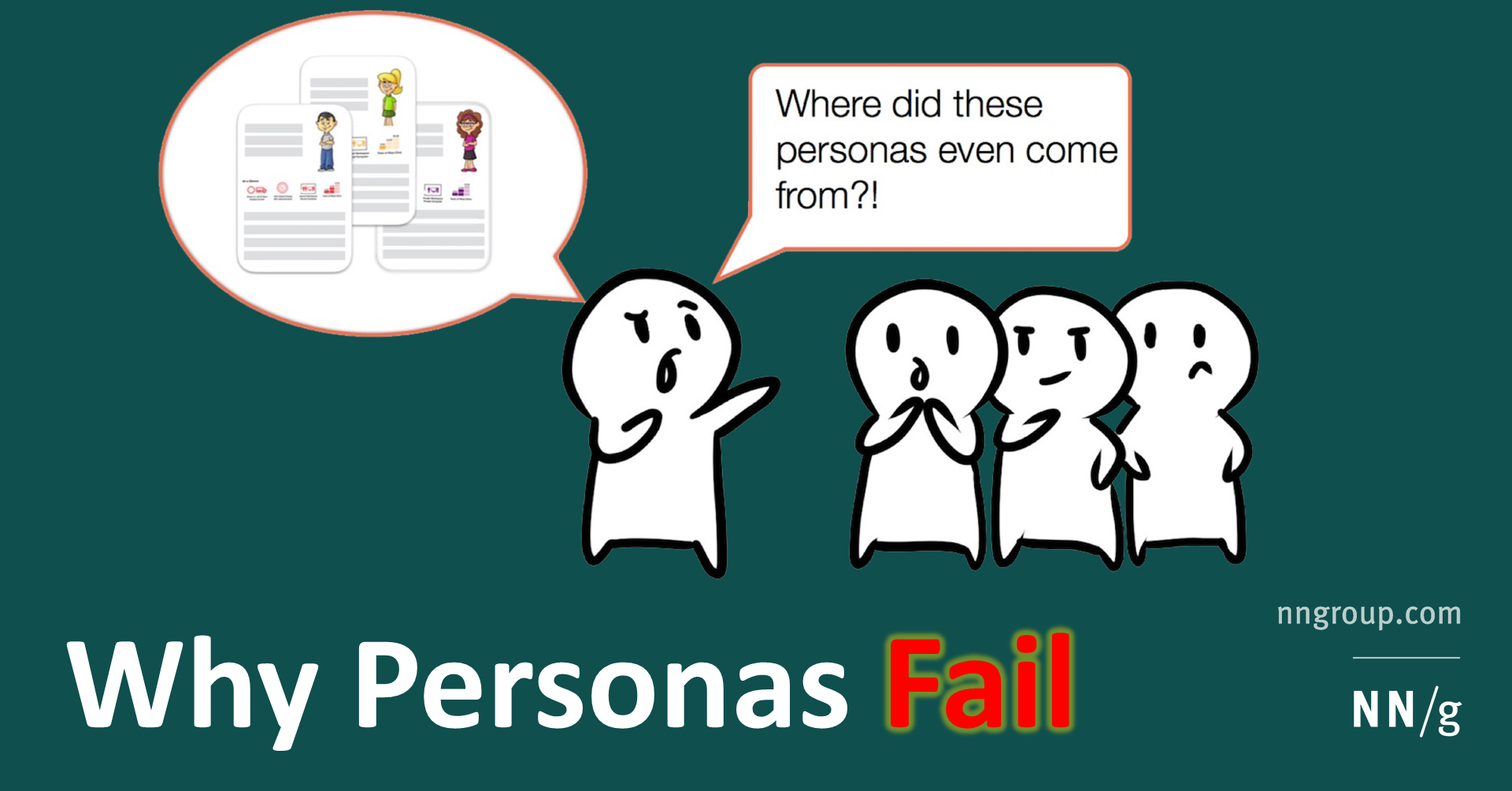
Why Personas Fail
Personas are useful tools for UX work, so why do they often fail? Find out what pitfalls cause personas to fail, and how to avoid and overcome them.
Persona
A user-memory system for AI agents. 2022–2026. Memory is going beyond schemas, ontologies, Graph RAG, and vector DBs — computers can talk now.
[updated] Age verification vendor Persona left frontend exposed, researchers say
Behind a basic age check, researchers say Persona’s system runs extensive identity, watchlist, and adverse-media screening.
Persona (identity verification service)
Persona Identities, Inc. is an American identity verification company headquartered in San Francisco. The company develops infrastructure for businesses to verify individuals and organizations, manage user onboarding, and comply with know your customer (KYC), anti–money laundering (AML), or age verification regulations.
Online anonymity: study found ‘stable pseudonyms’ created a more civil environment than real user names
A higher quality discussion emerged among commenters allowed to use personas instead of their real names.

Online anonymity: study found ‘stable pseudonyms’ created a more civil environment than real user names
A higher quality discussion emerged among commenters allowed to use personas instead of their real names.
PersonaEval: Persona-Based User Simulation for Evaluating Interactive Applications
Real user studies are important for understanding how people interact with systems under test or already deployed. In practice, however, they are often costly, time-consuming, and difficult to scale. To address these challenges, we introduce PersonaEval, a persona-based user simulation framework that approximates real-user behavior across diverse interactive settings. PersonaEval connects simulated users drawn from existing persona datasets to task-specific application interfaces and collects the interaction trajectories and outcomes. PersonaEval provides a plug-and-play evaluation workflow in which the application being evaluated can be easily changed. In this demo, we present PersonaEval on three forms of interactive applications: surveys, chatbots, and web applications. Together, these examples show that PersonaEval can support repeatable, parallelizable, and scalable evaluation across different interaction settings, while producing user-oriented feedback and task-specific behavior.
Threat Modeling with LEGO SERIOUS PLAY: Building your Digital Identity threat
W3C explored how Threat Modeling with LEGO SERIOUS PLAY can help uncover security, privacy, and human-rights threats in digital identity systems. Participants built threats from real-world harms, mapped them into shared landscapes, and discovered they are connected.

High-Tech Anthropology® Process Tour
Come learn about the benefits of observing end users, creating and mapping personas, and assessing iterative designs. Additionally, see the other tools we use and visuals we create to capture and distill information that will help us mitigate the risk of a failed end product. These steps build the foundation for user-friendly designs tailored to target persona(s) – for products that are actually adopted (and even enJOYed!) rather than tossed to the side or treated like paperweights.

Persona
Persona runs face and ID checks for Reddit, Roblox, ChatGPT, LinkedIn and Claude, can keep ID scans up to 3 years, and was sued under Illinois biometric law.

The Customer Discovery Handbook
This is a practioner's guide to conducting design research on personas, needfinding, value, and usability.
Guardian Angels: LLM Personalization for Productivity and Security
I propose an approach for highly personalized LLMs, for near-future productivity gains and personal info/cybersecurity against increasingly powerful LLMs: they should, in the spirit of uploading, try to emulate the user’s values and preferences in order to amplify the principal—not replace them. I discuss a package of techniques and proposals to accomplish such ‘guardian angels’; dynamic evaluation of LLMs combined with active learning and elicitation and heavy inner-monologue search/data-augmentation.

Position: Synthetic Persona Needs Explicit Grounding and Standardized Reporting
This position paper argues that synthetic personas used in Large Language Models (LLM) social simulations need explicit grounding. By grounding, we mean that researchers should state where persona information comes from, what social actor or population it is meant to represent, what evidence supports it, and what kinds of simulation claims it can justify. Without such grounding, persona-based simulations risk treating appearance of plausible descriptions or vivid narratives as evidence of realism. We identify several recurring failure modes that explicit grounding can help expose, and argue that these failures should not be diagnosed only after simulation results are produced; they should be addressed at the level of persona construction and reporting. We conclude by proposing lightweight reporting standards for persona provenance, construction process, selection or sampling logic, internal consistency checks, model enactment checks, and intended inference.
revoking my endorsement of privacy.com