


https://upload.wikimedia.org/wikipedia/commons/d/d0/WildJungle%2842249210%29.jpeg We've made the world too complicated. I'm writing this with technology I...
The Facebook Method of Dealing With Complexity
Computers used to be weak, so we had to make their world simple. Now they can handle endless complexity, but we need to learn how to make the world simple

The world is something that we make // Terminal
“...and could just as easily make differently.”
The Evolution of Creativity
Writing about the big beautiful mess that is making things for the world wide web.
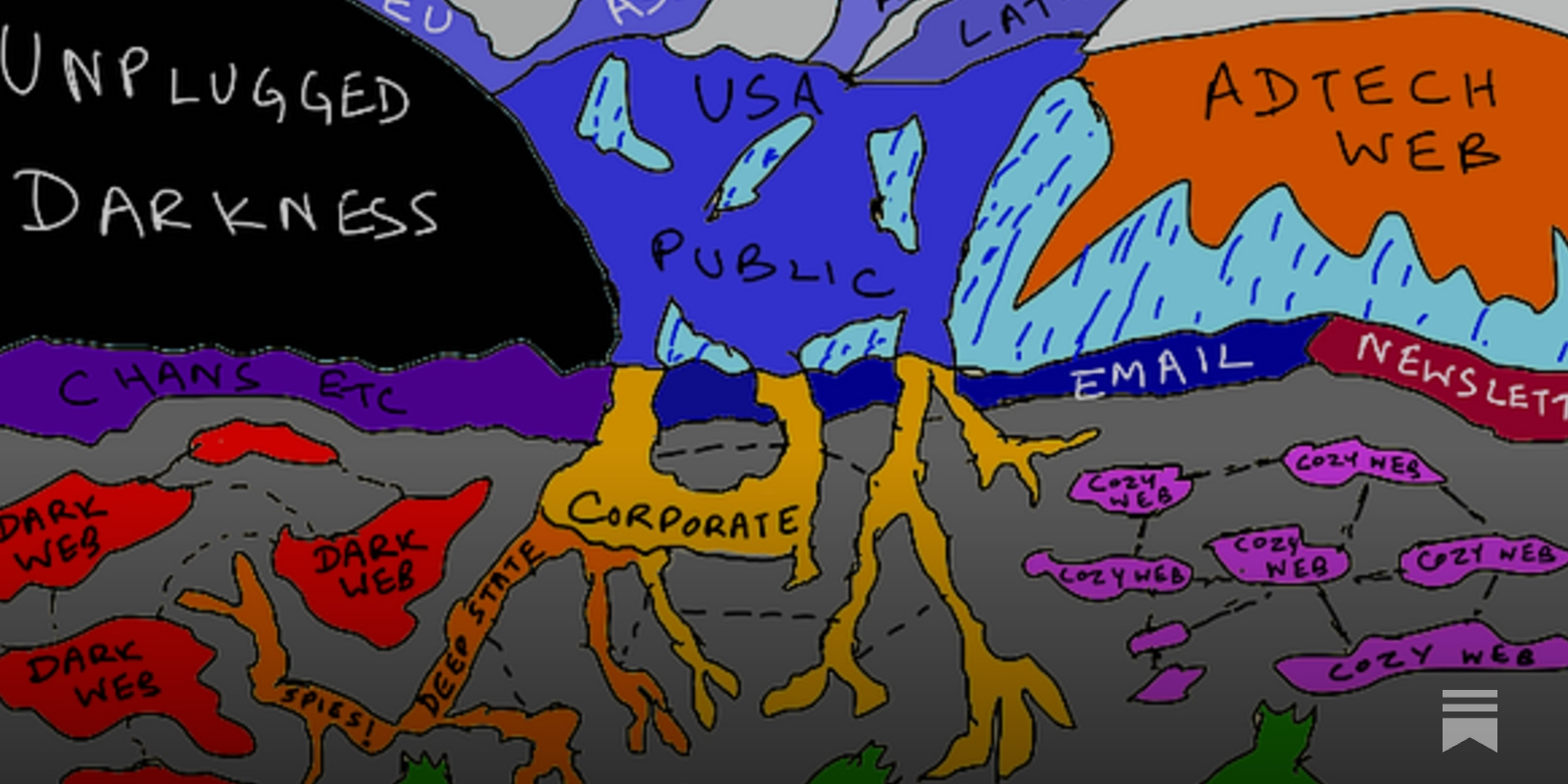
The Extended Internet Universe
The Internet is now a very complicated place
The Optimization Trap: Why Too Much Efficiency Makes Us Fragile with Olivier Hamant
Why embracing complexity is the real challenge in software today
In the midst of industry discussions about productivity and automation, it’s all too easy to overlook the importance of properly reckoning with complexity.

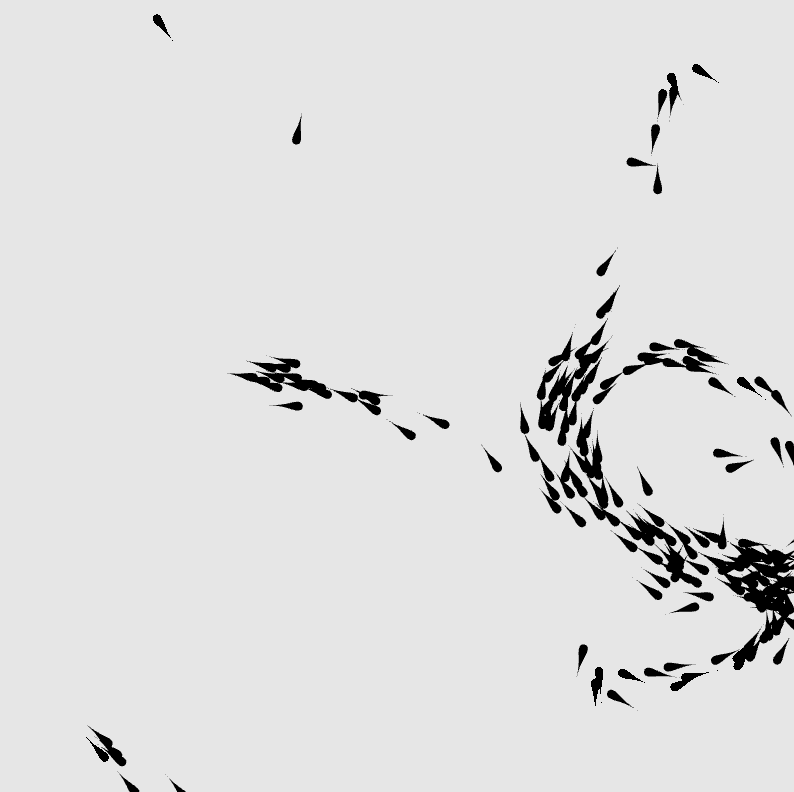
Complexity Explorables
A collection of interactive explorable explanations of complex systems in biology, physics, mathematics, social sciences, epidemiology, ecology and other fields....
You Might Debate It — If You Could See It
Writing about the big beautiful mess that is making things for the world wide web.
Make It Work vs. Make It Good
Writing about the big beautiful mess that is making things for the world wide web.
The World Doesn’t Exist: William Gibson, William Blake, and Navigating an Algorithmic Hall of Mirrors | ODDCRITIC
Scrolling the TL revealed distorted realities, shaped by algorithms and biases.

The Optimization Trap: Why Too Much Efficiency Makes Us Fragile - The Great Simplification
In this episode, Nate is joined by biologist and biophysicist Olivier Hamant to explore why living systems prioritize robustness over performance, and what that means for a civilization built almost entirely in the opposite direction.
Sundar Pichai of Google: ‘Technology Doesn’t Solve Humanity’s Problems’ (Published 2018)
Growing up in India, he slept on the floor of a house without a refrigerator. Today, the chief executive is steering Google through the most turbulent period in its history.

What to Do as the World Falls Apart: A Framework for Action | Frankly 132
Podcast Episode · The Great Simplification with Nate Hagens · March 20 · 53m

When it comes to our digital lives, too many people care about bigness and an imagined potential to achieve their own bigness, and too few care about connections and the potential to achieve meaningful connections.

Your Internet Doesn't Need to Be Big
www.aaronrosspowell.com"what if engineering a scientific revolution is, at least in part, a problem of organizing humans and coordinating effort?" uniconq.substack.com/p/the-ground-truth-institute h/t @ranganaut.bsky.social

The Ground Truth Institute
uniconq.substack.com
